St Mary’s Church, Luton: A Medieval Parish Church in Bedfordshire
Site at a Glance
- Rating
- 4.6
- Popularity
- Medium
- Country
- United Kingdom
- Primary era
- Medieval
- Eras represented
- Medieval, Modern
- Civilizations
- British, English
- Site type
- Religious
- Remains
- Church
On this page14 sections
History
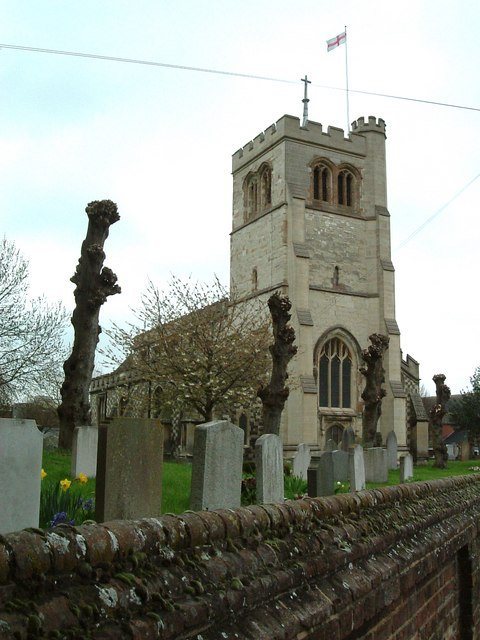
St Mary’s Church, Luton, is an active parish church in Bedfordshire, United Kingdom. Its present building is attributed to 1121 and was consecrated in 1137; it is described as one of Bedfordshire’s largest churches.
Early church and foundation
A church is traditionally said to have stood here around 930. The story attributes its establishment to Athelstan, a 10th-century Anglo-Saxon king, in thanksgiving for victory over the Danes, Danish peoples involved in conflicts in early medieval England. The foundation date remains uncertain. During Saxon and early Norman times, the land belonged to the king, and the church was richly endowed.
Construction of the present church is attributed to Robert, 1st Earl of Gloucester, an Anglo-Norman magnate and son of Henry I. The building was consecrated in 1137.
Medieval expansion
As Luton’s population increased, north and south aisles were added around the beginning of the 13th century, less than 40 years apart. In the 14th century, work added a tower, extended the transepts (the cross-arms of the church’s cross-shaped plan), and created chapels. A sacristy, a room for storing clergy vestments and sacred vessels, was built north of the chancel.
In the 15th century, Someries Chapel was enlarged, the sacristy was rebuilt farther east, and the west tower was raised and had most of its windows renewed. Lord John Wenlock, a 15th-century English nobleman and soldier, helped with this work. His family had been connected with the church since 1389. In 1461 Someries Chapel took the name Wenlock Chapel. John’s father, William Wenlock, was one of three people buried there.
Restoration and parish life
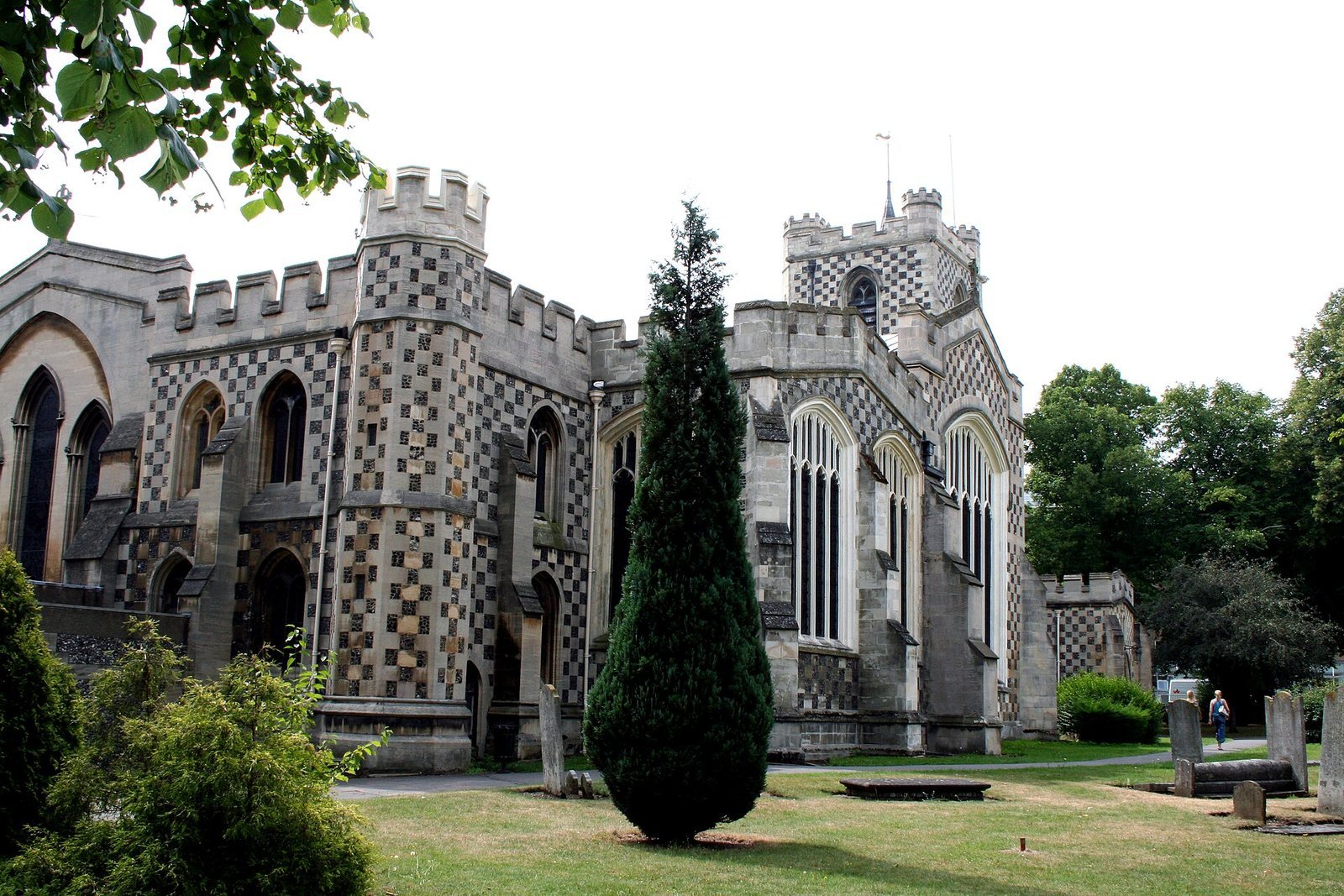
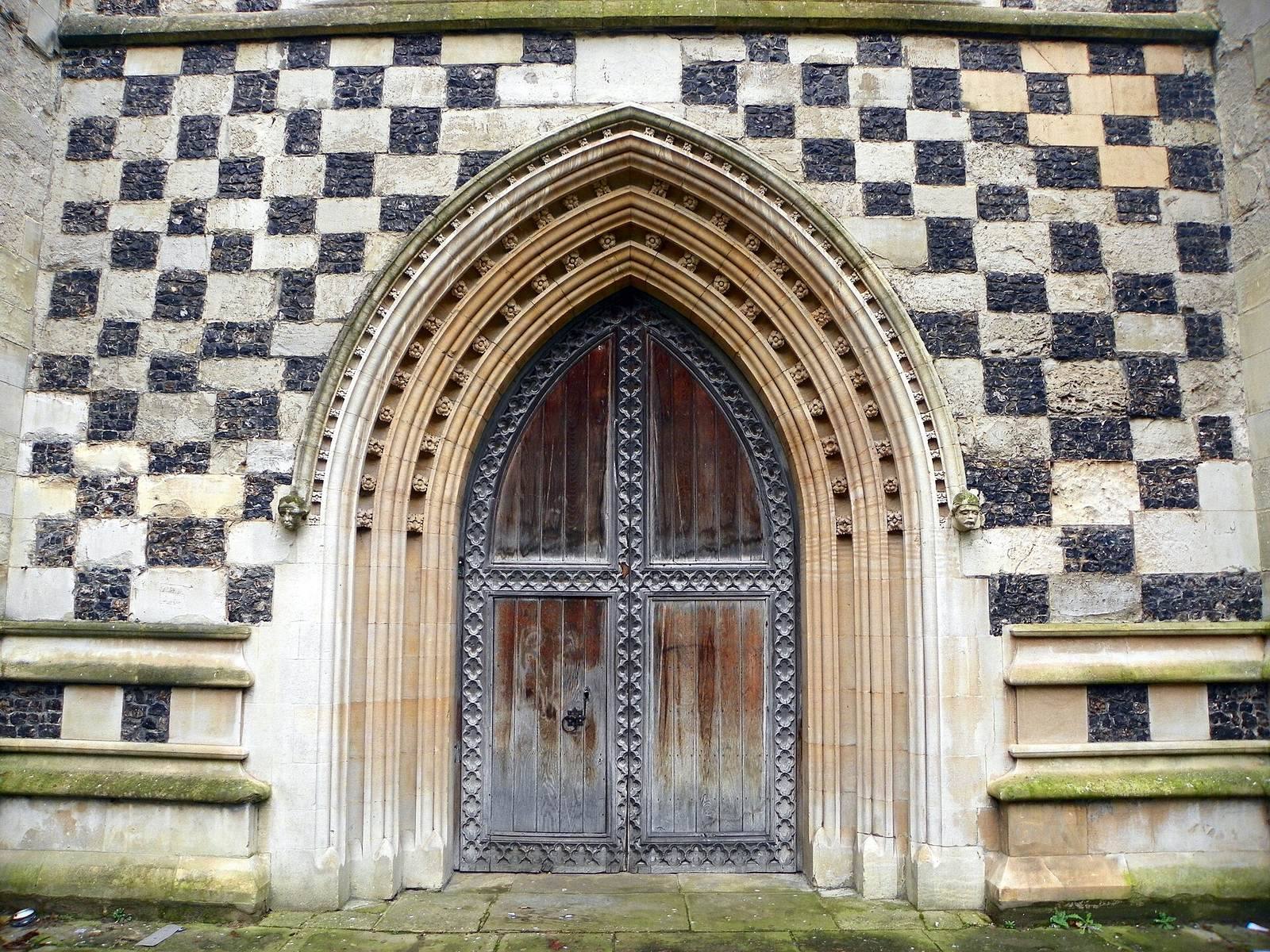
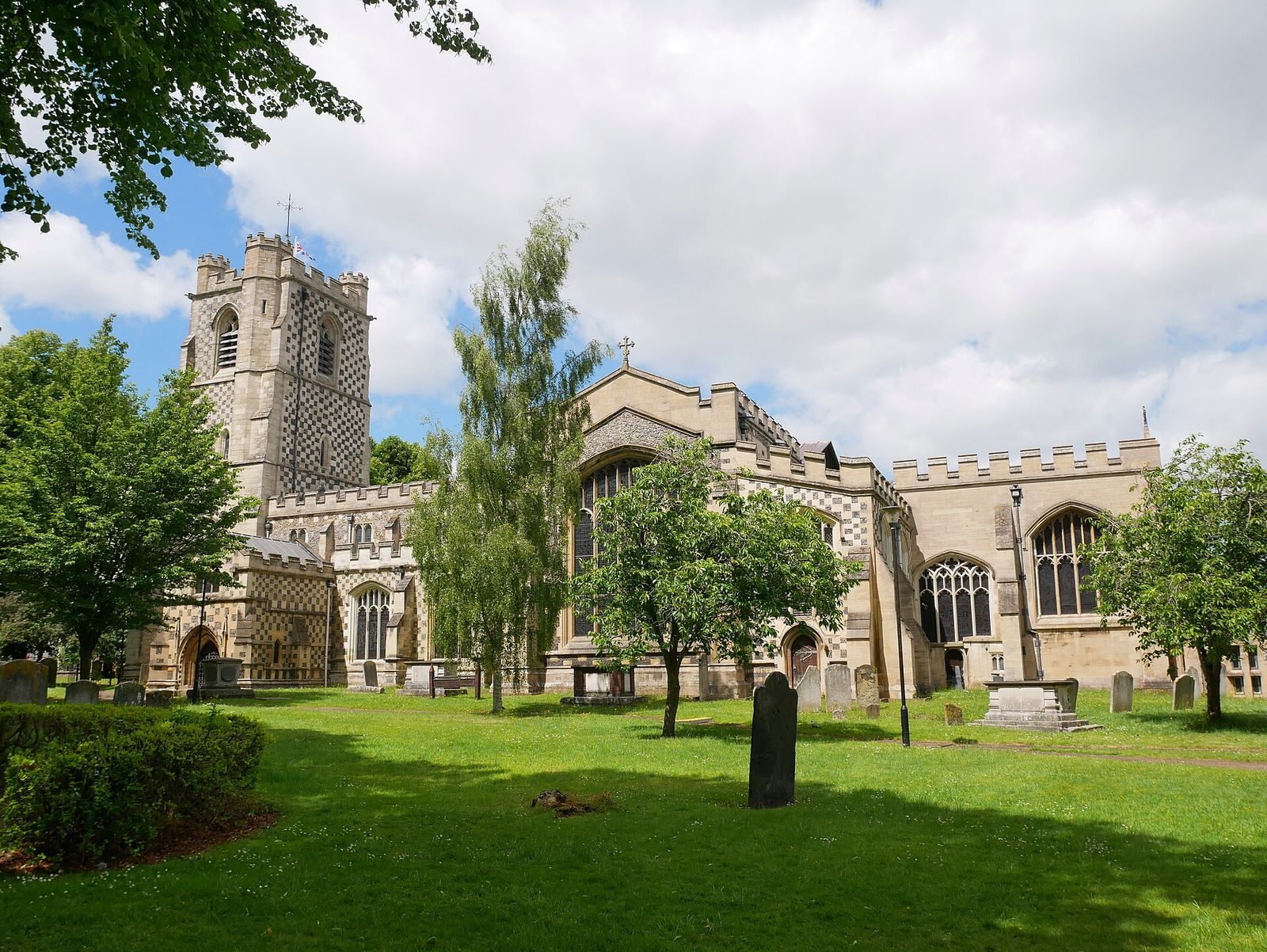
Restoration in the 19th and 20th centuries extended the church’s flint-and-stone chequer pattern across most of the building. The tower was restored in 1906 and Wenlock Chapel in 1914. The church clock was installed in 1901. Overhauls followed in 1909 and 1949, the latter including a new bell. Its mechanism stopped in 1979 and was later restored with help from the University of Bedfordshire, whose buildings stood beside the church.
Offices, halls and vestries, rooms used by clergy and church workers, were added in the 1960s. The Magnificat Window, named for the Christian canticle based on Mary’s words in the Gospel of Luke, was installed in 1979. Later changes included projection screens, the return of the pulpit to its former position, and replacement of the Victorian heating system in 2019. The church remains an active Church of England parish and is known for its youth work and its ministry for peace and reconciliation. It is Grade I listed, the highest category of listed-building protection in England, and is the only Grade I-listed building in Luton.
Remains
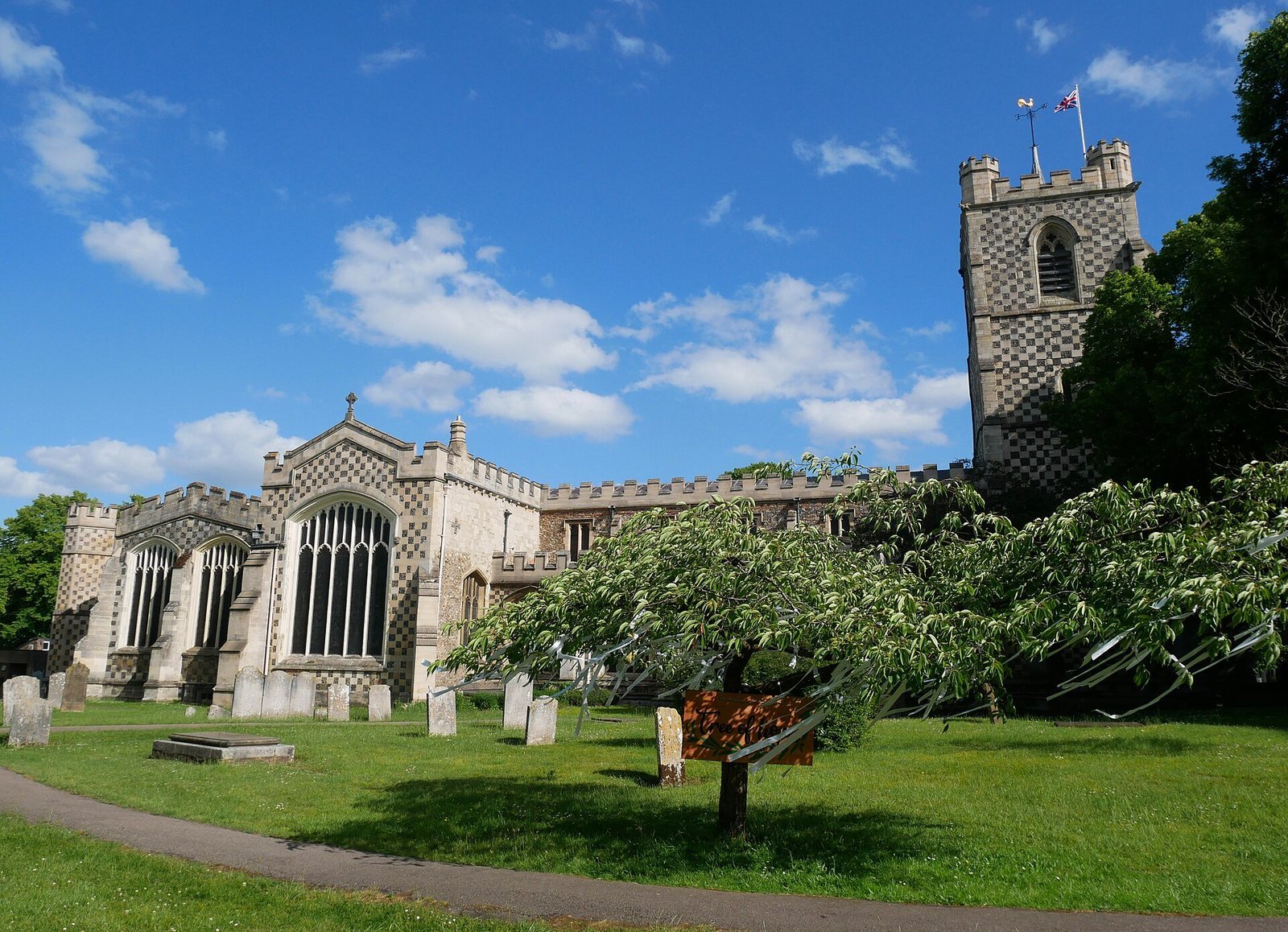
The church is 53 metres long, 17 metres wide and 27 metres high. Its plan is cross-shaped, with north and south aisles, chapels and extensions branching from the main building. The exterior has a distinctive chequered facing of flint and stone.
Medieval fabric
West tower
The west tower has smaller turrets at its corners. It was raised in the 15th century, when most of its windows were also renewed, and restored in 1906.
Transepts and chapels
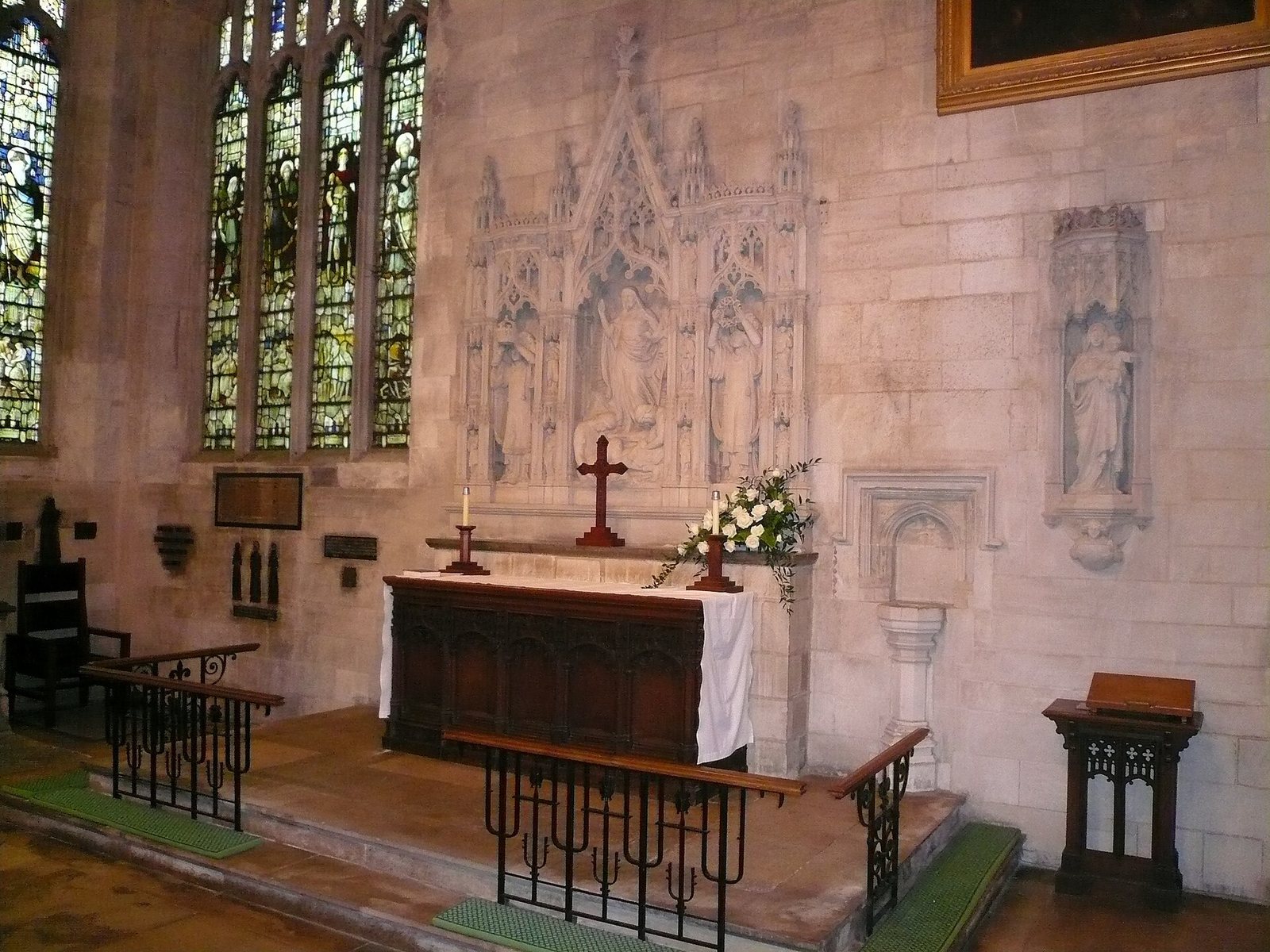
The extended transepts have twin arches opening into chapels on their eastern sides. The church includes Wenlock Chapel, Hoo Chapel and Barnard Chantry Chapel, a chapel associated with prayers for the dead. Rotheram family monuments are also present.
Sacristy
The sacristy is vaulted and has an upper room. It was rebuilt farther east than its original position north of the chancel.
Baptismal font
The baptismal font, the basin used for baptisms, stands in a recess at the western end of the nave. It is usually assigned to the 15th century, although a new font with a richly carved octagonal stone canopy is also associated with 14th-century work, leaving its precise date uncertain.
Clock, later additions and grounds
Church clock
The clock faces west across the town. Made by J. W. Benson, it is a quarter clock, which sounds the quarter-hours, with an eight-day movement designed to run for about a week between windings. The quarter chimes use the second, third, fourth and seventh bells. The hours sound on the tenor bell, the principal low-pitched bell, which weighs close to 17 hundredweight.
Later additions
The offices, halls and vestries added in the 1960s follow the church’s flint-and-stone chequered style. The Magnificat Window is in the south transept.
Churchyard and cemetery
The churchyard immediately around the building is no longer in use. Luton Church Cemetery covers much of St Anne’s Hill, about a mile away from the church in the direction of Crawley Green.