Sears-Kay Ruin: A Hohokam Defensive Fortification in Arizona
Site at a Glance
- Popularity
- Medium
- Country
- United States
- Primary era
- Medieval
- Eras represented
- Medieval
- Civilizations
- Hohokam
- Site type
- Military
- Remains
- Fort
On this page8 sections
History
Hohokam occupation
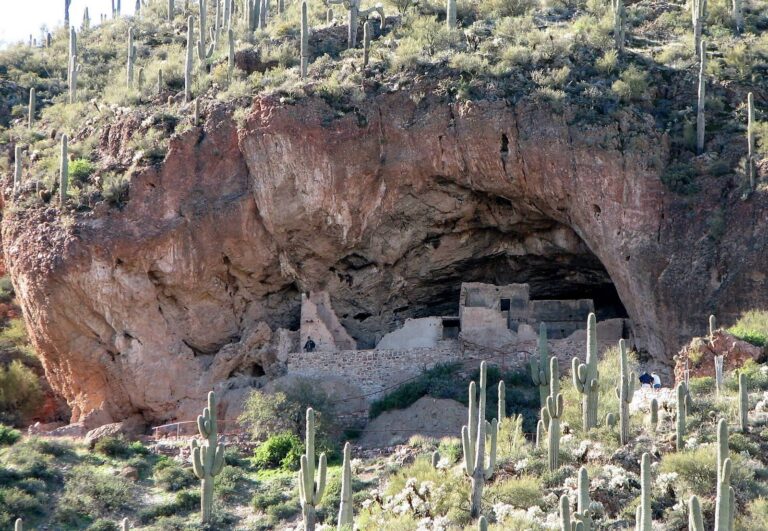
Sears-Kay Ruin is a defensive fortification built by the Hohokam around 1050 in Tonto National Forest, just outside Carefree, Arizona, United States. The Hohokam were a prehistoric cultural tradition of the American Southwest. They lived in the desert foothills around present-day Carefree, where they built villages and defensive forts. The ruin’s rooms housed about 100 people. The Hohokam may have been ancestors of the Akimel O’odham and Tohono O’odham peoples of southern Arizona, though that relationship is uncertain.
The fort was abandoned around 1200. Why the Hohokam left the area remains unknown.
Abandonment and rediscovery
After the Hohokam left, members of the Tonto Apache, an Apache people, claimed the land. In 1867, soldiers from the United States Army’s 5th Cavalry Regiment found the fort while patrolling from nearby Fort McDowell. The ruin takes its name from the Sears-Kay Ranch, established by J. M. Sears in 1887 on the land where the fort had been found.
Protection and wildfire
Sears-Kay Ruin was added to the National Register of Historic Places on November 24, 1995. Its site and artifacts are protected under the Antiquities Act of 1906, a federal law prohibiting unauthorized appropriation, excavation, injury, or destruction of antiquities on federal land. In September 2020, a wildfire destroyed most of the vegetation at and around the ruin.
Remains
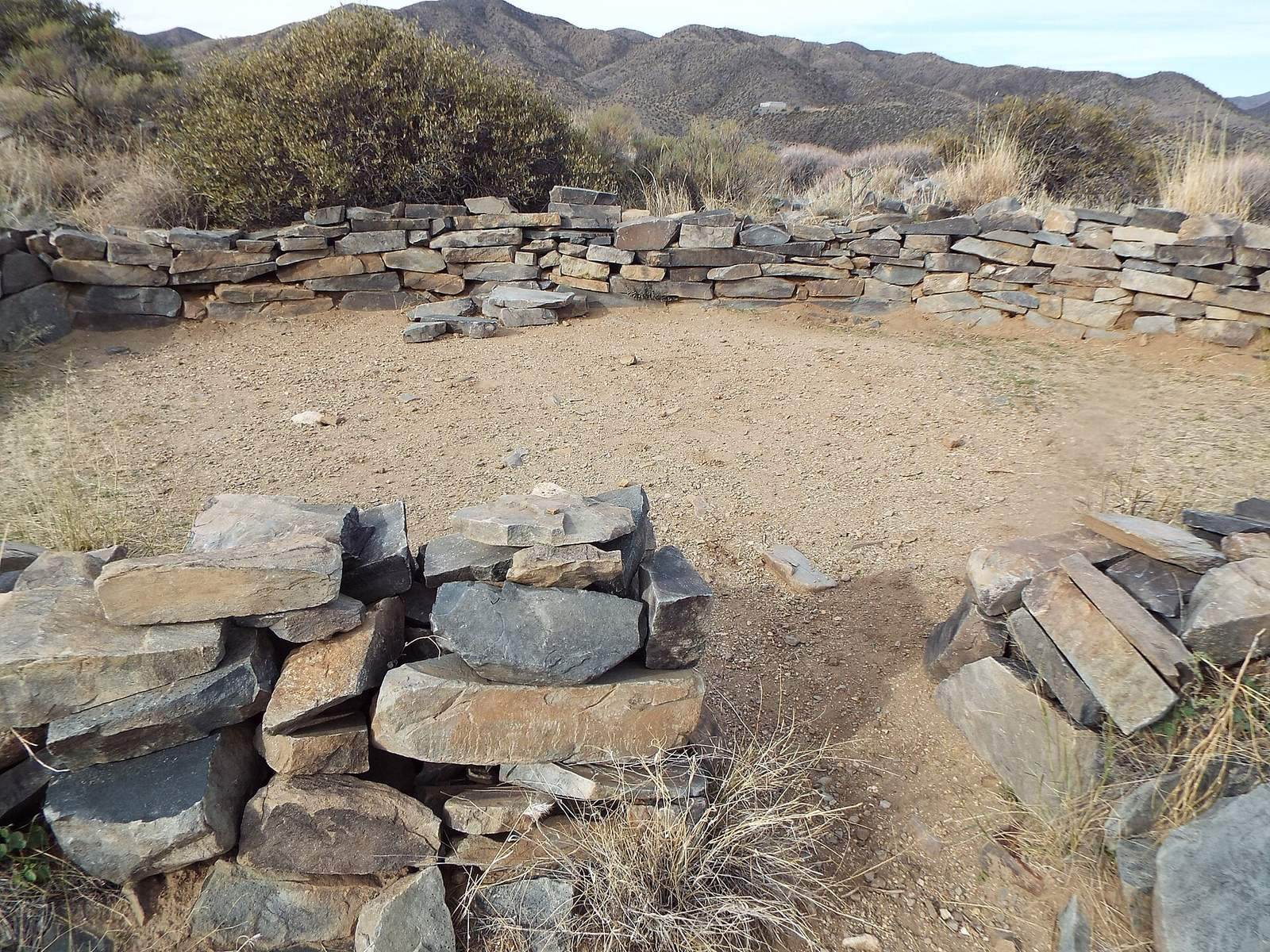
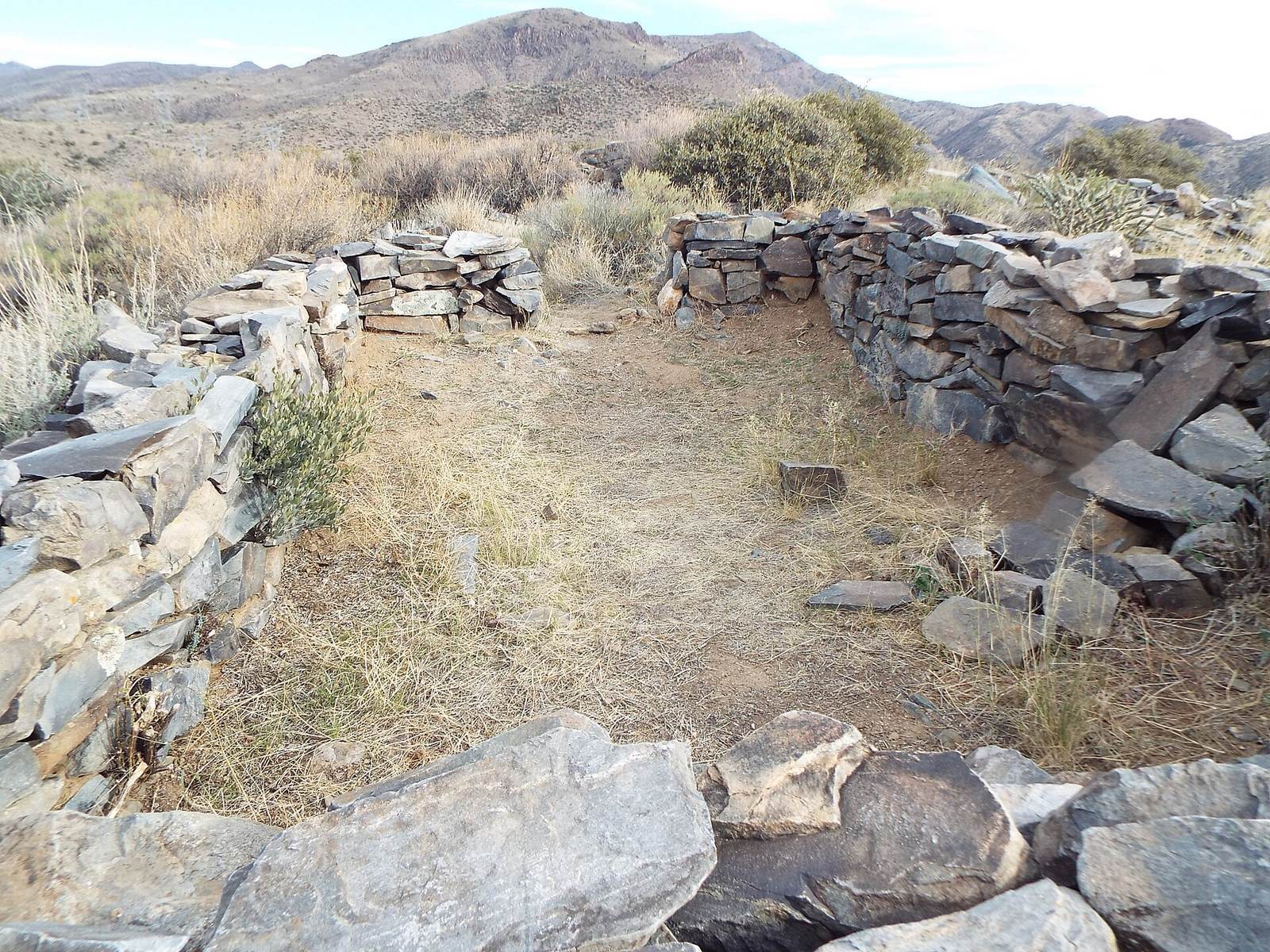
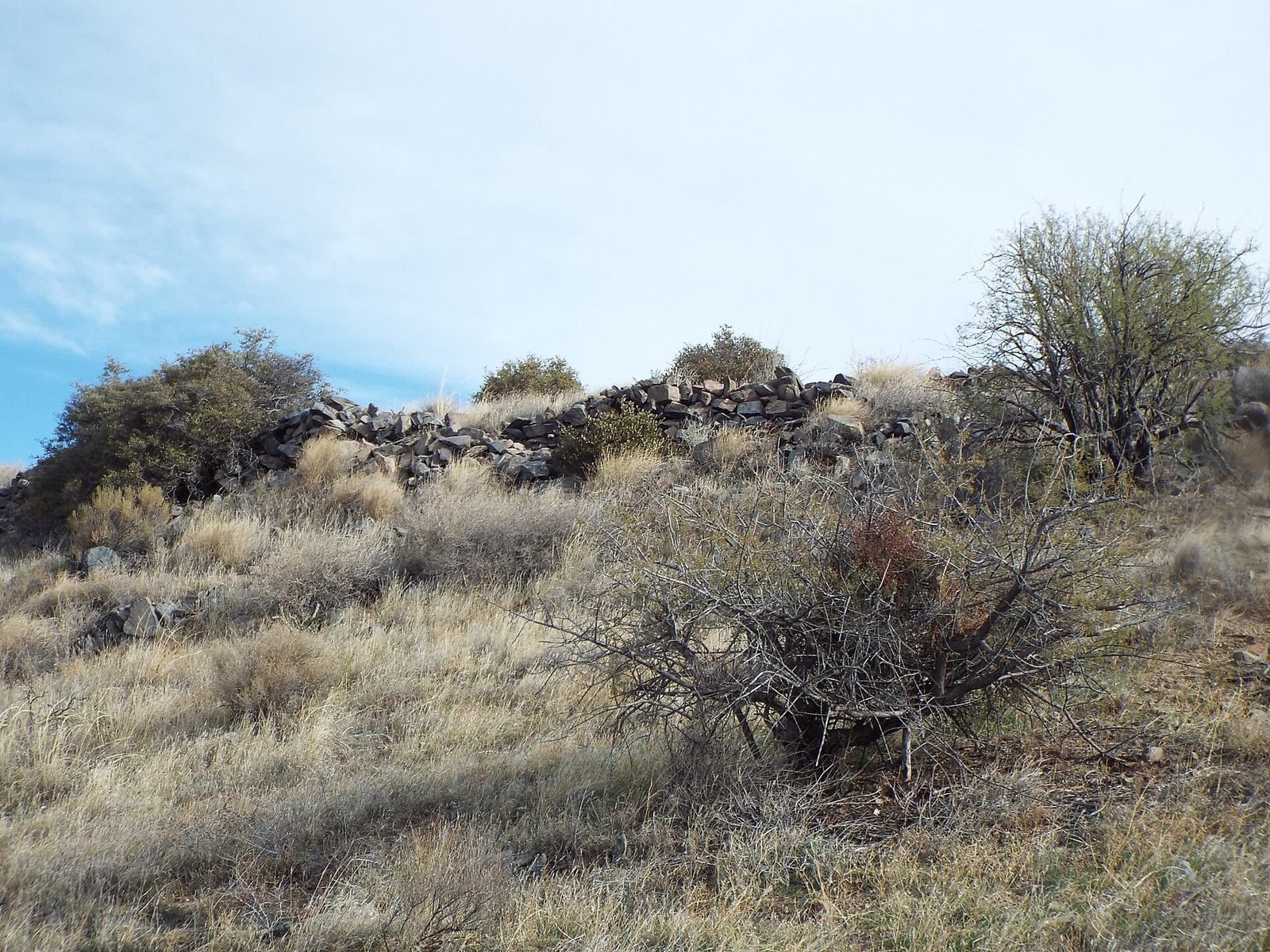
The fort stands atop a desert foothill in Tonto National Forest, just outside Carefree. Its surviving remains include defensive walls and 40 rooms.
Rooms and associated formation
Mystery Room
One of the 40 rooms is known as the Mystery Room. It is the only room with rounded corners rather than square ones. Archaeologists have speculated that it was built in an earlier period.
Rock Jug formation
A rock formation associated with the fort is identified as the Rock Jug formation.