Obernitz Castle: A Renaissance Residence on a Medieval Site
Site at a Glance
- Rating
- 3.9
- Popularity
- Low
- Country
- Germany
- Primary era
- Early Modern
- Eras represented
- Medieval, Early Modern
- Civilizations
- Holy Roman Empire
- Site type
- Domestic
- Remains
- Castle
On this page8 sections
History
Medieval origins and Renaissance rebuilding
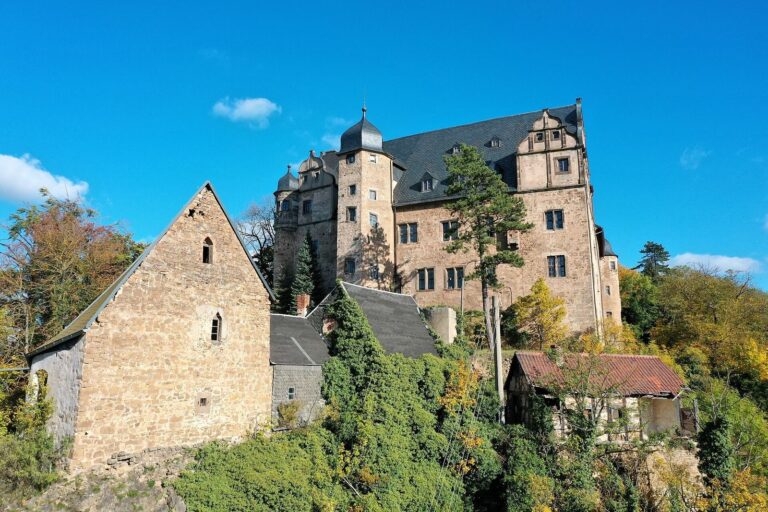
Obernitz Castle is a Renaissance castle in Germany, built at the site of a motte castle, a fortification raised on a mound, recorded by 1152. The Lords of Obernitz appear in documents from 1258. In 1534, their estate passed to the Lords of Thüna, who built a Renaissance castle using the earlier castle’s cellar vaults. The Renaissance was a European artistic and architectural style that preceded the Baroque.
Later ownership and use
The estate had at least seven owners over the centuries, including Dr. Ernst Hüther, a former chocolate manufacturer from Saalfeld. After 1945, the castle served as a residence.
Remains
Layout and architecture
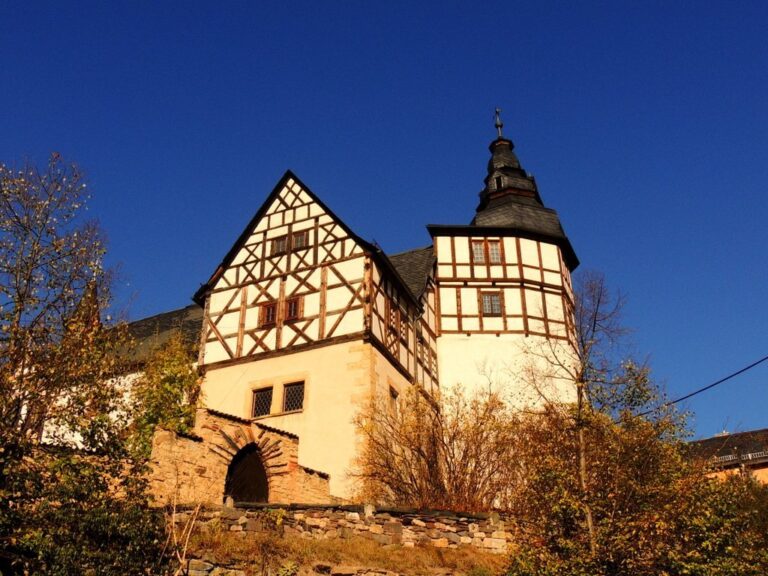
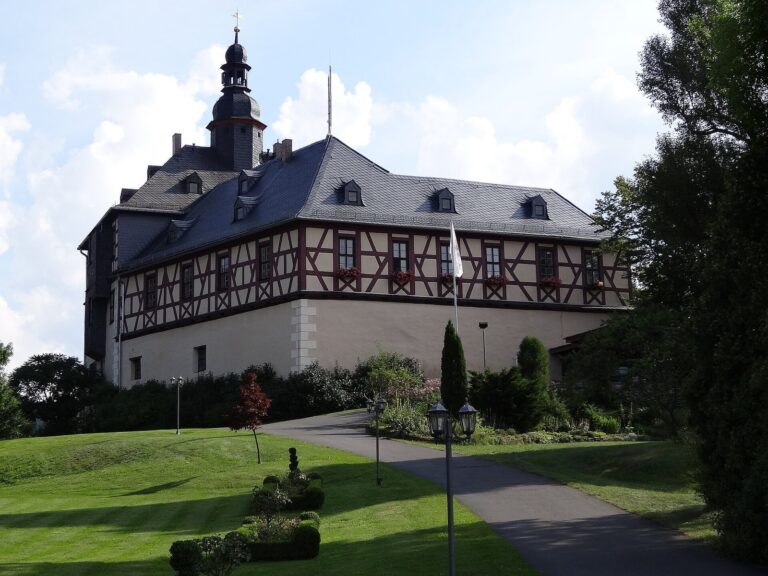
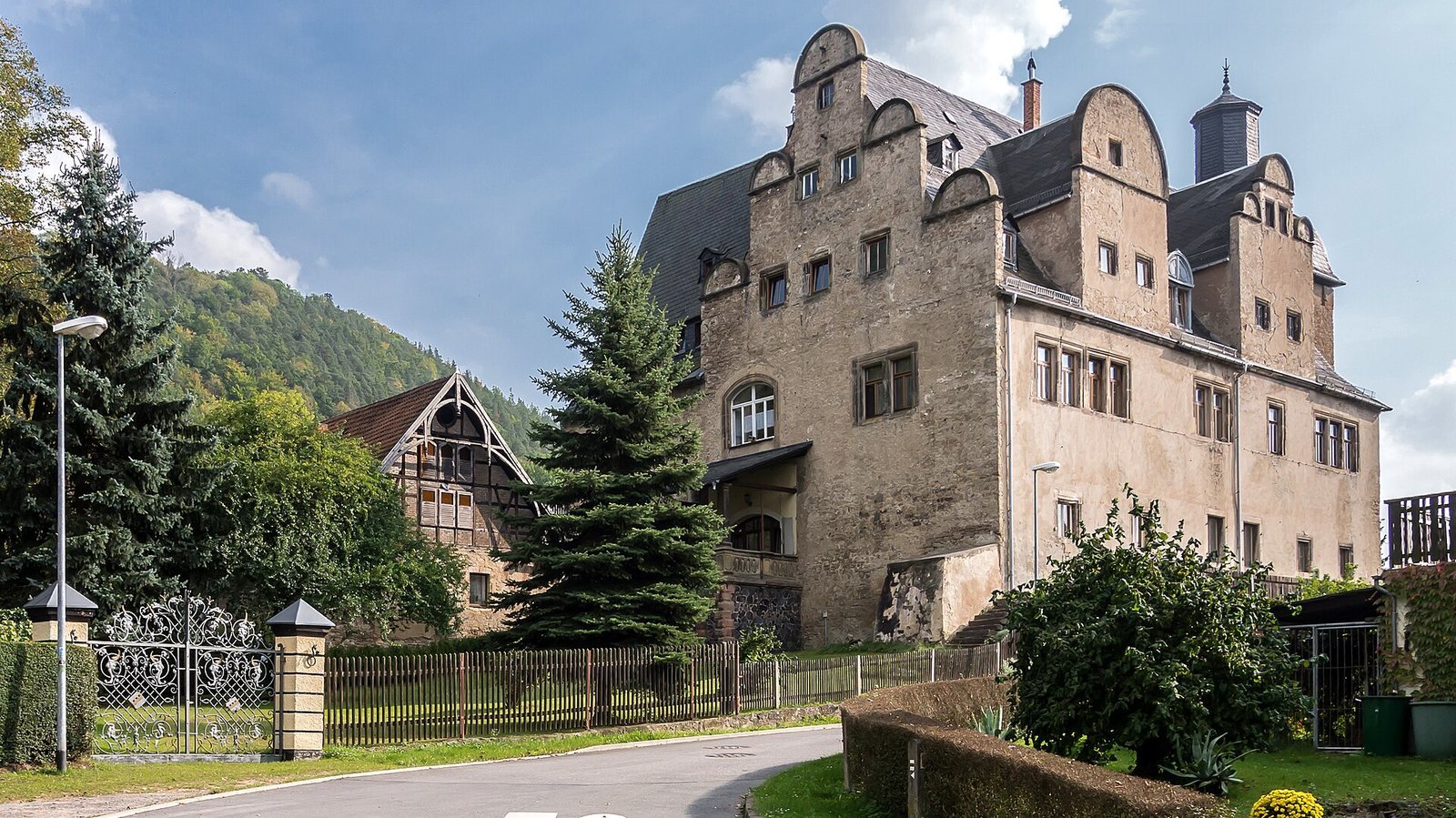
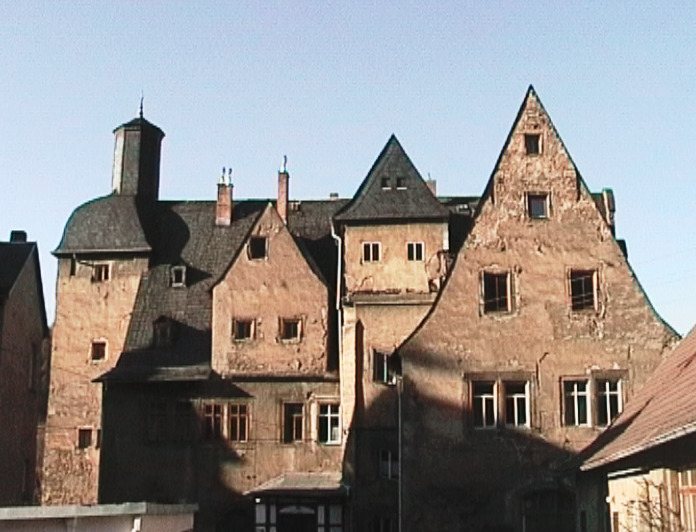
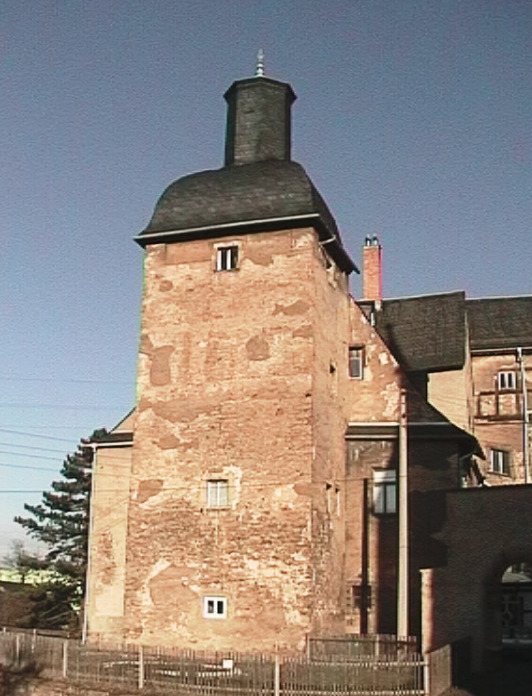
Obernitz Castle stands on a narrow rocky terrace in the Saale Valley, east of the Saale River and Federal Highway 85. Its plain Renaissance building has several gables, a square tower on its south side, and a spiral-stair tower in the courtyard beside the entrance.
Main building
The building’s simple form and Renaissance gables define its exterior. It is in need of renovation.
South tower
A square tower rises on the castle’s south side and has a domed roof in the Baroque style, a later European artistic and architectural style. Its lower sections probably date to the late Middle Ages.
Courtyard stair tower
A tower containing a spiral staircase stands in the courtyard beside the entrance.