Our Lady of Angels: A Franciscan Monastery and Church in Orebić, Croatia
Site at a Glance
- Popularity
- High
- Country
- Croatia
- Primary era
- Early Modern
- Eras represented
- Early Modern, Modern
- Civilizations
- Republic of Ragusa
- Site type
- Religious
- Remains
- Monastery
On this page9 sections
History
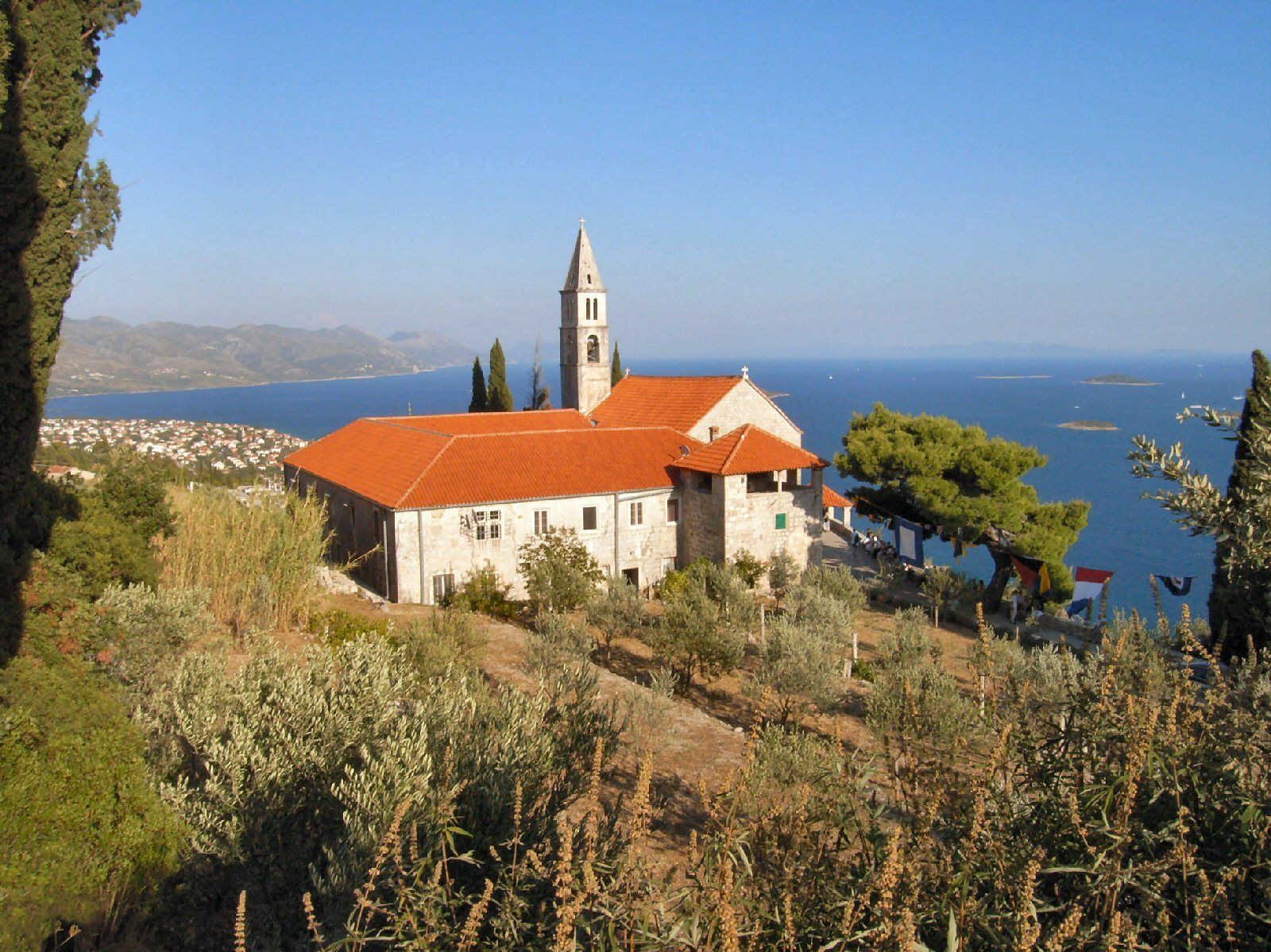
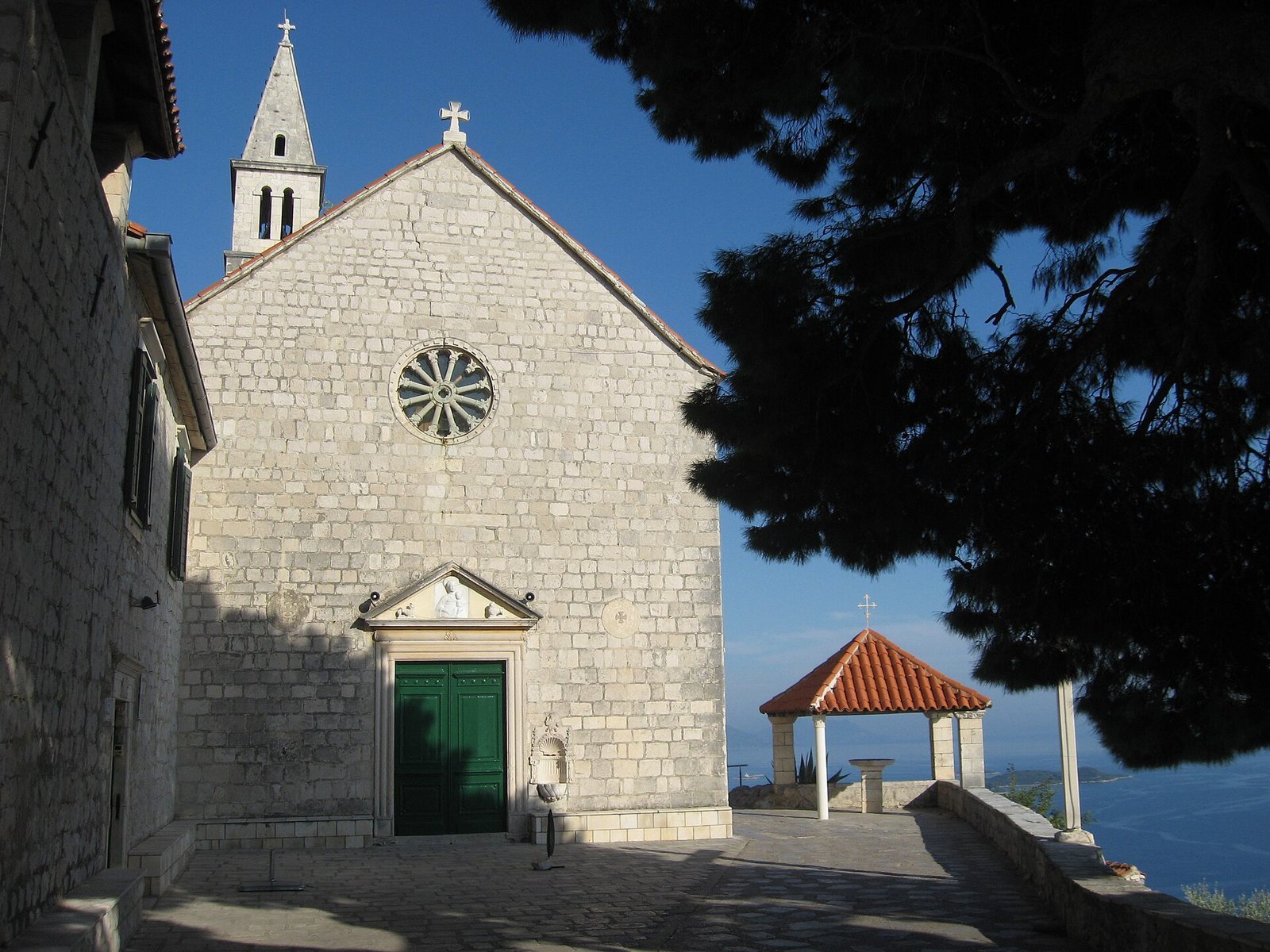
Our Lady of Angels is a Franciscan monastery and church in Podgorje, within the municipality of Orebić, Croatia. Its church, built in 1534 in Gothic-Renaissance style, was consecrated on 17 May of that year by Nikola Nikoničić, Bishop of Ston. It is dedicated to Mary, the mother of Jesus, under the title Our Lady of Angels.
Ragusan foundation
The Franciscan monastery took shape in the late 15th century, when Orebić was governed by the Republic of Ragusa, a maritime republic centered on Dubrovnik. On 20 August 1479, the Republic commissioned builder Mihoča Radišić to construct a church. In 1481, its Senate approved the project and provided land and funds for a monastery at Trstenica, an earlier name for Orebić. Ragusa governed the town from 1333 to 1806.
Rebuilding and damage
Extensive repairs in the 19th century renewed the roof, bell tower, cistern, and organ. Rooms were also added for a novitiate, the formation period for people preparing to enter a religious order; the novitiate continued until 1888. An air raid on 14 June 1944 severely damaged the monastery, and an earthquake on 6 January 1960 caused further damage. The complex has been protected as a monument since 1963, while its cypress grove and part of the surrounding woodland have protection as a natural monument.
Franciscan life and local traditions
The monastery remains active. It is operated by the Franciscan Province of St. Jerome in Dalmatia in cooperation with the Province of the Assumption in Herzegovina, regional administrative units of the Franciscan Order. In church jurisdiction it belongs to the Diocese of Dubrovnik, which is under the Archdiocese of Split-Makarska.
Pilgrims come from Orebić, Lumbarda, Korčula, Pupnat, Viganj, and Kućište for observances including the feast of Mary, Mother of the Church, on the Monday after Pentecost. Other gatherings mark the Assumption, the Catholic belief that Mary was taken into heaven, on 15 August, and the Immaculate Conception, the belief that Mary was preserved from original sin from conception, on 8 December. A maritime custom also linked the monastery with Orebić’s seafarers. In the past, captains sounded three horn blasts as they passed, and the Franciscans answered by ringing the church tower bells.
Remains
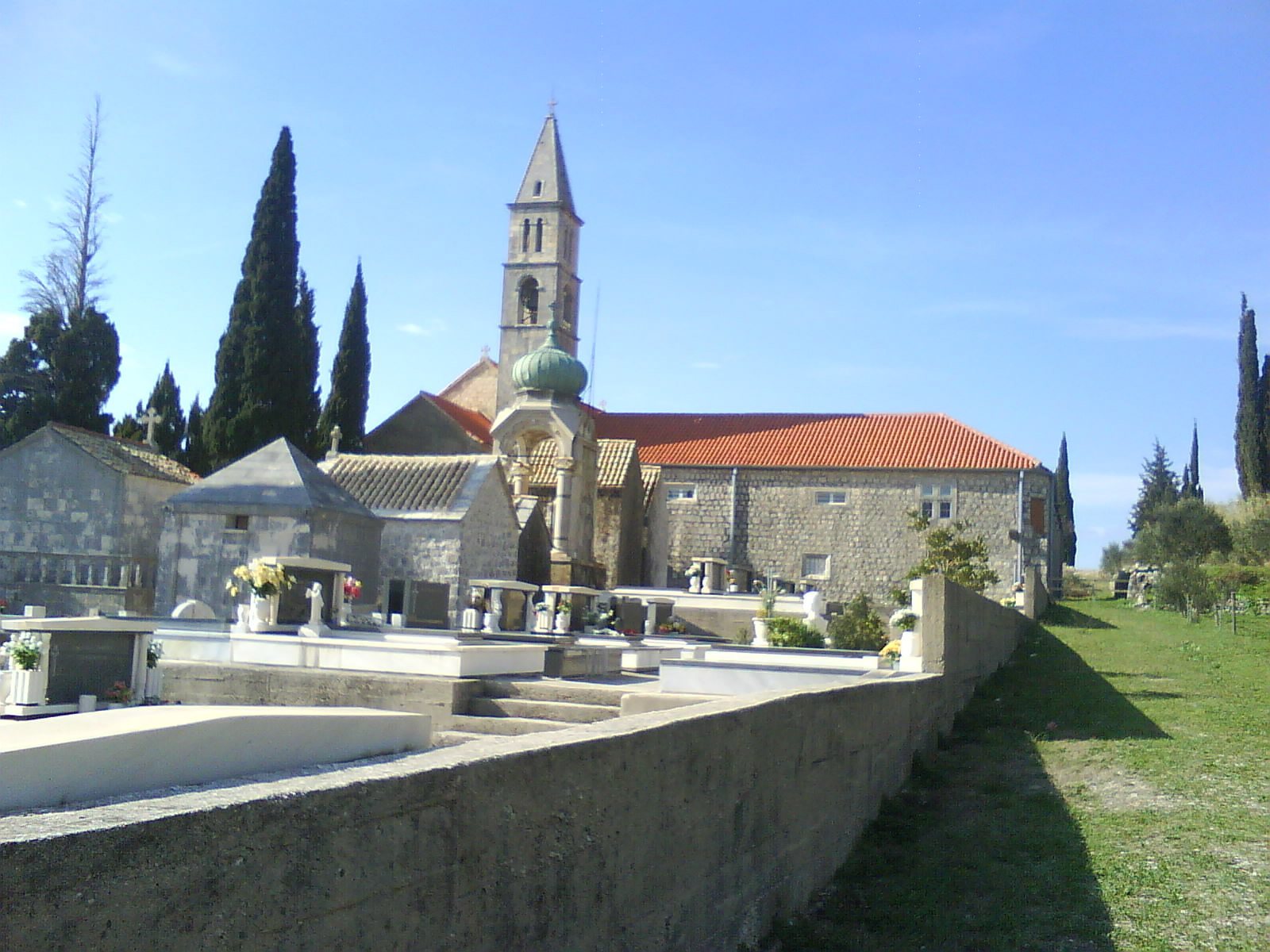
The complex stands about 152 metres above sea level, on a rise above a steep slope descending toward the Pelješac Channel, which separates the peninsula from Korčula. It overlooks the channel and the island, amid pine woodland and a cypress grove. The church has one main space for the congregation and a square choir, the area near the altar traditionally used by clergy or singers. Beside it, the single-storey monastery has four ranges forming a cloister, a covered walkway around a courtyard. The church follows Gothic-Renaissance design.
Church furnishings
Marian images and altarpiece
The church preserves two images of Mary with the Child: a marble relief by Thomas Fiamberti and a carved image by the Renaissance sculptor Niccolò di Giovanni Fiorentino. Its original furnishings also include an Assumption altarpiece associated with the Venetian school and attributed to Maffeo Verona.
Altars and devotional images
Altars are dedicated to Saint Francis, Saint Anthony of Padua, Saint Nicholas of Myra, and the souls in purgatory, understood in Catholic belief as undergoing purification after death before reaching heaven. Above the arch separating the main church space from the choir, a wall painting shows the monastery and a sailing ship passing by. The present Stations of the Cross, images used in prayer to recall Jesus’ path to crucifixion, date from the 1960s; earlier examples from the 18th century are preserved in a museum.
Cemetery
Immediately behind the church, a cemetery contains many graves belonging to seafaring families. Its ornate Mimbelli-family mausoleum was designed by Croatian sculptor Ivan Rendić. A marble statue of a girl with an overturned water jug represents the end of the family line. A legend connects that ending with a forbidden love affair involving Baldo Mimbelli, the son of a captain.