Orsa Church: A Medieval Parish Church in Sweden
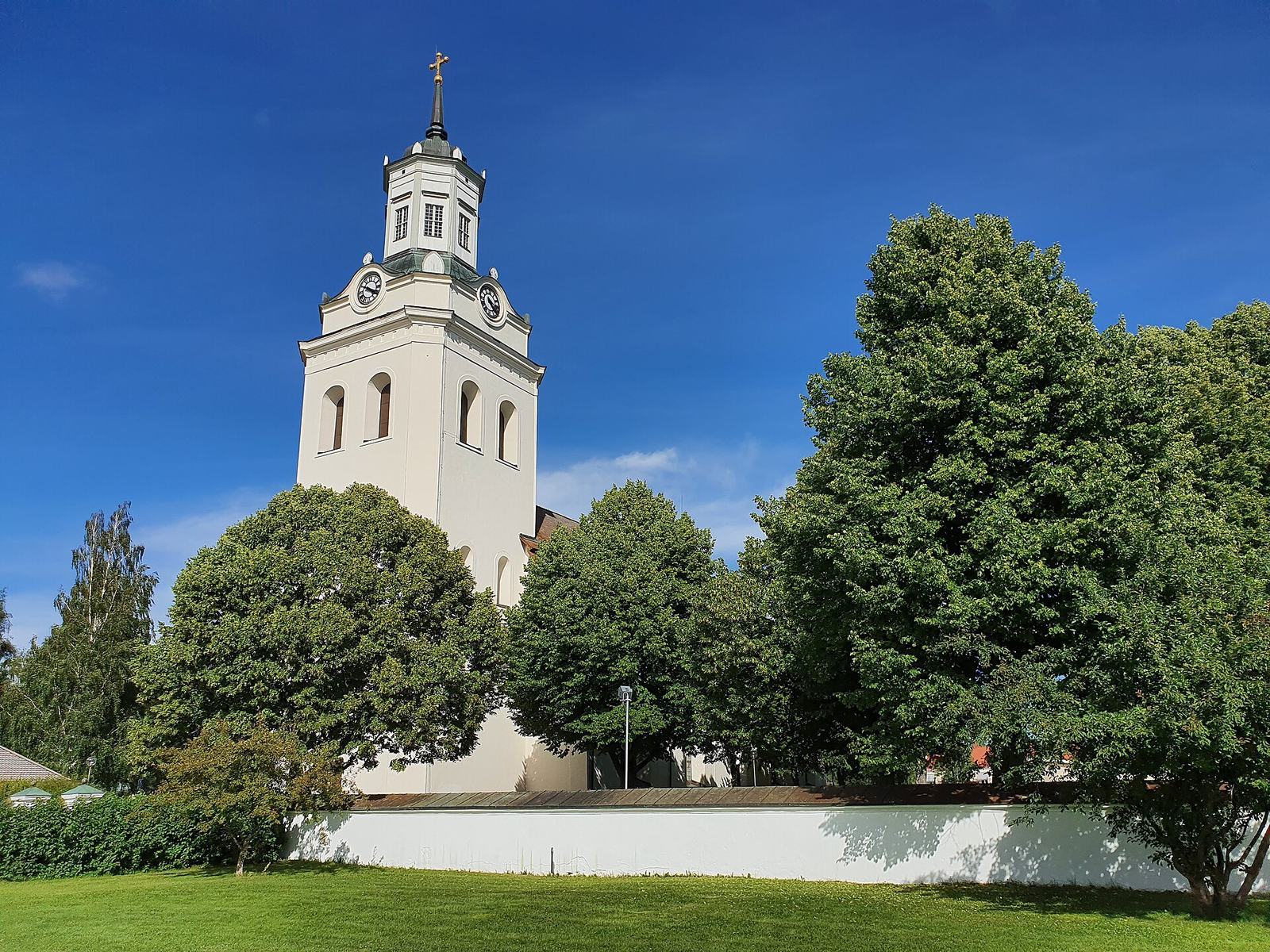
Site at a Glance
- Country
- Sweden
- Primary era
- Medieval
- Eras represented
- Medieval, Early Modern, Modern
- Civilizations
- Swedish
- Site type
- Religious
- Remains
- Church
On this page8 sections
History
Orsa Church is a Church of Sweden parish church in central Orsa, Sweden, whose first stone building dates to the 13th century. It belongs to Orsa parish within the Diocese of Västerås, a regional jurisdiction of the Lutheran Church of Sweden.
Medieval development
A timber stave church, framed by upright wooden posts, probably stood before the first stone church. Around 1300, the stone building was extended eastward, and a sacristy, a room for clergy preparation and church furnishings, was probably added. The church was widened to its present width in the mid-14th century, then enlarged to nearly its present size in the late 15th century, with the chancel still to be changed.
16th- to 18th-century changes
King Gustav Vasa confiscated an earlier church bell, and a replacement was cast. An organ was described as lost in an entry dated 12 March 1631; in 1683, an organ was again noted as gone. Work on a tower at the west end began in 1607, and it was completed in 1639, but its construction was judged inadequate.
The present chancel resulted from rebuilding between 1752 and 1755, directed by master builder Petter Schulzberg of Västerås. In 1755, the church acquired an oil painting of the Ascension, the Christian account of Jesus ascending into heaven. Two medieval altarpieces were given at the same time to the chapel that preceded Skattunge Church.
Later rebuilding and restoration
The inadequate tower was demolished and replaced in 1853. A major restoration in 1979 included reroofing and the creation of a small museum in one of the tower rooms. A chancel organ was also brought to the church during this work.
Remains
The church’s present layout combines a medieval core with a pentagonal chancel and a tower on the west side. A remnant of the original 13th-century stone church survives in one corner of the building.
Roof and floors
The existing roof framework is estimated to date from the 18th or 19th century. Some hewn timbers within it may come from around 1300, when the sacristy was probably added; hewn boards reused in the sacristy may also belong to that period. Limestone covers the front part of the floor, while the remainder is paved with sandstone from Orsa. Restoration work revealed two earlier floors, one of stone and one of brick.
Furnishings and bells
The baptismal font was cast in 1531, and its base is carved with dragon and horse heads. A bell of the same year hangs in the church porch. Three bells hang in the tower; they were cast in 1900 using metal from older medieval bells. The sacristy contains a 17th-century bridal chair and other furniture from the same period.
Organs
The gallery organ, positioned on an elevated gallery, was built by Åkerman & Lund in 1942. It includes several stops, groups of pipes selected to produce particular sounds, from organs dating to 1878 and 1916. Its visible front dates from 1916 and was extended at both sides in 1942. The chancel organ, situated in or near the area around the altar, was made by the organ-building firm Frederiksborg Orgelbyggeri.