Kalbak Tash: A Rock-Art and Runic Inscription Complex in Russia
Site at a Glance
- Popularity
- Medium
- Country
- Russia
- Primary era
- Medieval
- Eras represented
- Stone Age, Bronze Age, Iron Age, Classical, Medieval
- Civilizations
- Unclassified
- Site type
- Civic
- Remains
- Rock Art
On this page4 sections
History
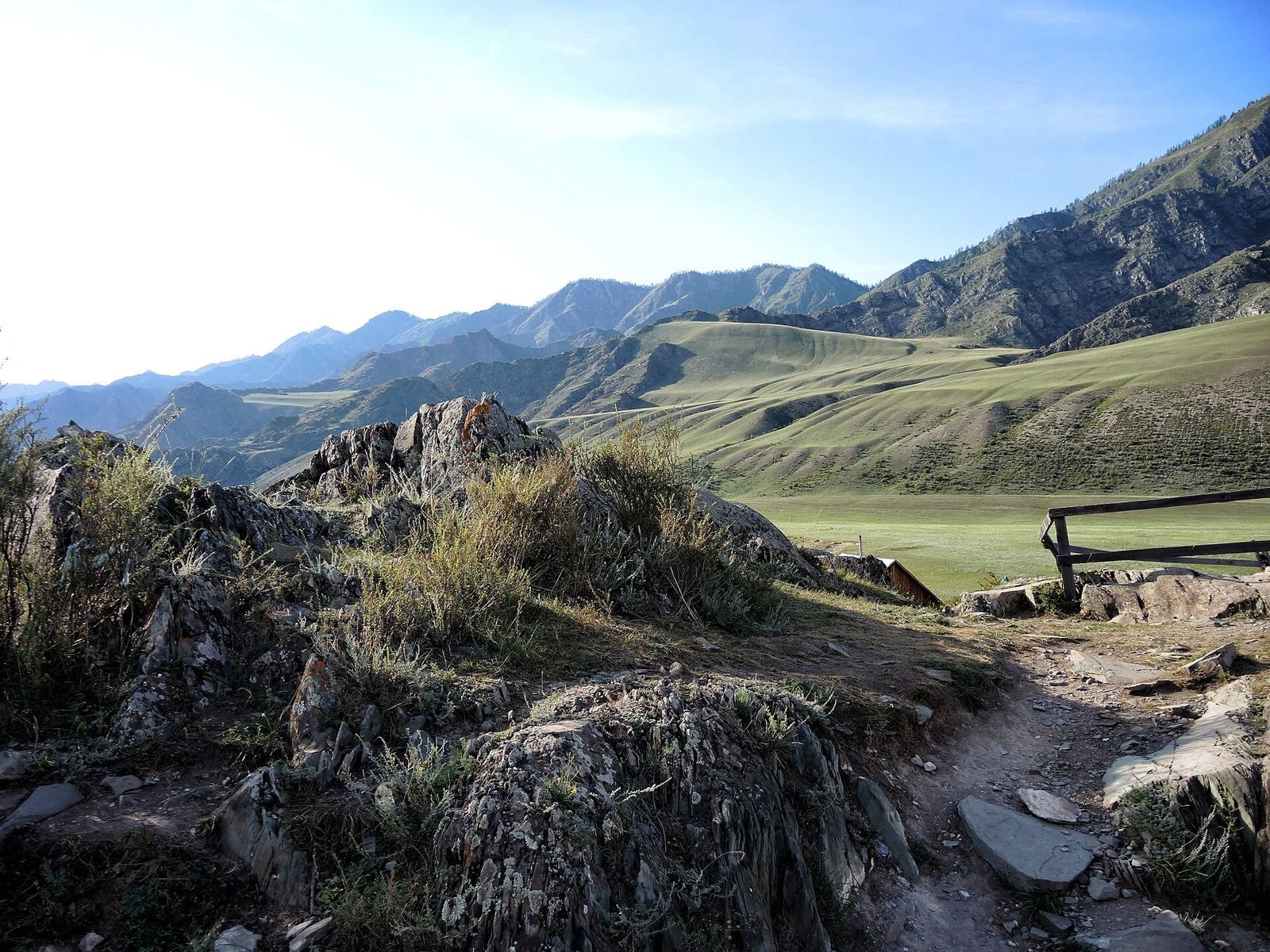
The Kalbak Tash petroglyphic complex is a rock-art site on the right bank of the Chuya River in Ongudai District, Altai Republic, Russia. It is also known as Tyalbak-Tash. Its carvings span the Neolithic, a prehistoric period associated in many regions with farming and settled communities, through the ancient Turkic period, a broad term for early Turkic peoples and cultures.
In 2003, Kalbak Tash was designated a cultural heritage property of federal significance in Russia.
Remains
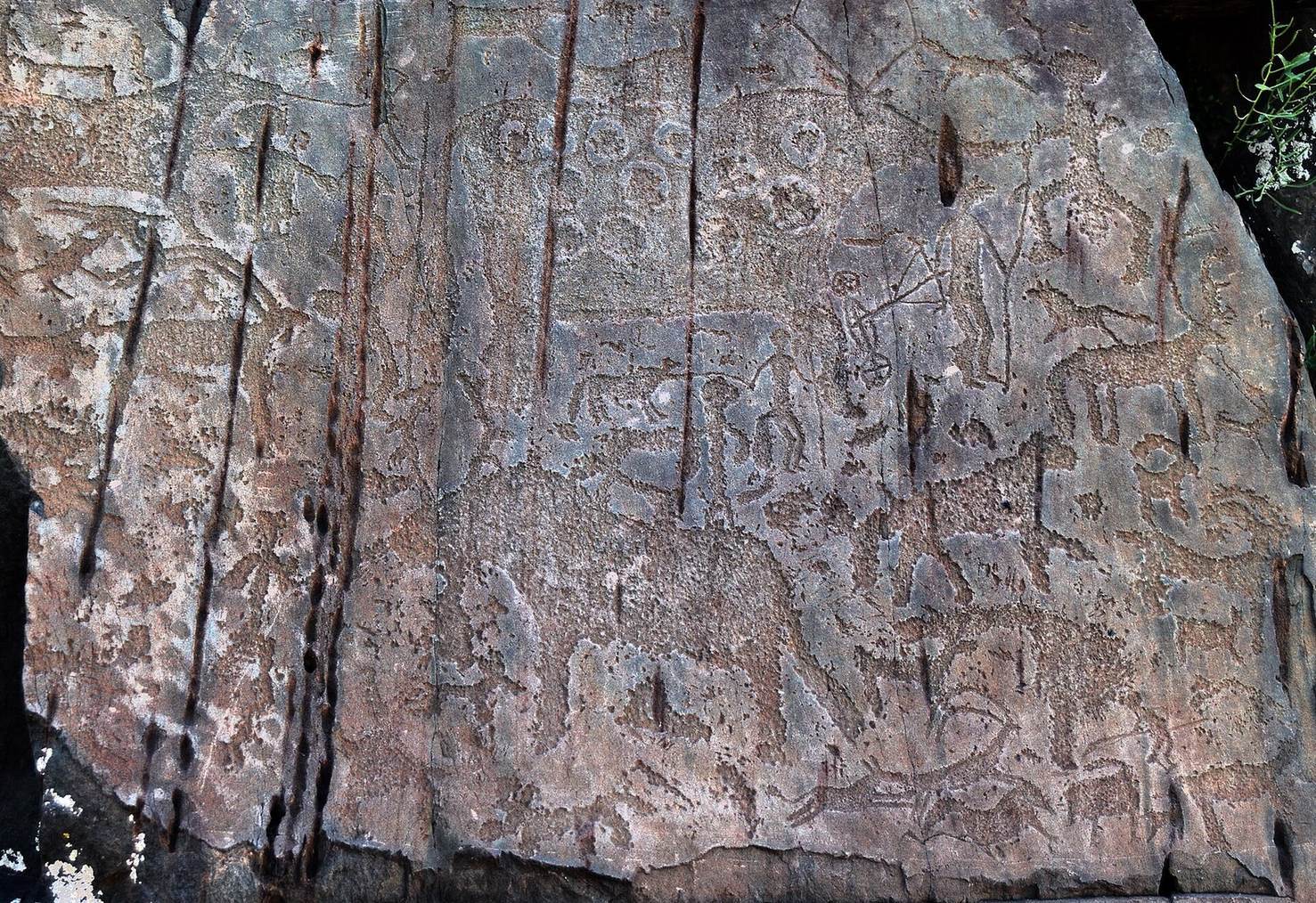
The archaeological complex includes a fenced area containing the rock-art gallery. Its images and inscriptions are carved directly into rock.
Rock engravings
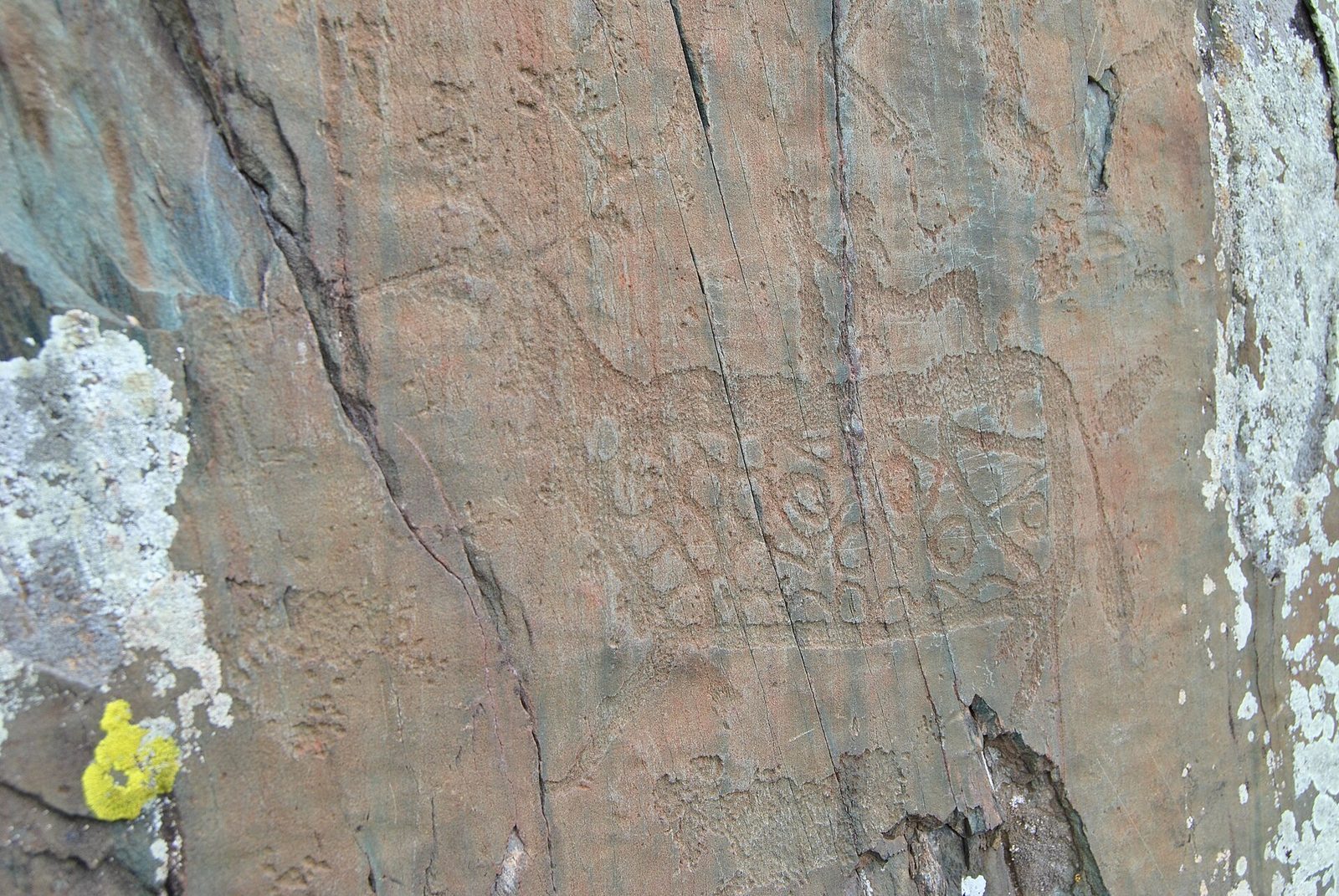
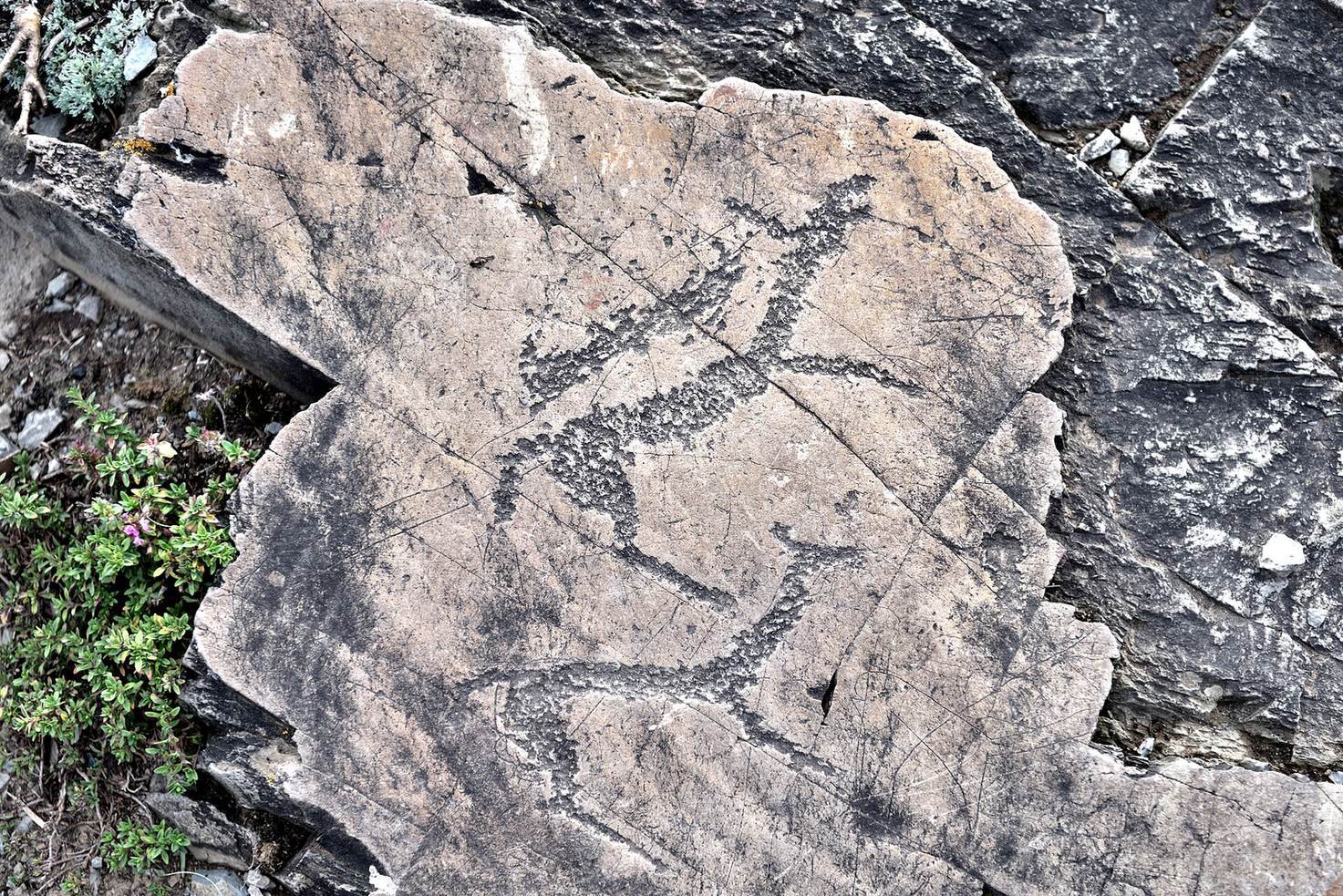
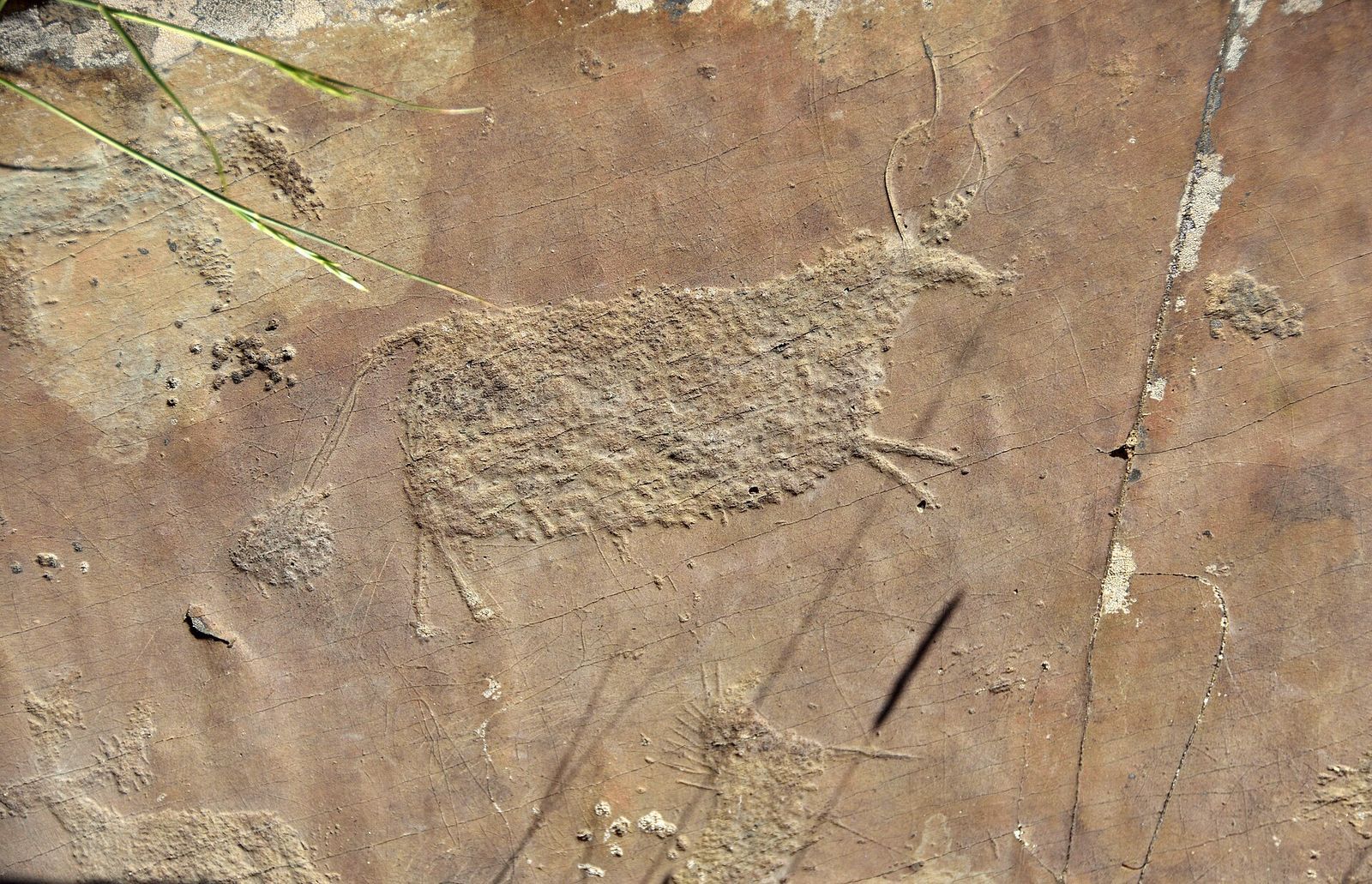
The carvings include human figures, sun-related designs, and animals such as deer or reindeer, horses, and cattle. Other images include a galloping animal and a symbol associated with shamanism and Tengriism, a tradition centered on Tengri, a sky deity. The engravings were made with stone and metal tools.
Runic inscriptions
Thirty lines of carved Turkic writing form Russia’s largest concentration of runic inscriptions. They use the Talas script, a Turkic writing system related to the Yenisei and Orkhon traditions. Russian archaeologist and scholar of ancient Turkic inscriptions I. L. Kyzlasov translated the texts. His translations include a healing invocation asking for a herbal healer’s home to be blessed and fever driven out, the words “Believe and cleanse yourself!”, an appeal to a father to descend, and a statement that the disappearance of the sick would confuse beings on the Eternal Earth.