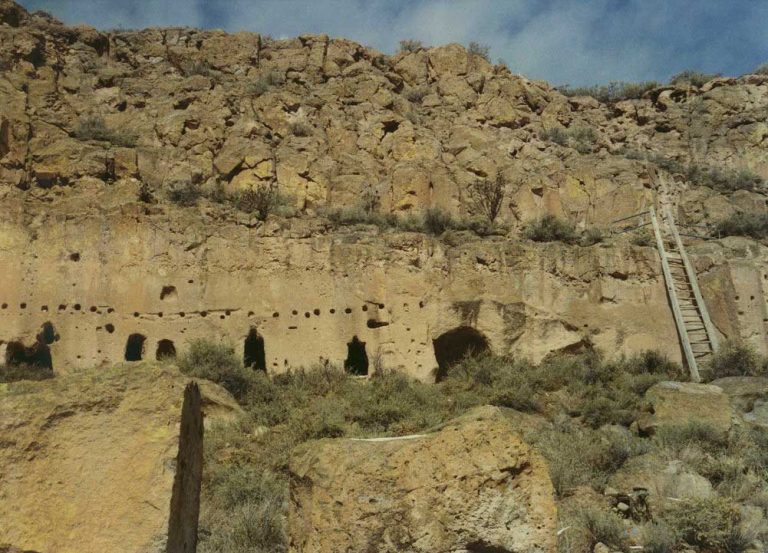
Jemez Historic Site: Gíusewa Pueblo and San José de los Jémez Mission
Site at a Glance
- Rating
- 4.7
- Popularity
- Low
- Country
- United States
- Primary era
- Early Modern
- External website
- Open
- Eras represented
- Medieval, Early Modern
- Civilizations
- Spanish
- Site type
- Religious
- Remains
- Church
On this page9 sections
History
Jemez Historic Site, in Jemez Springs, New Mexico, United States, preserves the remains of the Jemez-built Gíusewa Pueblo and the Spanish Franciscan mission of San José de los Jémez, dating from the 16th and 17th centuries. The site is regarded as an ancestral place of the nearby Jemez Pueblo community and preserves evidence of Indigenous life alongside Spanish colonial missionary activity.
Gíusewa Pueblo before the mission
Gíusewa Pueblo was probably established during the second half of the 15th century. Spanish explorers first described it in 1581, when the expedition led by Chamuscado and friar Agustín Rodríguez entered the region as part of efforts to evangelize Indigenous communities. Pueblo peoples are Indigenous communities of the American Southwest whose settled villages traditionally used masonry or adobe construction.
A small mission apparently stood beside the pueblo by 1598, when friar Alonso de Lugo established it. The Jemez continued to occupy Gíusewa during the mission period, maintaining their own community and building a square kiva within part of the mission compound. A kiva was a Pueblo ceremonial and communal chamber, and the square form at Gíusewa differs from the circular form more often associated with such spaces.
Construction and abandonment of San José de los Jémez
Construction of the surviving mission complex began in 1621 under friar Gerónimo de Zárate, with support from Esteban de Perea, the Franciscan custodian responsible for supervising an administrative missionary district. Jemez people carried out the building work. The church was completed in 1623, but fire damaged it soon afterward. Additional work followed in 1625 and 1626.
Franciscan friars, members of a Catholic religious order that established missions among Indigenous communities in Spanish colonial territories, continued efforts to convert the Jemez until about 1639. The mission apparently never had a permanently settled priest. It was abandoned around 1640 amid the killing of priests at Hawikuh and Awatovi, shortages of resources, and the lack of priests available to continue the mission. A later mission, San Diego, was established farther south at Pueblo de Jemez, or Walatowa.
The pueblo itself remained occupied until 1680, when the Jemez joined the Pueblo Revolt. This large Indigenous uprising expelled Spanish authorities and missionaries from much of New Mexico until the Spanish reconquest in 1692. The population of the Jemez had already declined after the mission period, while the abandoned church and pueblo gradually deteriorated.
Investigation and preservation
The church roof eventually collapsed, and portions of its walls fell. Major archaeological investigations took place in 1910 and 1922, when stabilization of some remains began and the state acquired the land. The site became a state monument in 1935, entered the National Register of Historic Places in 1973, and was designated a National Historic Landmark in 2012. It is also operated as a New Mexico historic site.
Later restoration and conservation stabilized exposed structures and reduced erosion. Excavation, stabilization, and preservation have included backfilling or applying plaster to some pueblo areas to protect them from weathering.
Remains
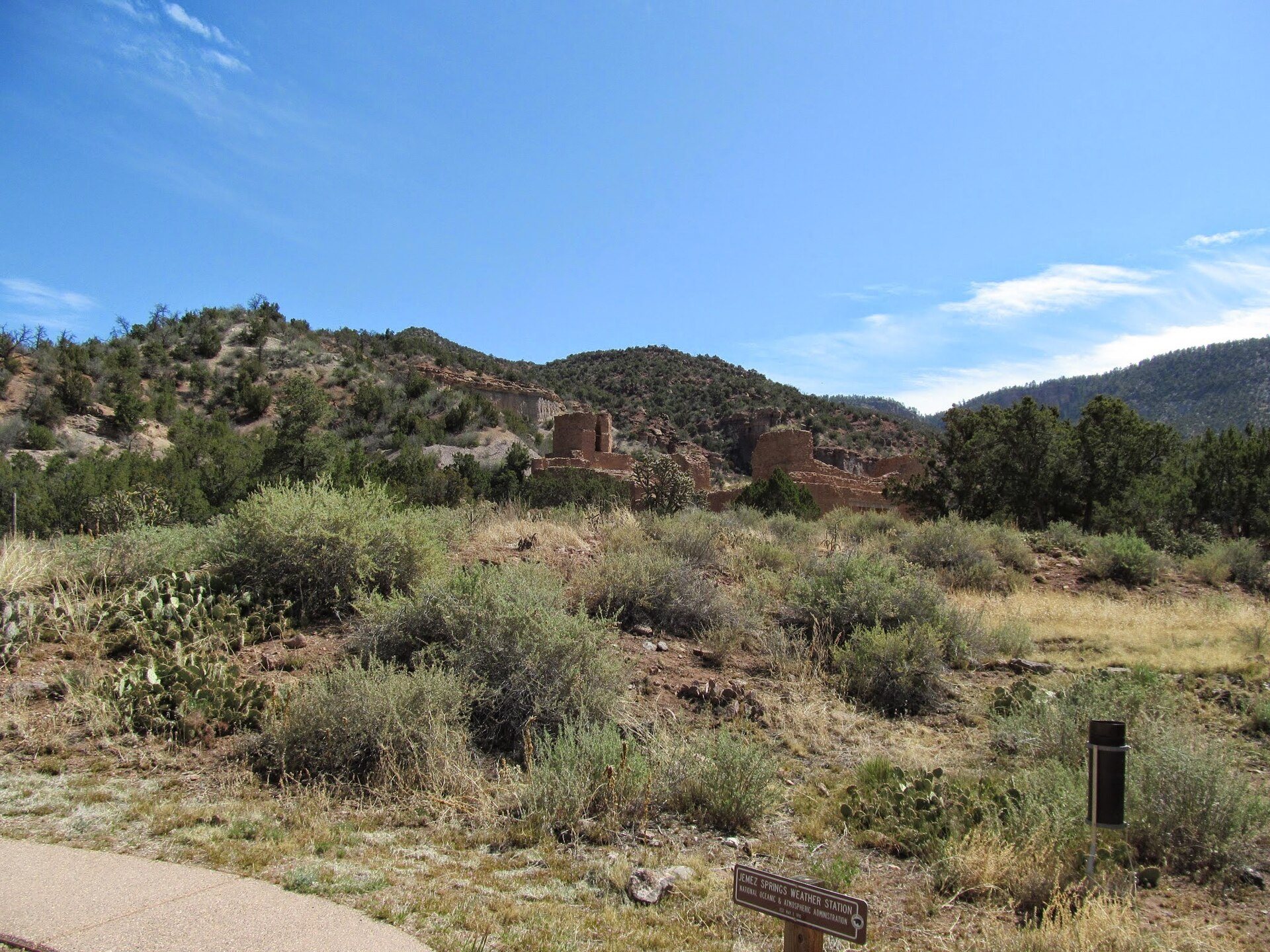
The site covers about 6 acres, or 2.4 hectares, in the Jemez River valley north of Jemez Springs, near the mouth of Church Canyon. The mission compound and the adjacent Gíusewa Pueblo form the principal archaeological areas. The mission includes the surviving church walls, foundations probably belonging to a priest’s residence, and another Spanish foundation probably associated with a civic building. A small plaza and cemetery lie south of the church.
Mission compound
San José de los Jémez Mission Church
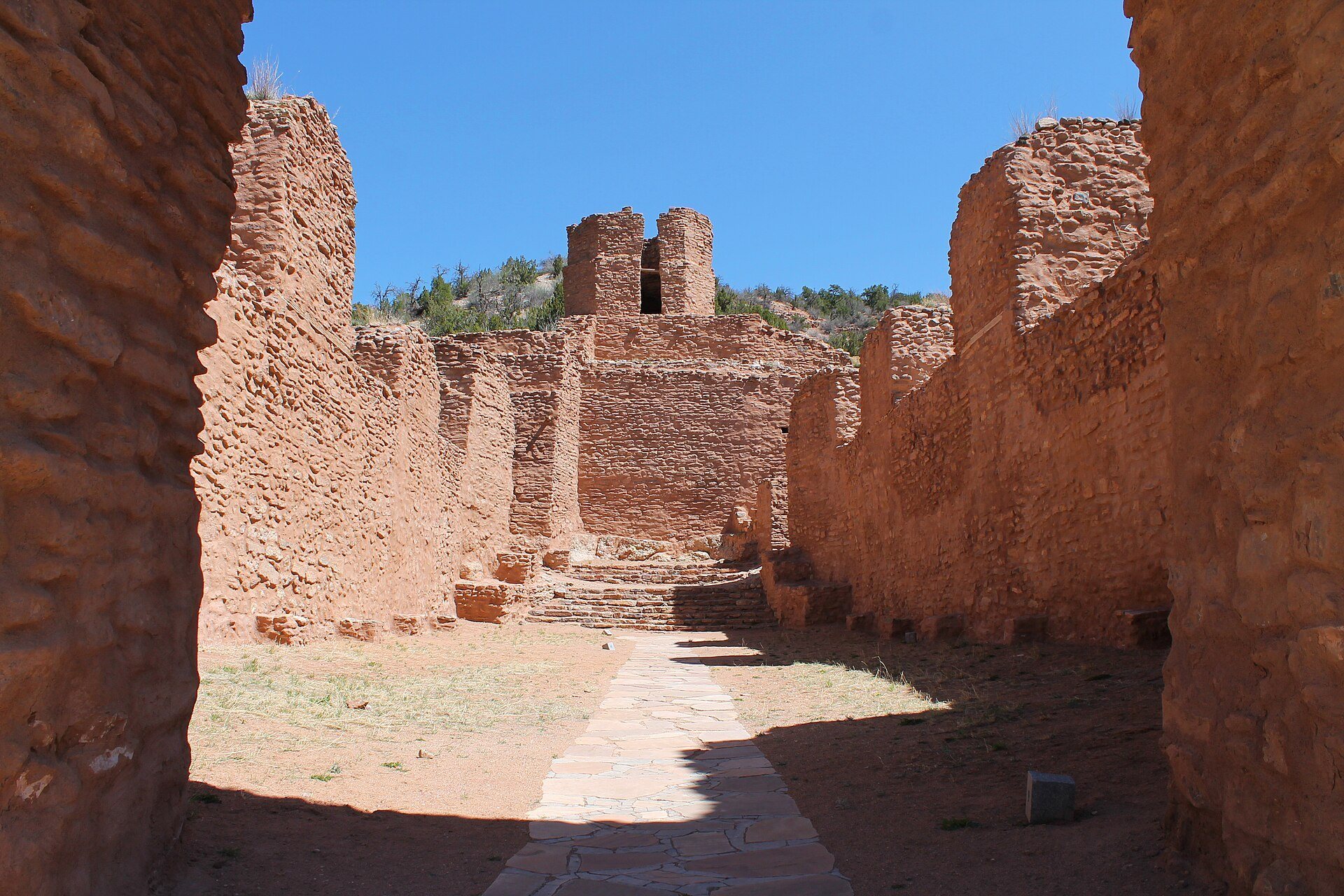
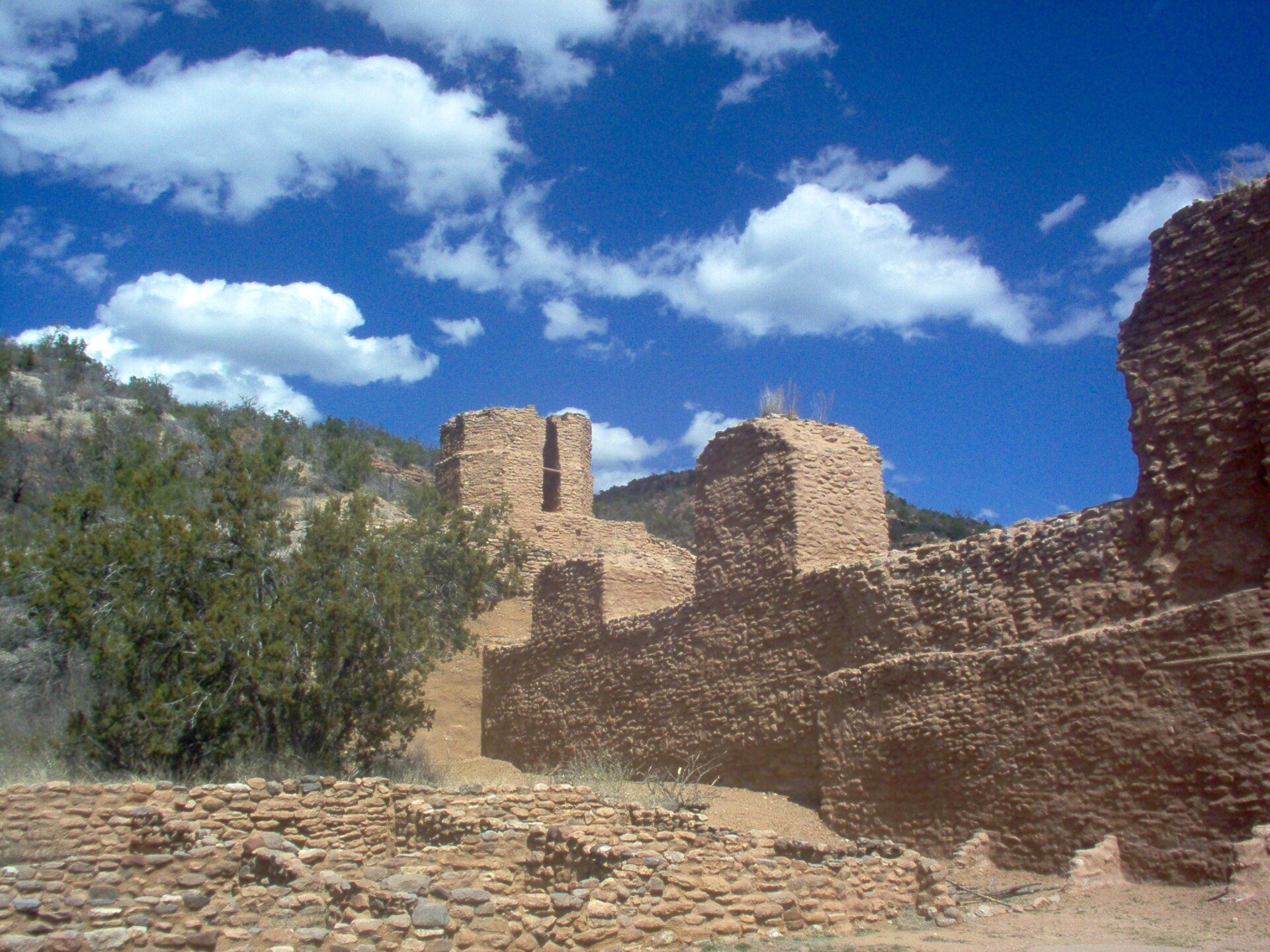
The church is about 110 feet, or 34 meters, long, making it one of the largest known 17th-century mission churches in New Mexico. Its walls were built mainly from limestone, with some sandstone and volcanic tuff. At their bases, the walls measure between 6 and 7 feet, or 1.8 and 2.1 meters, thick. Sections retain traditional mud-plaster finishes, while the wall tops have received partial restoration and preservation treatment to limit erosion.
Associated mission structures
Foundations beside the church probably belonged to a priest’s residence and to a separate Spanish civic building. Together with the small plaza and cemetery south of the church, these remains define the principal arrangement of the mission compound.
Gíusewa Pueblo
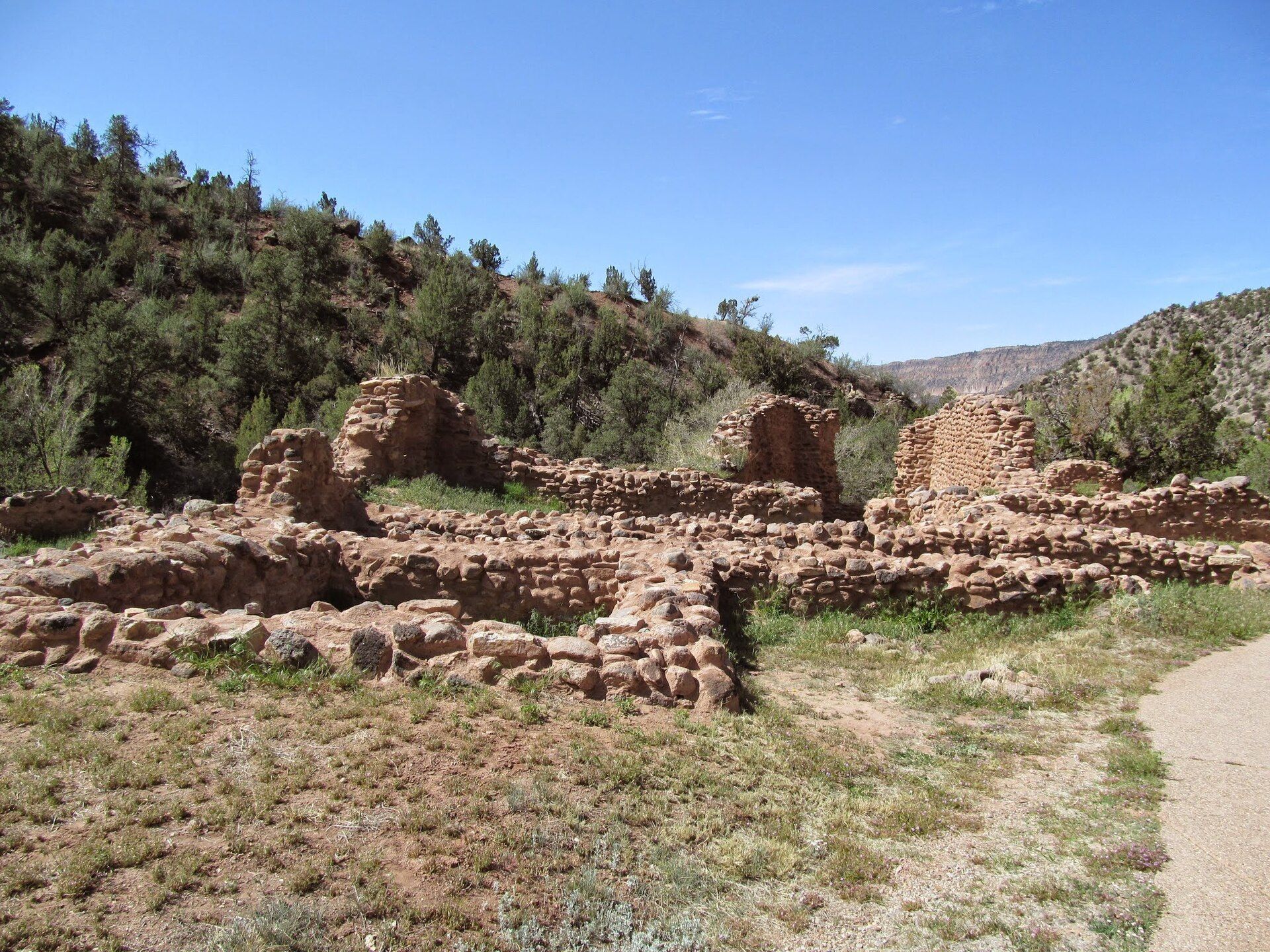
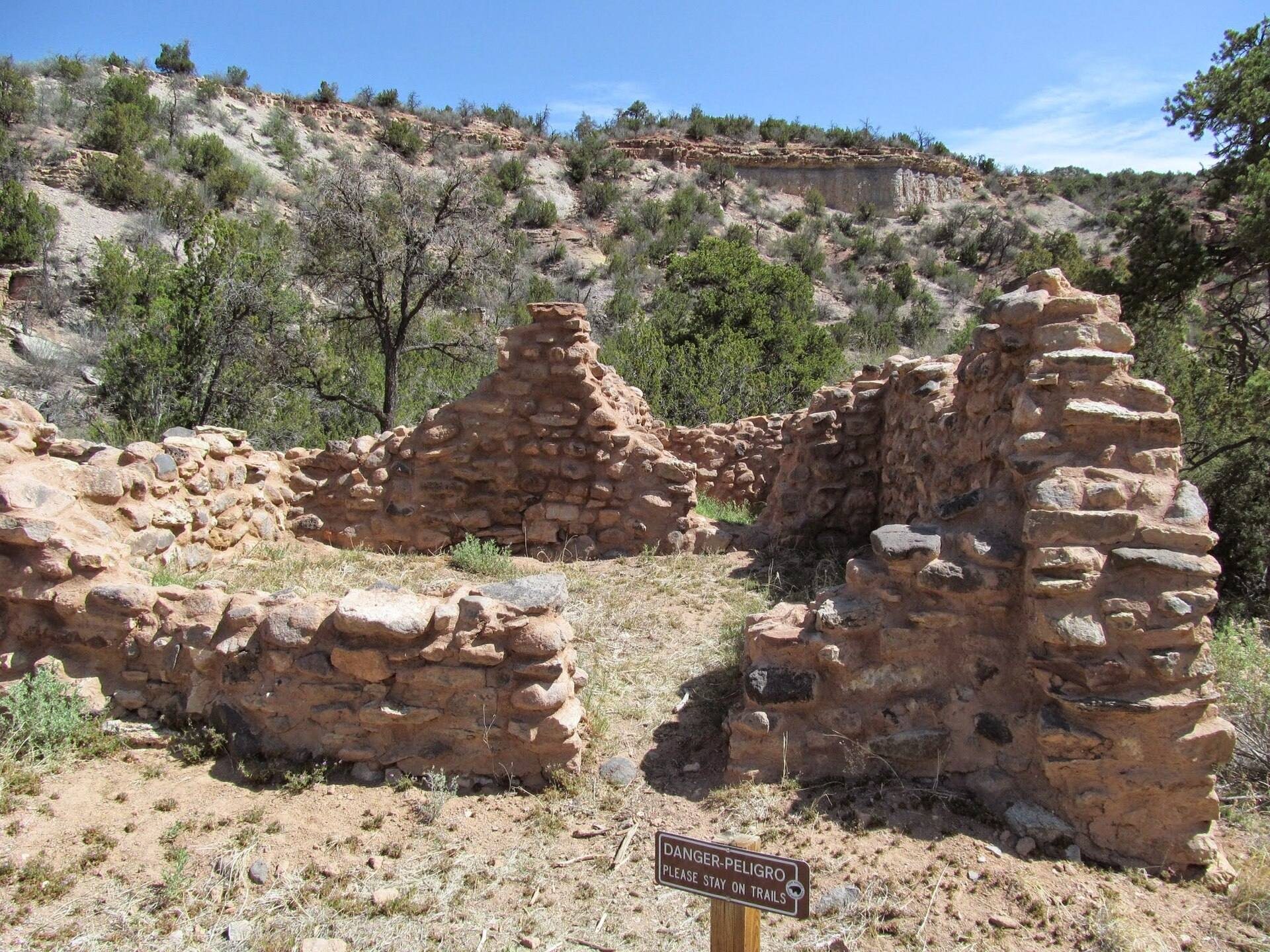
Next to the mission are the remains of a medium-sized pueblo estimated to have contained about 200 rooms arranged in five blocks. The settlement included two kivas and probably originally resembled surviving pueblos such as Taos Pueblo. At Gíusewa, the kivas are square or rectangular. One square kiva was built within the mission compound while the Jemez continued to occupy the pueblo.
Some pueblo areas have been excavated, while others have been backfilled or covered with plaster to limit erosion and weather damage. Excavated artifacts from the site are held at the Museum of New Mexico History in Santa Fe.