Fort Nieuw-Amsterdam: A Dutch Colonial Defense Fort in Suriname
Site at a Glance
- Popularity
- Medium
- Country
- Suriname
- Primary era
- Early Modern
- Eras represented
- Early Modern, Modern
- Civilizations
- Dutch
- Site type
- Military
- Remains
- Fort
On this page12 sections
History
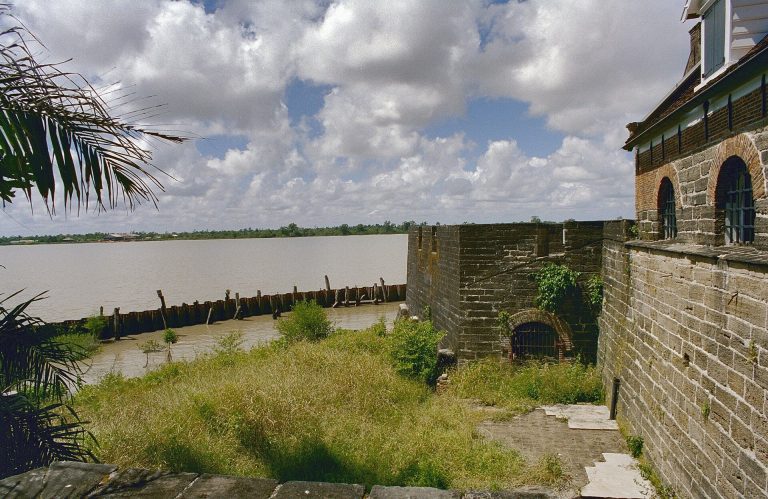
Fort Nieuw-Amsterdam is a Dutch colonial fort in Suriname, where the Suriname and Commewijne rivers meet near the Atlantic estuary. Built from 1734 to 1747, it was intended to defend agricultural lands along the rivers and help protect Paramaribo from naval attack. Its construction followed a successful French assault in 1712 on plantations near Fort Zeelandia, a Dutch fort at Paramaribo.
Construction and colonial defense
The Society of Suriname initiated the project. Founded in 1683 by three partners, including the city of Amsterdam, the Society aimed to earn profits by supporting and defending the colony. Governor-General Jacob Alexander Henry de Cheusses ordered construction and laid the first stone in December 1734. The Society supplied resources and hired engineers, while the colony provided tools and building materials. Enslaved people carried out the labor.
Construction was difficult in the local environment. The clay was too salty and wet for making suitable bricks, so bricks came from the Netherlands, including on ships that also carried enslaved Africans. Marshy ground could not bear heavy masonry walls, and in 1735 builders chose an earth rampart topped by a defensive fence of upright stakes, called a palisade. Buildings and bridges required repeated repairs as they deteriorated in the tropical climate, and the fort’s design did not always suit local conditions.
British control and changing uses
British forces took the fort in 1799 and again in 1804, on both occasions without a fight. It remained under British control until 1816, except for a brief interruption. Its military importance declined during the nineteenth century, and it became a prison in 1863. Some barracks were converted into prison accommodation in 1872. On 1 February 1907, it formally ceased to function as a defense work, and the district administration of Commewijne moved into the fort.
During the Second World War, American forces used the fort to support security for bauxite mining in the upper Suriname region, including operations at Moengo and Patanam. The prison held 146 people from the Dutch East Indies, the Dutch colonial territory in the Indonesian archipelago, suspected of supporting the National Socialist Movement, a Dutch political movement. Several German sailors from the sunken ship Goslar were also imprisoned there. Harsh prison conditions persisted through 1955, with prisoners kept in dark cells and largely neglected. International prison-treatment guidelines prompted an end to those conditions and led to the construction of the Santo Boma prison complex. Fort Nieuw-Amsterdam remained Suriname’s only prison until 1967.
Restoration and museum use
A major restoration of the fort buildings took place in 1965, and an open-air museum was established there in 1968. The site fell into disrepair during the 1980s. It was recognized as a national monument in 2005 and renovated with Dutch support in 2007.
Remains
Fortifications
The fort covers about 20 hectares and has a regular five-sided plan, with five projecting defensive sections called bastions. Their names refer to five Dutch provinces. An earth rampart topped by a palisade formed the defenses. A ditch between the inner wall and rampart was crossed by a drawbridge; a water-control gate, or sluice, regulated the water level so the ditch could be flooded to form a moat.
Buildings, weapons, and production
Buildings and powder stores
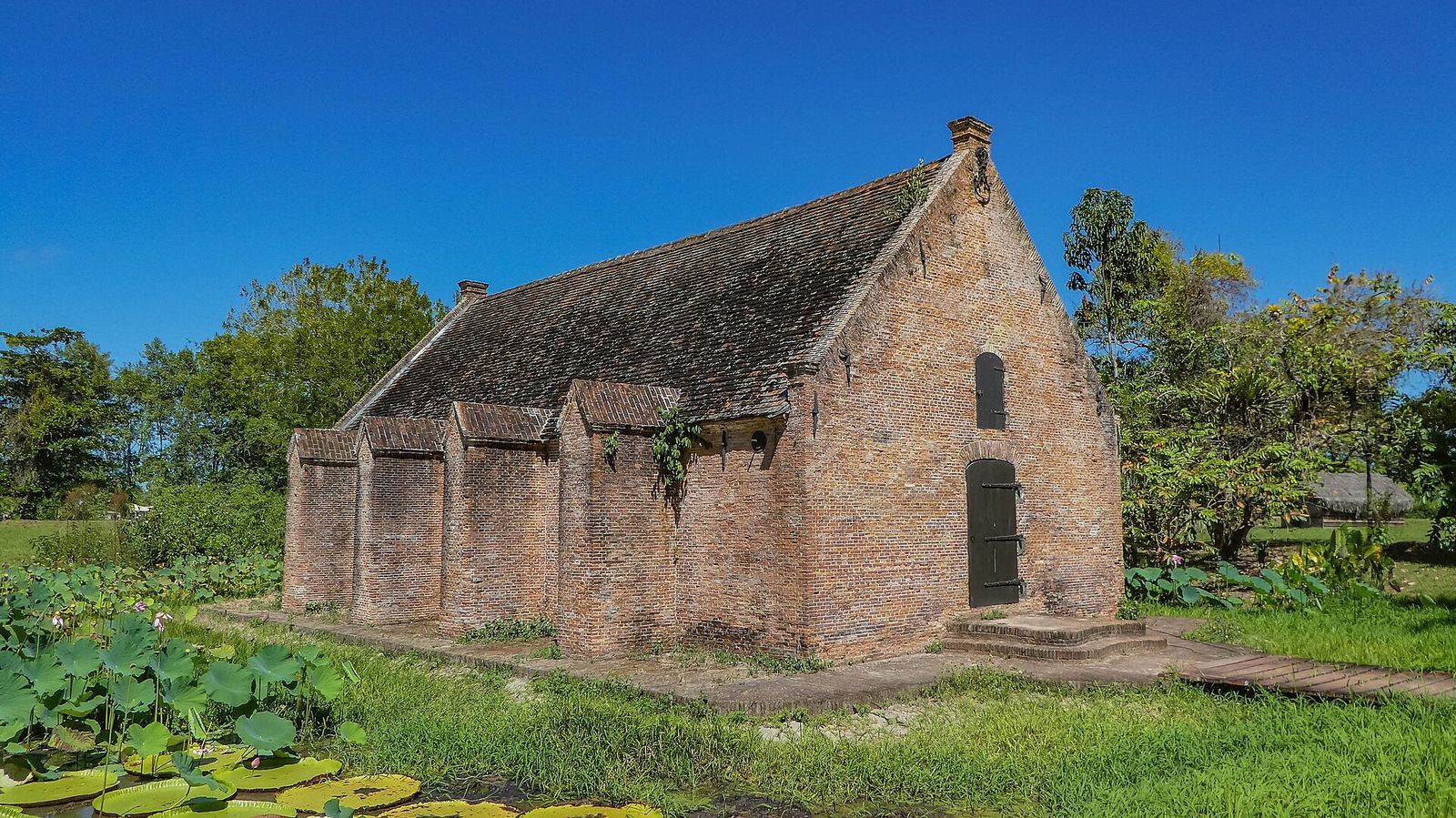
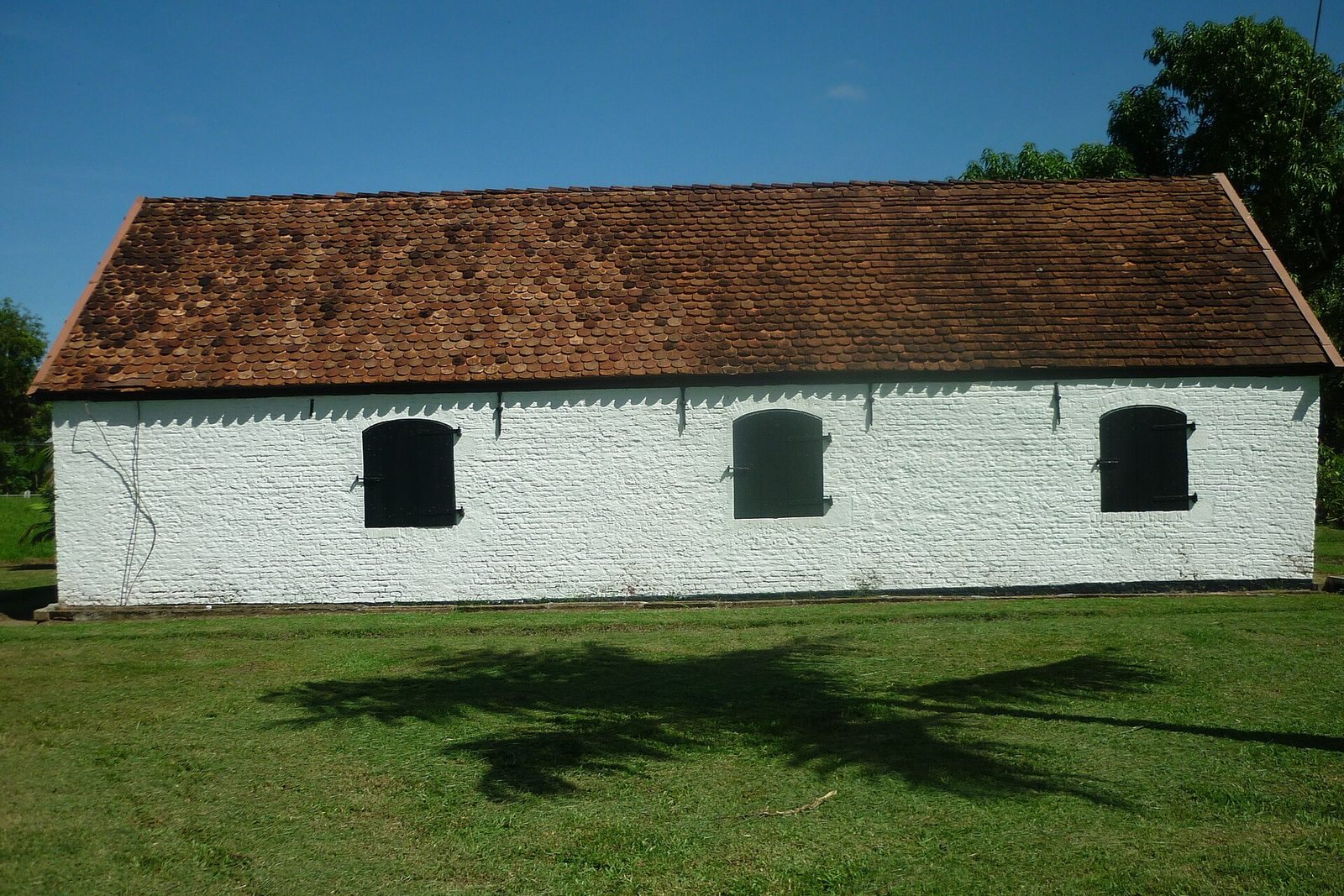
The fort’s buildings included barracks, officers’ houses, guardhouses, a carpentry shed, a forge, a brick kiln, a windmill, and several water reservoirs. Its two powder stores date to 1740 and 1778. The first was too small for its purpose and was converted into an artillery laboratory after the larger store was built. Damp conditions also made the brick store unsuitable for keeping gunpowder.
Artillery and sugar production
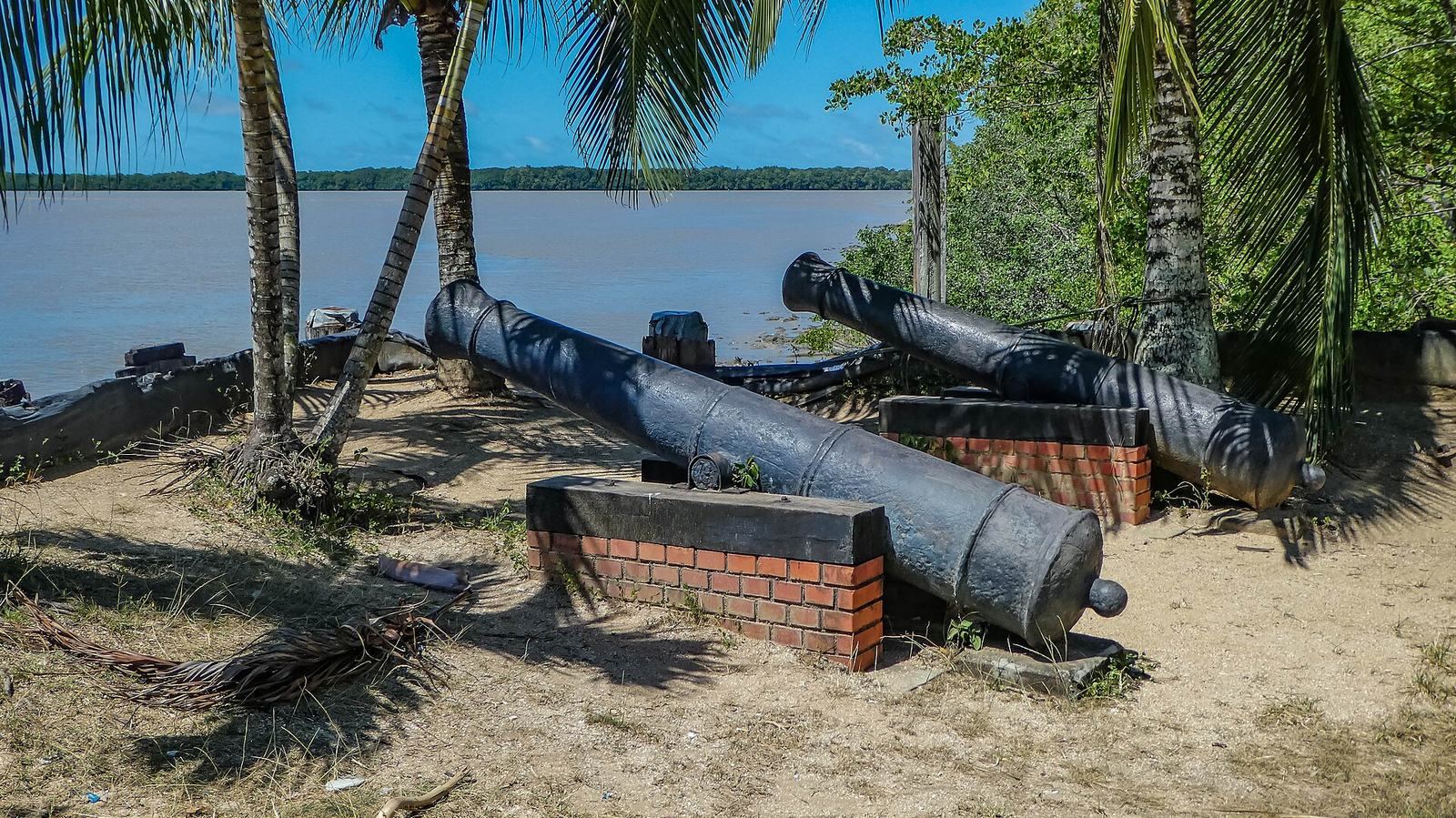
Several cannons remain at the site, including one dated to 1722. American naval guns were installed during the Second World War, and large guns are still present. Two large cauldrons, called kappas, were used to boil sugarcane during sugar production.
Museum and grounds
Former prison and museum
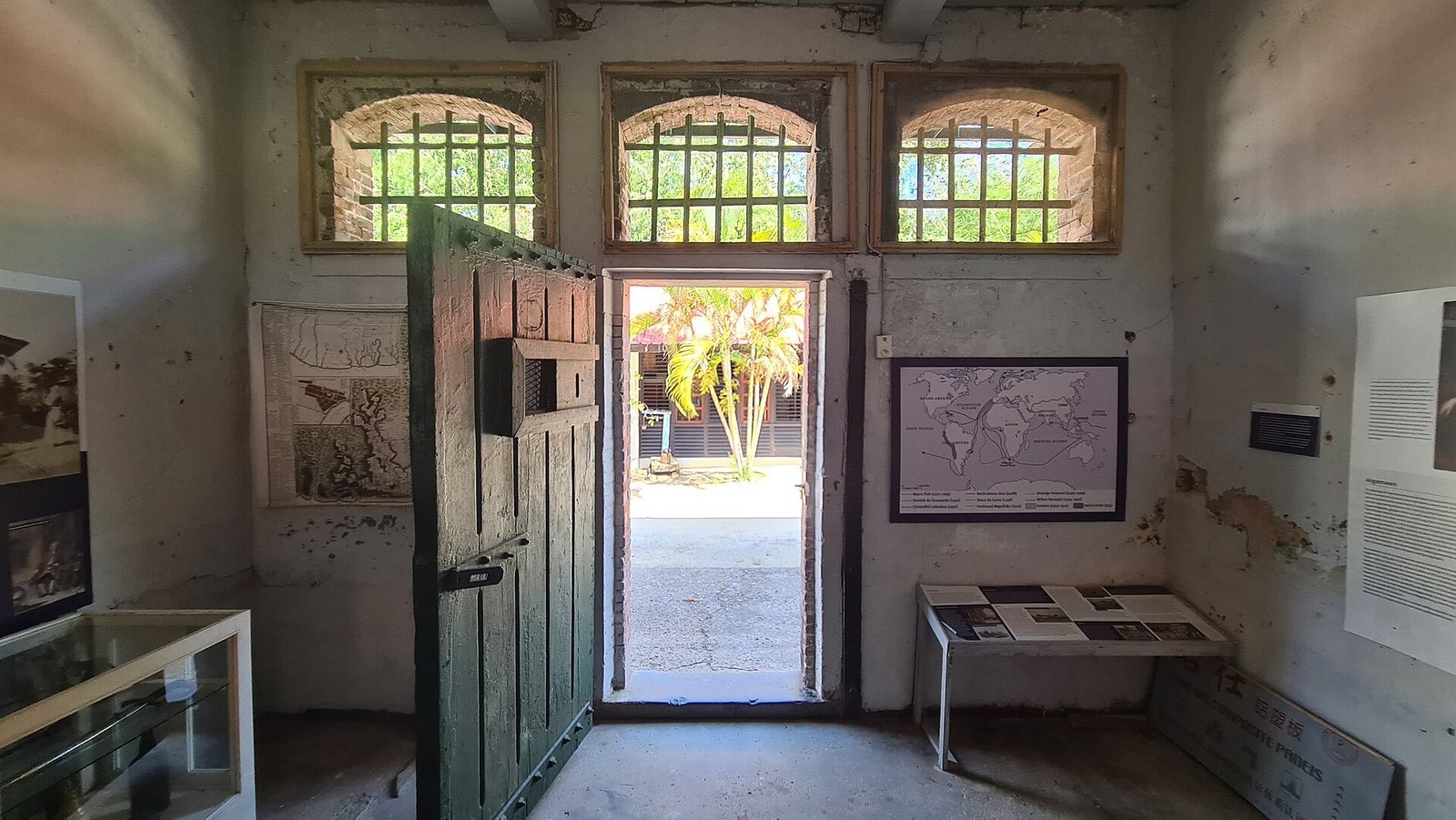
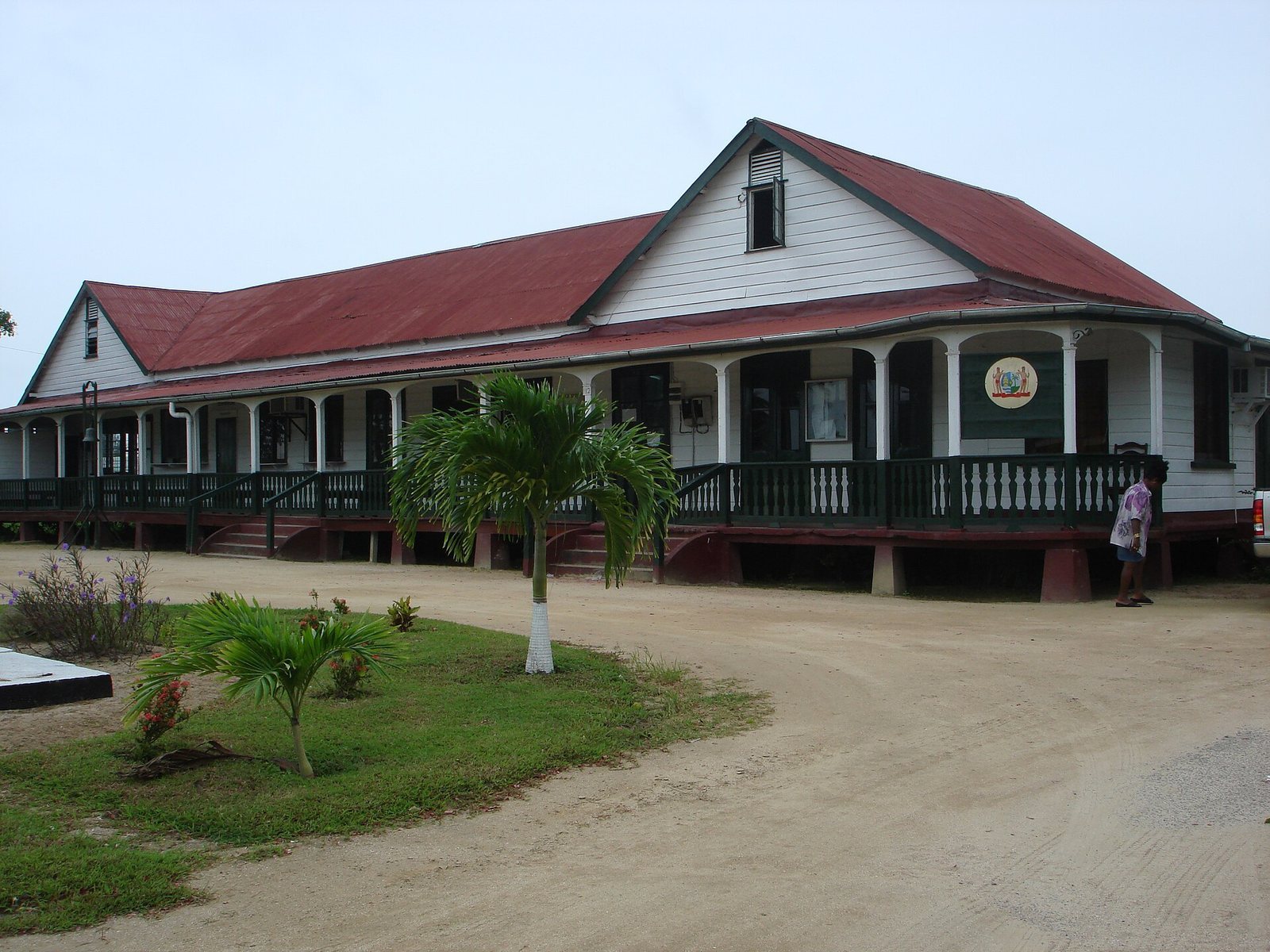
The open-air museum occupies roughly half of the fortified area. Its main building is the former prison, where original cells survive. Exhibits cover the fort, plantations, the transatlantic slave trade, and the Ashanti Kingdom, a historic West African kingdom from which enslaved people were brought.
Other features on the grounds
The grounds include a nineteenth-century carriage house and a lighthouse dating to 1905. A plantation north of the fort was established in 1986 to recreate historical plantations. In front of the museum, a monument commemorates the arrival of the first Chinese laborers in 1835.