Fort Frederik: A Danish Colonial Harbor Fort on St. Croix
Site at a Glance
- Country
- United States
- Primary era
- Early Modern
- Eras represented
- Early Modern
- Civilizations
- Denmark–Norway
- Site type
- Military
- Remains
- Fort
On this page4 sections
History
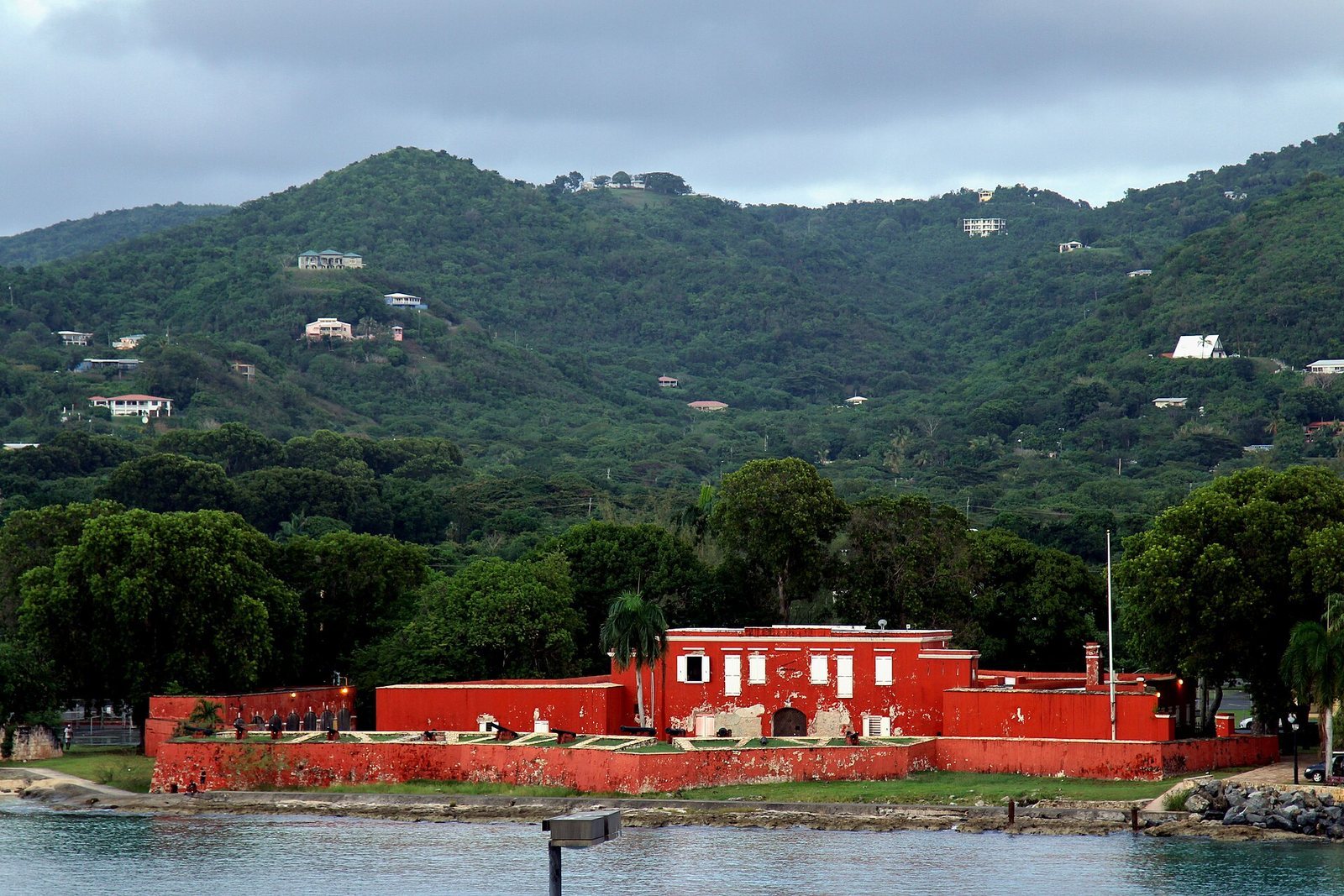
Fort Frederik is a Danish colonial coastal fort at the north end of Frederiksted on St. Croix in the United States. Denmark–Norway built it between 1752 and 1760 to protect the harbor’s economic interests.
Colonial defense and the 1776 salute
The fort was built during the reign of Frederick V, king of Denmark–Norway, a dynastic union of Denmark and Norway. Its defenses were intended to deter pirates and cover the harbor’s anchorages. A customs house alone could not stop ships from leaving at night without clearance papers or payment of their dues.
In 1776, the fort fired the first salute to the new United States from foreign soil, honoring the American flag raised aboard a brigantine in Frederiksted’s harbor. The salute breached Denmark–Norway’s neutrality, but was considered appropriate amid friendly relations fostered by the islands’ assistance to British colonists in America.
Emancipation and heritage recognition
On 3 July 1848, Danish West Indies governor-general Peter von Scholten proclaimed the emancipation of enslaved people from the fort. John Gottliff, also known as Buddhoe, had led thousands of Black people in a freedom march to Frederiksted. At the time, St. Croix had 17,000 enslaved people and 5,000 free Black residents.
Fort Frederik is a contributing property of the Frederiksted Historic District, designated in 1976. It was added individually to the U.S. National Register of Historic Places in 1996 and became a National Historic Landmark in 1997.
Remains
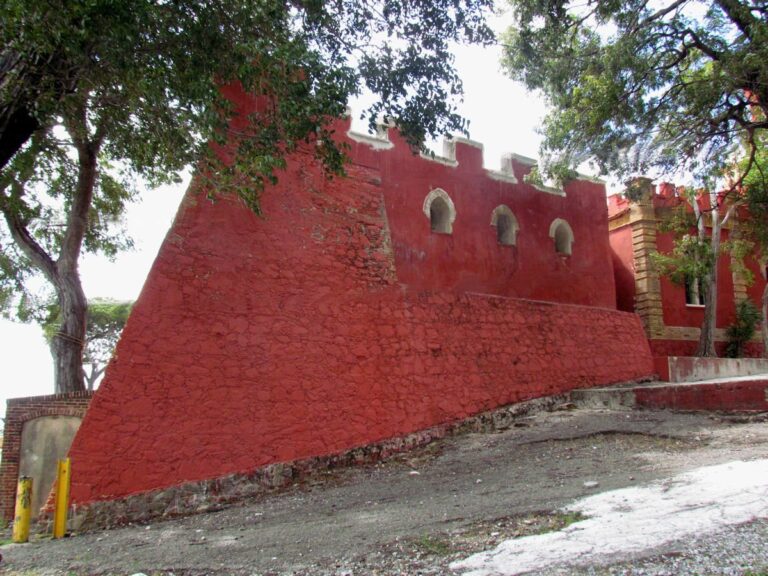
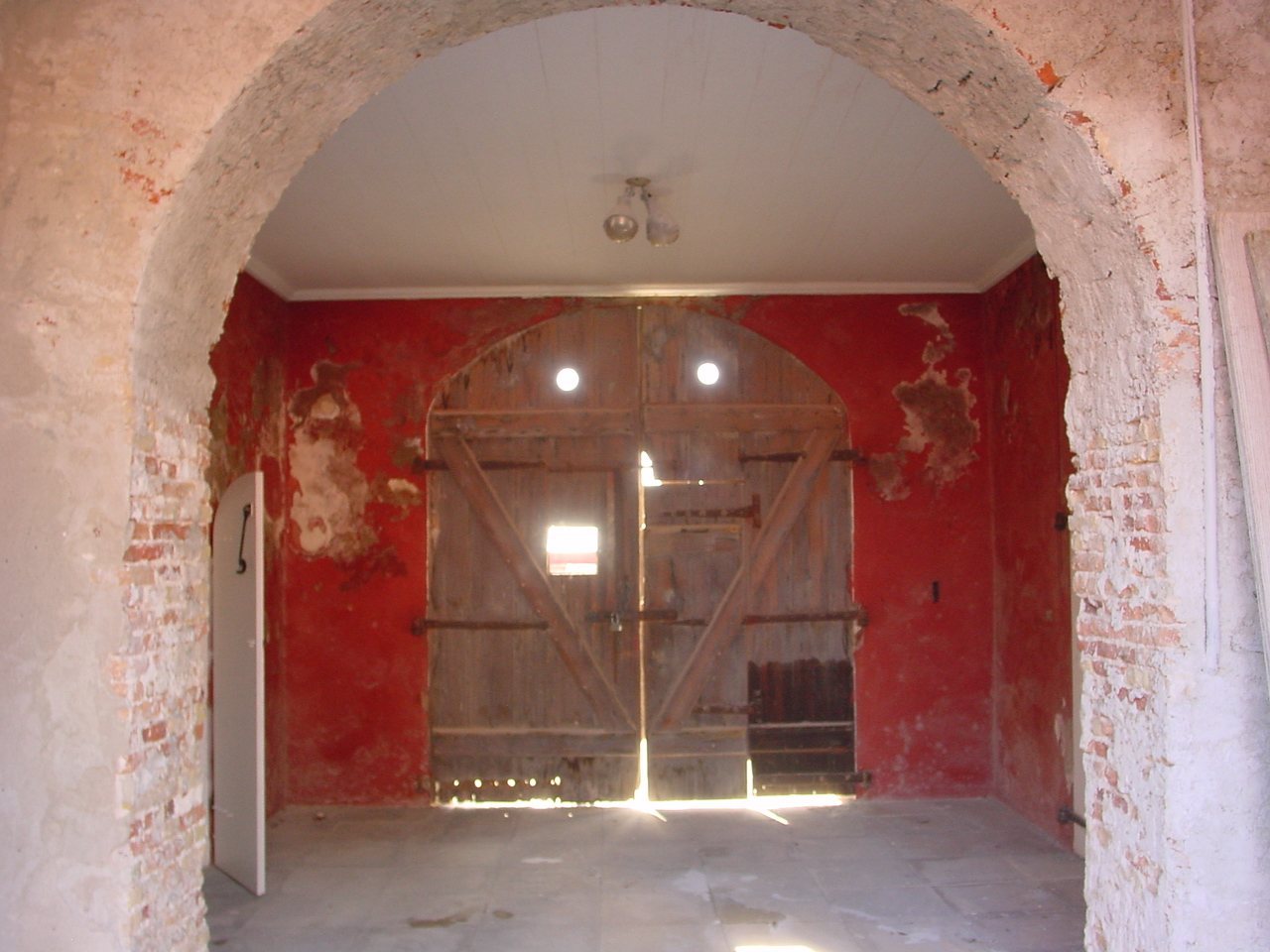
The coastal fort covers about two acres. Its walls are painted red and white, a color scheme that contrasts with the yellow and white walls of Fort Christiansværn at Christiansted. The fort houses a museum and an art gallery.
The Eliza James-McBean Clock Tower is near the fort. A nearby municipal park is known as both Emancipation Park and Buddhoe Park. It contains statues honoring historically important Virgin Islanders, with paths among mahogany trees and flowers, benches, and a small gazebo.