Craig House: A Historic Estate and Psychiatric Hospital in Edinburgh
Site at a Glance
- Popularity
- Medium
- Country
- United Kingdom
- Primary era
- Modern
- Eras represented
- Early Modern, Modern
- Civilizations
- British, Kingdom of Scotland
- Site type
- Civic
- Remains
- Hospital
On this page9 sections
History
Craig House is a historic estate in Edinburgh, Scotland, first recorded during the reign of David II, king from 1329 to 1371. It later became a psychiatric hospital, a university campus, and a residential development. Its late-nineteenth-century hospital buildings followed a picturesque free-Renaissance style, a revival that adapted Renaissance forms without closely copying a single historical model.
Early house and destruction
In 1528, the Abbot of Newbattle, head of a Cistercian monastery, granted a charter at Craig House. The earlier house was burned in 1544 by Edward Seymour, Earl of Hertford, during the Rough Wooing, a series of English military campaigns against Scotland. Old Craig House succeeded it and was built for the Symsounes of Craighouse. The Dick family later owned the house.
In the 1880s, Old and New Edinburgh described Old Craig House as a strange-looking mansion and repeated a claim that it was haunted.
Hospital development
In 1878, managers of the Edinburgh Lunatic Asylum, a psychiatric institution later known as the Royal Edinburgh Hospital, bought Craig House for paying patients. The purchase was overseen by Thomas Clouston, the asylum’s physician superintendent, and financed through the sale of land at the existing Morningside asylum. Clouston planned the new hospital buildings. Design work was overseen in 1887, construction began in 1889, and the buildings were complete by 1894. Further work at the site continued from 1906 to 1914.
The hospital was renamed the Thomas Clouston Clinic in 1972. Its role diminished after mental-health services increasingly moved toward community care, providing support outside long-term institutions. The clinic closed in the early 1990s amid changes in treatment and care.
University use and redevelopment
Edinburgh Napier University bought the 24-hectare estate in 1994 and refurbished it with support from a Historic Building Grant. The Craighouse Campus opened in September 1996, housing social science and communication arts courses and the Ian Tomlin School of Music. The university sold the campus for residential development in March 2011 and had left by 2013, transferring students and staff to its Sighthill, Merchiston, and Craiglockhart campuses.
Plans proposed renovating existing buildings and adding housing across the grounds, for a planned total of about 116 homes. The proposals drew opposition over development on open green space. The Friends of Craighouse gathered about 5,000 petition signatures, and in 2012 Morningside Community Council resolved to object if the work affected areas designated as open space or important landscape in the Edinburgh City Local Plan. The development proceeded, and its first residents moved in during July 2019.
Old Craig House became a Category A listed building in 1970. Category A is Scotland’s highest listing category, for buildings of national or international importance. Craig House was listed in 1979.
Remains
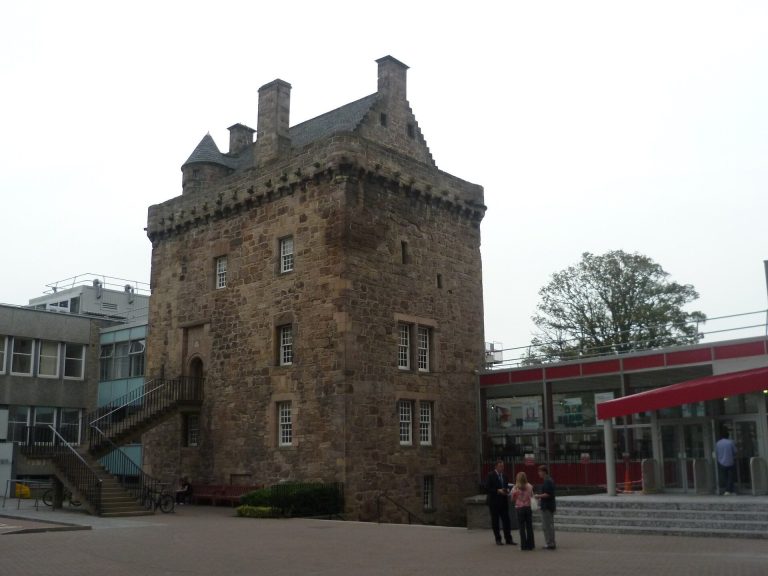
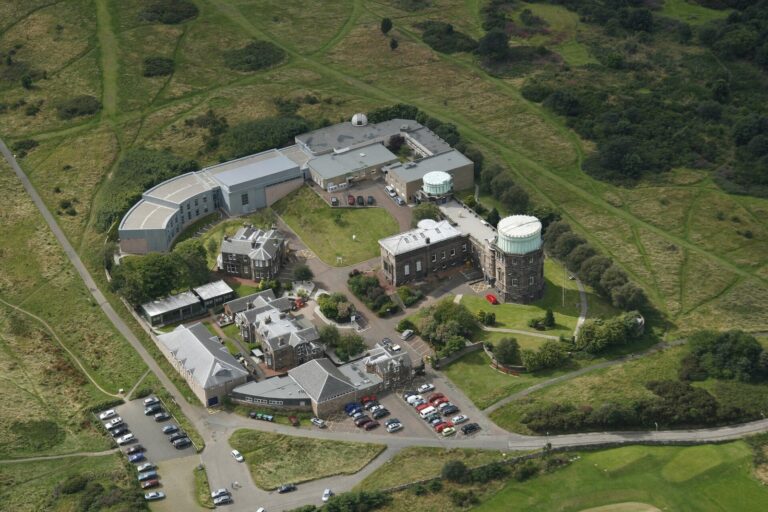
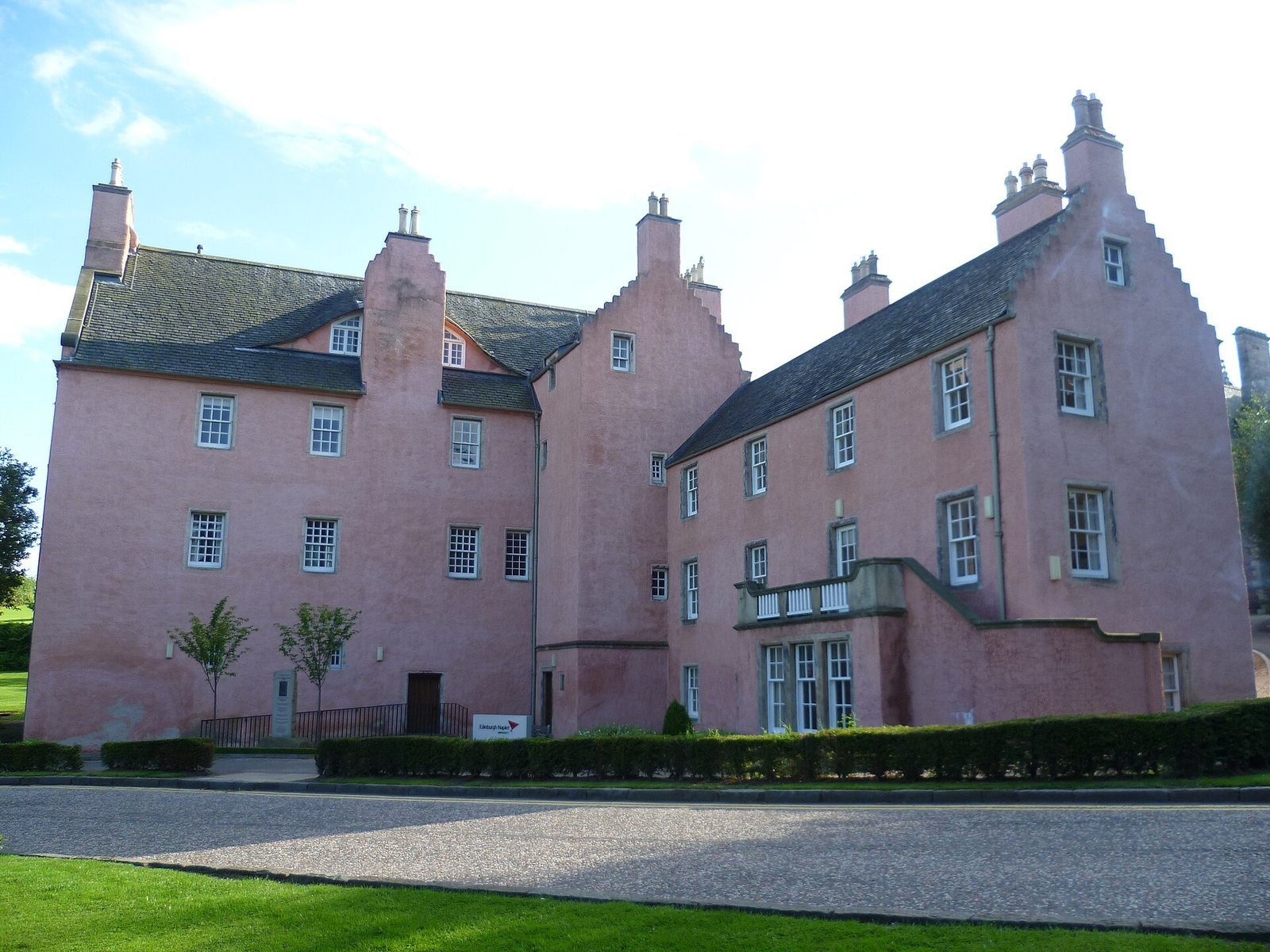
The estate covers about 24 hectares on Easter Craiglockhart Hill, between Edinburgh’s Craiglockhart and Morningside areas. Its buildings include the earlier Old Craig House and a later hospital complex comprising New Craig House, a hospital block, and three villas.
Earlier house
Old Craig House is dated to 1565, although its architecture suggests a later date. The building was extended to the north-west around 1746.
Hospital complex
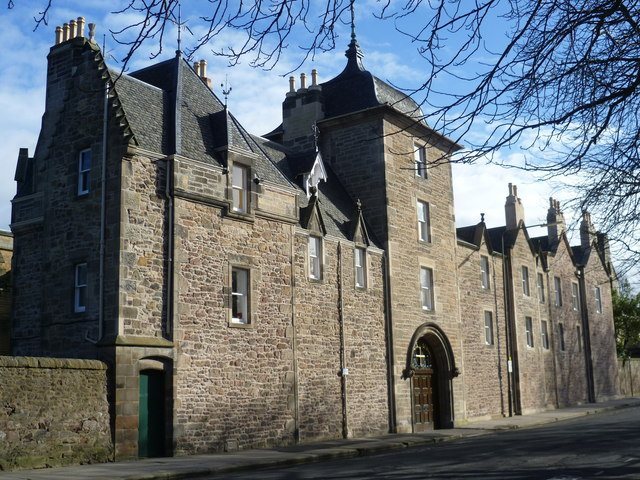
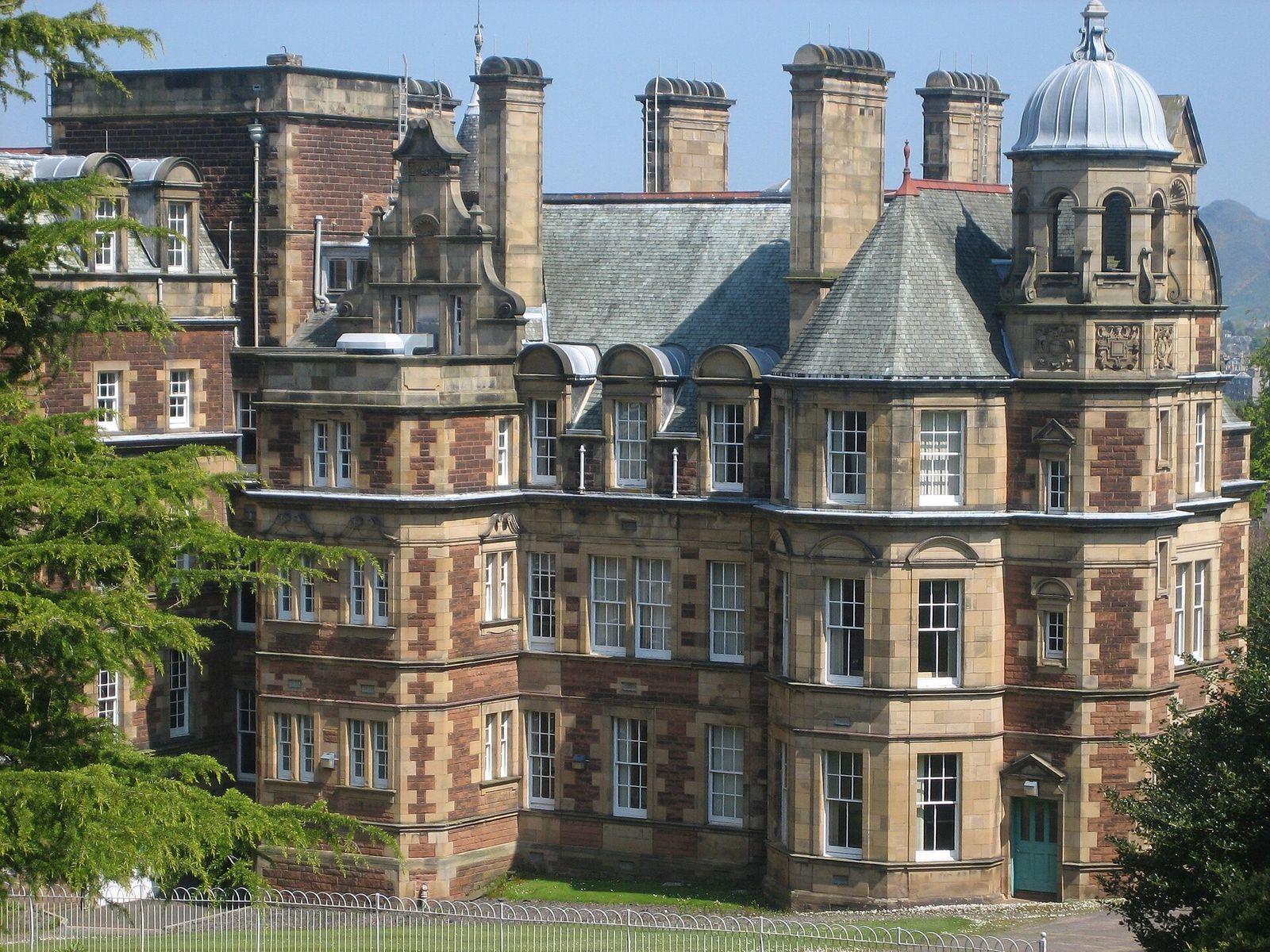
The hospital development combined a large main building with a separate hospital block and three villas. New Craig House was designed to resemble a grand country house or hotel, rather than an institution.
New Craig House
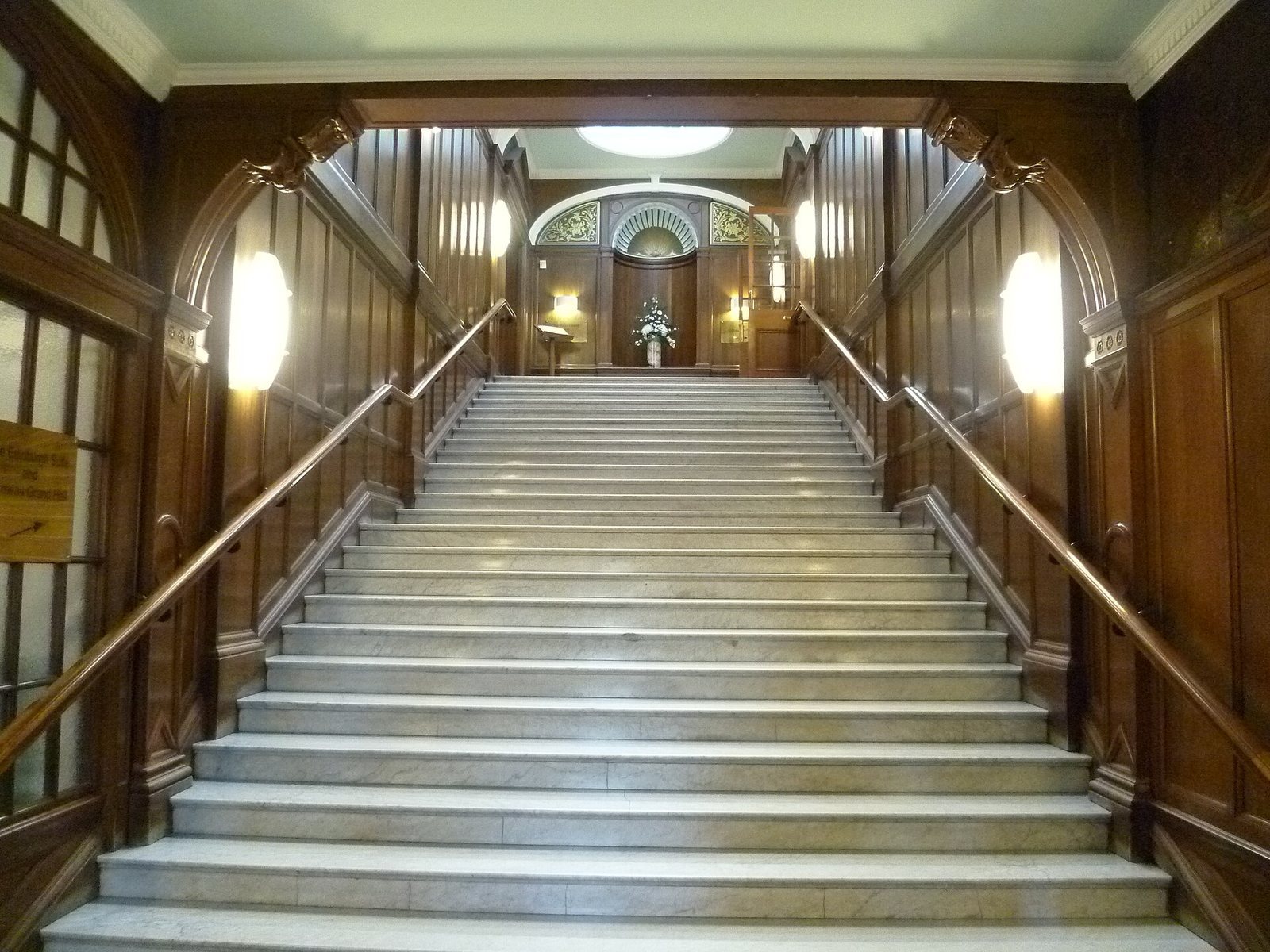
The main building’s design drew on French Renaissance architecture. Its interiors include a great hall and a billiard room.
Other buildings and memorial
The hospital block and three villas formed part of the same development. A monument on the garden wall commemorates W. K. Burton, the Scottish engineer and photographer, for his contribution to Japan.