Calderstones Park: A Historic Public Park in Liverpool
Site at a Glance
- Rating
- 4.7
- Popularity
- Very High
- Country
- United Kingdom
- Primary era
- Stone Age
- Eras represented
- Stone Age, Modern
- Civilizations
- British
- Site type
- Civic
- Remains
- Park
On this page13 sections
History
Calderstones Park is a historic public park in Allerton, Liverpool, United Kingdom. Opened to the public in 1905, it brings together the former Allerton estate, a prehistoric burial monument, and later botanical gardens.
Estate ownership and Calderstones House
Land that became part of the park belonged to the Allerton estate. Around 1726, it was sold to settle its owner’s debts, passing first to Liverpool merchant Thomas Martin and later to Joseph Need Walker. Walker acquired the land, its farm, and the farmhouse known as Old House in 1825.
Old House was demolished in 1828 to make way for Calderstones House, built for Walker. Charles MacIver, a shipping magnate, bought the estate in 1875. His family sold it to Liverpool Corporation in 1902, and the corporation turned the grounds into a public park.
The Calderstones and their interpretation
The Calderstones were discovered in 1817 and may have been disturbed during the eighteenth century. Digging among them in 1825 reportedly brought to light coarse-clay urns containing human remains.
In the middle and later nineteenth century, some scholars thought the stones formed a circle used by Druids, religious specialists associated with ancient Celtic societies. Later in the century, Professor Herdman argued that they were the remains of a ruined dolmen, a prehistoric burial structure commonly made of upright stones supporting a large capstone. He suggested that the circle interpretation reflected an assumption that Druidic monuments were always arranged in circles.
Walker moved the stones to serve as an entrance feature for his estate. In 1954, they were relocated from an enclosure just outside the park gates to protect them from further weathering. They are protected as a scheduled monument, a site given legal protection for its historic importance, under the Ancient Monuments and Archaeological Areas Act 1979.
Public park and botanical garden
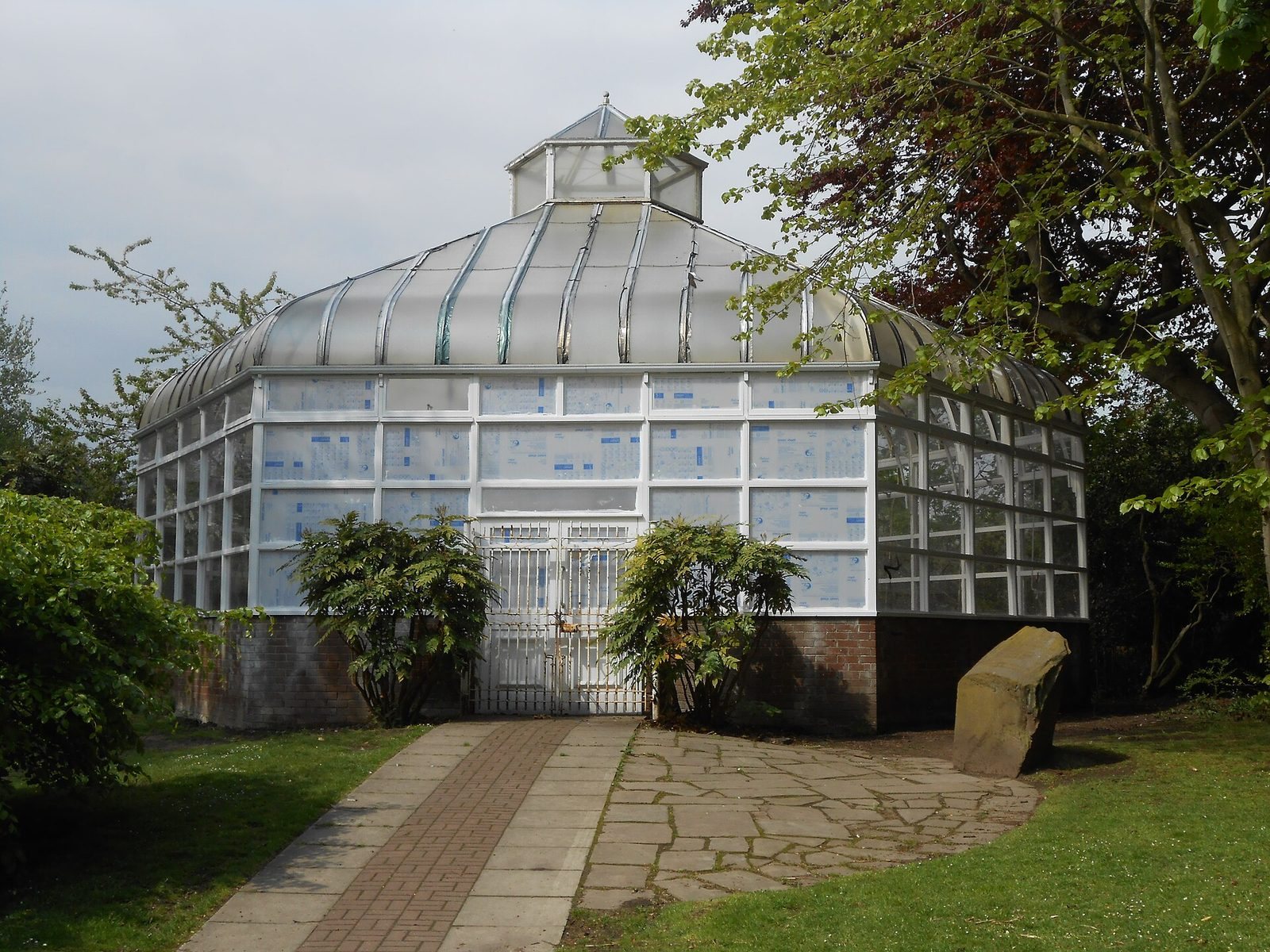
During the Second World War, German bombing damaged the park. Repairs continued into the late 1950s. In the postwar years, Liverpool parks superintendent Percy Conn planned a botanical garden on the Harthill Estate grounds, drawing on the earlier Liverpool Botanic Garden associated with botanists William Roscoe and John Shepherd. Work began in 1951, and the garden was completed in 1964, when its connected glasshouses formally opened.
As the glasshouses aged, limited funding prevented their replacement. They closed in 1984, and the plants went to Liverpool’s Garston nursery, where they remained for 23 years; some were also shown at Southport Flower Shows. After the nursery closed following the outsourcing of parks and gardens maintenance, about a third of the collection moved in 2007–08 to four glasshouses in the walled gardens at Croxteth Hall.
War, the Allerton Oak, and later uses
Local legend says that a hundred court, a local court linked to a historical administrative division called a hundred, met beneath the Allerton Oak. The tree’s deteriorated condition has been attributed to the 1864 explosion of the gunpowder ship Lottie Sleigh on the River Mersey, more than three miles away. During the Second World War, families sent soldiers acorns and leaves from the oak, drawing on its local reputation.
Calderstones House served as council offices for several decades, until 2012. Around 2013, it became the headquarters of The Reader, a national charity promoting reading and literature.
Remains
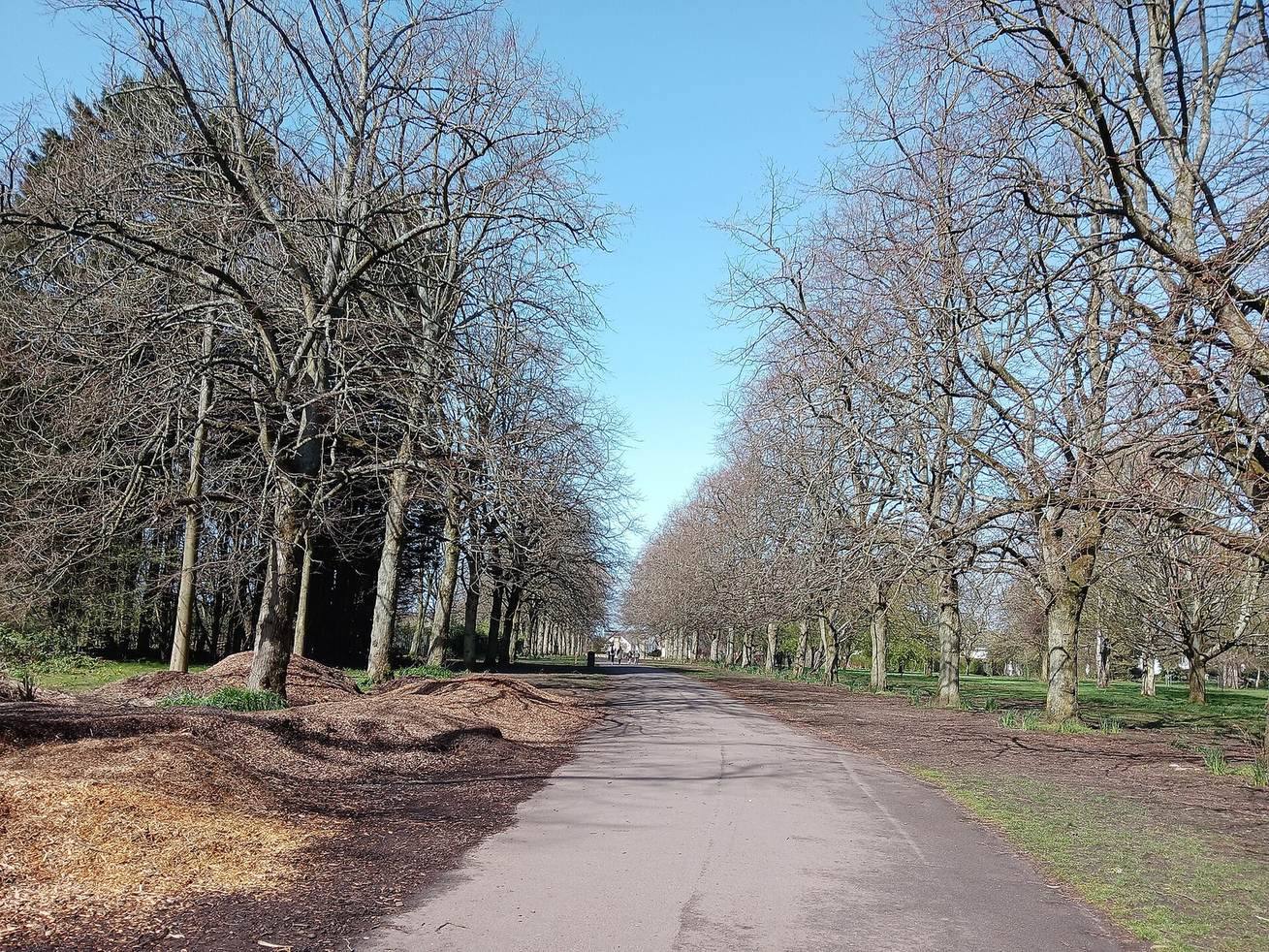
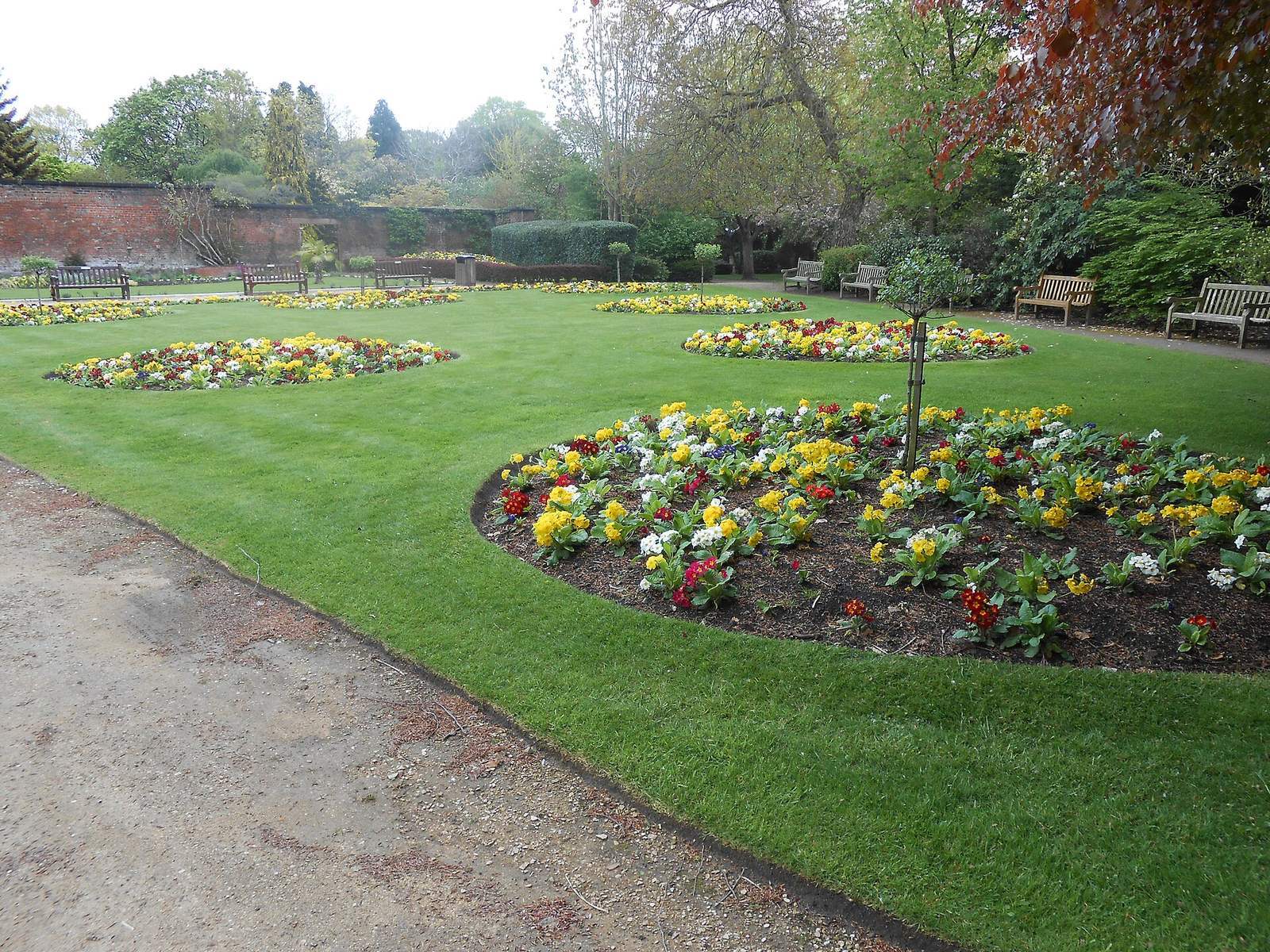
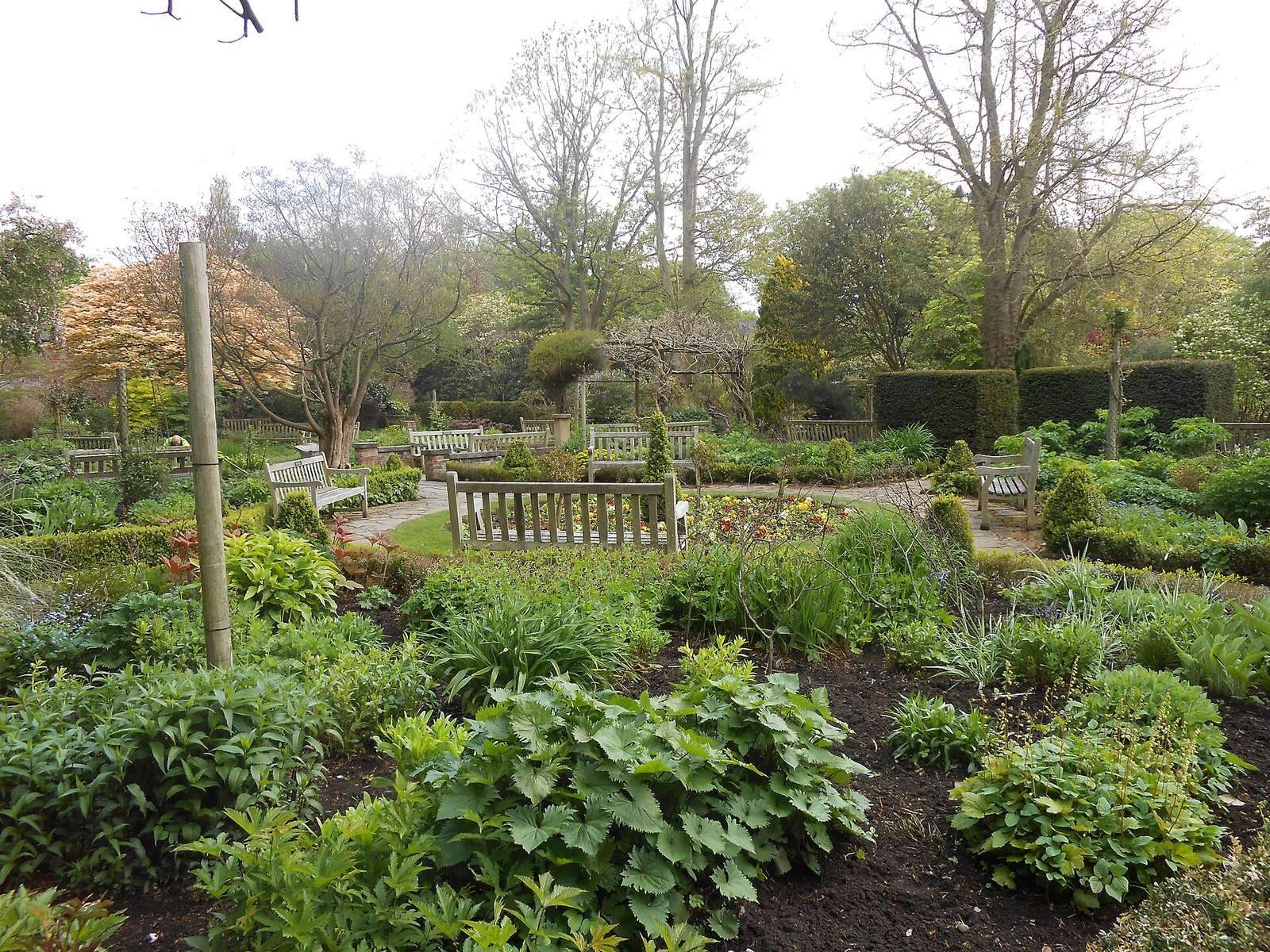
The park covers 126 acres (0.51 square kilometres). Its grounds include the Calderstones, Calderstones House and its service buildings, a botanical garden, a lake, and a dry nature reserve created on the site of a former council works depot.
Archaeological and natural features
The Calderstones
The Calderstones are six upright sandstone stones from the Neolithic, a prehistoric period associated with farming communities and polished stone tools. They formed part of a burial monument about 4,000 years ago. Nearby, Robin Hood’s Stone was originally one of the six stones and has since been relocated.
The Allerton Oak
The Allerton Oak is estimated to be about 1,000 years old. Props support the tree.
Buildings and designed landscape
Calderstones House and service buildings
Calderstones House is Georgian in style, referring to British architectural styles associated with the eighteenth and early nineteenth centuries, and has been altered over time. Its extensive stables and coach house survive at the rear. An outbuilding was adapted as the Storybarn, a children’s attraction.
Botanical garden
The garden’s collection once included almost 4,000 plant species brought from around the world by merchants and other travellers. Its 16 connected glasshouses were built from low-grade spruce rather than teak. By 1979, the structures had reached the end of their useful lives.
Lake, gardens, reserve, and statues
A bog garden is linked to the artificial lake, and park apprentices created a Japanese garden in 1969. The dry nature reserve occupies the former council works depot site. Twelve statues were installed in the park in 1964.