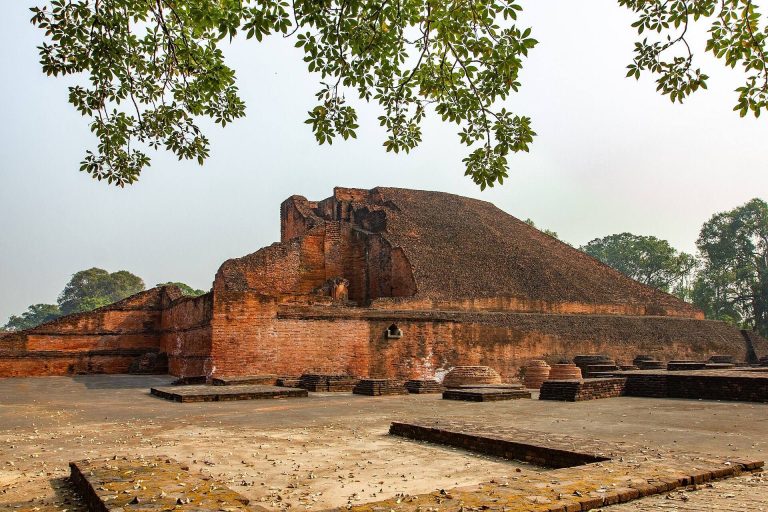
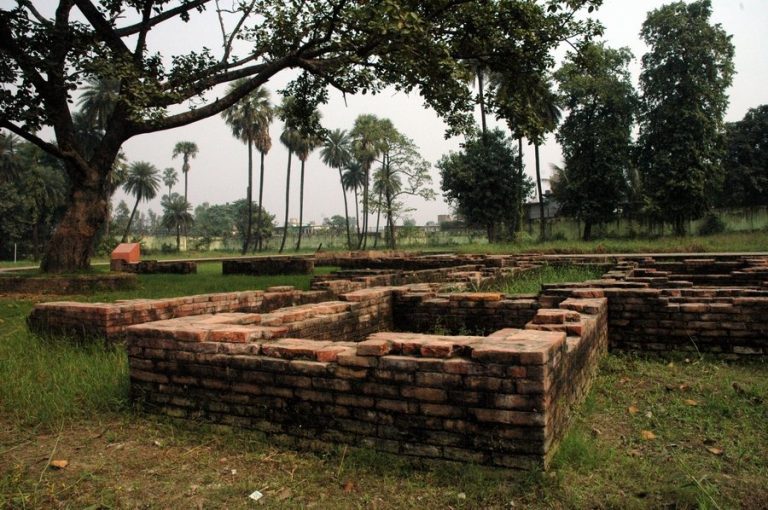
Barabar Caves: A Mauryan Rock-Cut Complex Associated with Ajivika Ascetics
Site at a Glance
- Popularity
- Very High
- Country
- India
- Primary era
- Iron Age
- Eras represented
- Iron Age, Classical, Medieval
- Civilizations
- Gupta, Mauryan
- Site type
- Religious
- Remains
- Sanctuary
On this page15 sections
History
The Barabar Caves are a seven-cave rock-cut complex in Bihar, India, generally dated to the Maurya period (322–185 BCE) and used as hermitages by Ajivika ascetics, members of an ancient religious community. They are regarded as the oldest surviving rock-cut caves in India. The complex lies in the Makhdumpur region of Jehanabad district, about 24 km north of Gaya. Most caves were dedicated to the Ajivikas, although the religious affiliation of Lomas Rishi remains uncertain.
Mauryan dedications and disputed beginnings
Ashoka dedicated caves to the Ajivikas during his reign (273–232 BCE). Inscriptions from his 12th regnal year, around 260 BCE, record dedications that include Sudama and Visvakarma; a further dedication, at Karan Chaupar, followed in his 19th year, around 250 BCE. These inscriptions form part of Ashoka’s Minor Rock Edicts, short proclamations engraved on rock. The inscription at Sudama names Ashoka by his royal epithet Priyadarsin, meaning “he who brings joy.” Sudama was probably the first cave in the group to be excavated.
Visvakarma was dedicated even though work on it had not been completed. This makes it difficult to explain Lomas Rishi’s lack of an Ashokan dedicatory inscription simply by saying that its excavation was unfinished. An inscription outside Karan Chaupar was once understood as referring to Buddhist retreat during the rainy season. In 2007, scholar Harry Falk proposed a revised reading that identifies the Ajivikas as the cave’s recipients.
Lomas Rishi has no Ashokan dedication, and its date and religious association remain unsettled. Its resemblance to the other caves has led to a usual dating around 260 BCE, while historian S. P. Gupta argued that it was built after Ashoka and his grandson Dasharatha, near the end of Mauryan rule. Gupta proposed that work stopped suddenly in 185 BCE, after the assassination of Brihadratha, the last Mauryan emperor, and a coup by Pushyamitra Shunga, founder of the succeeding Shunga dynasty. He suggested that persecution of Buddhists and Ajivikas might have caused the interruption. The unfinished Visvakarma cave, despite its Ashokan dedication, leaves that explanation uncertain.
Dasharatha and later religious use
Around 230 BCE, Ashoka’s grandson and successor Dasharatha Maurya dedicated the three caves on Nagarjuni Hill to the Ajivikas. Their inscriptions describe them as hermitages intended to last as long as the sun and moon. These dedications show that Ajivika communities remained active under Dasharatha, and that Buddhism was not the only religious tradition practiced under Mauryan rule.
The name “Ajivikas” was later chiselled out of some cave inscriptions, probably by religious rivals while Brahmi, an ancient Indian script, was still understood. This alteration may have taken place before the fifth century CE, but the deeply cut original words remain decipherable. Short inscriptions from the Gupta period occur in nearly all the caves; Visvakarma has no known inscription later than Ashoka’s dedication.
Anantavarman, a king of the Maukhari dynasty in northern India in the fifth or sixth century CE, is associated with Hindu inscriptions in the Nagarjuni caves and above the entrance to Lomas Rishi. An inscription about an image of Krishna, a major Hindu deity, says that Anantavarman had the image made and placed in a cave on Mount Pravaragiri.
Architectural influence and modern history
The caves helped shape the development of rock-cut architecture in South Asia. Lomas Rishi’s carved entrance became an influential model for the chaitya arch, an arched motif used in Indian religious architecture. Later traditions associated with the complex include the Kondivite and Guntupalli caves and Buddhist religious caves of this type.
The origins of the caves’ polished stonework and rock-cut form remain uncertain. Proposed explanations include influence from the Achaemenid Persian Empire, possibly transmitted after Alexander the Great conquered that empire, and a local tradition of working polished stone. The polished Neolithic tools cited in support of a local origin do not establish a direct link to the cave architecture. The Mauryan-period Sitamarhi Cave is a smaller parallel with polished granite surfaces. The Jain Son Bhandar caves, usually dated to the second through fourth centuries CE, have also been suggested as a possible earlier or contemporary precedent, although their chronology is uncertain.
British writer E. M. Forster drew on the caves for the fictional Marabar Caves in his 1924 novel A Passage to India. Repeated explosions at nearby mines have caused severe vibration damage. Investigations by Indian archaeologists and geologists identified several contributors to cracking, but judged the blasts to be the principal cause.
Remains
The caves are cut into hard granite across Barabar Hill and Nagarjuni Hill, about 1.6 km to its east. Four caves belong to the Barabar group: three are cut into the main ridge, while Visvakarma lies about 100 m to the east and is reached by steps cut into the cliff. The other three caves are on Nagarjuni Hill. Their interiors are known for highly polished stone surfaces, which can reflect light like a mirror. On Barabar Hill, Karan Chaupar is on the north side, while Lomas Rishi and Sudama lie close together on the south.
Barabar Hill caves
Lomas Rishi
Lomas Rishi has a rectangular chamber measuring about 9.86 × 5.18 m, joined by a narrow rectangular passage to a roughly hemispherical chamber about 5 m in diameter. A carved, arch-like entrance probably imitates timber construction. Elephants carved along the curved band above the entrance face stupa emblems, Buddhist commemorative monuments. The entrance is an early surviving example of an ogee-shaped chaitya arch, a double-curved motif used in Indian religious architecture. Inside, excavation of the vaulted ceiling was left unfinished, and rough projections of rock remain on the floor; other interior surfaces are polished.
Sudama
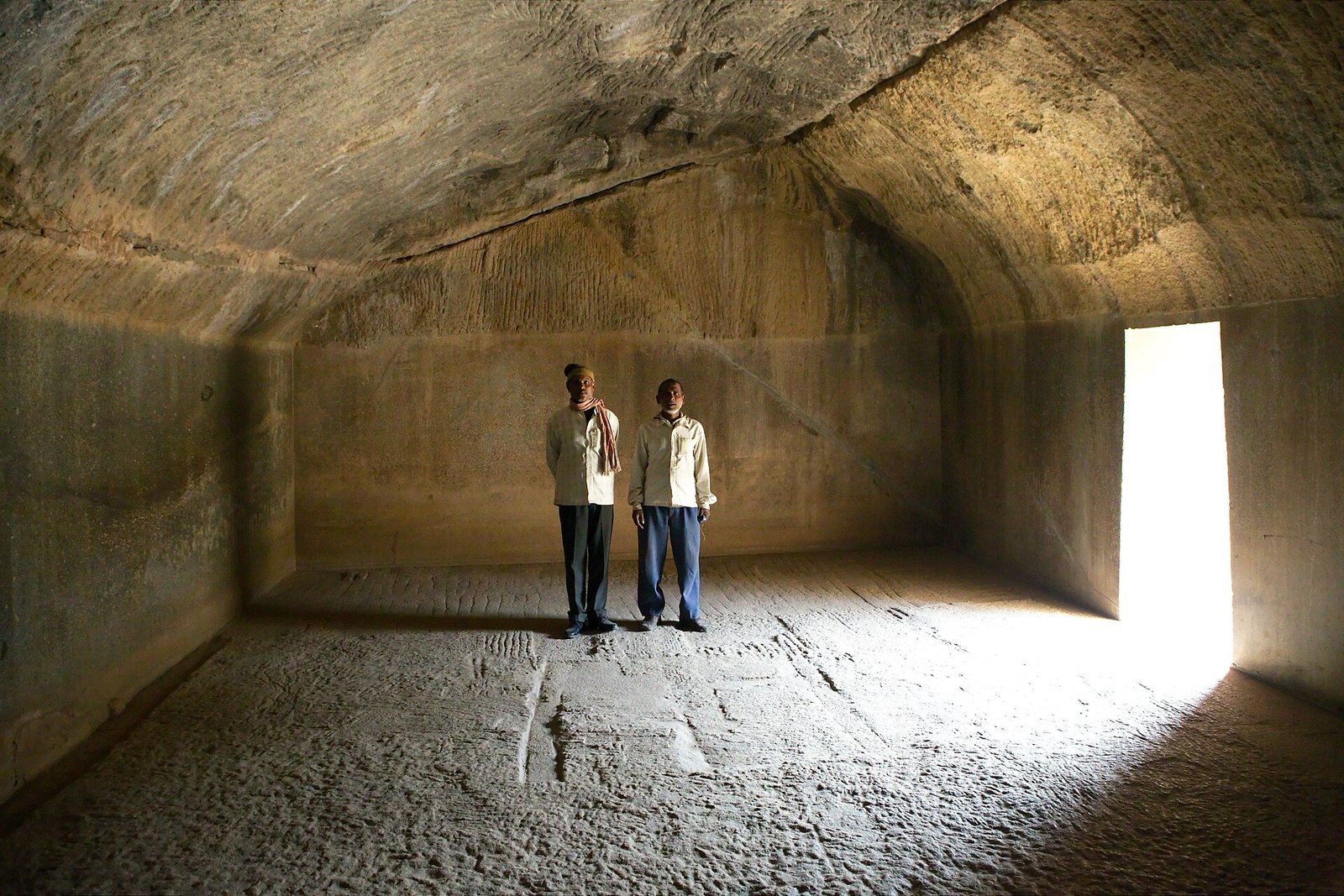
Sudama consists of a rectangular chamber about 10 × 5.95 m and a hemispherical chamber about 6 m in diameter, connected by a narrow passage. The rooms form a vaulted hall and circular chamber beneath an arched ceiling. Their smooth, flat granite surfaces reflect light and sound, creating a strong echo that may have suited chanting.
Karan Chaupar
Also called Karna Chaupar, this cave is a single polished rectangular room measuring about 10.2 × 4.27 m. Ashoka’s dedicatory inscription is outside, immediately to the right of the entrance. A rock-cut bench at one end may have served for sitting or sleeping. Another inscription gives the translated name “The Cave of the Beggars.” A mound near the entrance bears later Buddhist sculptures.
Visvakarma
Also called Viswa Mitra, Visvakarma has an elongated rectangular space open to the exterior, like a porch, and an unfinished hemispherical chamber beyond it. The porch measures 4.27 × 2.54 m; the circular chamber is 2.8 m in diameter and is reached through a narrow, trapezoidal passage. Four holes in the porch floor are thought to have held a wooden barrier for closing the cave.
Nagarjuni Hill caves
Gopika
Gopika, also known as Gopi or Gopi-ka-Kubha, is the largest cave in the complex. On the southern side of Nagarjuni Hill, it forms a single oblong room about 13.95 × 5.84 m, with rounded ends. Its entrance corridor has polished walls and a later inscription.
Vadathika
Also called Vadathi or Vadithi-ka-Kubha, Vadathika lies in a crevice on the northern side of Nagarjuni Hill, slightly higher than Vapiyaka. Its single chamber measures about 5.1 × 3.4 m, with a porch about 1.83 × 1.68 m. The room reaches a maximum height of 2.39 m, and its vaulted ceiling consists of three arcs with different curves. The entrance is angled to the chamber and lies perpendicular to the neighbouring Vapiyaka chamber; Vadathika is about 1.42 m higher. A later Hindu inscription is present.
Vapiyaka
Vapiyaka, also called the Well Cave, is on the northern side of Nagarjuni Hill. Its single rectangular room measures about 5.1 × 3.4 m, and its walls slope slightly inward. The vaulted granite ceiling has a radius of about 2.12 m and reaches a maximum height of 2.24 m. The interior is polished.
Other features on the hill
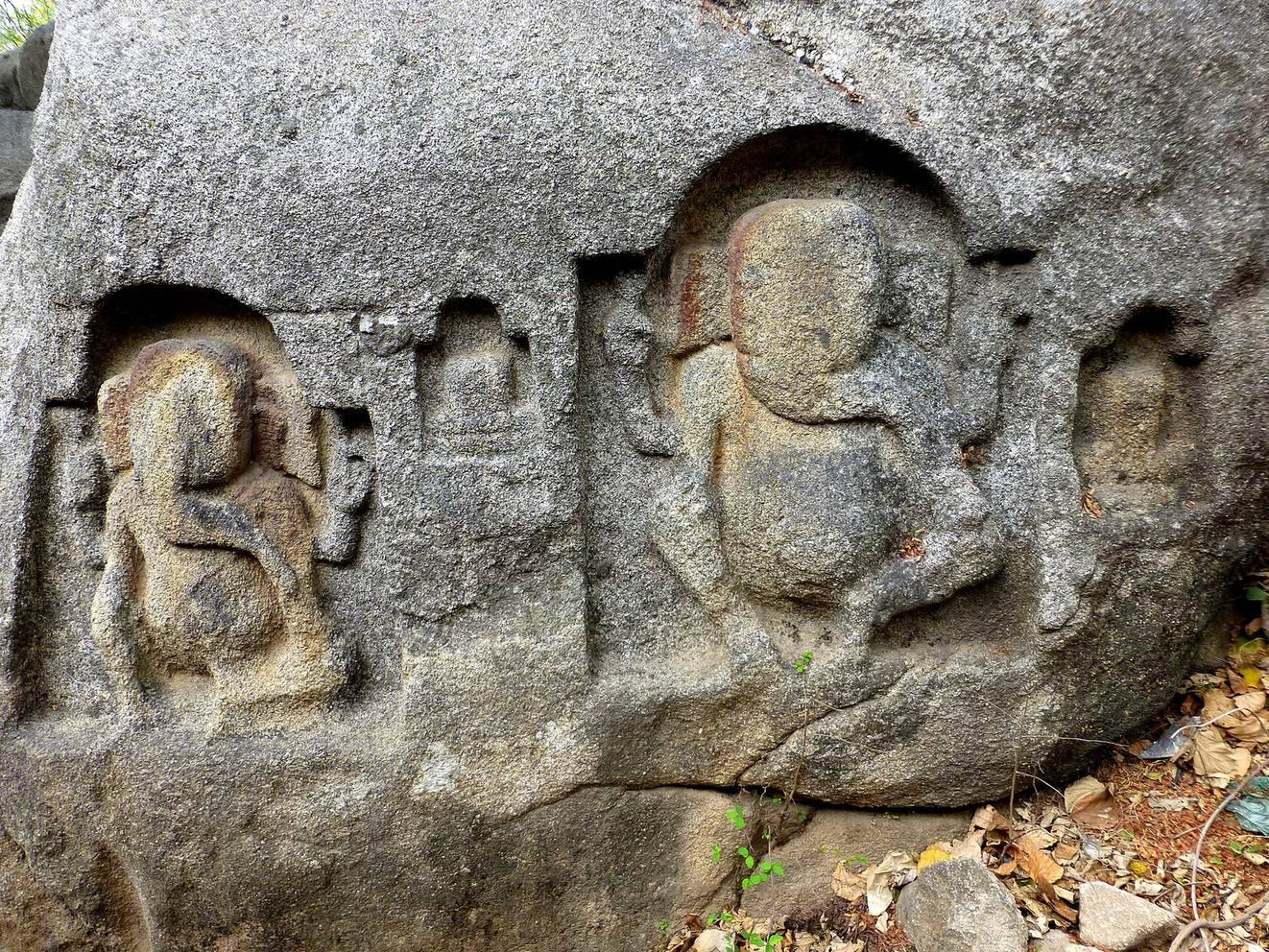
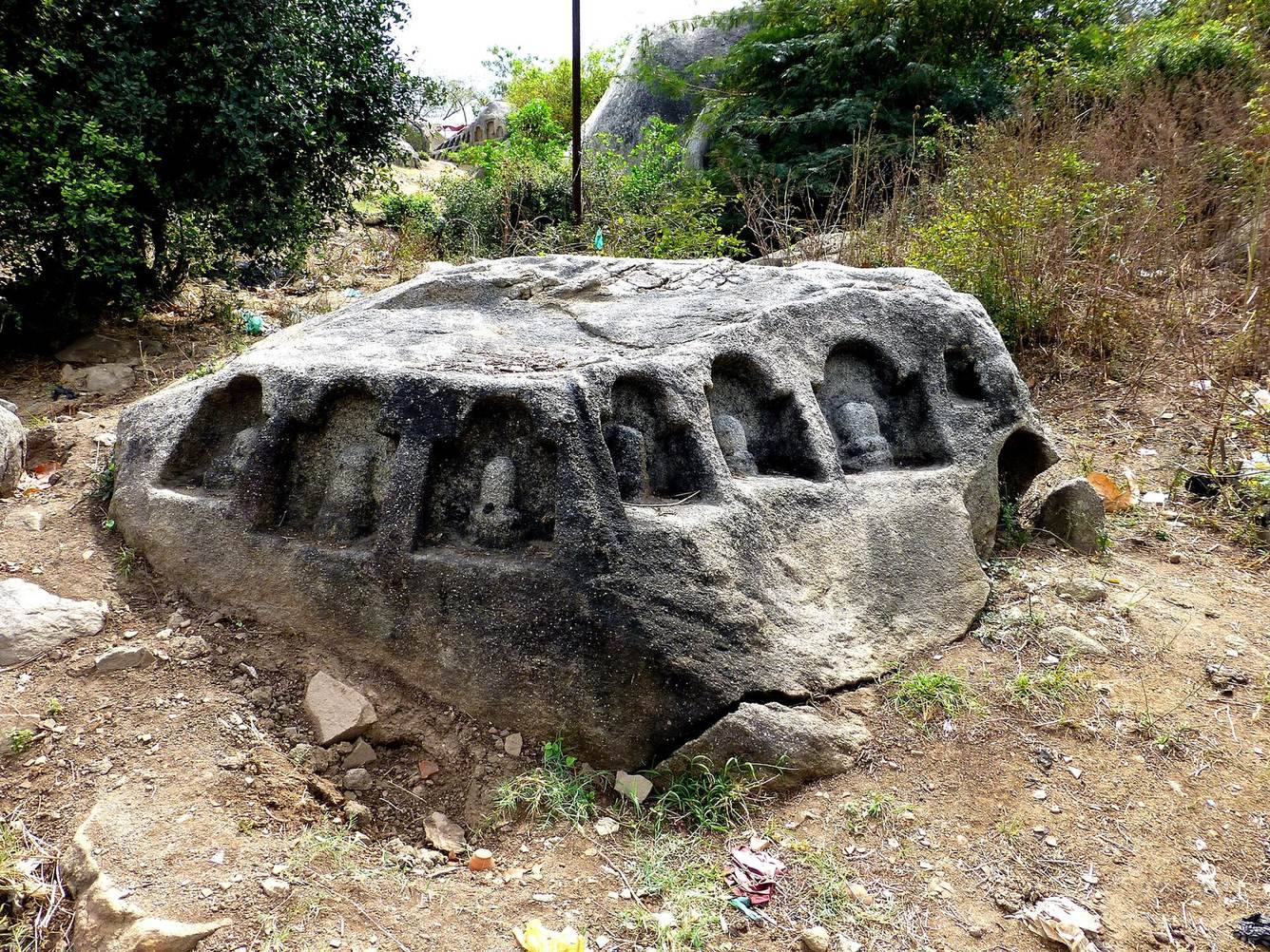
About 600 m from the caves, the hill also has the Hindu temple Vanavar Shiv Mandir and small Hindu sculptures. These include figures of Ganesh and Durga, fragments, and rock-cut lingas, Hindu symbols associated with Shiva.