Asirgarh Fort: The Strategic Hill Fortress of Central India
Site at a Glance
- Rating
- 4.3
- Popularity
- Medium
- Country
- India
- Primary era
- Early Modern
- Eras represented
- Medieval, Early Modern, Modern
- Civilizations
- British, Mughal
- Site type
- Military
- Remains
- Fort
On this page9 sections
History
Asirgarh Fort is a hill fortress in India, about 20 kilometres north of Burhanpur in Madhya Pradesh, traditionally attributed to the Ahir or Abhira dynasty and said to date to the early fifteenth century. Built on a strategic pass through the Satpura Range, it controlled the route between the Narmada and Tapti river valleys, northern India, and the Deccan, the elevated plateau of central and southern India. This position gave it command of an important trade route and earned it the reputation of being the “key to the Deccan.”
Early rulers and the Faruqi period
The surrounding Nimar region had been under Yadava control from the early ninth to the thirteenth century. The Ahirs, also called Abhiras, were later subordinated by Tomar and Chauhan Rajputs, while the Taunk Rajputs were reduced to feudal status. Traditions also connect the fort with Asa Ahir. Over time, Asirgarh passed through the control of the Yadavas, Taunks, Tomars, Chauhans, the Faruqi dynasty, the Mughals, the Marathas, the Holkars, the Shindes, and finally the British.
Nasir Khan, sultan of Khandesh from the Faruqi dynasty, ruled from Asirgarh from the fourteenth century. The Faruqis, who governed the medieval sultanate of Khandesh around present-day Burhanpur, controlled the region from the fort for more than two centuries.
Mughal conquest
The fort became the centre of conflict when Nasir Khan’s descendant Bahadur Shah declared independence and refused to pay homage to the Mughal emperor Akbar and Akbar’s son Daniyal. Akbar occupied Burhanpur in 1599 and then besieged Asirgarh. After Bahadur Shah was tricked, Mughal forces captured the fort on 17 January 1601. Khandesh was subsequently absorbed into the Mughal Empire, and the visible fortifications largely belong to this Mughal period.
Maratha and British campaigns
During the Second Anglo-Maratha War, Company forces captured the fort’s outer settlement on 18 October 1803, losing two men and suffering five wounded. The garrison surrendered on 21 October after the attackers had established an artillery battery.
Asirgarh remained the last major Maratha-held fort at the end of the Third Anglo-Maratha War. In March 1819, British forces besieged it, occupied the adjacent town as a temporary base, and subjected its garrison of 1,200 men to sustained artillery bombardment. A British assault captured the fort on 9 April 1819, completing the British victory and ending military operations in the conflict.
Abandonment and recent disturbance
After the British departure, the fort was eventually abandoned and was finally given up during the twentieth century. It is now a nationally important monument in a dilapidated condition. In March 2025, local people carried out extensive digging after the film Chhava fictionalized a story in which Mughal forces under Aurangzeb buried gold looted from Sambhaji’s camp at the fort during the Mughal-Maratha wars.
Remains
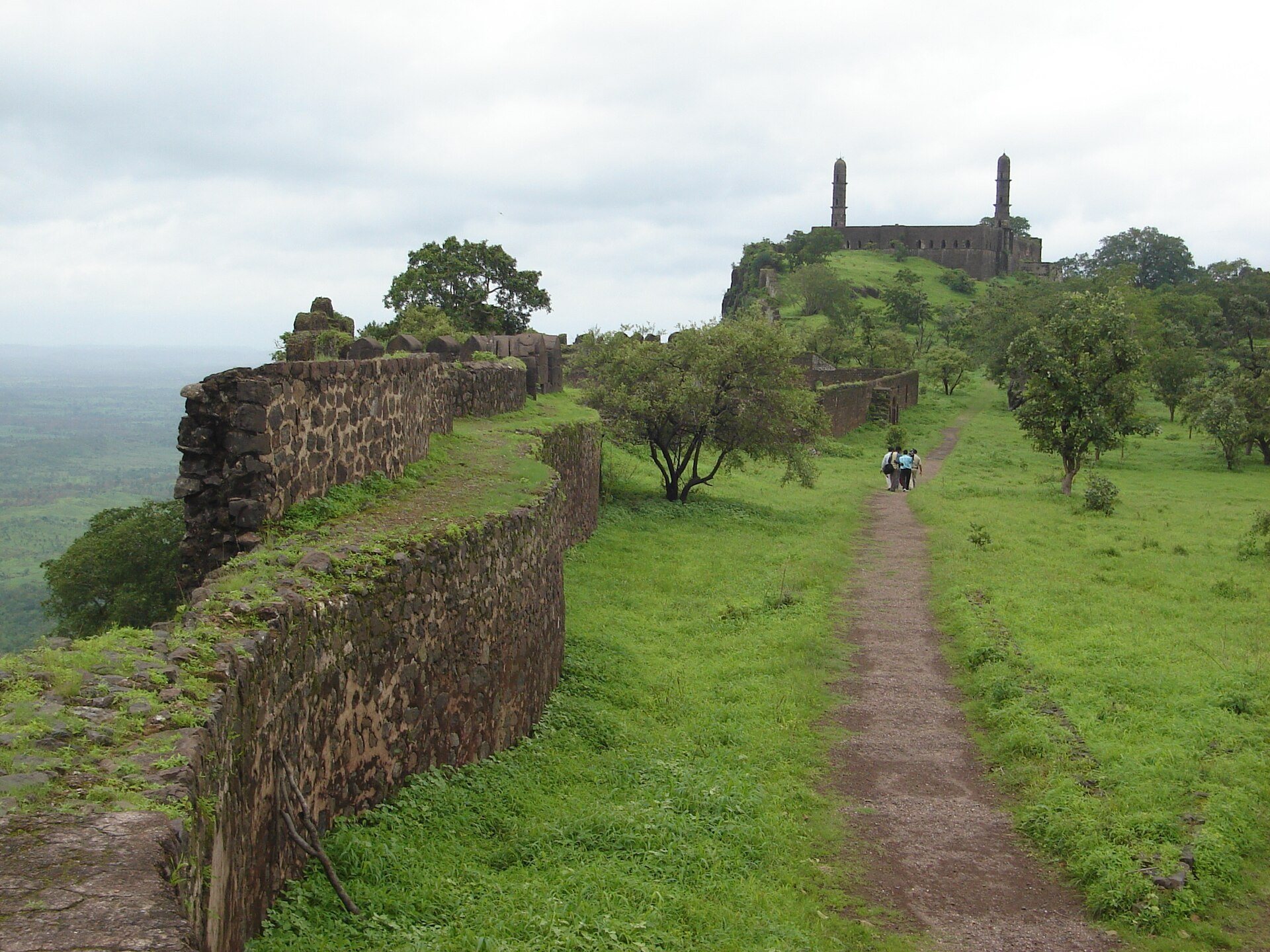
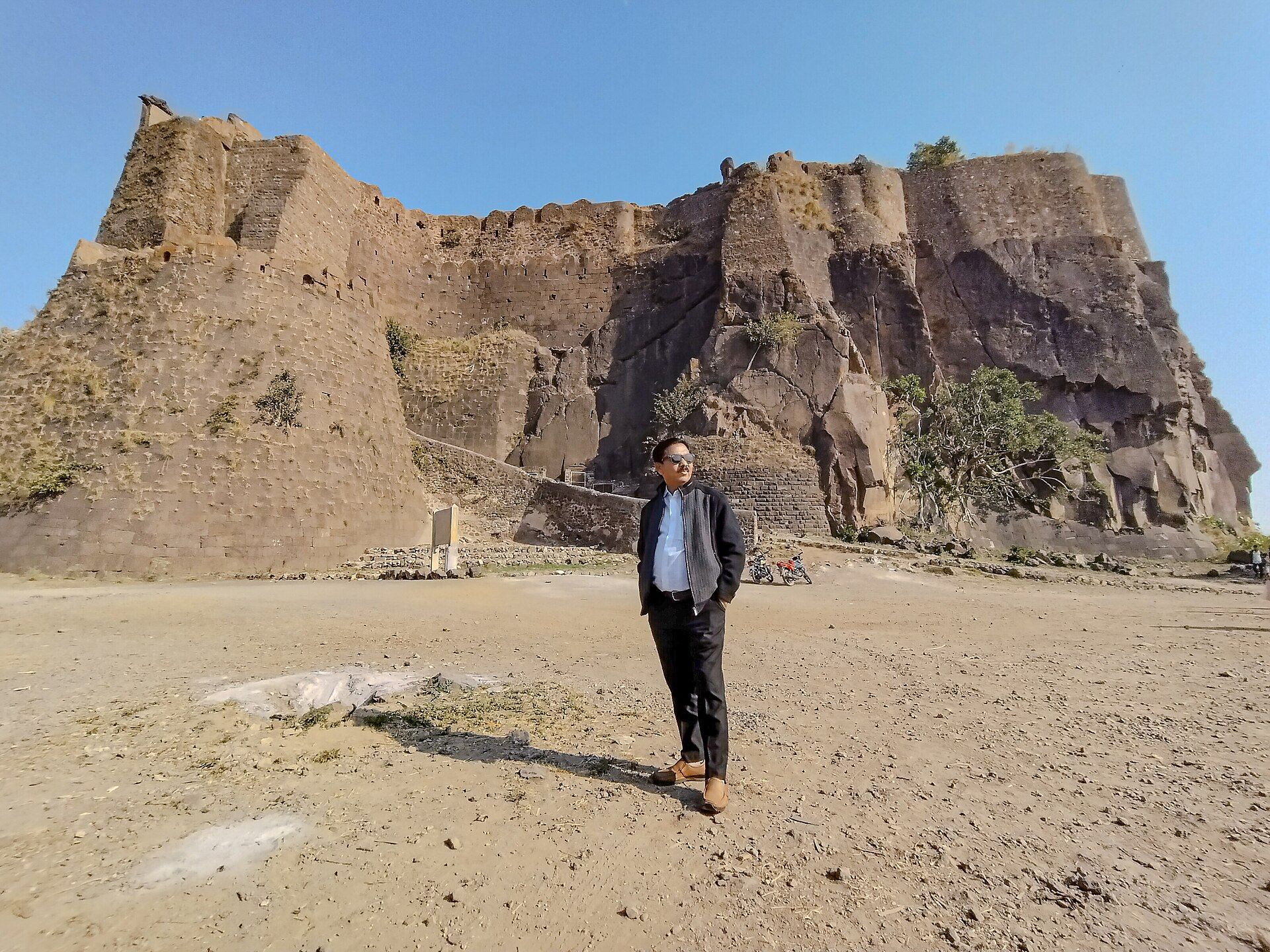
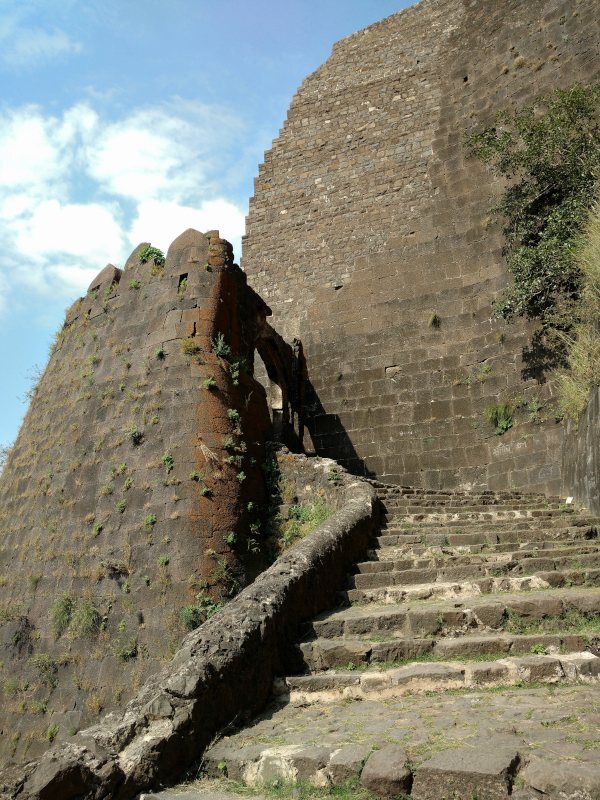
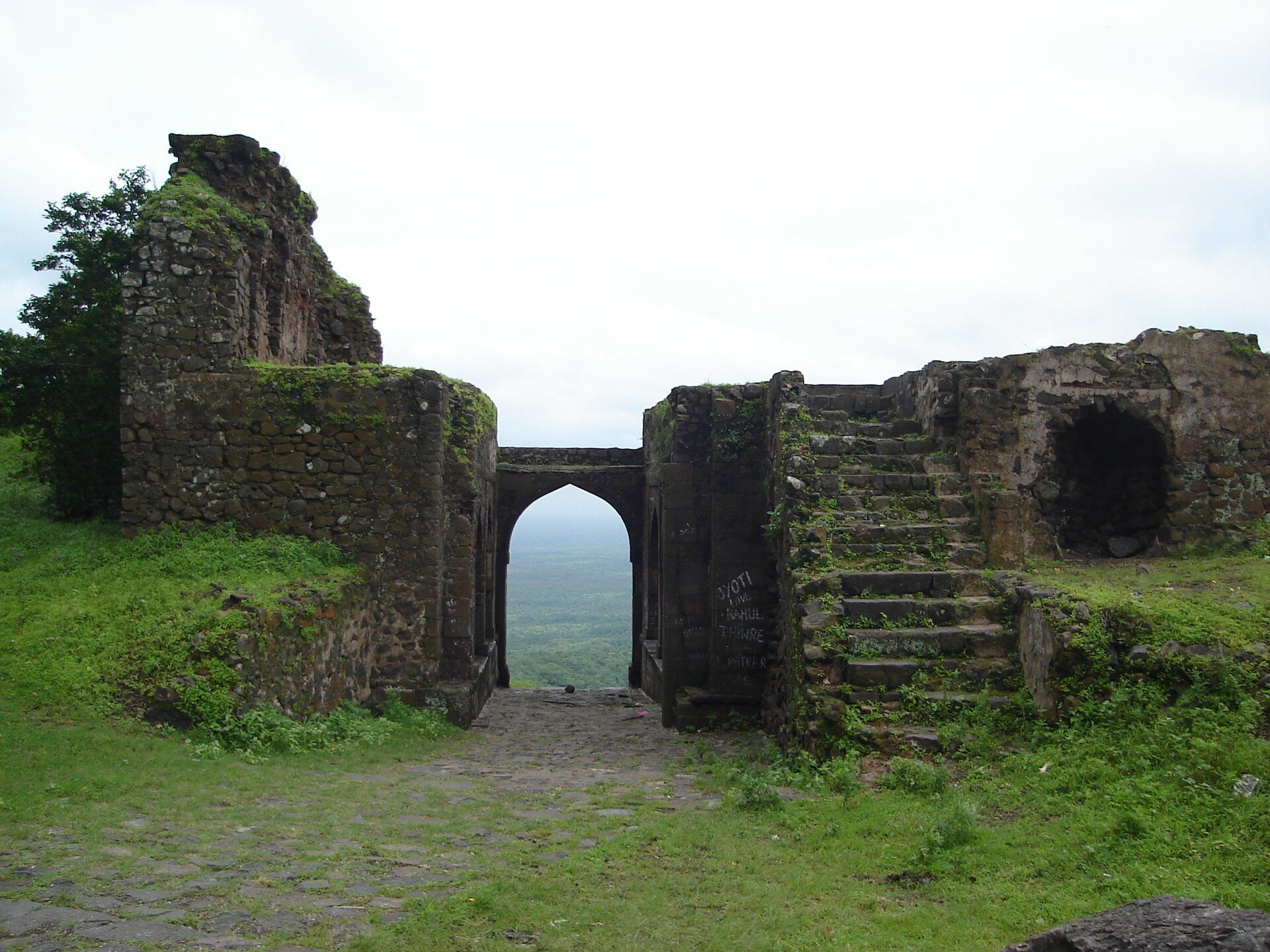
Asirgarh occupies a rocky plateau in the Satpura Range at about 700 metres above sea level and approximately 200 metres above the surrounding terrain. Its position between the west-flowing Narmada and Tapti rivers shaped the fort’s strategic role. The surviving complex is organized around three concentric defensive walls, with visible fortifications largely dating from the Mughal period. Stone, limestone, and lead were used in its construction, whose architectural language combines Indian forms with Faruqi and Mughal elements and incorporates Islamic, Persian, Turkish, and Indian influences.
Defensive works and water supply
Three reservoirs or ponds were cut into the rock within the fort to secure its drinking-water supply. Their placement on the plateau formed part of the fort’s defensive infrastructure, allowing water to be stored inside the fortified area. The concentric walls and elevated rocky setting provided the principal physical framework of the stronghold.
Religious buildings
Gupteshwar Mahadev Mandir is a small temple dedicated to Shiva, a major Hindu deity associated with destruction, transformation, and asceticism. Local tradition holds that Ashwatthama, the warrior figure from the Mahabharata, visited the temple each morning to worship Shiva and offer flowers.
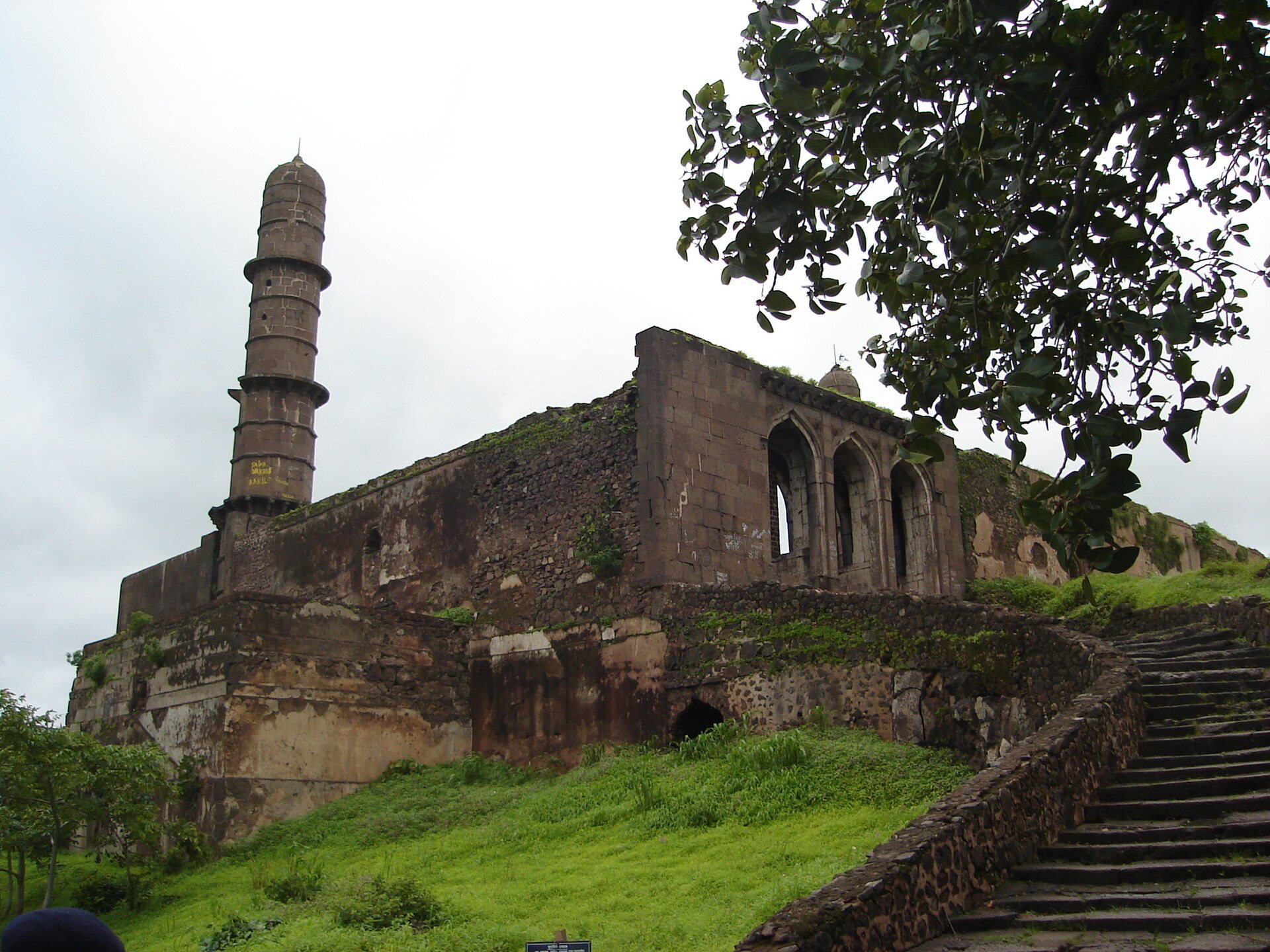
The ruins of the Faruqi-period Asir Masjid include a courtyard bordered on three sides by arcades. A minaret rises above the mihrab, the niche in a mosque indicating the direction of prayer. The mosque reflects the Islamic architectural presence established at the fort during the Faruqi period.
British-period remains
Other surviving features are attributed to the British period and include British graves. Together with the earlier defensive, hydraulic, Hindu, and Islamic remains, they reflect the successive powers that occupied Asirgarh.