Pillkukayna: An Inca Temple on the Island of the Sun
Site at a Glance
- Rating
- 4.4
- Popularity
- Medium
- Country
- Bolivia
- Primary era
- Medieval
- Eras represented
- Medieval
- Civilizations
- Inca
- Site type
- Religious
- Remains
- Temple
On this page4 sections
History
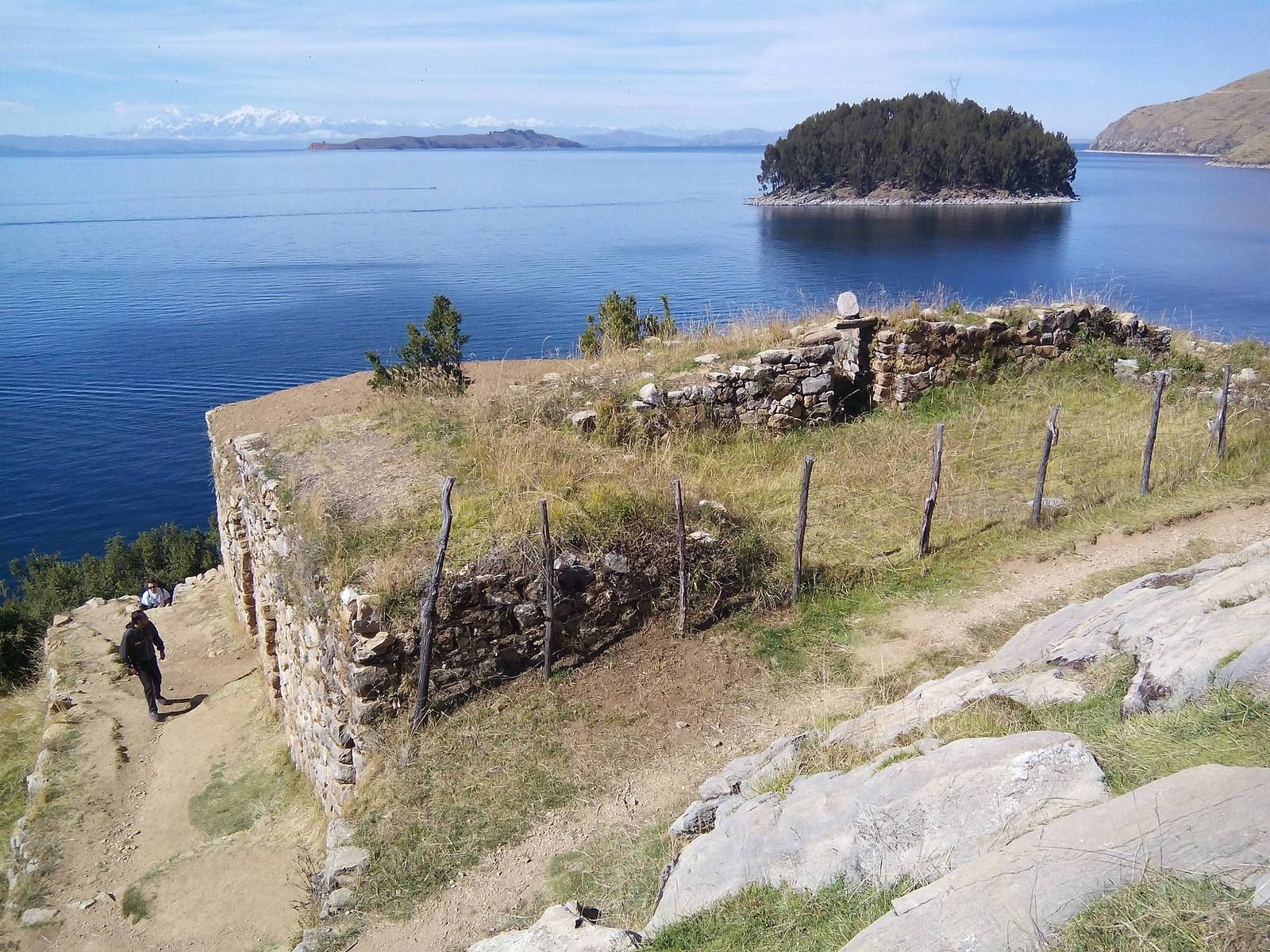
Pillkukayna is an Inca temple on the shore of the Island of the Sun in Lake Titicaca, Bolivia. It is believed to have been built by the emperor Túpac Yupanqui, who ruled from 1471 until his death in 1493, during the Late Horizon, the Andean period of Inca imperial dominance. The temple’s specific function is unknown.
Name and local tradition
The temple is also known as the Temple of the Sun. A tradition in the community of Yumani connects the name Pilkokaina to Aymara, an Indigenous language of the central Andes. The name is understood as “the place where the bird rests,” with “bird” possibly referring to a hummingbird. A 1957 work titled Copacabana gives Qayma as another name and interprets it as “something left behind” or “a little-frequented corner.”
Study and protection
The temple appeared in History of the Conquest of Peru, published in 1851, and in an illustration in Ridpath’s History of the World in 1897. German archaeologist Max Uhle visited from October 23 to 26, 1894. In 1992, Pillkukayna was included in the National Archaeological Park of Copacabana, the Island of the Sun, and the Island of the Moon, established by a Bolivian Supreme Decree, a formal instrument of the national executive. Archaeologists Brian S. Bauer and Charles Stanish remapped the site in 1996.
Remains
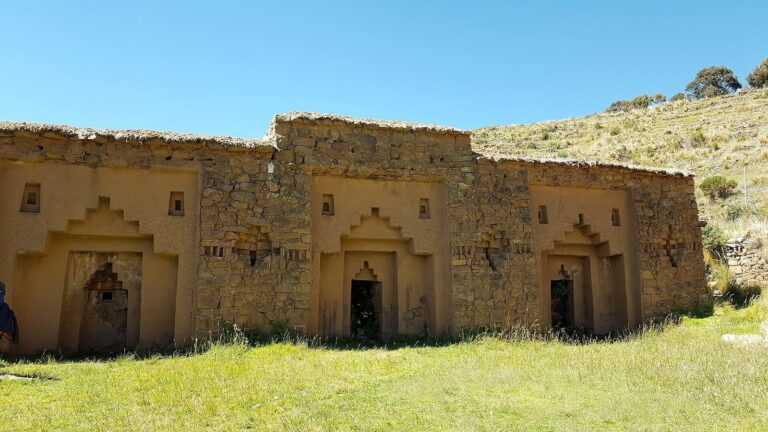
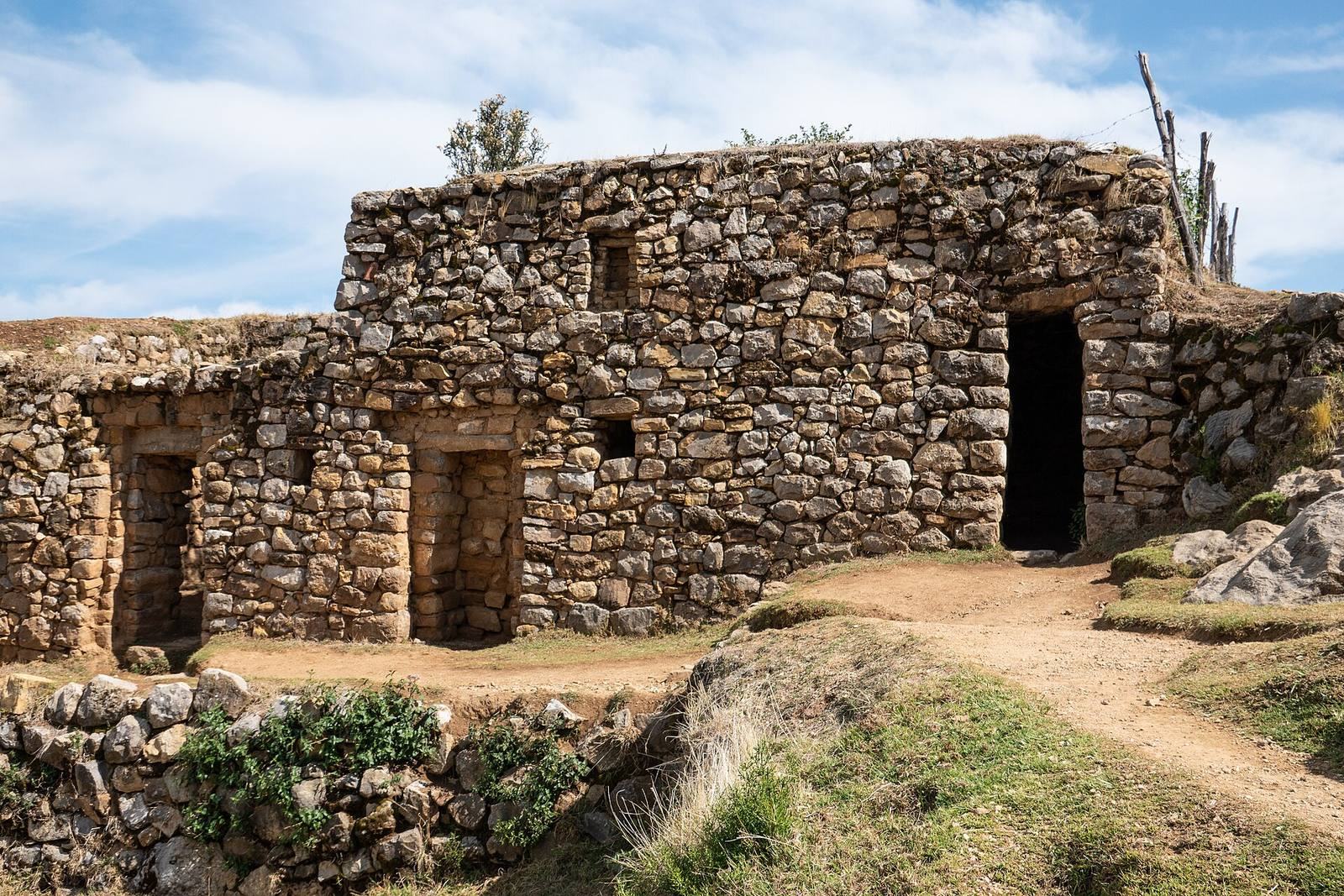
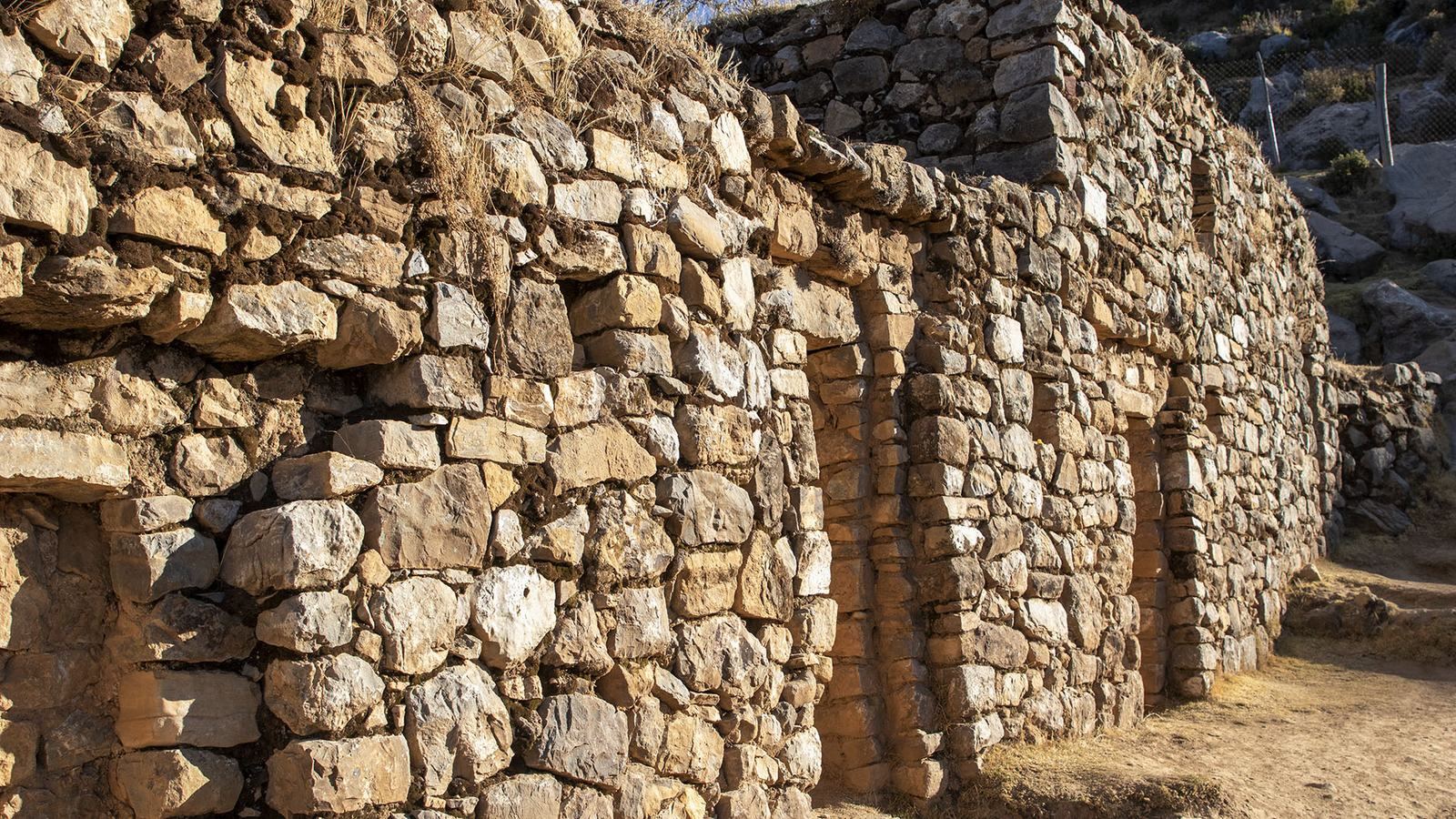
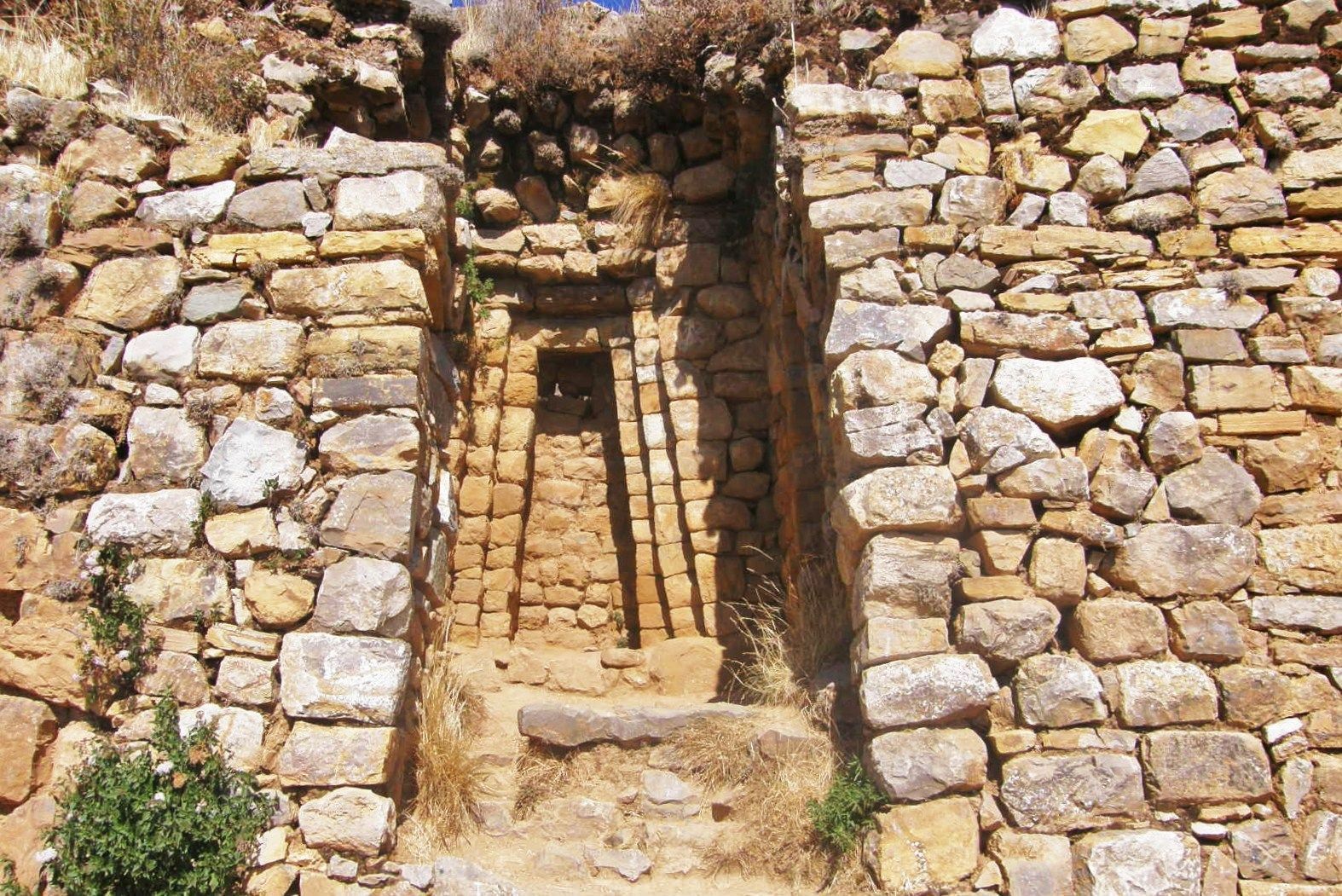
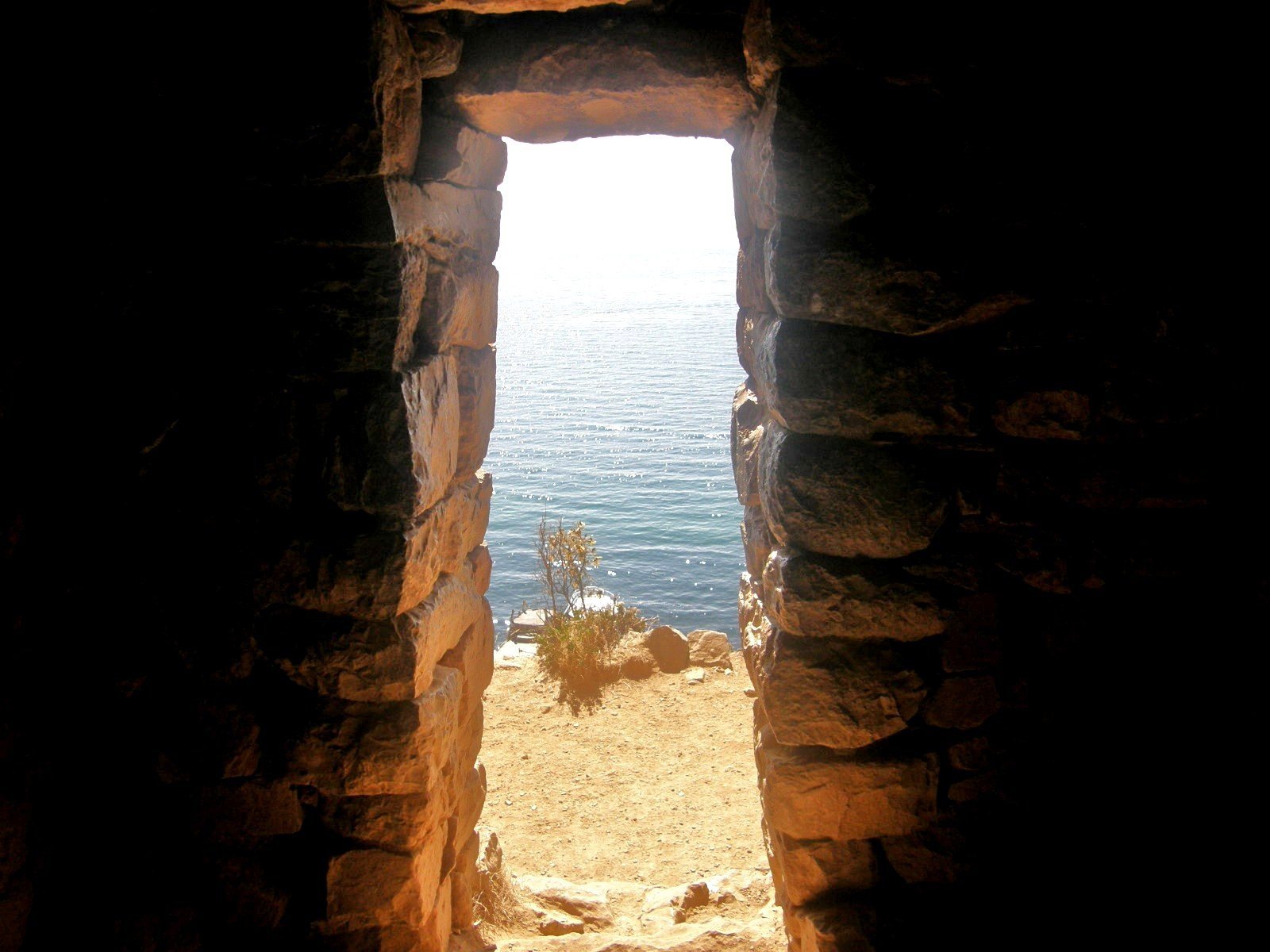
Pillkukayna is a two-storey temple with several chambers incorporated into a system of terraces. The structure measures about 15.5 by 13.4 metres, and its upper portion has partly collapsed. The interior rooms are small and high, with stone vaults forming their ceilings. On the ground floor, sturdy walls built of unworked stone and mortar survive.
Stepped frames surround the niches and doorways. Their trapezoidal, double-frame treatment has been interpreted by Jessica Joyce Christie as an Inca adoption of a feature characteristic of Tiwanaku, a major pre-Inca Andean civilization centered near Lake Titicaca. The temple may once have been coated in clay painted red and yellow. It stands on the lakeshore; the community of Yumani is 1.4 kilometres away in the southern part of the island.