Heidetränk-Oppidum: A Celtic Fortified Settlement in Germany
Site at a Glance
- Rating
- 4.2
- Popularity
- Very Low
- Country
- Germany
- Primary era
- Iron Age
- Eras represented
- Iron Age
- Civilizations
- Celtic
- Site type
- Settlement
- Remains
- City
On this page11 sections
History
Growth and decline
The Heidetränk-Oppidum is a Celtic fortified settlement near Oberursel in Germany that expanded to urban scale in the late second century BC. A smaller settlement on Goldgrube dates to the third century BC. The larger center flourished during the Late La Tène period, the later phase of the Iron Age culture associated with Celtic Europe, and became one of Europe’s most important Celtic fortified settlements.
The oppidum had lost importance by the middle of the first century BC and was abandoned before Roman occupation later extended into parts of Hesse. It postdates nearby complexes at Altkönig, dated to the fifth or fourth century BC, and Bleibeskopf, dated to the eighth century BC.
Archaeological investigation
Christian Ludwig Thomas began excavating the settlement in the late nineteenth century and carried out the first archaeological investigation of the Heidengraben in 1911. Investigations continued into the early twenty-first century, refining understanding of the site’s extent and organization.
Remains
Settlement layout
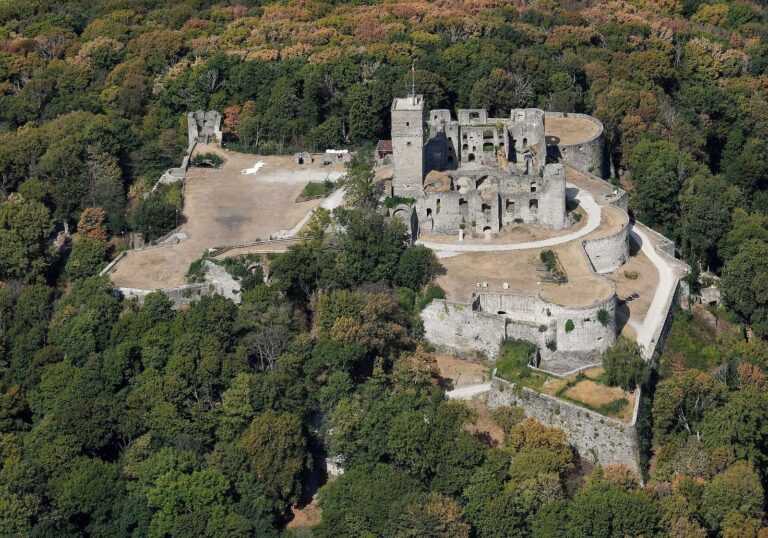
The settlement occupies the slopes of the Urselbachtal, also called the Heidetränktal, and extends across two ridges: Goldgrube, 492 metres high, northeast of the valley, and Altenhöfe, 575 metres above sea level. The enclosed complex covers about 130 hectares, while the broader occupied area is estimated at about 380 hectares. Its zones comprise a central area on Goldgrube, an upper town around hillside terraces, and a lower town extending from the Urselbachtal to the Heidengraben.
Defensive works
Ramparts and gates
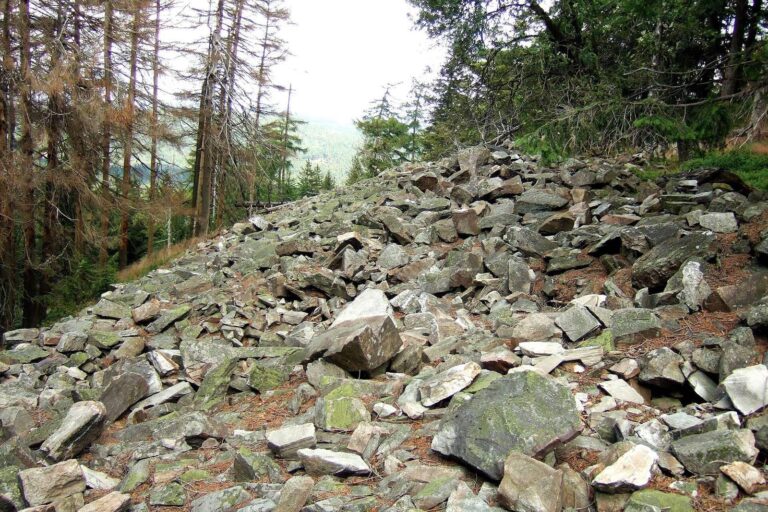
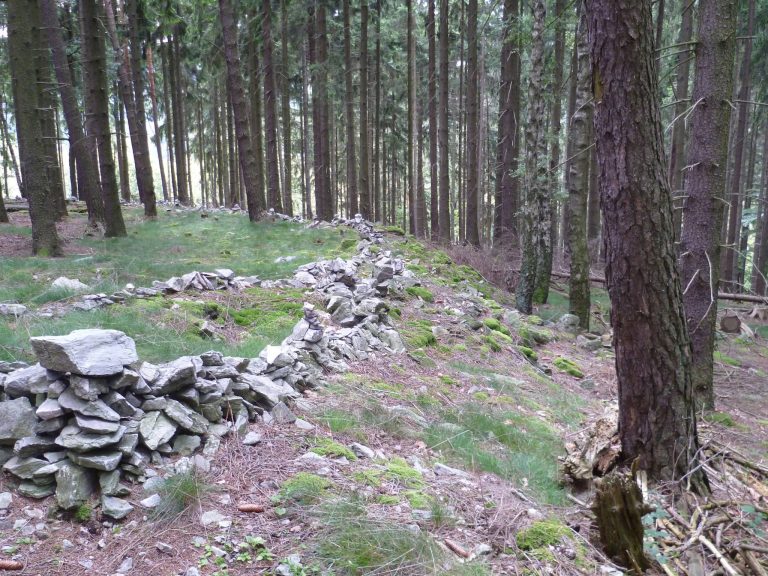
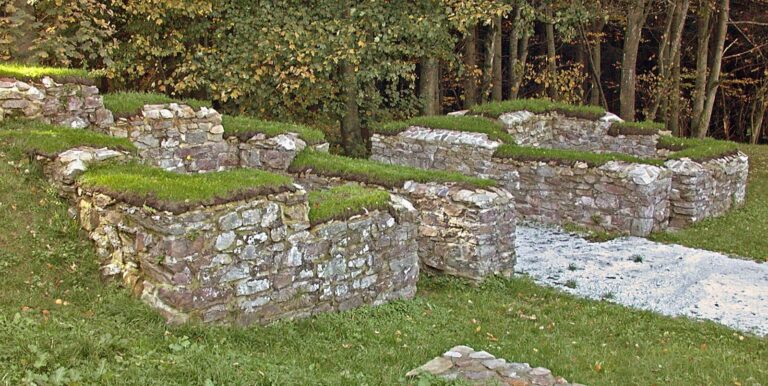
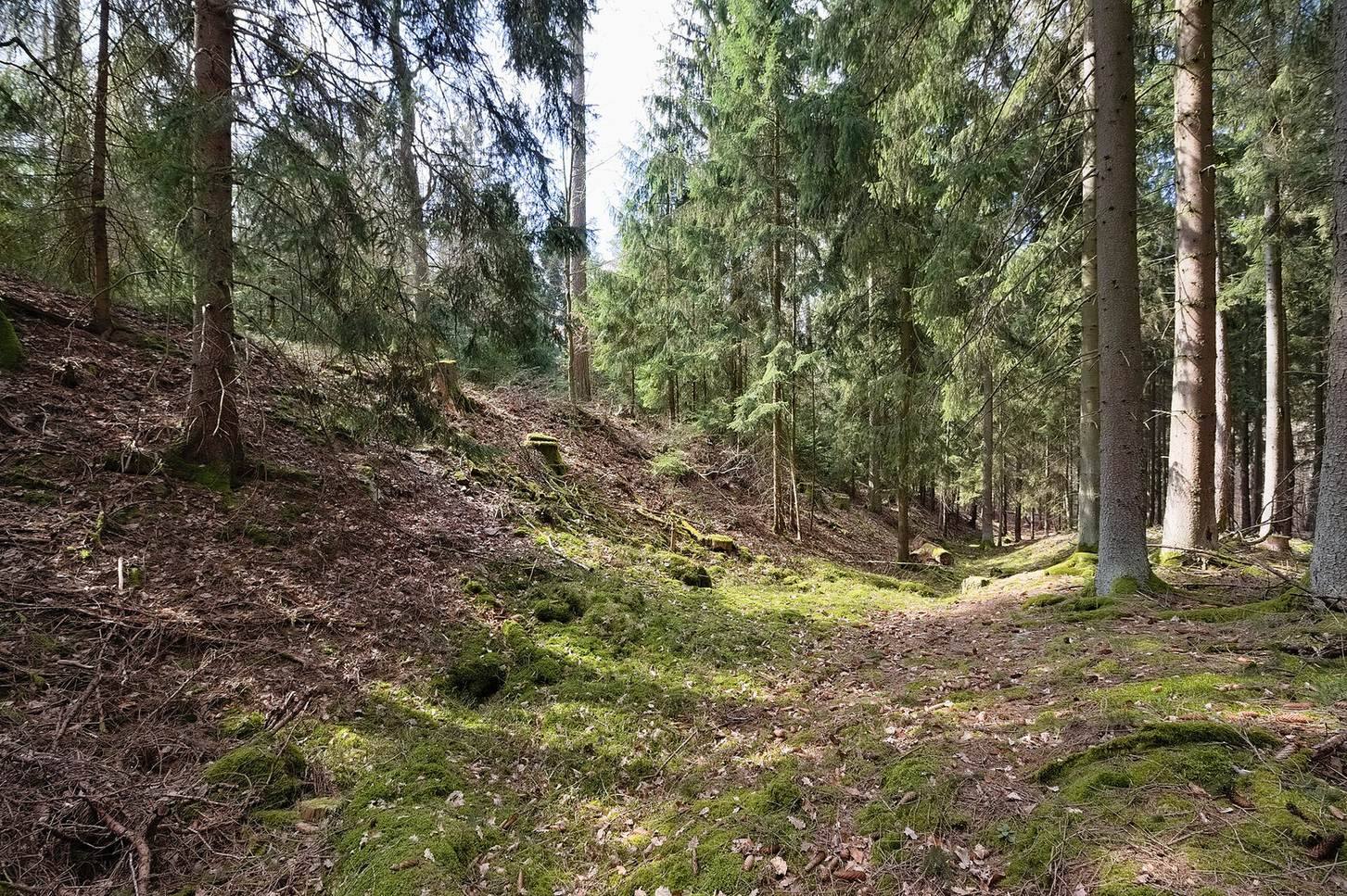
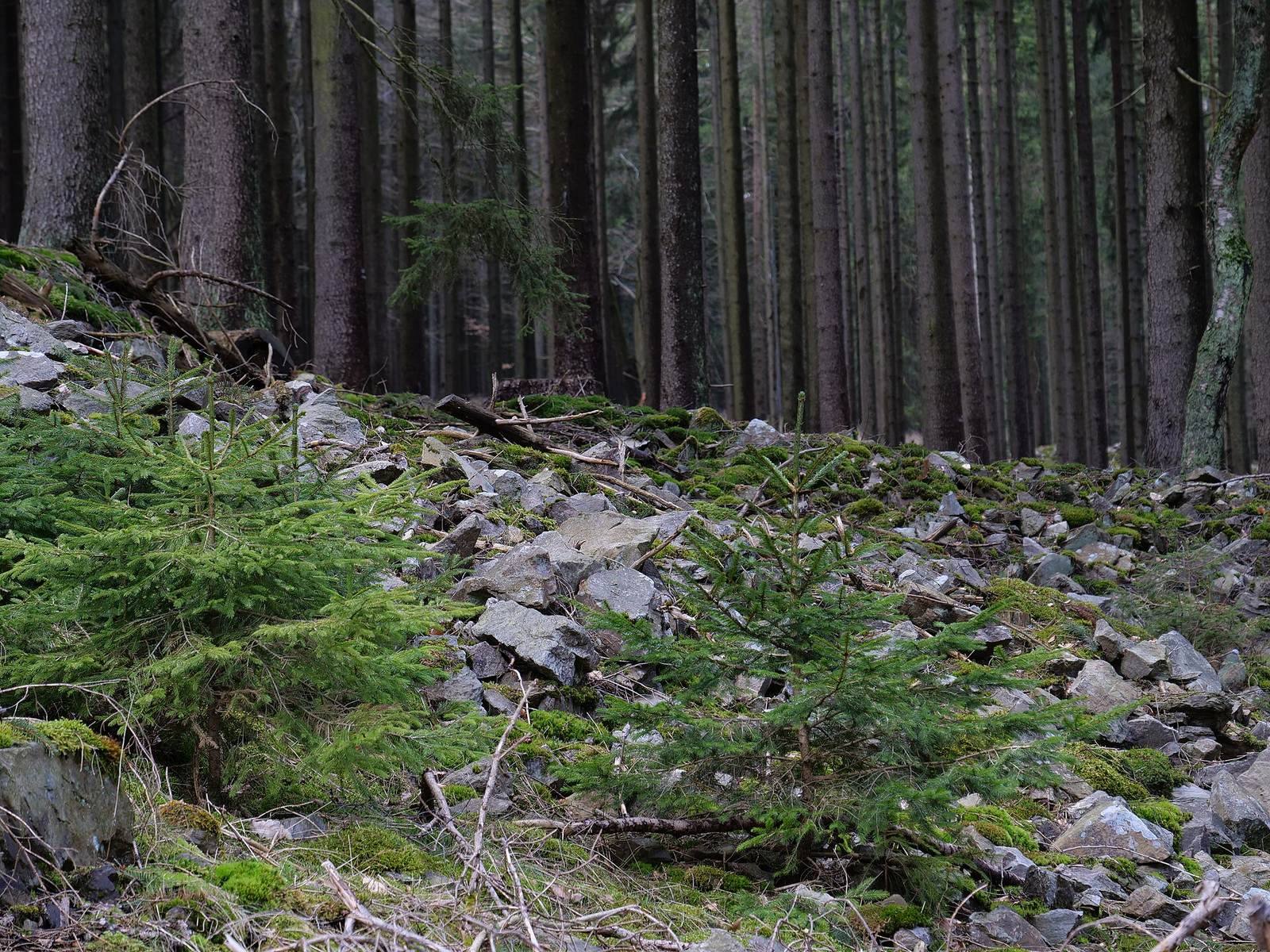
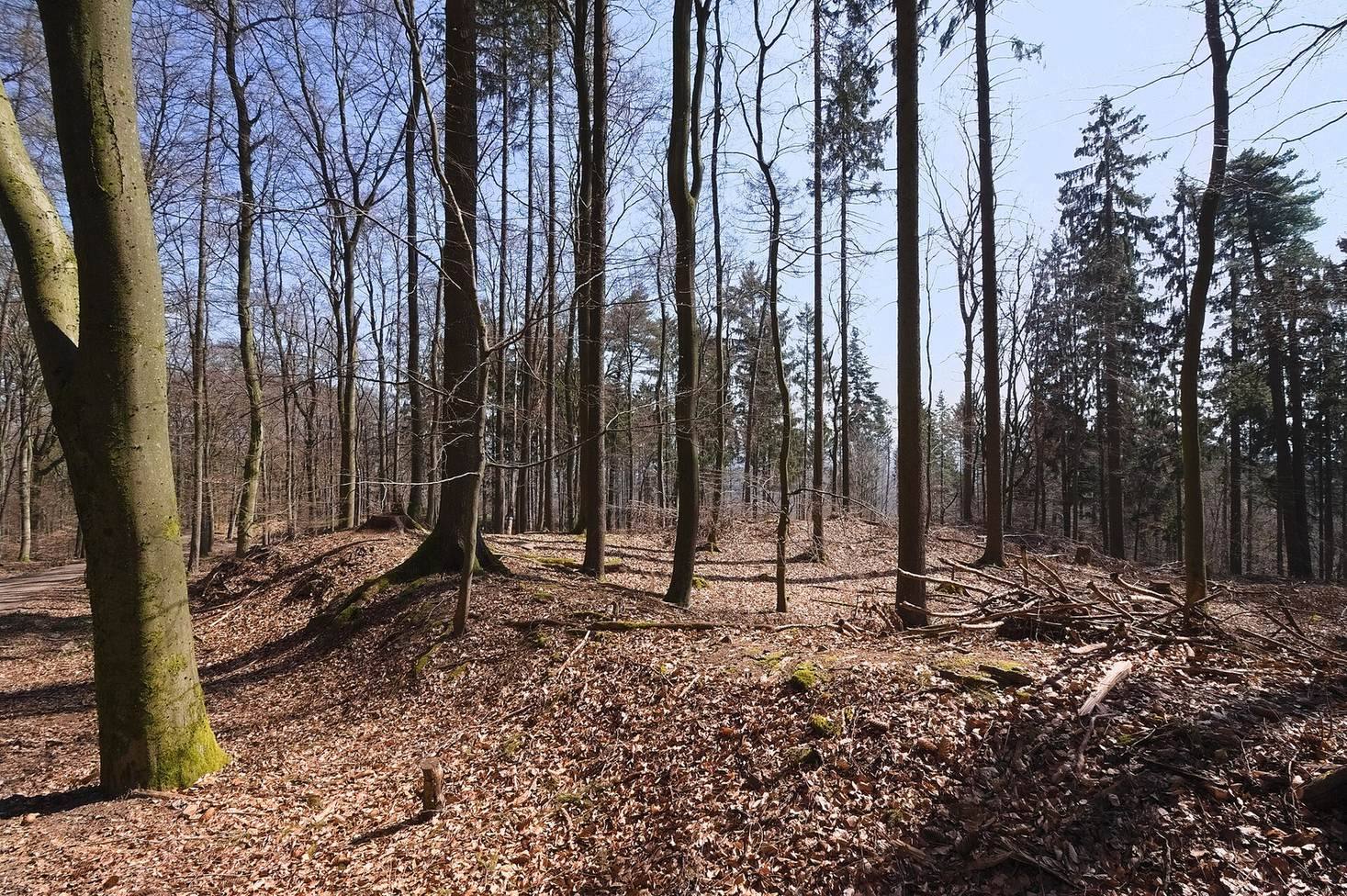
Ring ramparts ran for about 10 kilometres around opposite sides of the ravine. On Goldgrube, long stretches remain particularly visible, including dry-stone wall remains that protected the settlement. The outer perimeter wall was built with upright posts set in slots in the structure; it stood 4–5 metres high and was about as wide. Six pincer gates, with flanking wall sections projecting toward their entrances, pierced the ramparts. The southeastern and northeastern gates can still be distinguished by their raised earthworks in the forest.
Heidengraben
The Heidengraben is a linear earthwork of rampart and ditch just outside Oberursel’s urban area. It is interpreted as a defensive barrier protecting the Urselbachtal in front of the Goldgrube and Altenhöfe ramparts, an interpretation strengthened by more recent investigations.
Habitation and finds
House platforms
About 160 habitation platforms have been identified. These terraces probably supported houses. Excavations also uncovered postholes, hearths, and remnants of equipment.
Tools and coins
Finds include iron ploughshares, sickle knives, hoes, scythe blades, and other tools that attest to skilled craftwork. Celtic coins include the Nauheim quinarius, a small silver coin type probably minted at the oppidum. Most finds are now held by the Vortaunus Museum in Oberursel. A hoard of 349 Celtic silver coins is represented in the Frankfurt and Munich collections by original coins and copies.