Grapevine Canyon Petroglyphs: Rock Art in Nevada
Site at a Glance
- Popularity
- Medium
- Country
- United States
- Primary era
- Medieval
- Eras represented
- Medieval, Early Modern, Modern
- Civilizations
- Unclassified
- Site type
- Civic
- Remains
- Rock Art
History
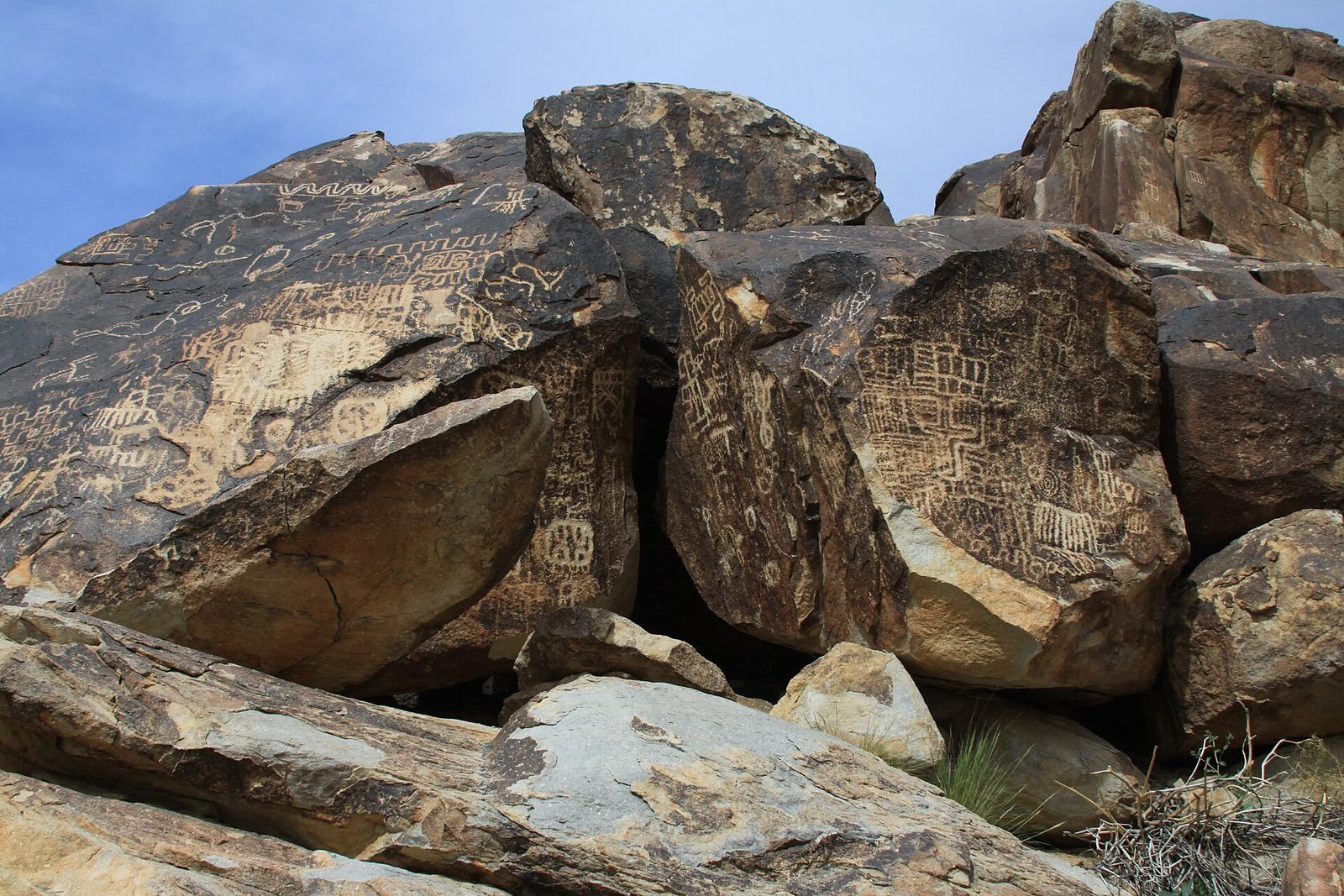
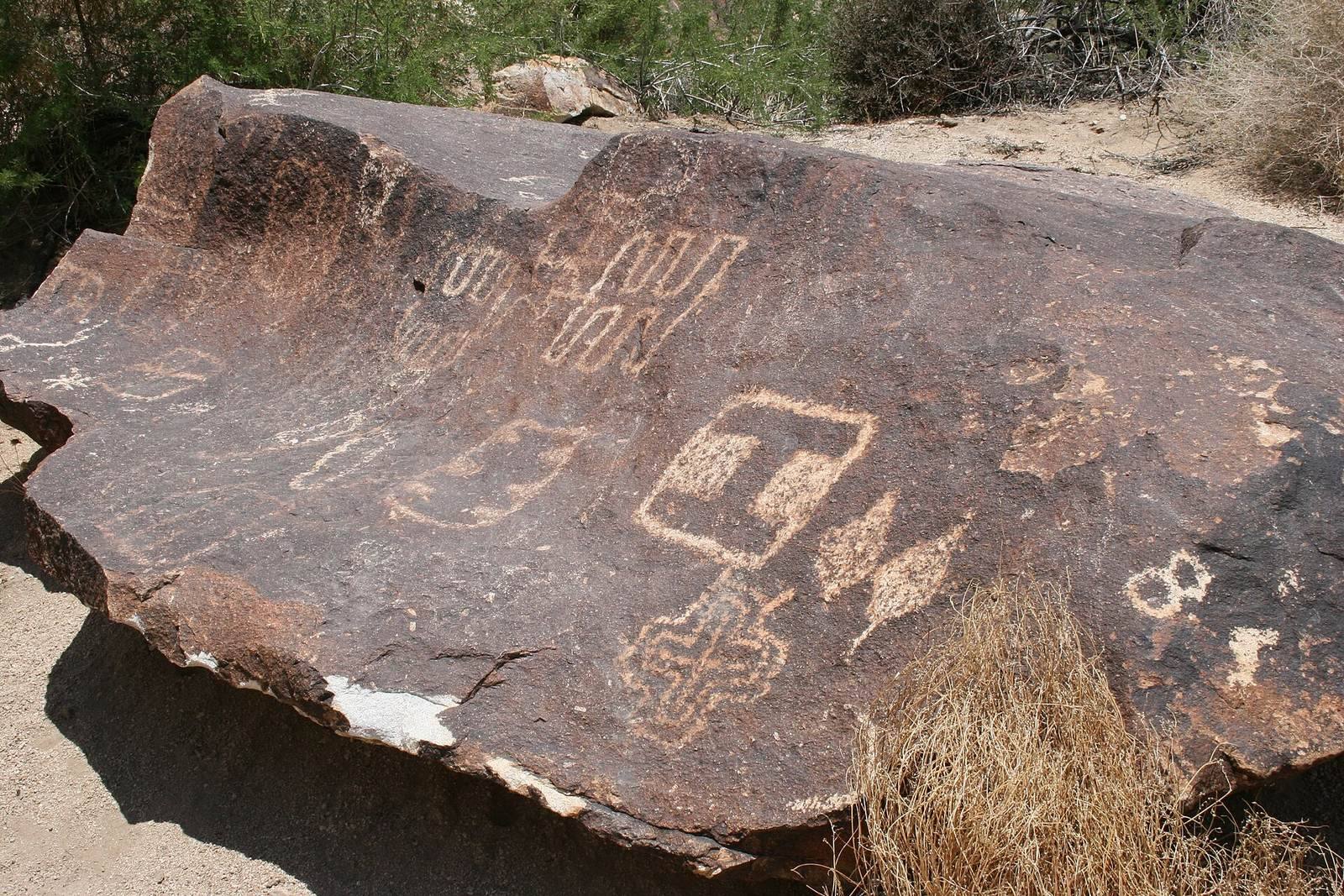
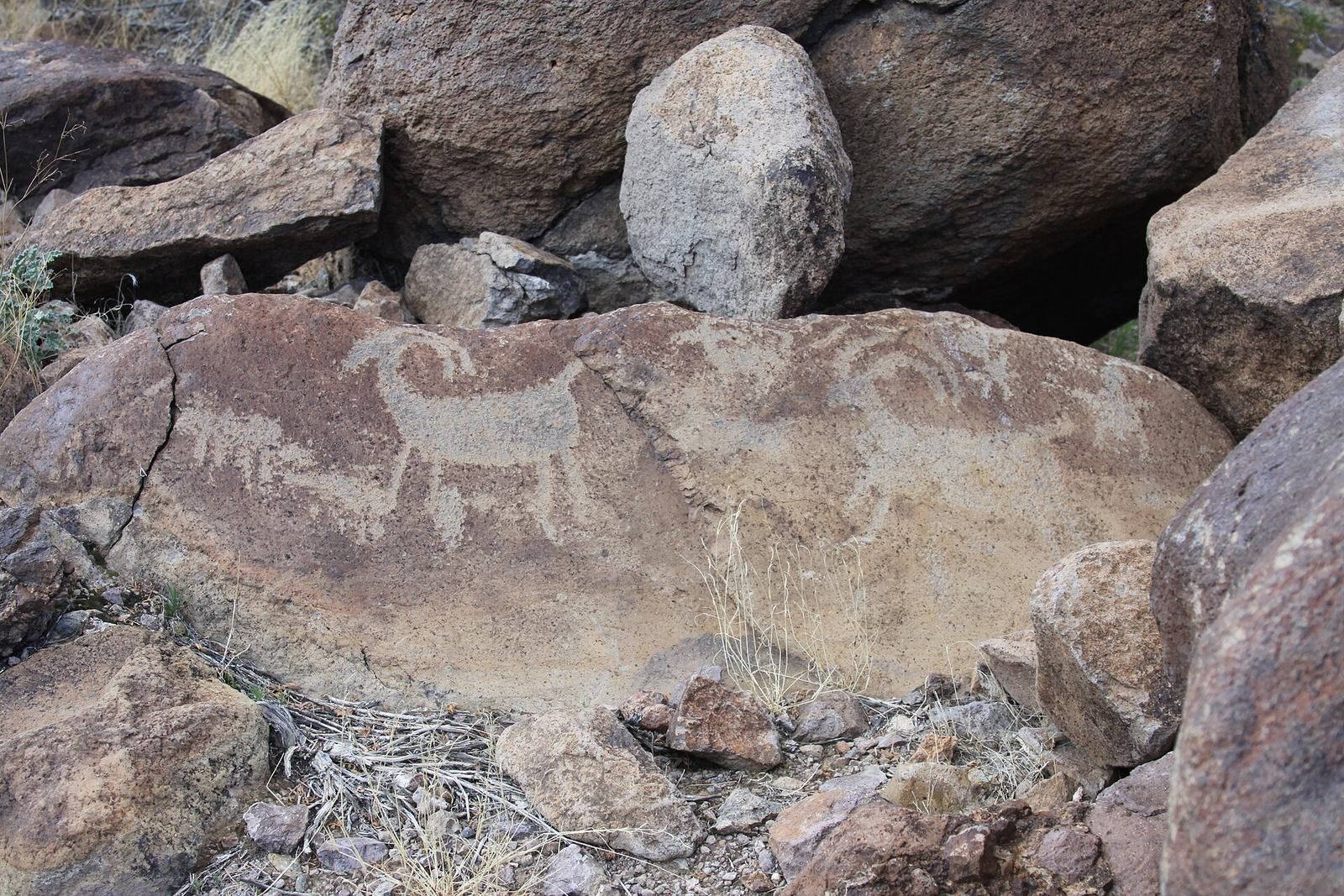
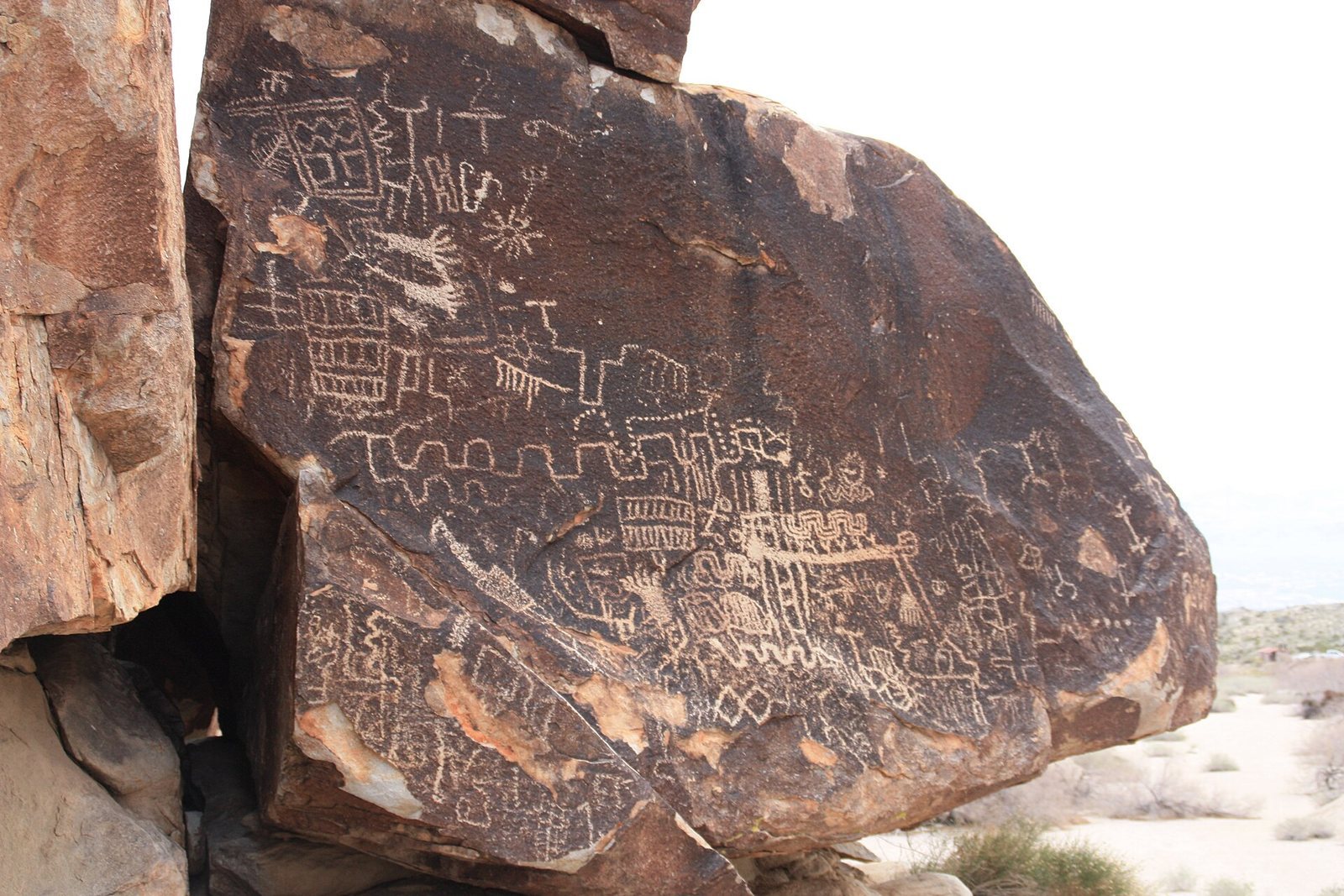
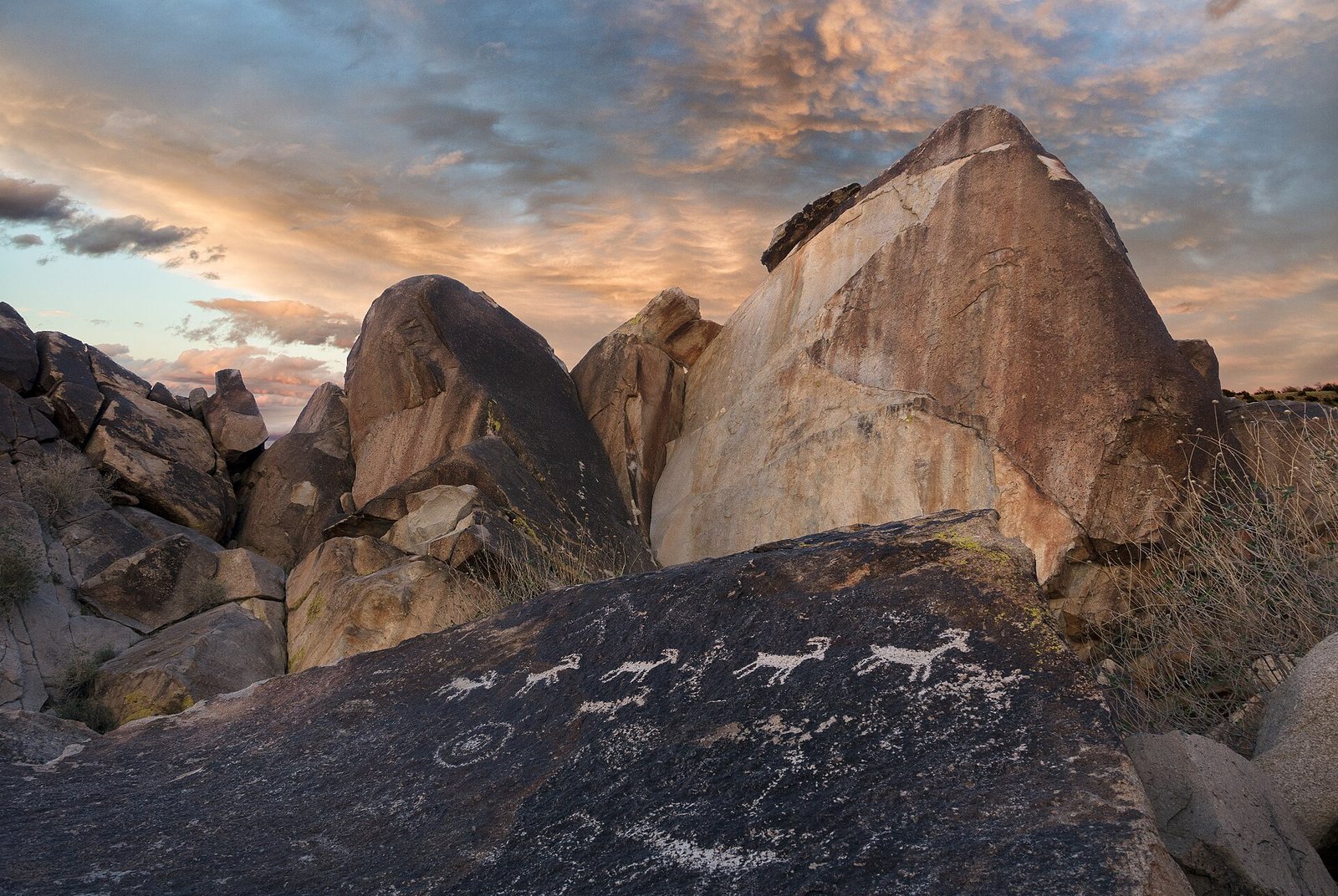
The Grapevine Canyon Petroglyphs are a rock-art site near Laughlin, Nevada, in the United States. The carvings date from AD 1100 to 1900. The surrounding region was inhabited by the Mojave, an Indigenous people of the lower Colorado River region and nearby areas, but the artists and meaning of the images remain uncertain.
The site joined the National Register of Historic Places, the U.S. federal list of historic properties recognized for their significance, on December 15, 1984. In March 2010, David R. Smith and two others defaced carvings in 30 areas with an automatic paintball gun. Smith was sentenced to federal prison and ordered to pay nearly $10,000 in restitution.
Remains
The surviving remains include more than 700 petroglyphs, distributed across an estimated 250 panels, and many rock shelters. The carvings extend along Grapevine Canyon on Spirit Mountain, in an area also known as Christmas Tree Pass. The canyon lies within the Bridge Canyon and Spirit Mountain wilderness areas and partly within Lake Mead National Recreation Area. Its entrance is at an elevation of 2,395 feet (730 m). Most carvings are near the entrance or just inside it; others occur on either side, while a few are farther into the canyon. A path leads into the canyon. The panels were mapped in 2009.