Church of Saint James the Greater in Zbraslav: A Monastery Church and Catholic Parish
Site at a Glance
- Popularity
- Medium
- Country
- Czechia
- Primary era
- Early Modern
- Eras represented
- Medieval, Early Modern
- Civilizations
- Habsburg, Habsburg Austria, Holy Roman Empire, Kingdom of Bohemia
- Site type
- Religious
- Remains
- Church
On this page9 sections
History
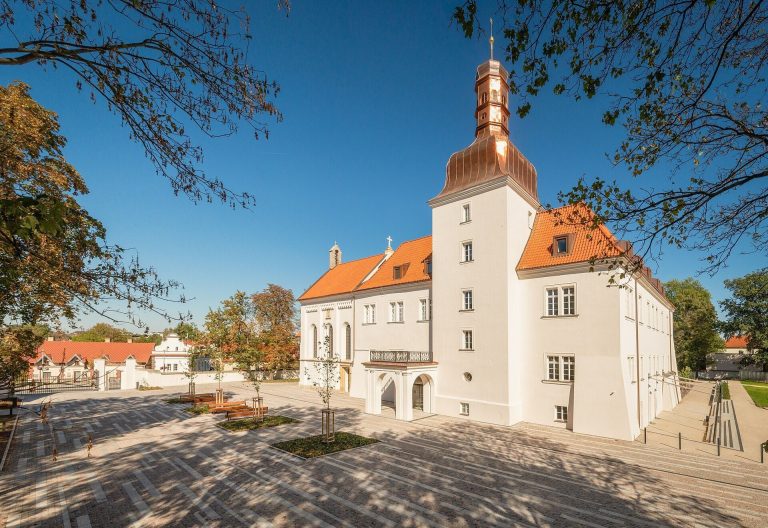
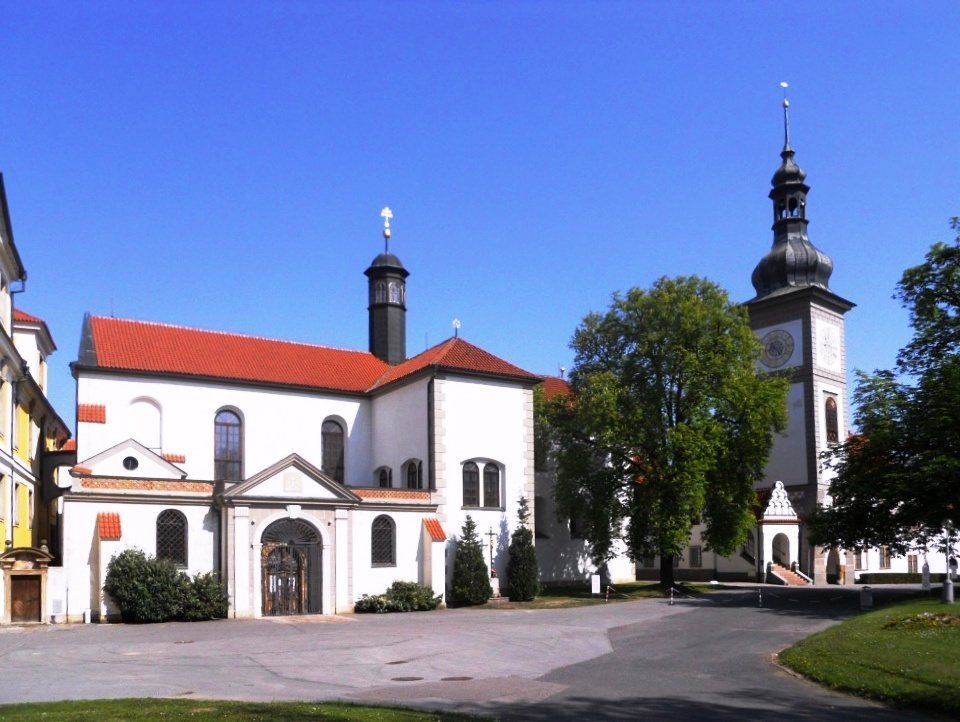
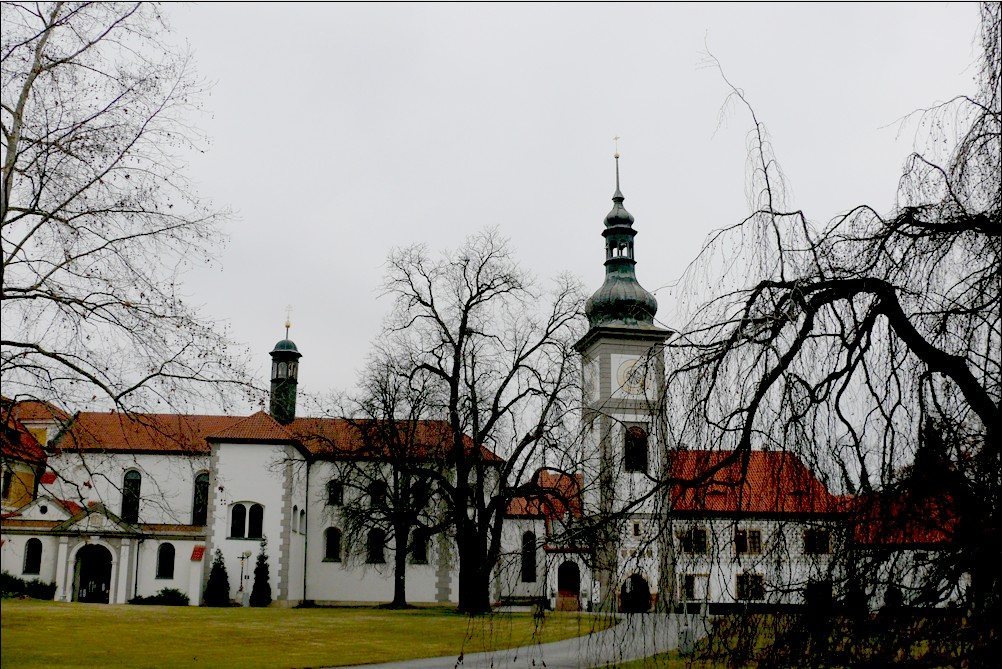
The Church of Saint James the Greater in Zbraslav is a Catholic parish church in Czechia, with a Gothic origin and a mid-17th-century rebuilding in the early Baroque style. It began as a chapel and became part of the Cistercian monastery established at Zbraslav.
From Zbraslav to a monastic foundation
Zbraslav is first mentioned in 1115, when Duke Vladislaus I granted it to Kladruby Monastery, a Benedictine house that established a provostry, or religious community led by a provost. During the 13th century, Zbraslav belonged to the bishop of Prague. King Ottokar II of Bohemia exchanged it for other estates and had a hunting manor built there.
In 1291, Ottokar’s son, King Wenceslaus II, resolved to establish a Cistercian monastery at Zbraslav. The Cistercians were a Catholic monastic order, and Wenceslaus was said to have favored them. A chapel dedicated to St James the Greater already stood there when the founding community arrived. It provided a place of worship while the monastery church was being built and temporarily served the community’s intended royal burial role.
Monastery fortunes and the Baroque rebuilding
The church shared the monastery’s changing fortunes. The abbey flourished, and its abbots gained influence in the politics of the Kingdom of Bohemia. After a change of ruling dynasty and the transfer of the royal burial place to St Vitus Cathedral, Prague’s principal cathedral, the monastery declined in importance.
The Hussites, a religious reform movement in Bohemia, badly damaged the monastery. The Swedish army also left its mark there. Following the Thirty Years’ War, the major European conflict fought from 1618 to 1648, the monastery prospered again. In the mid-17th century, the church was enlarged and remodeled in the early Baroque style. The newly built abbey church of St James was consecrated in 1654.
Royal remains and the church today
By the end of the 19th century, a box containing royal remains was in the church. Anthropologist Emanuel Vlček identified them as the remains of Wenceslaus II, the monastery’s benefactor Elizabeth of Bohemia, and probably one of Elizabeth’s twin daughters, also named Elizabeth. On 23 June 1991, the remains were reburied in a grave in the floor beside the presbytery entrance.
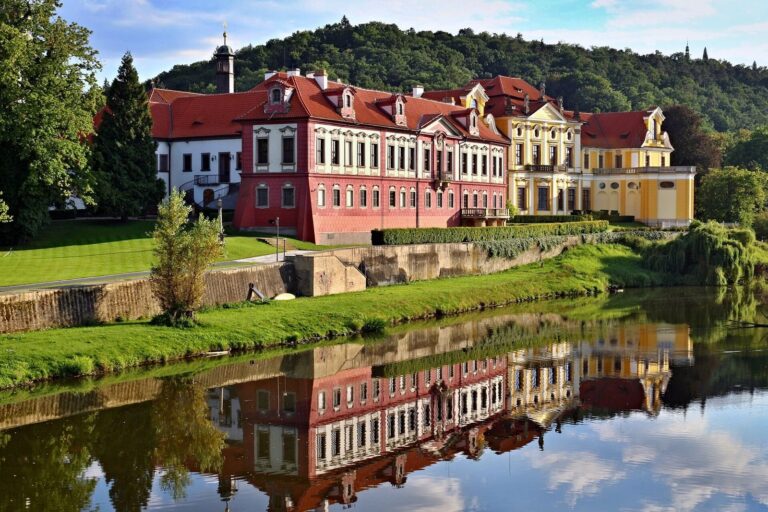
The church serves the Catholic parish of Prague-Zbraslav within the Archdiocese of Prague. Since 1995, it has been a Czech National Cultural Monument, the country’s highest category of protected cultural heritage, and forms part of the protected Zbraslav Monastery complex.
Remains
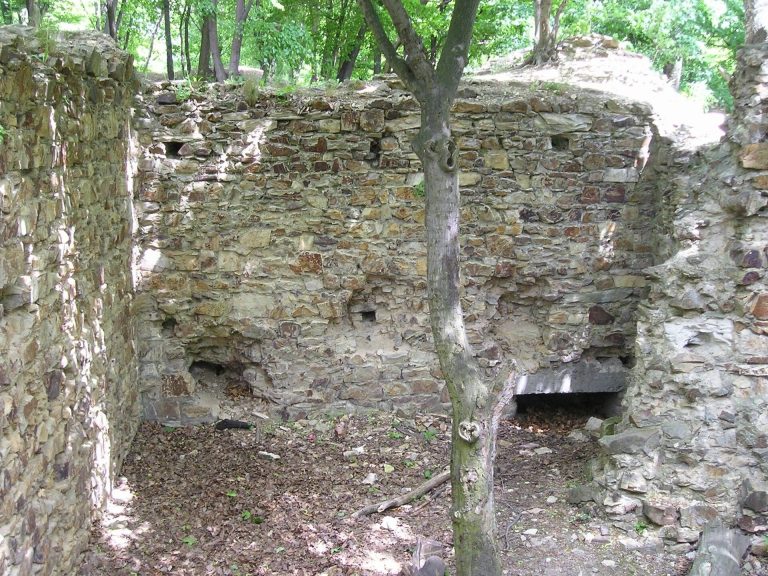
The church began as a Gothic chapel and was enlarged and remodeled in the early Baroque style in the mid-17th century. Its described interior features include an altar in the south nave, the southern section of the main church hall, and a monument and grave beside the presbytery entrance. The presbytery is the area around the main altar.
Interior features and memorials
The Zbraslav Madonna
A copy of the Zbraslav Madonna stands on an altar in the south nave. The original is a mid-14th-century painting on a beechwood panel, showing the Virgin Mary as a half-figure with the Child. It measures 89 by 60 by 5 centimetres and uses blue-green tones built up through glazing, a method of layering translucent color. The original is displayed at the National Gallery in Prague’s Convent of St Agnes. A possible connection between the image and Charles IV, King of Bohemia and Holy Roman Emperor, has been considered on the basis of its imagery.
Paintings and monument
The church contains Giovanni Battista Piazzetta’s painting of the Assumption of the Virgin Mary, made in 1743-1744, as well as paintings by Czech artists Petr Brandl and Karel Škréta. A monument to Přemysl the Ploughman, the legendary founder of the Přemyslid dynasty, stands by the presbytery entrance. Jan Štursa made the sculpture with architect Pavel Janák.
Royal grave
A grave set into the floor beside the presbytery entrance holds the reburied remains.