Kastamonu Castle: A Byzantine Fortress in Turkey
Site at a Glance
- Rating
- 4.6
- Popularity
- Very High
- Country
- Turkey
- Primary era
- Medieval
- Eras represented
- Medieval
- Civilizations
- Byzantine
- Site type
- Military
- Remains
- Castle
History
Kastamonu Castle is a Byzantine fortress within the modern city of Kastamonu, Turkey, built in the 10th century by the military commander Manuel Erotikos Komnenos. It was called Kastra Komnenon, meaning “Castle of the Komnenoi,” the Byzantine ruling family. An altered later form of the name gave rise to Kastamonu.
The Çobanoğlu, an Anatolian Turkish ruling house, captured the city and castle on behalf of the Seljuks of Rum, the Seljuk state based in Anatolia. Control later passed to the Candaroğulları, another Turkish ruling house, and then to the Ottoman Empire. During the Candarid period, the inner castle was restored.
The 1943 Tosya-Ladik earthquake destroyed part of the castle. Kastamonu Municipality carried out a partial restoration in 2005.
Remains
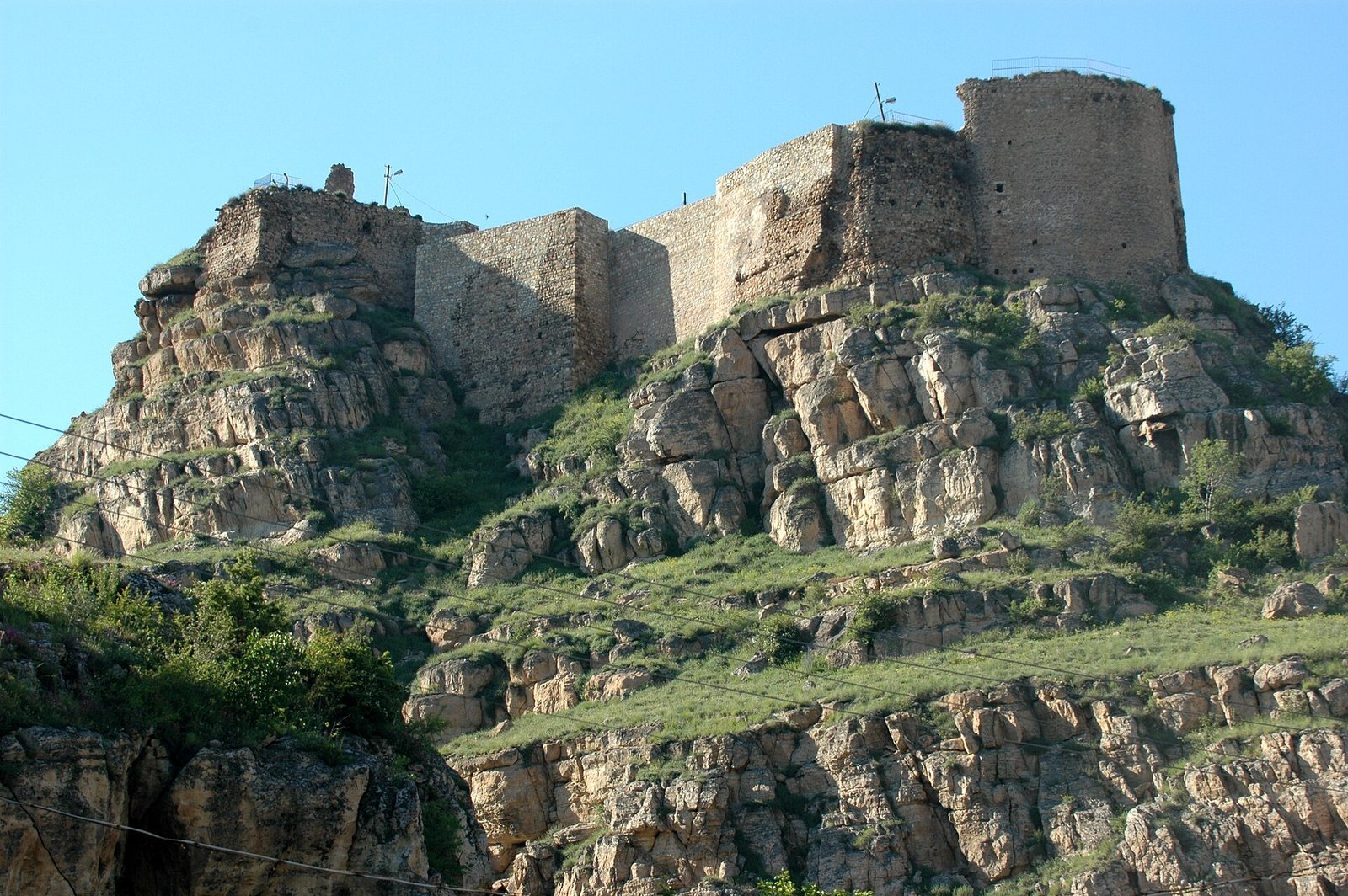
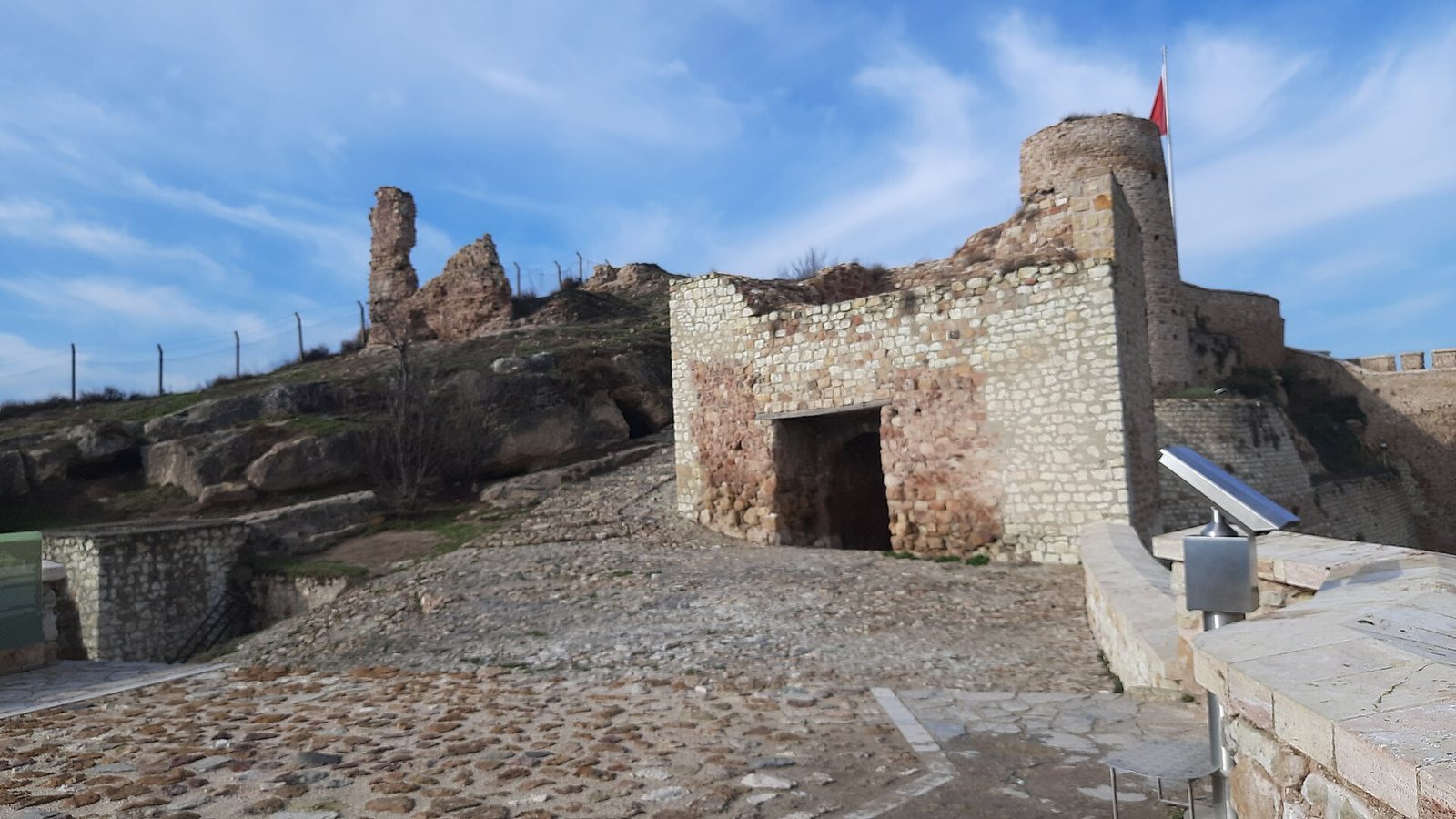
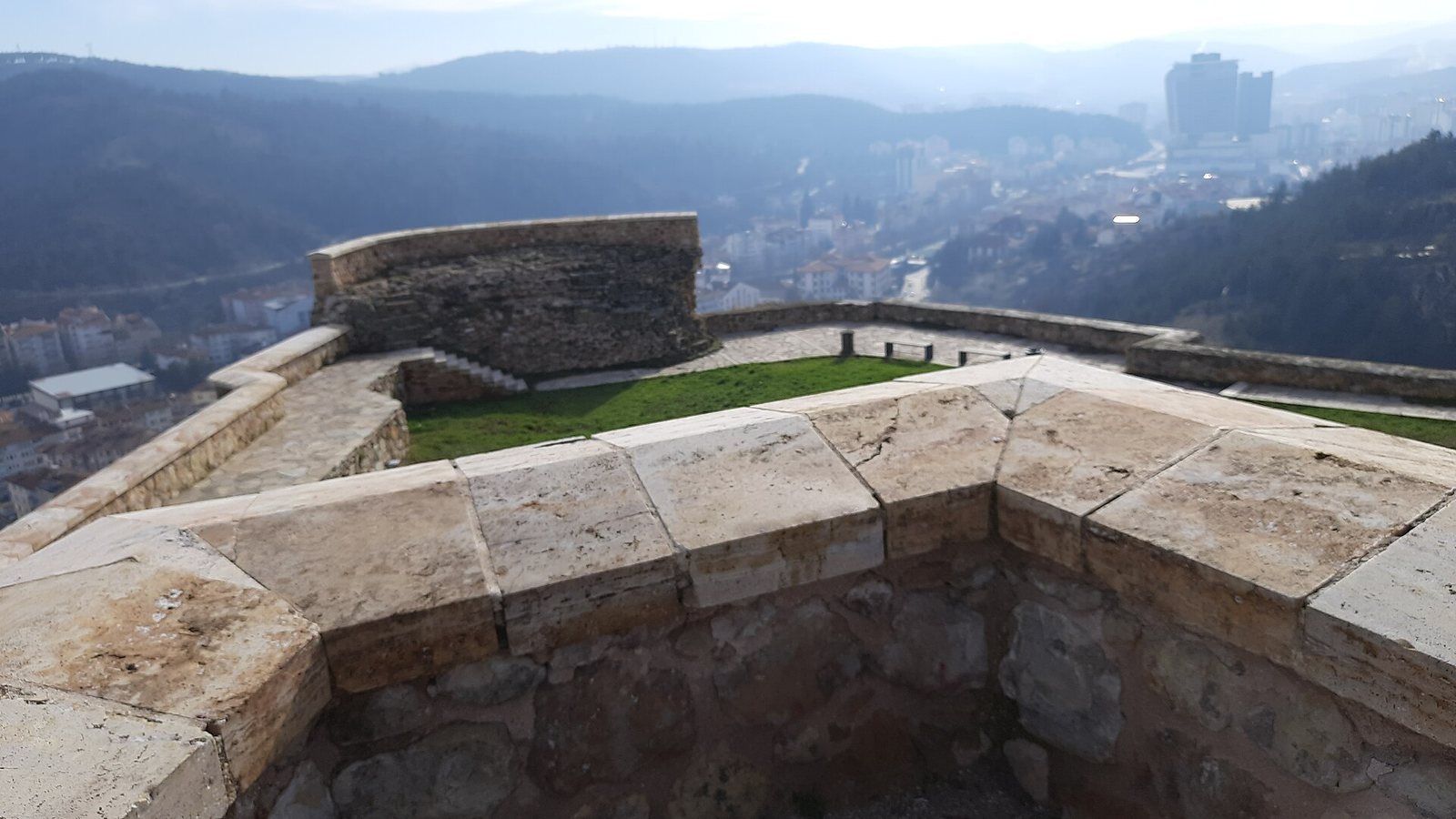
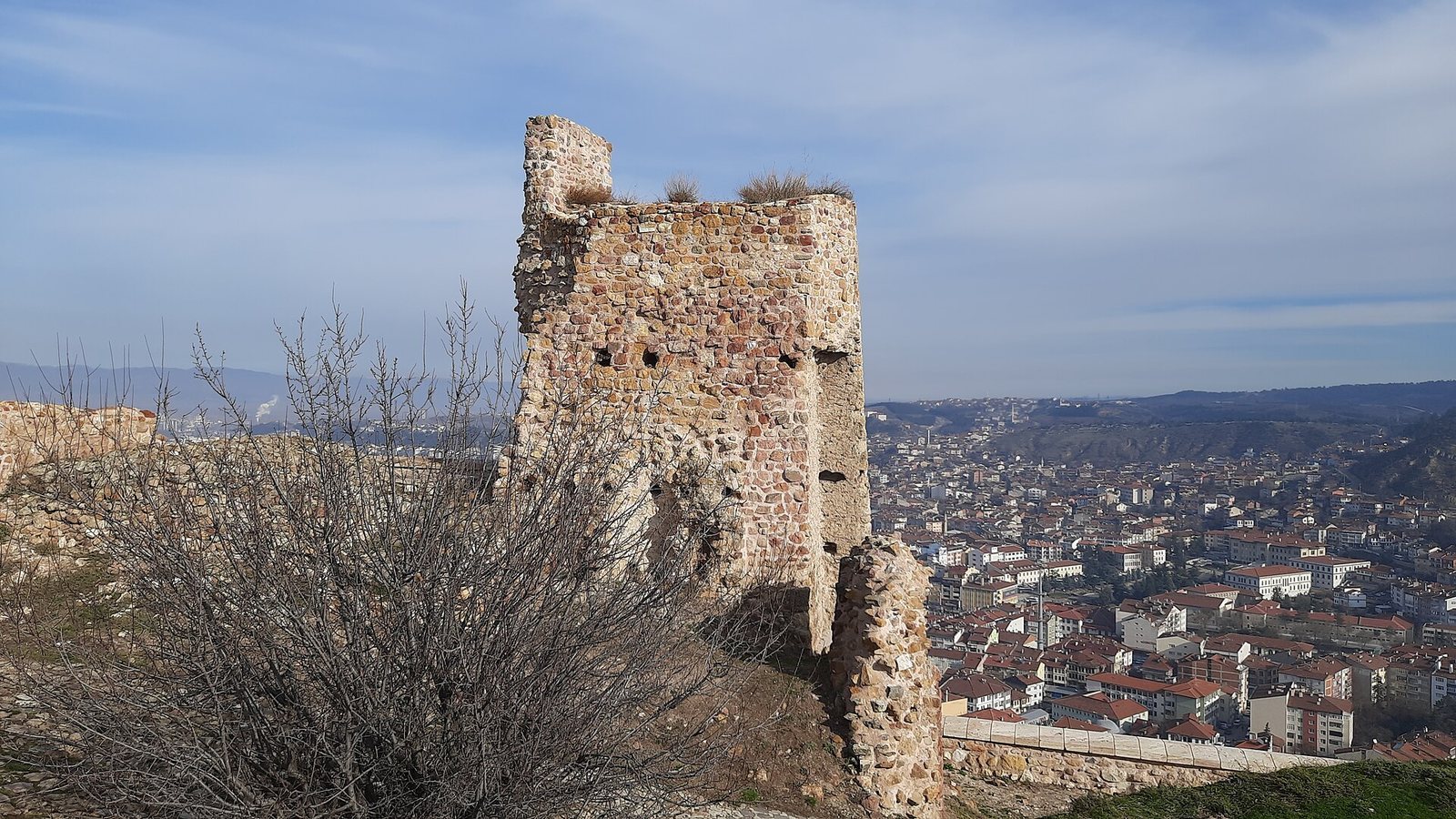
The stone fortress stands within the modern city, slightly southwest of its center, at an elevation of about 860 metres. Its original defenses enclosed the city, but only the inner castle is partly standing today. The castle extends 155 metres from north to south, with a width ranging from 30 metres at its narrowest to 50 metres at its widest. Its surviving defenses include 15 bastions, projecting defensive structures, and a concealed passage leading to the outer castle.