Kittur Fort: A Ruined Fort and Archaeological Site in India
Site at a Glance
- Popularity
- Medium
- Country
- India
- Primary era
- Early Modern
- Eras represented
- Medieval, Early Modern
- Civilizations
- Chalukya
- Site type
- Military
- Remains
- Fort
On this page6 sections
History
The Desai principality and the 1824 revolt
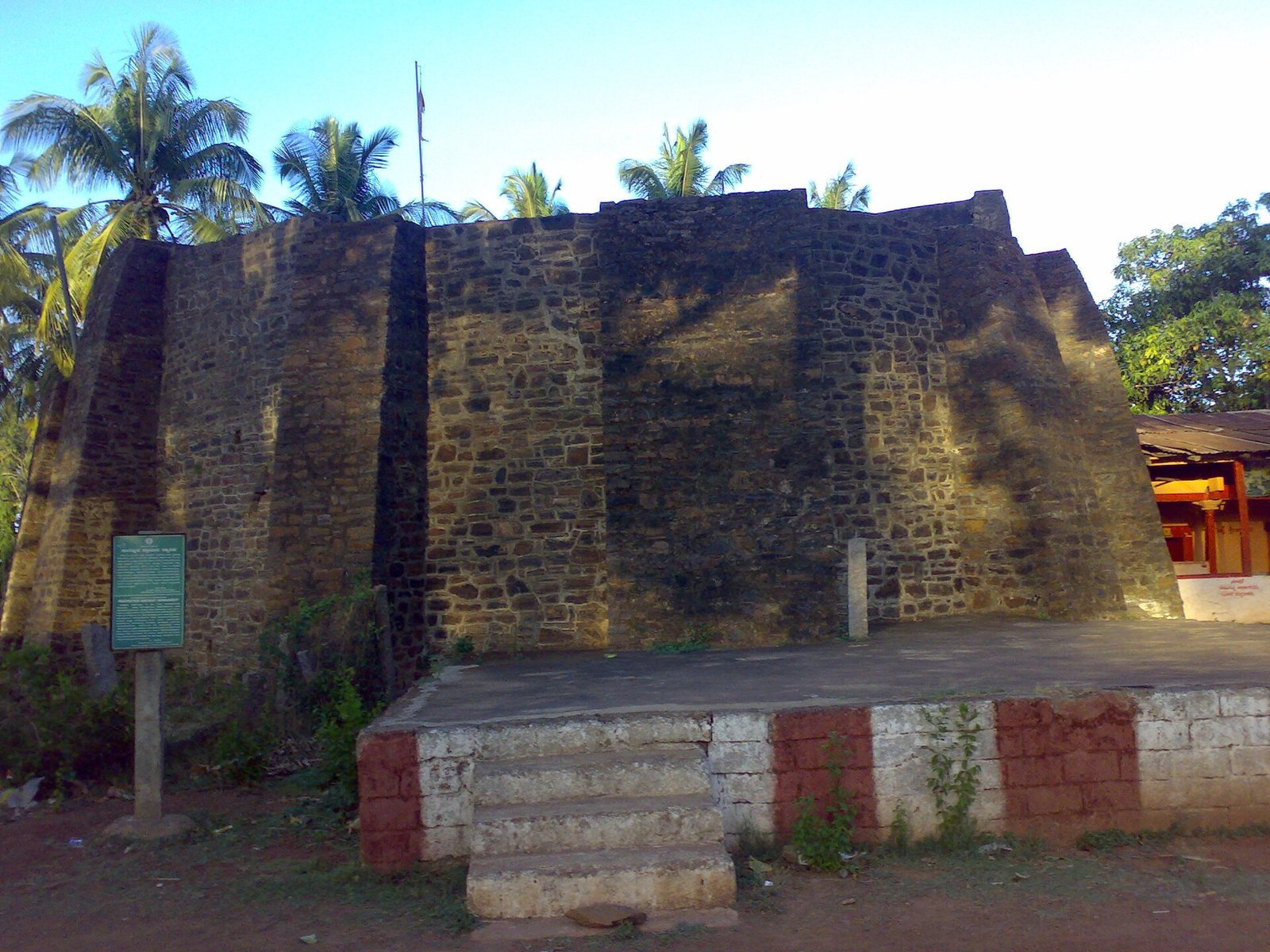
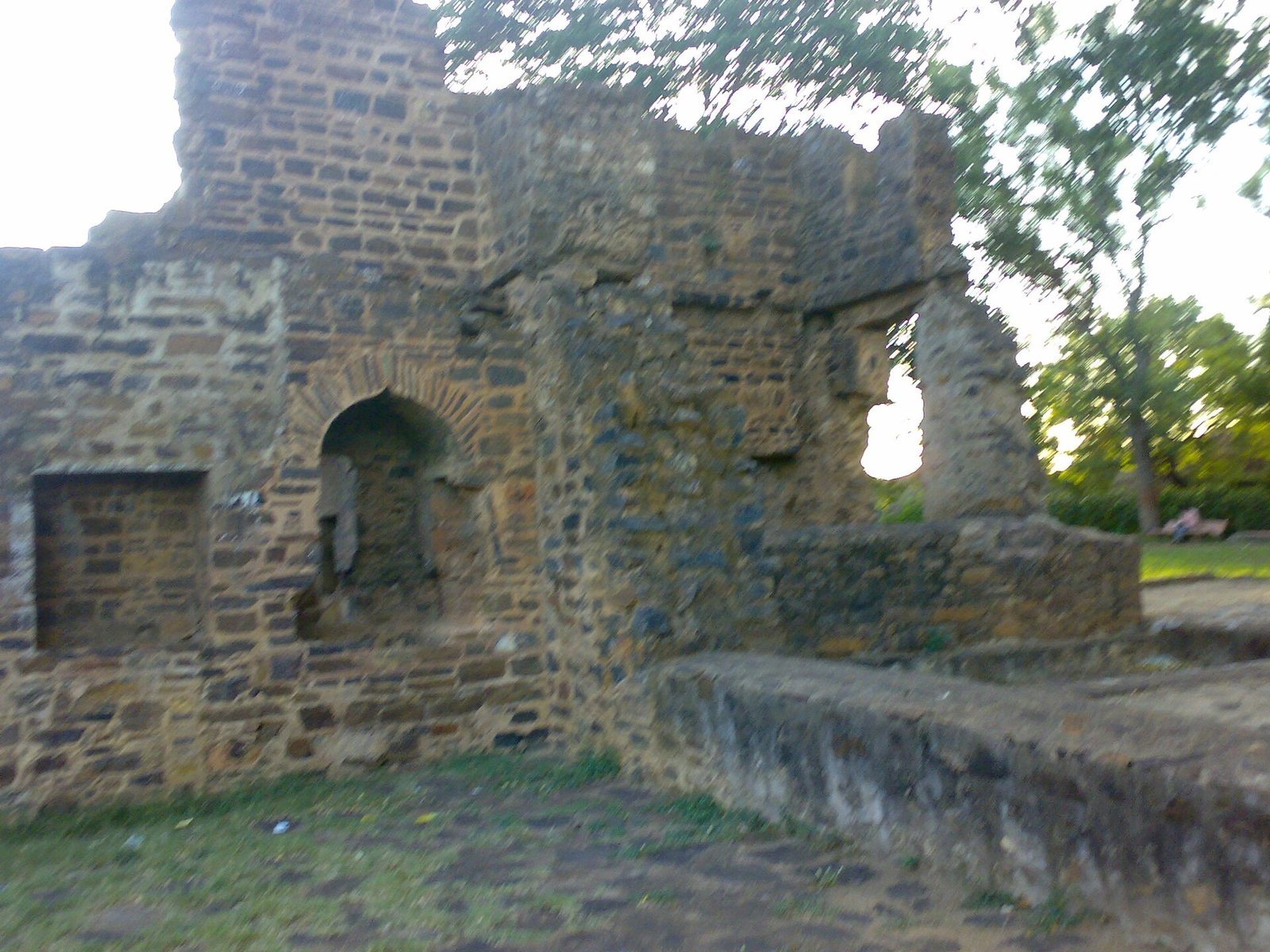
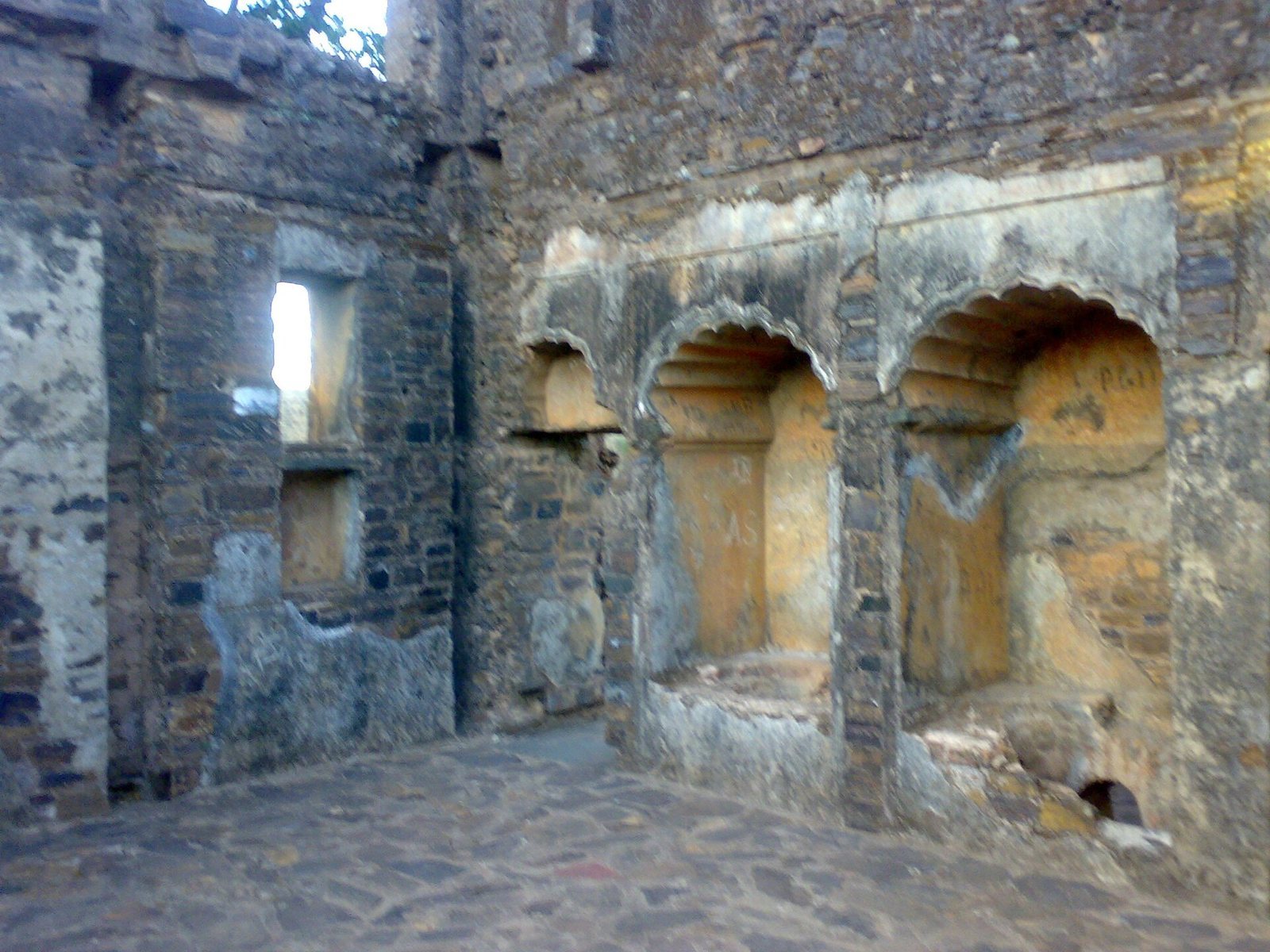
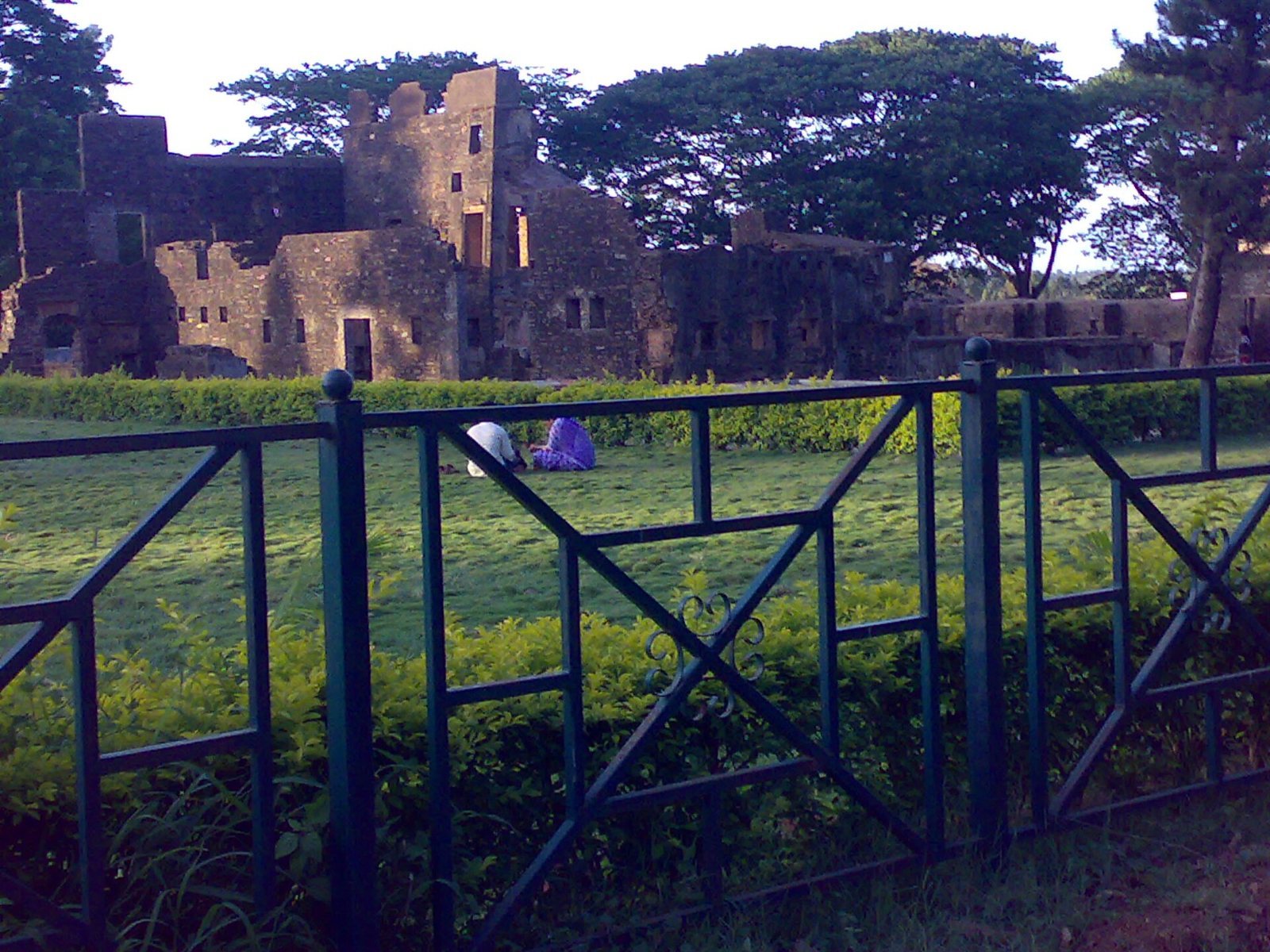
Kittur Fort is a seventeenth-century fort in India, built by Allappa Gowda Sardesai of the Desai dynasty. Kittur served as the capital of a minor principality, which reached its zenith during the rule of Mallasarja Desai. Allappa Gowda Sardesai ruled from 1650 to 1681.
Rani Chennamma held the fort and revolted against the British in 1824. Her resistance made Kittur part of the history of opposition to British rule in India.
The Kittur Rani Chennamma Memorial Government Museum
The Kittur Rani Chennamma Memorial Government Museum opened at the site on 10 January 1967, with Indian prime minister Indira Gandhi leading its inauguration. The Karnataka state Department of Archaeology and Museums manages the museum.
Remains
The fort and religious sites
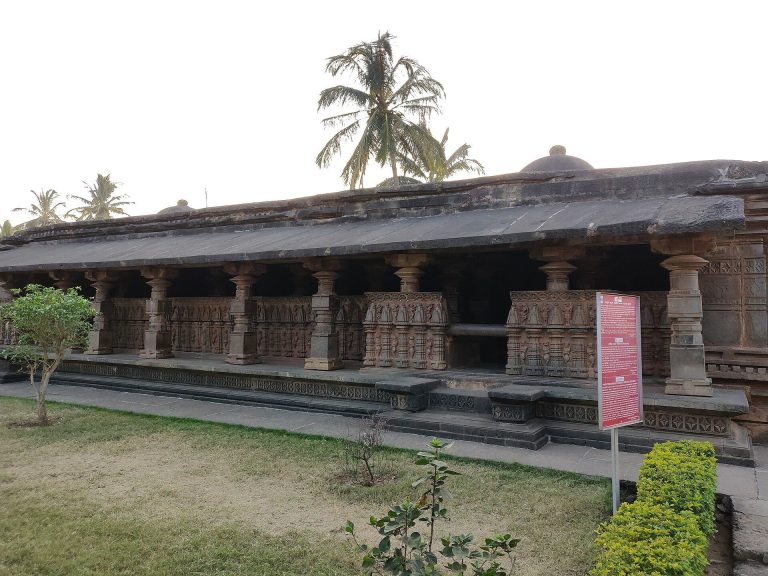
The surviving site brings together the ruined fort, associated religious structures, and a museum. The Maruti temple, dedicated to Maruti, another name for Hanuman, stands within the fort. The Kalmeshwara and Dyamavva temples are also associated with the site. Its Nathapanthi matha, a Hindu monastery of the Nath religious tradition, is in the police-line area. The Basavanna monument is associated with the later Chalukya dynasties, which ruled parts of the Deccan, and has been completely renovated.
Museum collections
The museum holds antiquities found in and around Kittur, including swords, a mail coat, a shield, inscriptions, hero stones (memorials to people honored for heroic acts), and modern paintings. Engraved wooden doors and windows from the Kittur palace are also part of the collection. Other antiquities come from nearby settlements: those associated with Surya, the Hindu sun deity, and Vishnu, a major Hindu deity, are from Kadrolli; Surya and Vishnu antiquities are also from Devarashigehalli. The collection includes Subrahmanya, also known as Skanda, from Manoli, and Durga, a Hindu goddess, from Hirebagewadi.