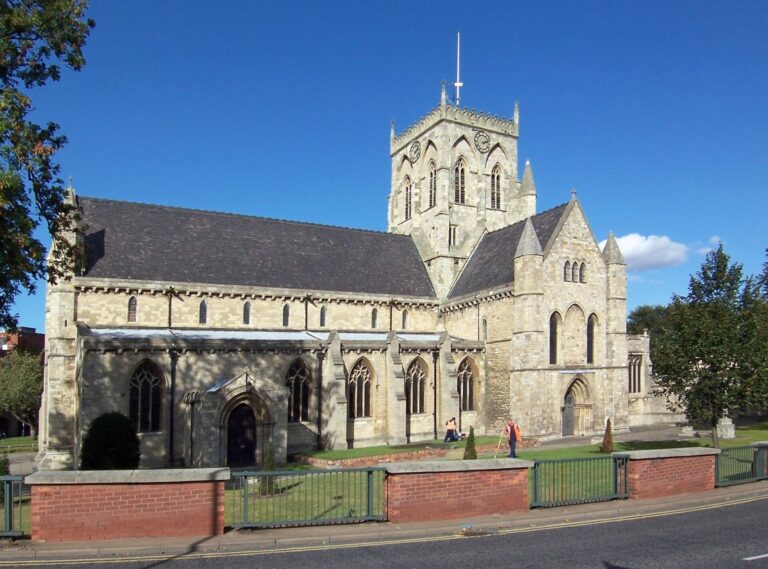
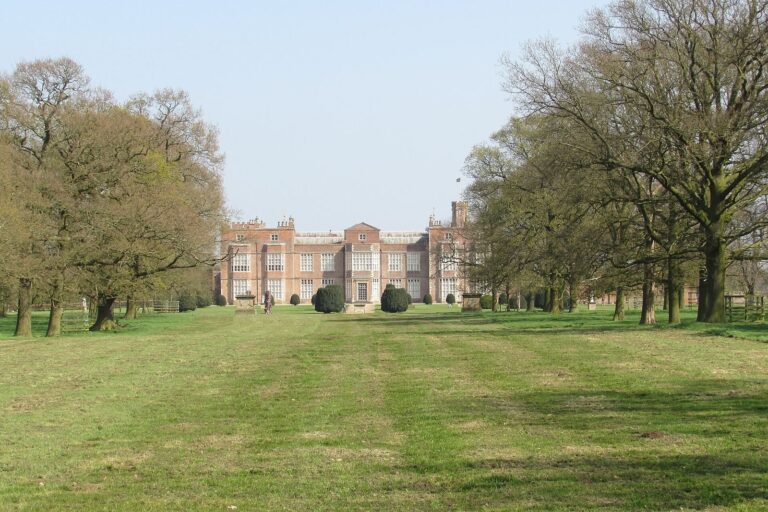
Thornton Abbey: A Medieval Augustinian Monastery
Site at a Glance
- Rating
- 3.4
- Popularity
- Very Low
- Country
- United Kingdom
- Primary era
- Medieval
- Eras represented
- Medieval
- Civilizations
- Unclassified
- Site type
- Religious
- Remains
- Fortified Monastery
On this page12 sections
History
Thornton Abbey is a medieval religious house in the United Kingdom, founded by the Anglo-Norman nobleman William le Gros as a priory in 1139 and raised to abbey status in 1148. Its founding buildings were Romanesque, while construction in the thirteenth and fourteenth centuries used Early Gothic forms.
Augustinian foundation and medieval growth
The abbey was home to Augustinian canons, also known as Black Canons. They lived communally under a rule based on the teachings of St Augustine and served people beyond the religious house. Its officers included a cellarer, who managed stores; a bursar, responsible for finances; a chamberlain, who oversaw household affairs; a sacrist, who cared for the church and its furnishings; a kitchener; and an infirmarer, who supervised care for the sick.
The abbey grew wealthy and influential through the expanding regional wool trade. In 1534, its annual income was £591 0s 2¾d. A hospital beside the abbey had been established by 1322. William le Gros and Aveline de Montfichet were buried at the abbey; Aveline was the wife of William de Forz, 3rd Earl of Albemarle.
Dissolution and later ownership
Henry VIII closed the abbey in 1539 as part of the Dissolution of the Monasteries, the suppression and appropriation of England’s monastic institutions. The community continued as a secular college, a religious group of clergy who did not live as a monastery, until such colleges were closed in 1547.
After the Dissolution, ownership passed through Henry Randes, Bishop of Lincoln; Sir Robert Tyrwhitt of Kettleby; Sir Vincent Skinner of Westminster, recorded as owner in 1602; Sir Robert Sutton; George Appleby; and Charles, 1st Baron Yarborough, in 1816. In the seventeenth century, part of the monastic range was adapted into a house and its first floor rebuilt, reportedly under Skinner. The structure collapsed when the work was complete.
Care and archaeological research
In 1938, Sackville Pelham, 5th Earl of Yarborough, transferred care of the remains to the Office of Works, the government body responsible for public buildings and historic sites. English Heritage now cares for the site. It began non-invasive research in 2007, followed by excavations by the University of Sheffield’s Department of Archaeology from 2011 to 2016. Work in 2013 revealed what was identified as Britain’s first mass grave associated with the Black Death found in a rural rather than an urban setting. The abbey ruins and the nearby Abbot’s Lodge are Grade I listed, England’s highest listing category for buildings of exceptional interest.
Remains
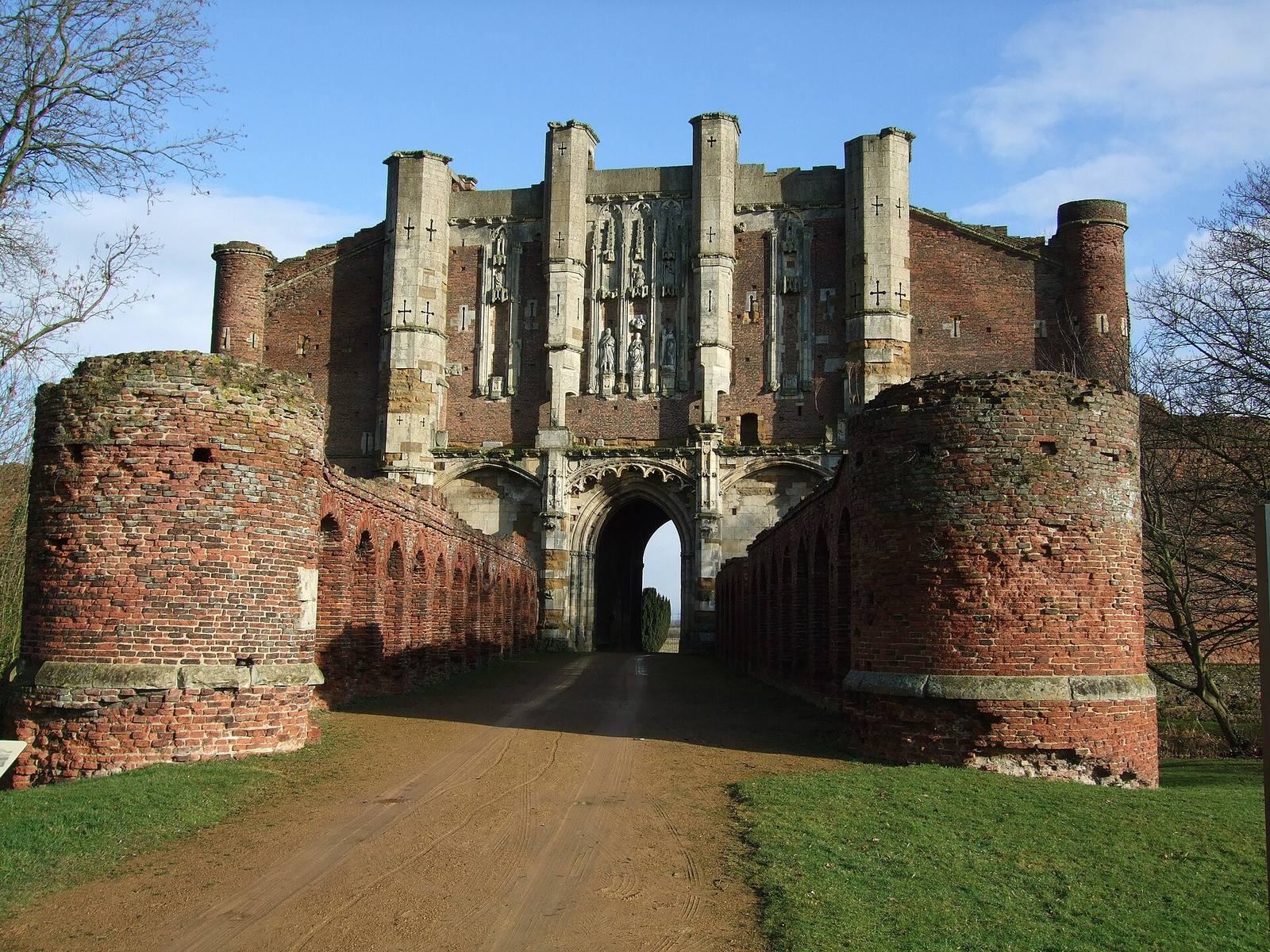
The remains combine fragments of the monastic buildings with a three-storey brick gatehouse and a bridge over the moat. The abbey’s ground plan is marked out, giving a sense of the former complex alongside the surviving structures.
Monastic complex and associated buildings
Chapter house and cloister
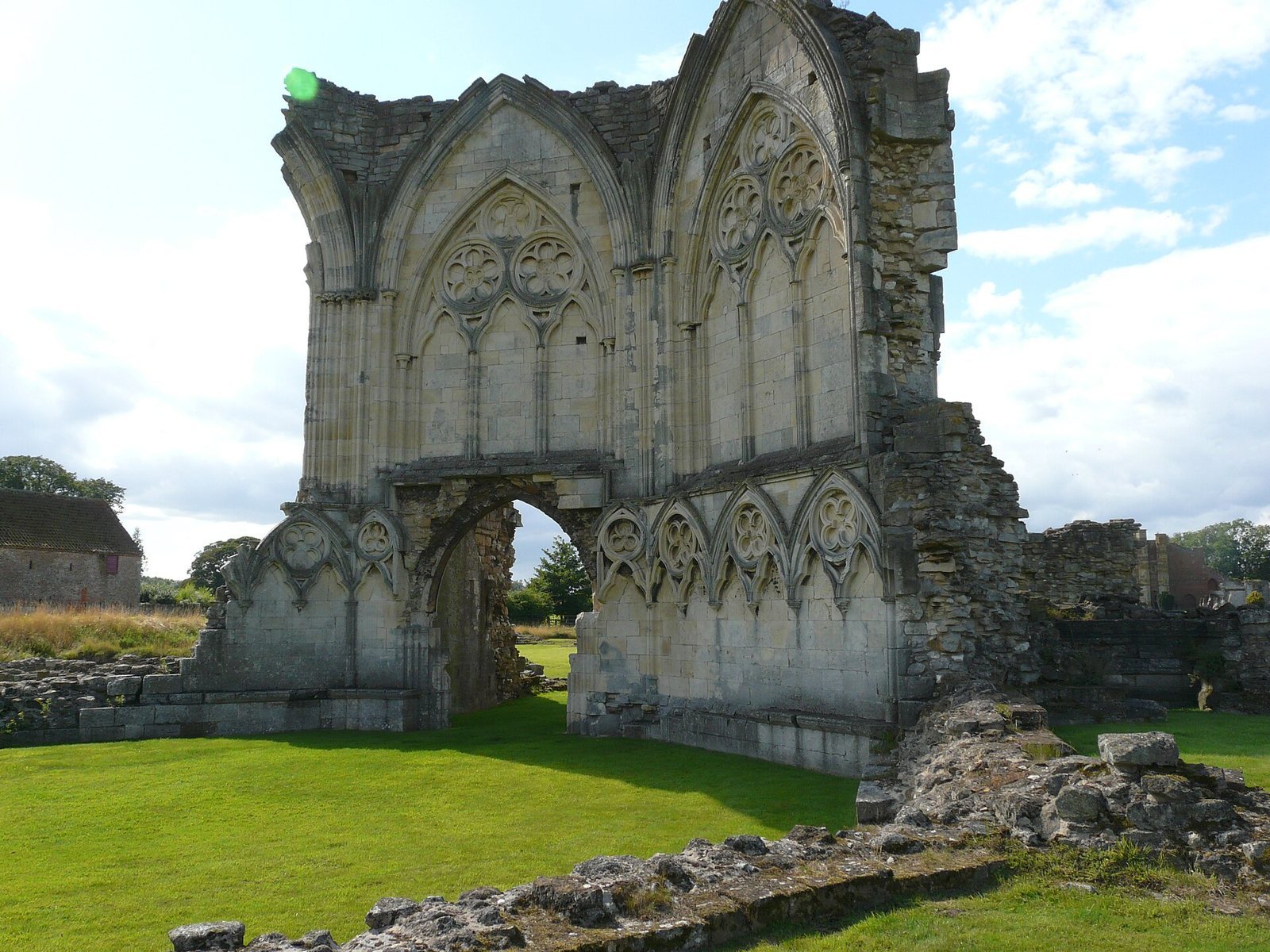
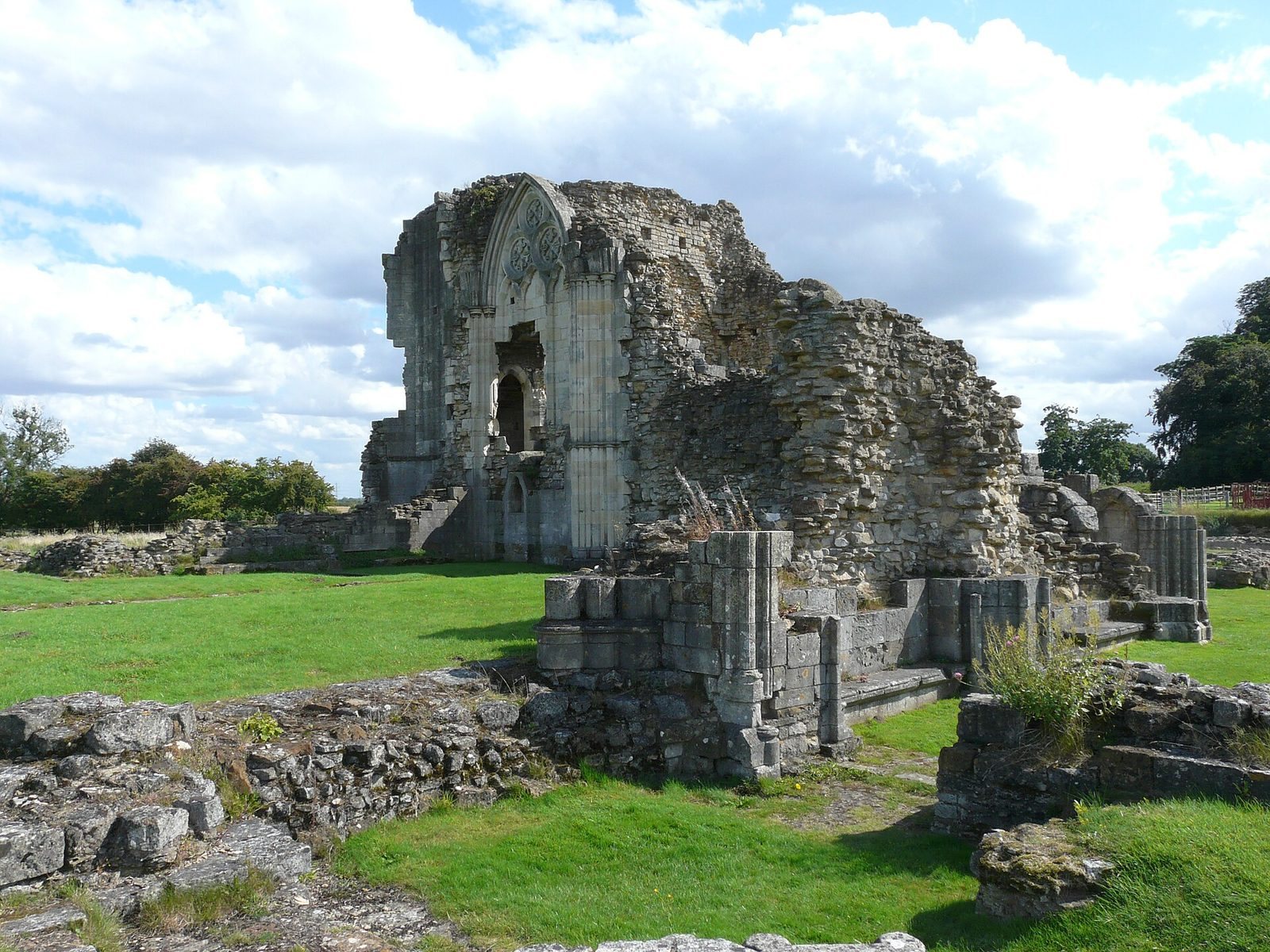
Three walls of the chapter house, the room where the religious community met, survive, along with part of the cloister, a covered walkway around an open courtyard. These fragments form the visible remains of the abbey’s central monastic buildings.
Gatehouse and moat bridge
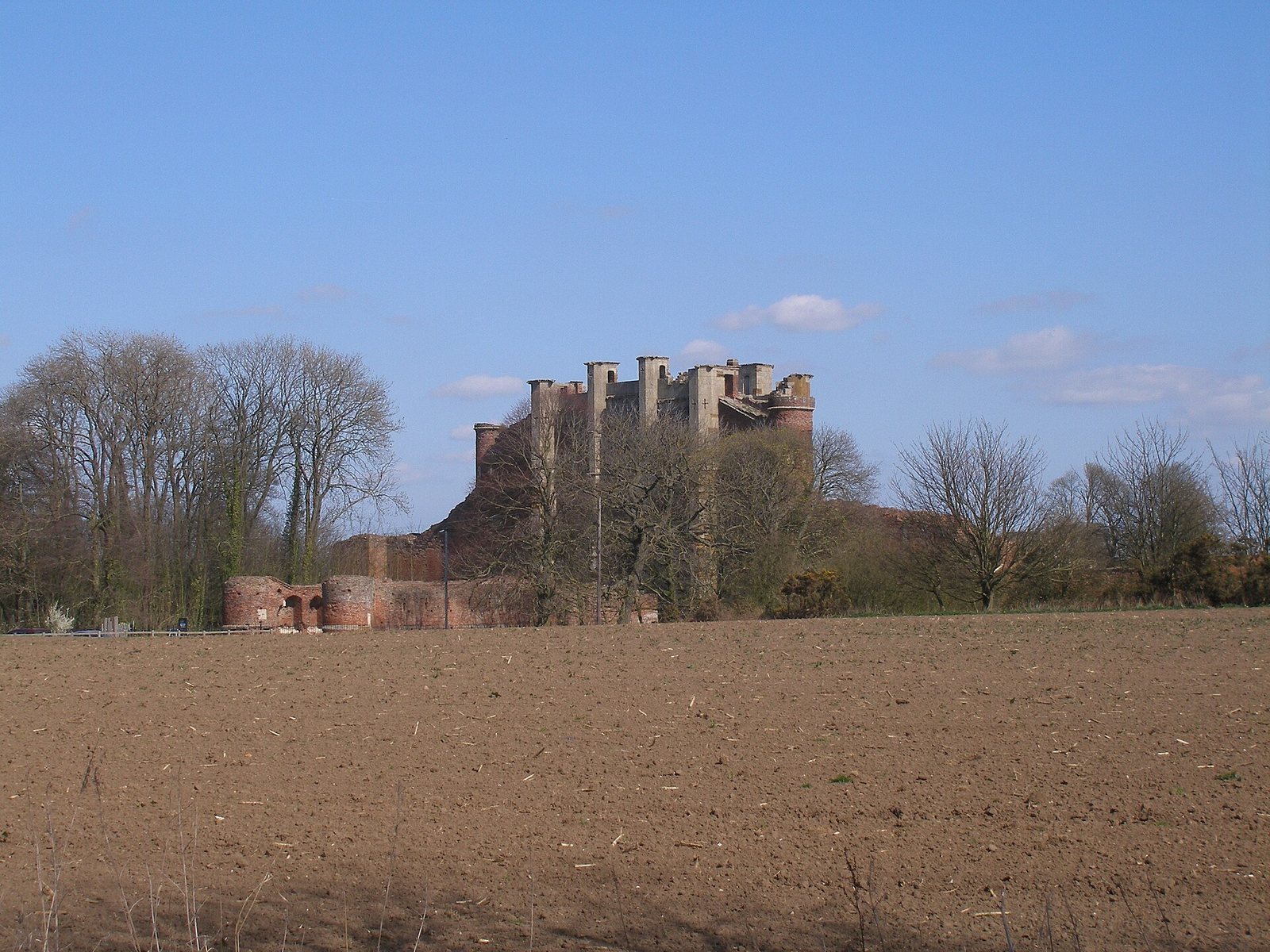
The gatehouse is among England’s earliest large-scale brick buildings. It rises three storeys and remains structurally intact. Its thick walls and small number of windows leave the interior cramped, while three nearly life-size statues decorate the outside above the gate. A bridge across the moat adjoins the gatehouse. Its defensive walls include garderobes, medieval toilets built into walls with chutes for waste.
Abbot’s Lodge
The nearby Abbot’s Lodge is a separate building associated with the abbey.
Burial evidence and archaeological features
Hospital cemetery
A plague pit in the hospital cemetery contained the remains of at least 48 people, including 27 children. DNA extracted from the remains tested positive for Yersinia pestis, the bacterium that causes plague.
Brass effigies and underground passage
During the Lincoln Diocesan Architectural Society’s visit in May 1859, brass effigies were seen, some still in place and others lying among the grass. The entrance to an underground passage was also observed.