Lešná Castle in Lešná: A Noble Residence and Historic Park
Site at a Glance
- Rating
- 4.7
- Popularity
- Medium
- Country
- Czechia
- Primary era
- Early Modern
- Eras represented
- Medieval, Early Modern, Modern
- Civilizations
- Austria-Hungary, Austrian Empire, Habsburg, Holy Roman Empire, Margraviate of Moravia
- Site type
- Domestic
- Remains
- Castle
On this page9 sections
History
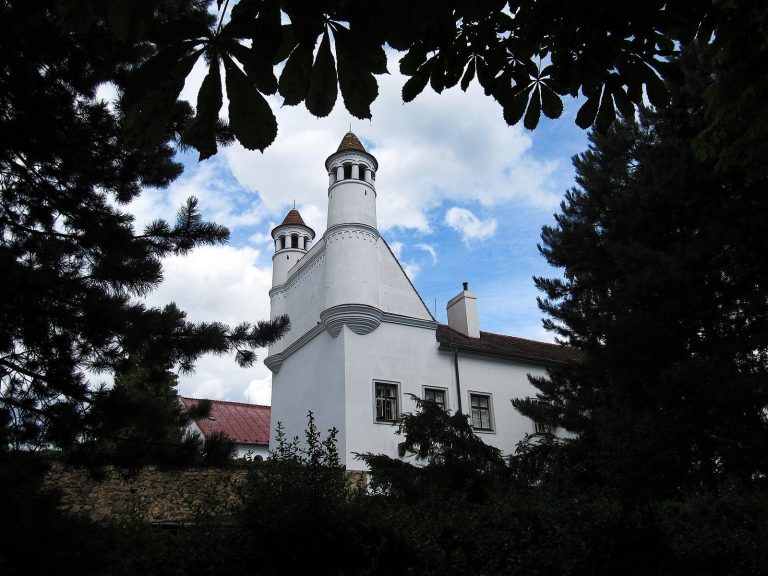
Lešná Castle in Lešná, Czechia, is a historic noble residence whose origins as a stone fortress are recorded in the fourteenth century. It served as the seat of the local landed family of Lešná.
From fortress to Renaissance residence
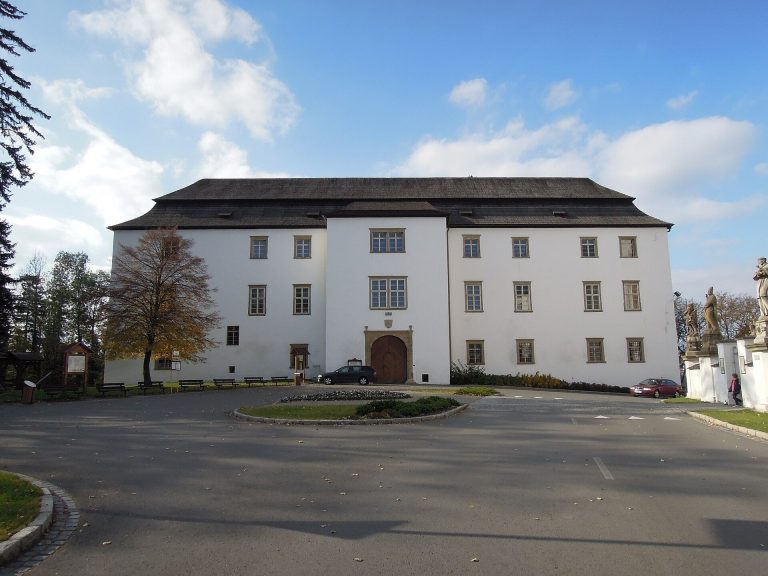
After 1628, the local nobleman Martin Půhonč von Přednost had the fortress converted into a Renaissance castle. Renaissance architecture drew on forms and principles associated with classical antiquity. The Lažanský counts later arranged repairs to the castle.
Nineteenth-century park and remodeling
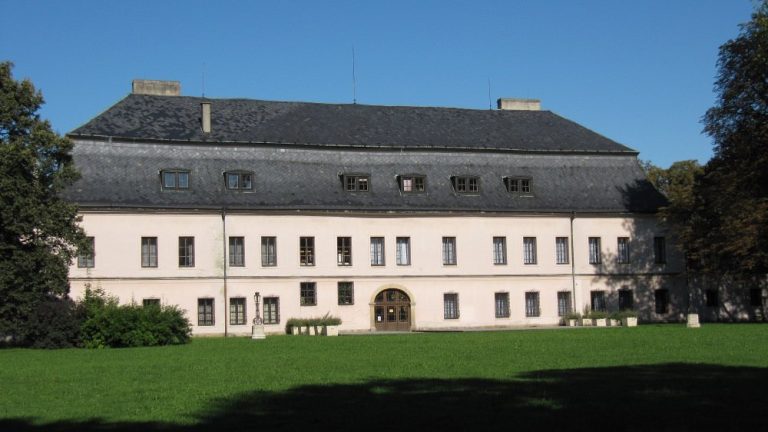
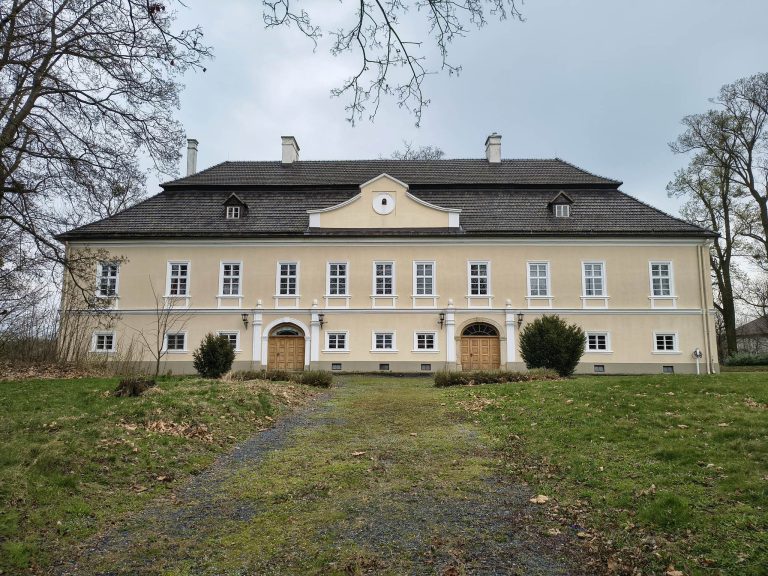
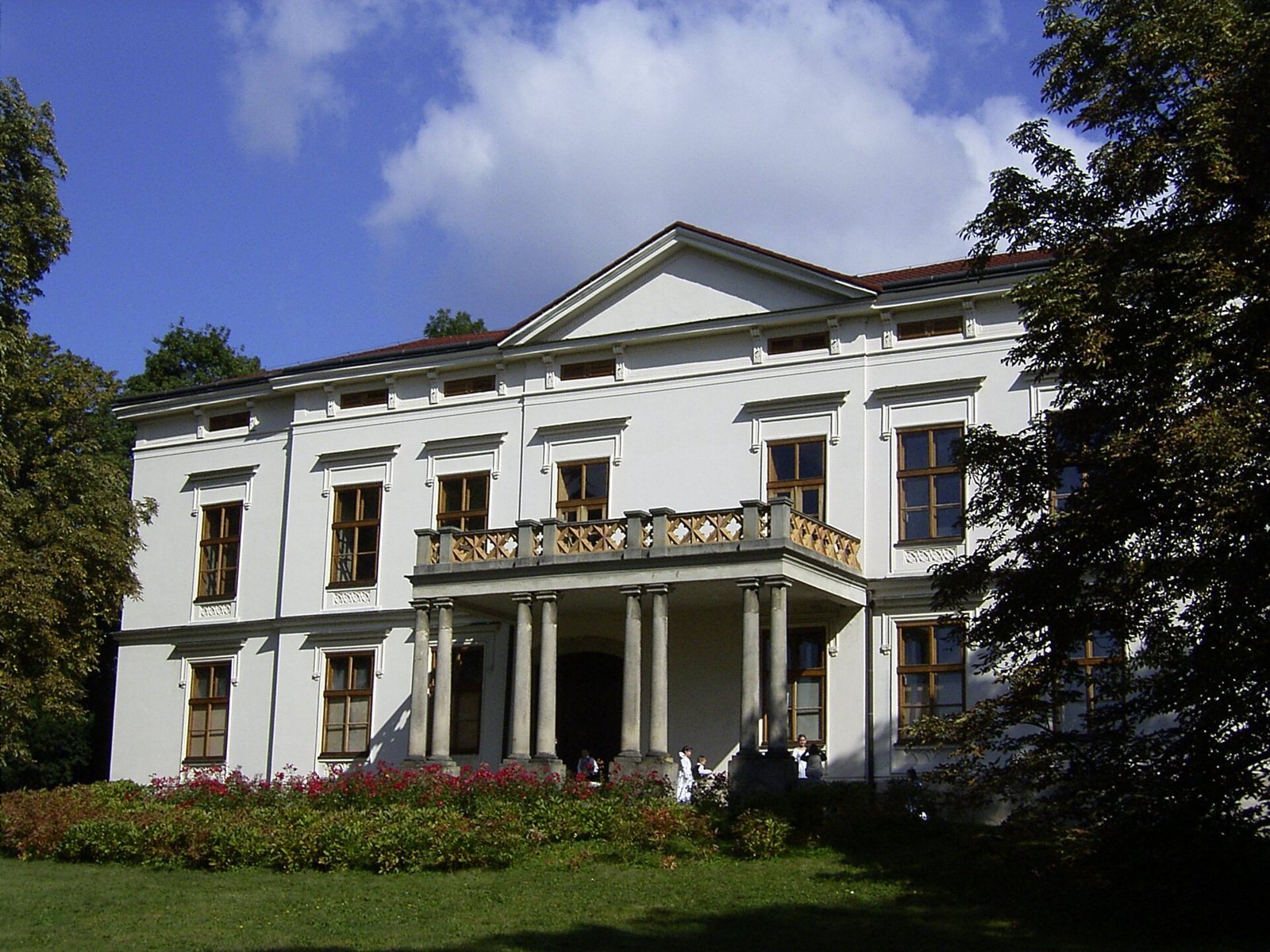
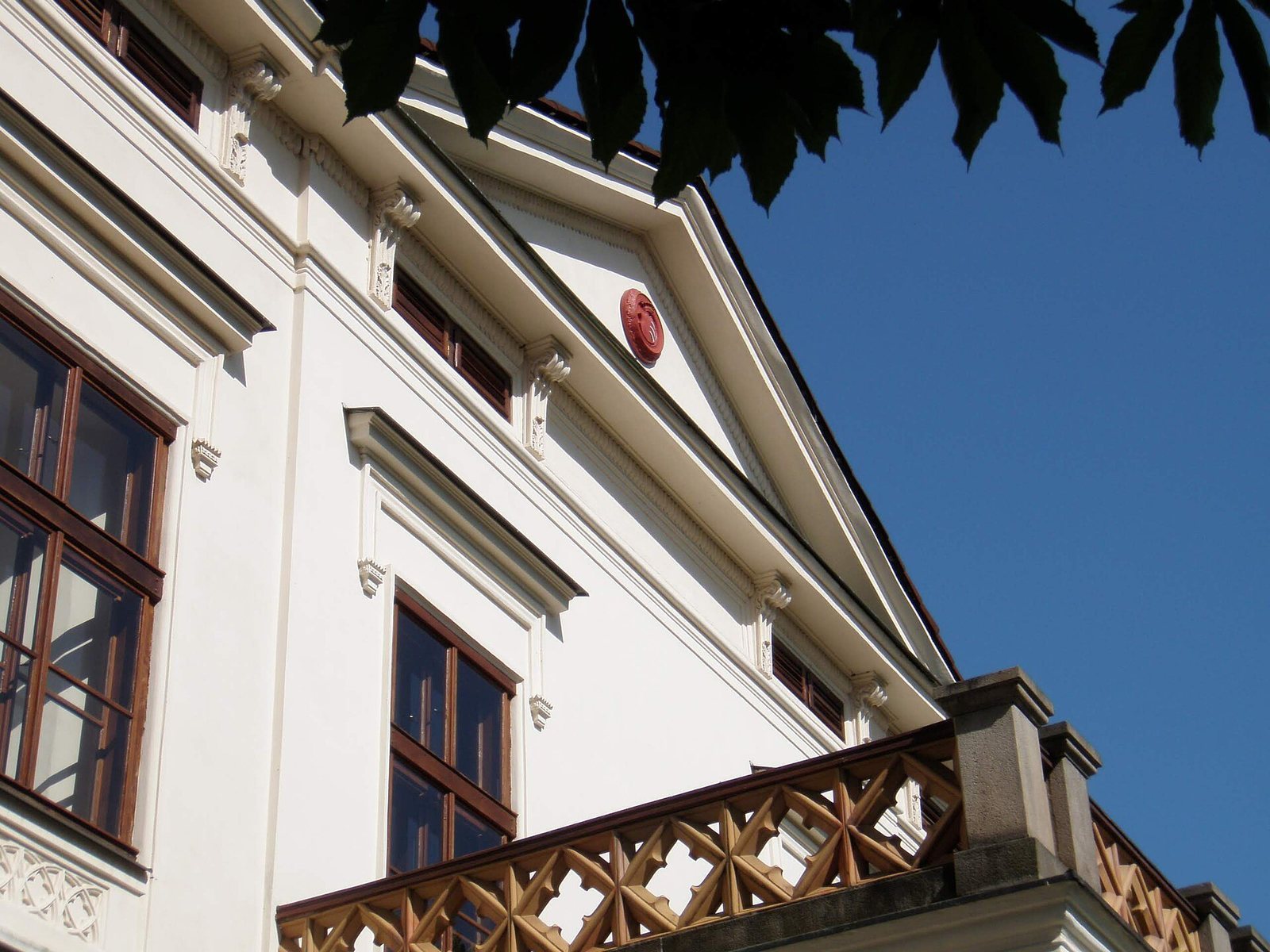
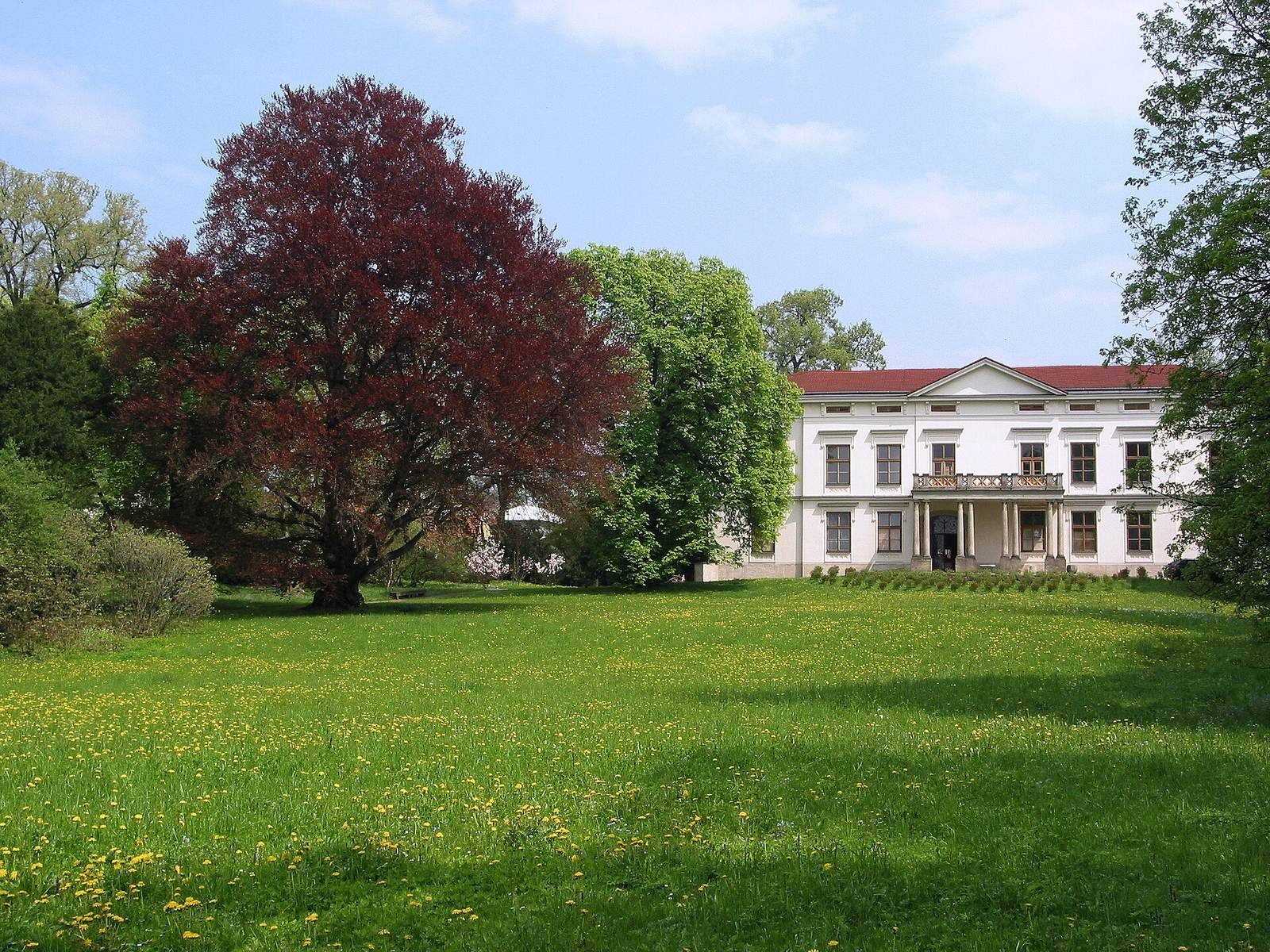
Between 1820 and 1840, Count Josef Beess-Chrostin moved the farm buildings and commissioned Italian gardeners to create an English-style landscape garden around the castle, designed to evoke a natural setting. In 1887, Count August Kinsky acquired the property and commissioned a remodeling in the Neoclassical style from Viennese architects. Neoclassicism revived ancient Greek and Roman forms, often with an emphasis on symmetry and restraint. Around the turn of the twentieth century, Count Philipp Kinsky had many perennials planted in the park, making it one of the country’s richest parks in this respect.
Expropriation and museum ownership
The Kinsky counts were expropriated in 1945. Since 1975, the castle and park have belonged to the Vsetín District Museum, now the Wallachian Regional Museum.
Remains
Castle and estate
The castle complex combined a Renaissance residence with a central courtyard and a surrounding moat, while the wider estate included facilities for production and horticulture.
Castle
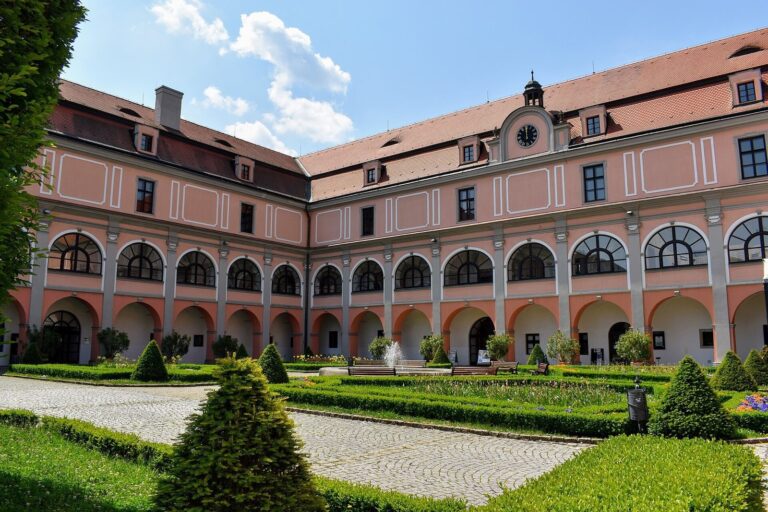
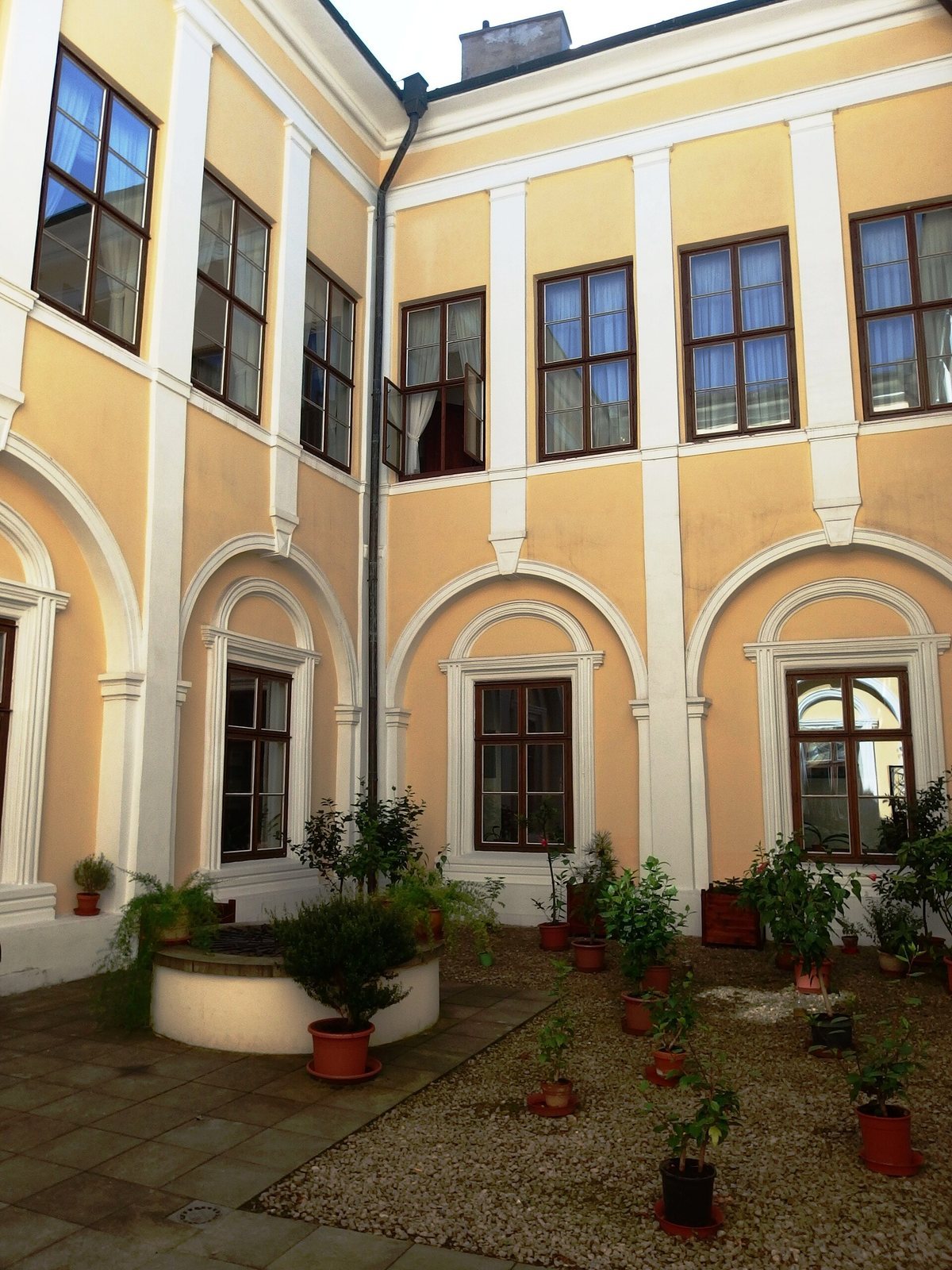
The Renaissance castle had an irregular pentagonal plan and an inner courtyard bordered by an arcade, a row of arches supported by columns or piers. It contained 13 manor rooms. The later Neoclassical remodeling included a winter garden.
Estate facilities
Associated facilities included a brewery with a hop garden, a vineyard, a spirits distillery, a garden, and an orangery, a building for sheltering citrus and other tender plants.
Park and notable tree
The park covers 7.22 hectares and included an animal enclosure stocked with mouflon, a type of wild sheep, and fallow deer. A hornbeam in the park has seven trunks that have grown together, with a circumference of 8.25 metres. It is described as one of the largest hornbeams in Central Europe.