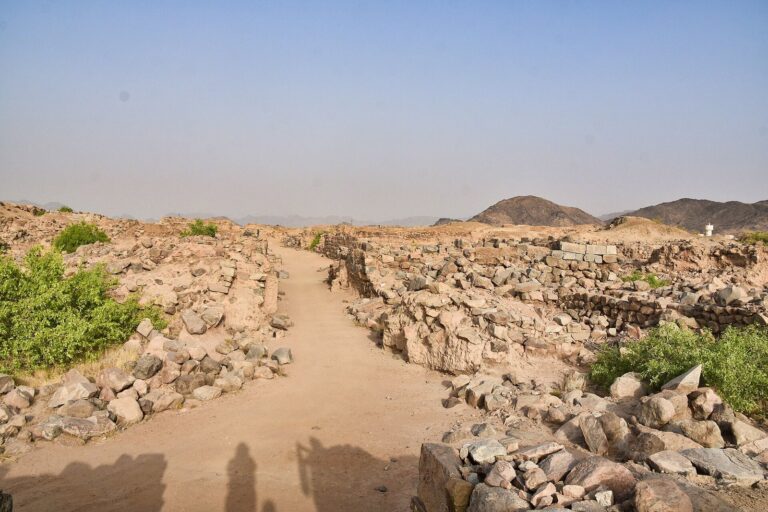
Al-Hadi Mosque: A Zaidi Center of Learning in Yemen
Site at a Glance
- Popularity
- Medium
- Country
- Yemen
- Primary era
- Medieval
- Eras represented
- Medieval
- Civilizations
- Unclassified
- Site type
- Religious
- Remains
- Mosque
On this page6 sections
History
Foundation and religious role
Al-Hadi Mosque is a historic mosque in Sa’dah, Yemen, associated with Zaidi Islam, a branch of Shia Islam. Yahya Bin Al-Hussein, also known as al-Hadi ila al-Haqq (“the Guide to the Truth”), founded the mosque and gave it its name. He was a Zaidi imam, a religious and political leader, and the founder of the Zaidi state in Yemen. Construction is dated to about 897 CE, while the stated foundation year is 909.
The mosque became the oldest center for teaching the Zaidi school in the Arabian Peninsula. It was the third mosque in Yemen to have a minaret, following the Mosque of Farwa Ibn Masik and the Great Mosque of Sana’a. It is also described as the oldest congregational mosque with attached residences for religious devotees and emigrants.
Continuing use and damage
Al-Hadi Mosque remains active. On May 9, 2015, an airstrike by the Saudi-led coalition caused severe damage to the complex.
Remains
Courtyard, arcades, and minarets
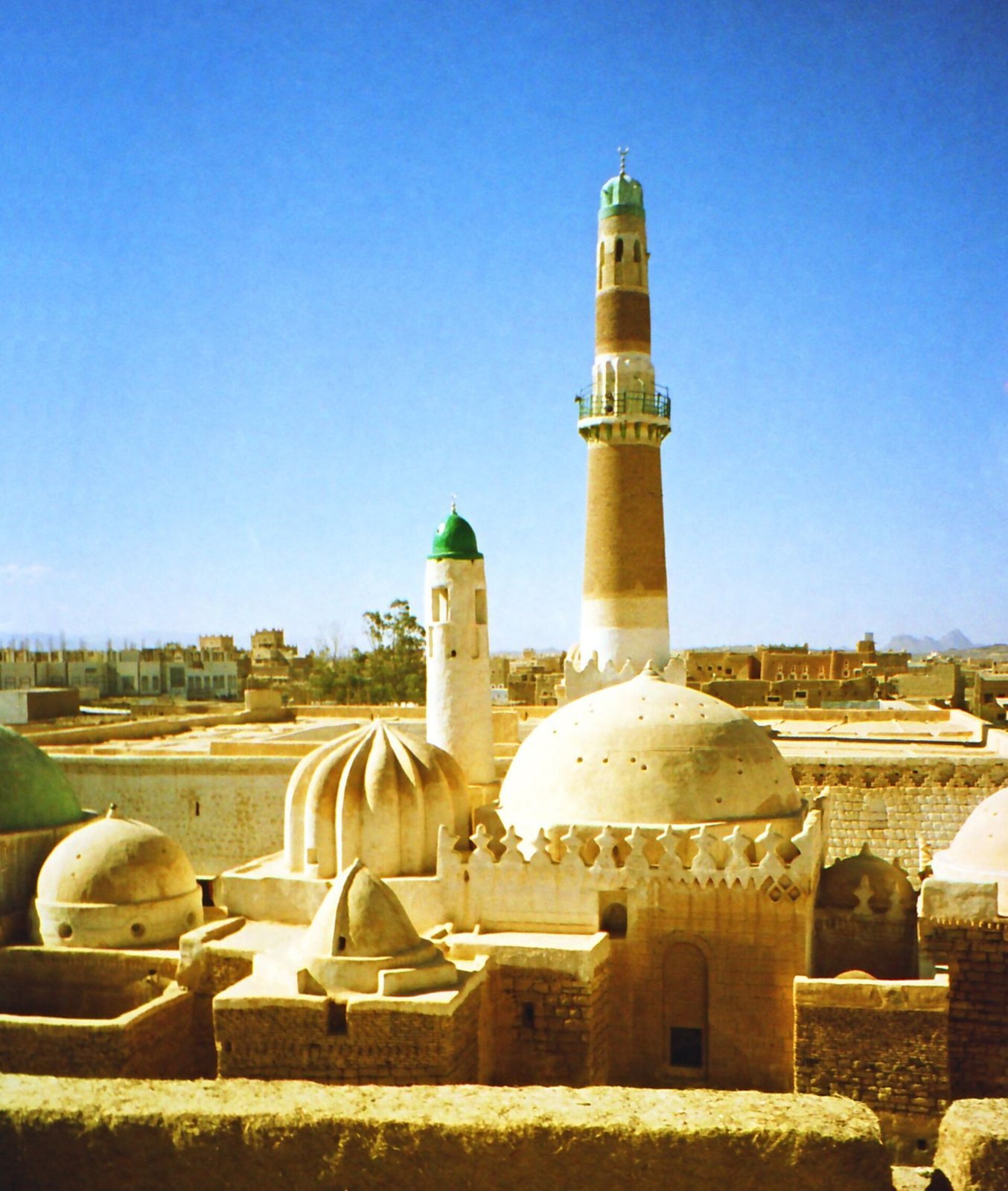
The mosque measures about 80 metres long and 60 metres wide. Its open central courtyard is enclosed by four arcades, with the deepest on the side facing the direction of prayer. Thirteen doors give access to the complex. Two minarets rise from the courtyard areas: the larger stands in the central courtyard and reaches about 52 metres, placing it among Yemen’s tallest, while the smaller is in the southern courtyard.
Prayer features and decoration
The mosque’s design incorporates influences from different architectural styles, including in its façade. Its mihrab, a niche indicating the direction of prayer, projects beyond the façade in two stepped levels, each narrower than the one below. This form is unique to the mosque. A wooden minbar, the pulpit used for sermons, bears an inscription dated to 922 CE and is among the oldest pulpits with a recorded date. The complex also contains eight wooden structures with rows of varied Arabic ornament. Plaster decoration on the walls combines geometric and plant forms with inscriptions. Stone tombstones bear inscriptions in several scripts, reflecting the work of Yemeni calligraphers across the Islamic ages.