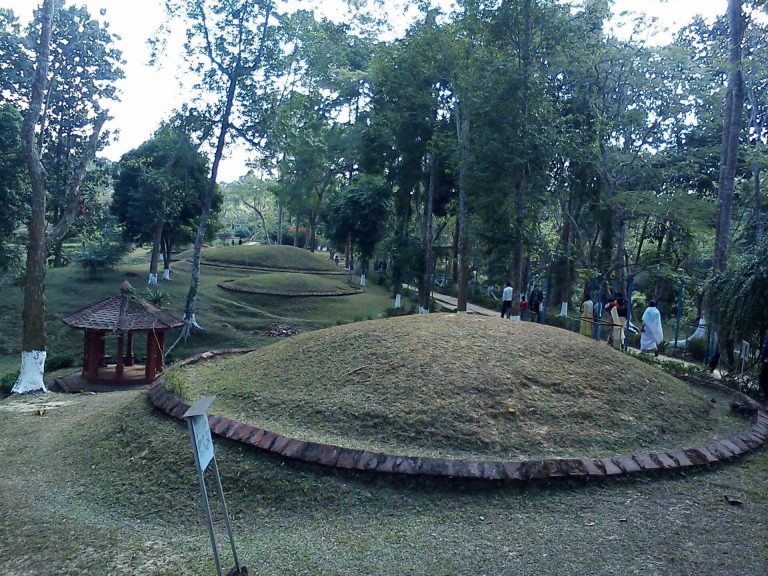
Kareng Ghar: An Ahom Fort-and-Palace Complex in Assam
Site at a Glance
- Rating
- 4.6
- Popularity
- Very High
- Country
- India
- Primary era
- Early Modern
- Eras represented
- Early Modern
- Civilizations
- Ahom
- Site type
- Domestic
- Remains
- Palace
On this page7 sections
History
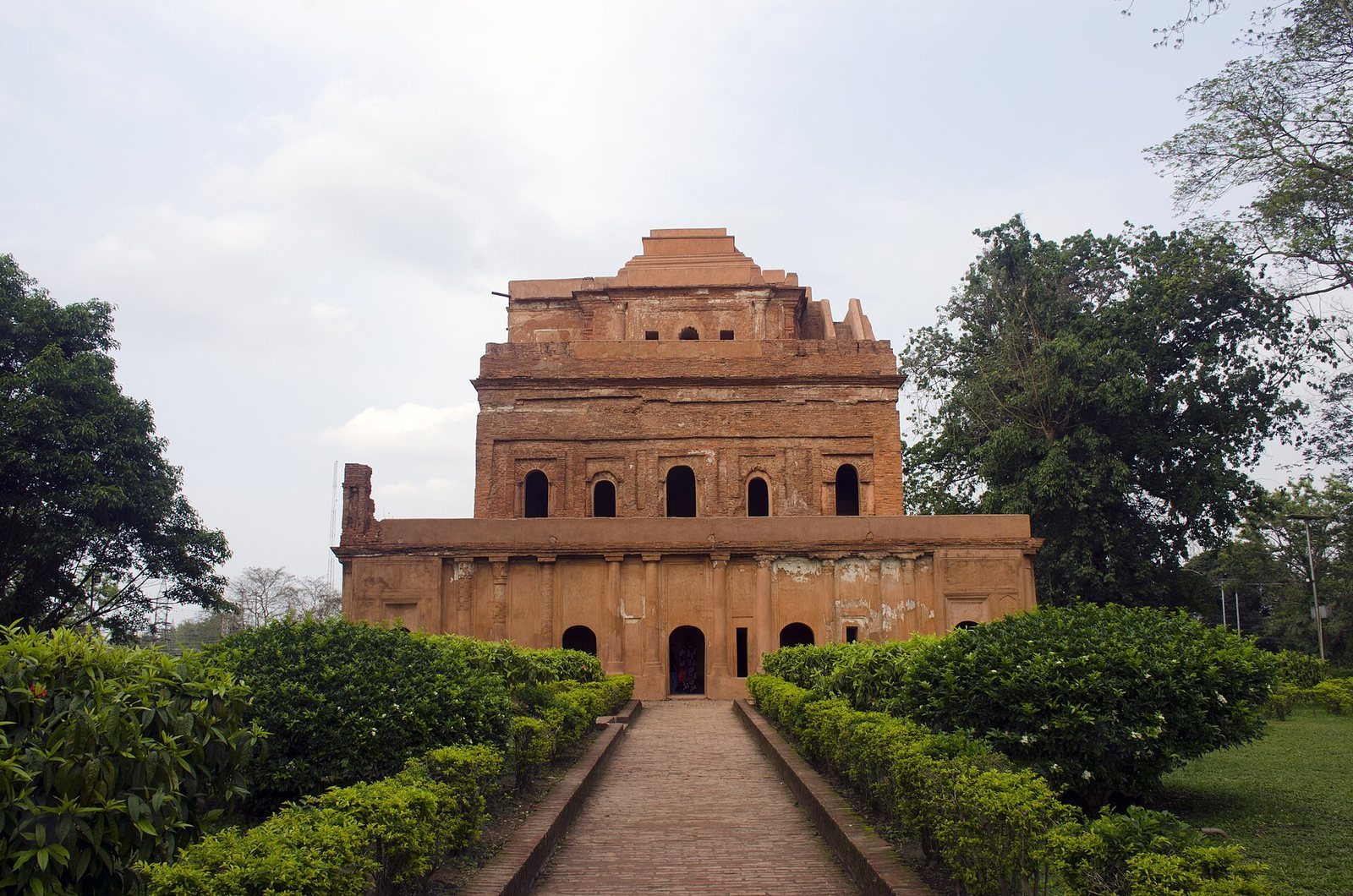
Kareng Ghar is an Ahom palace complex at Garhgaon in Assam, India, near Sivasagar. The Ahom ruler Sukhrungphaa commissioned its earliest construction in 1698. Associated with the Ahom dynasty, which ruled a long-lived state in Assam, it is the best-preserved fort-and-palace complex of that dynasty.
Foundation and rebuilding
In 1751, Sunenphaa, Sukhrungphaa’s son, built a brick wall about five kilometres long around the palace and added a masonry entrance gate. After the earlier palace was destroyed, Suremphaa, also known as Rajeswar Singha, rebuilt it around 1752 as the multi-storey structure that stands today. The wider fort-and-palace complex took shape during his reign, from 1751 to 1769.
Changing ownership
The complex belonged successively to the Ahom Kingdom (1228–1826), the British East India Company (1826–1858), the British Empire (1858–1947), and India from 1947 onward.
Remains
Palace complex
The complex contains buildings made of wood and stone, with a brick central palace constructed using bricks and indigenous cement. The central building’s square plan and stepped-back upper storeys distinguish its form.
Central palace
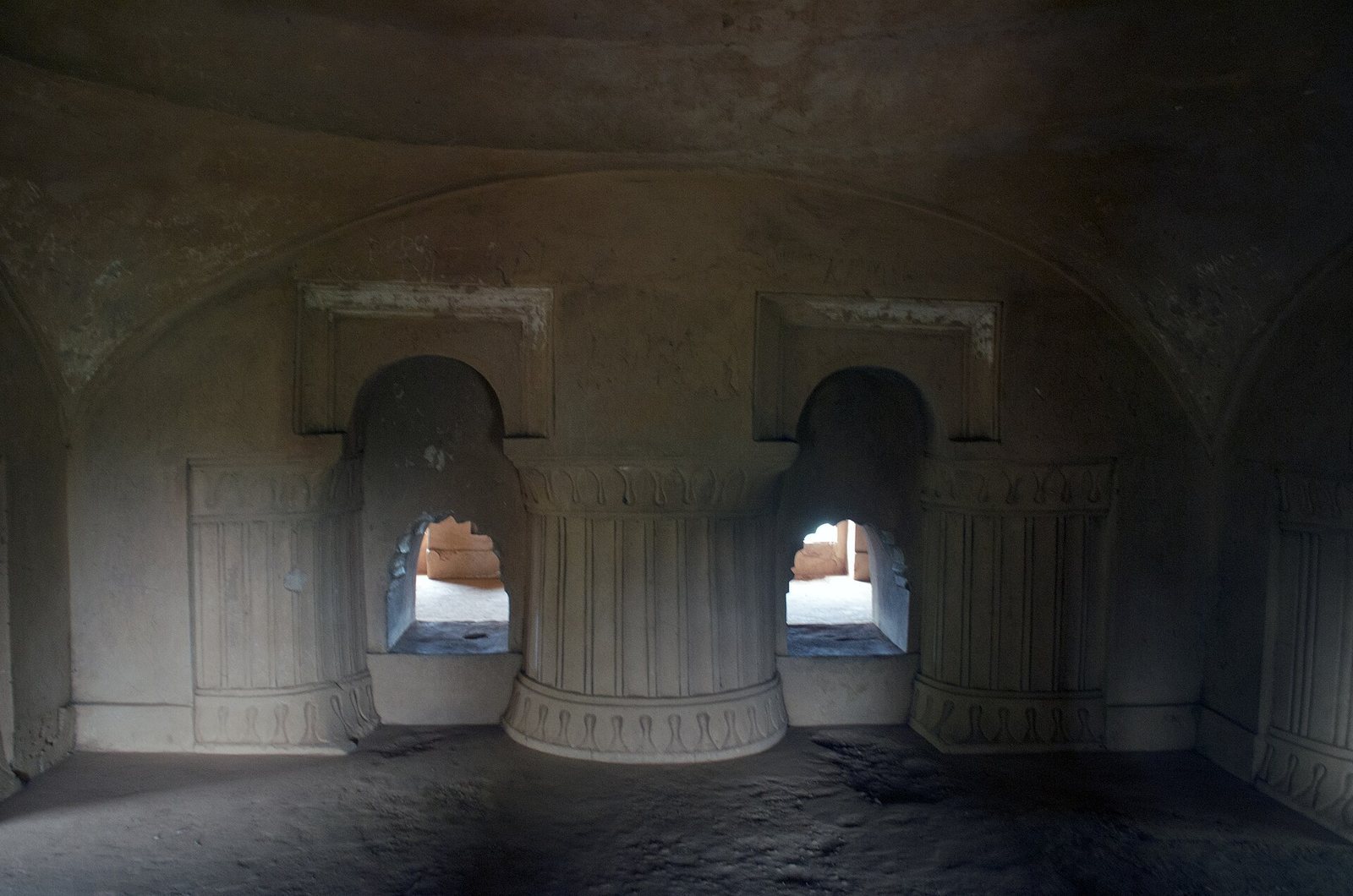
Stairways run inside the lower levels and outside from the third level upward. The uppermost part has a pyramidal appearance and contains an interior dome; it probably served as a ceremonial hall.
Stables
The complex also includes stables. Details of both the palace and stables recall buildings of the Mughal period, whose architectural traditions had spread to Bengal by the seventeenth century.