Citadelle de Port-Louis (Fort Adelaide): A British Fort in Mauritius
Site at a Glance
- Popularity
- Medium
- Country
- Mauritius
- Primary era
- Modern
- Eras represented
- Modern
- Civilizations
- British
- Site type
- Military
- Remains
- Citadel
On this page4 sections
History
British defenses and the hill before construction
After Britain took Mauritius in 1810, strengthening the island’s defenses became a priority. The island had about 40 fortified places, most built by the French. The Dutch had constructed Fort Frederick-Hendrik at Vieux Grand-Port in 1638. The British added Fort George, Fort Adelaide, Fort William, Fort Victoria, and several fortified chambers called casemates.
Before the Citadelle de Port-Louis was built, townspeople went up the hill after their day’s business to look out over the harbor and discuss public affairs. The French naturalist and explorer Jean-Baptiste Bory de Saint-Vincent compared these gatherings to those at the cafés of Paris’s Palais-Royal, a complex known for its public meeting places.
Building Fort Adelaide
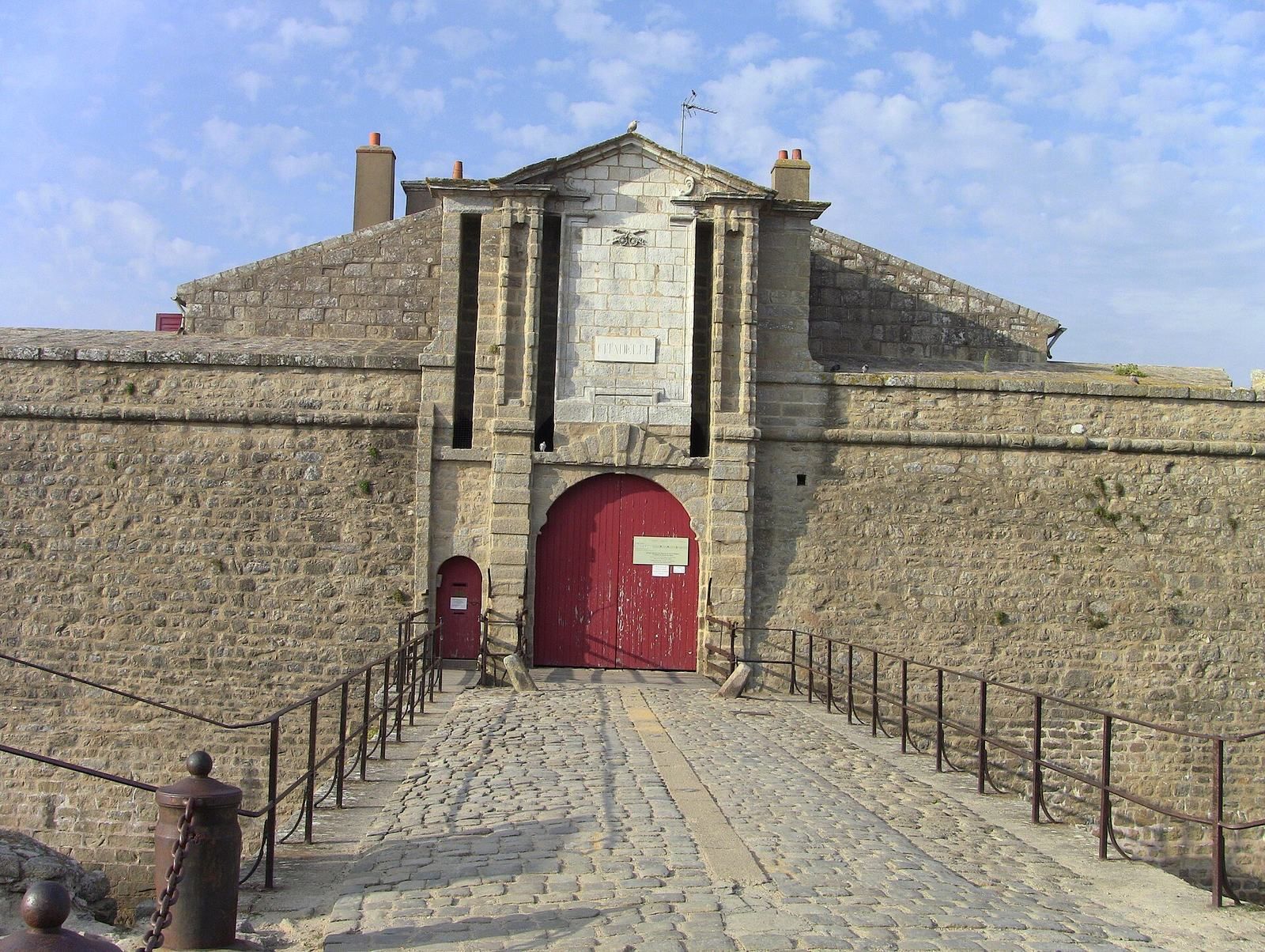
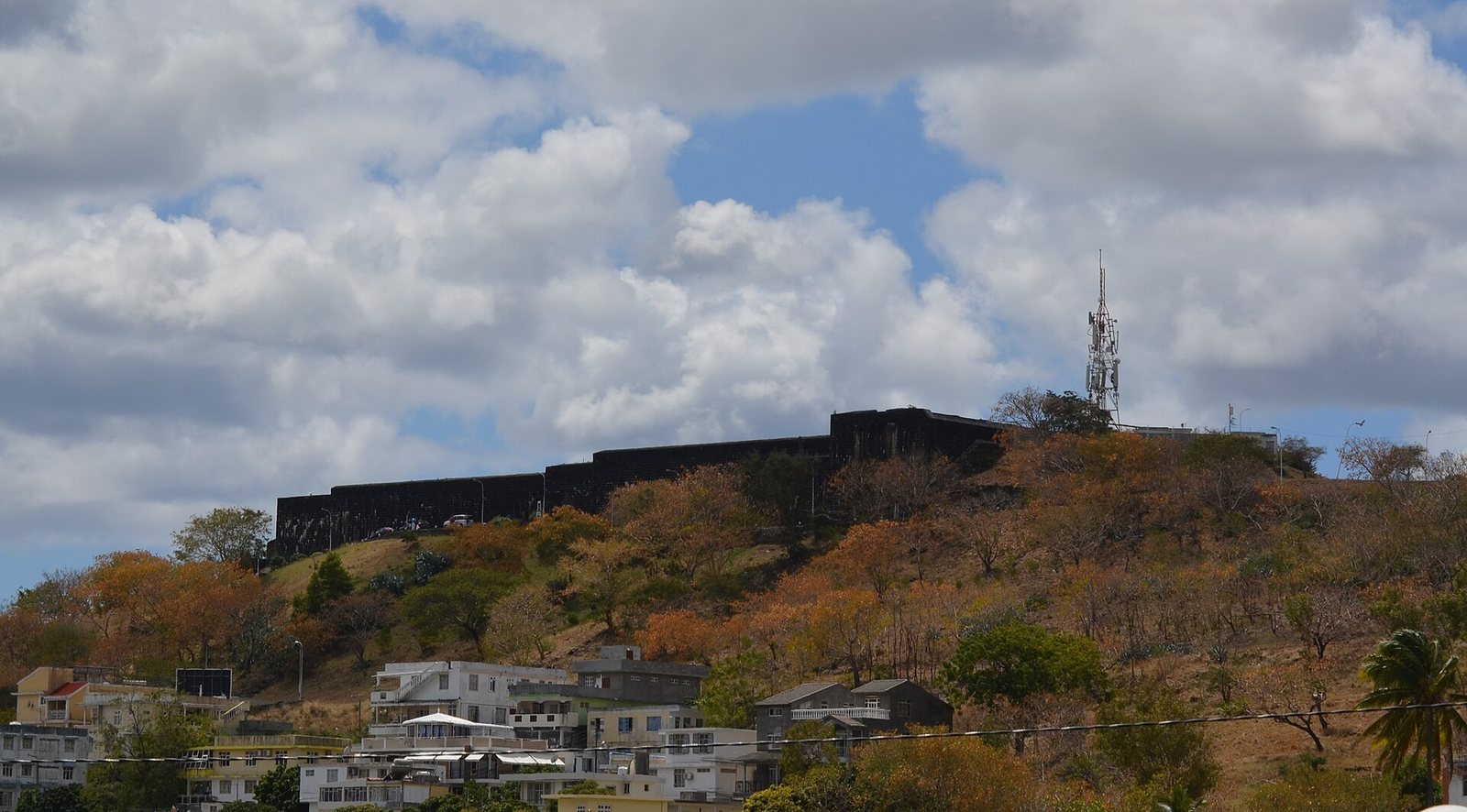
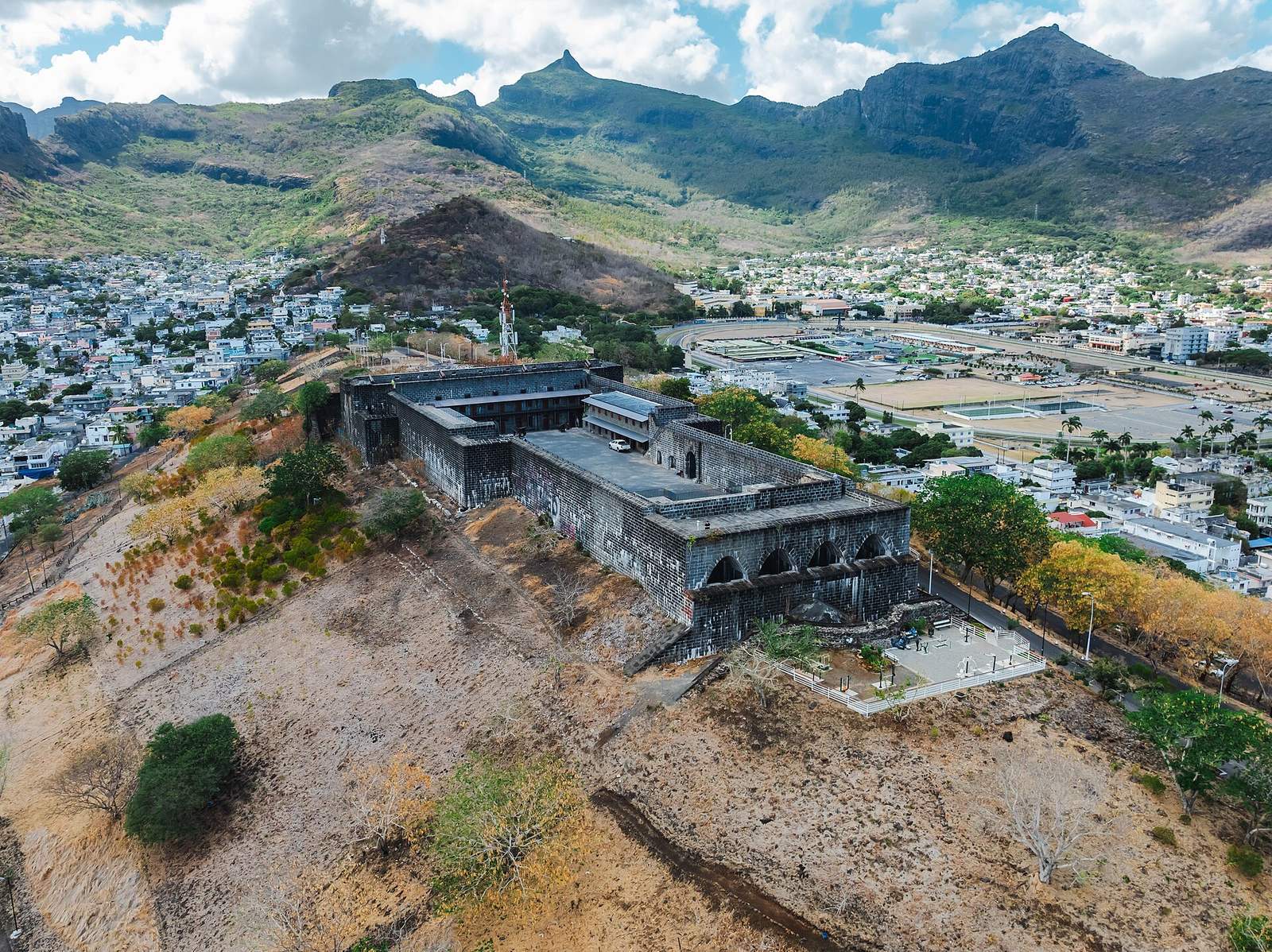
The Citadelle de Port-Louis, better known as Fort Adelaide, is a British fort built on Little Mountain in Mauritius between 1834 and 1840. Colonel Thomas Cunningham designed the plans, and Indian indentured laborers, workers employed under contracts, carried out the construction. The fort was named for Queen Adelaide, wife of William IV, who ruled the United Kingdom from 1830 to 1837.
Construction cost £45,270, exceeding the planned amount by £15,270. The citadel never had to withstand a siege. In late 2005, the Mauritian government commissioned French museum specialist Claude Fauque to assess the building in preparation for restoration.
Remains
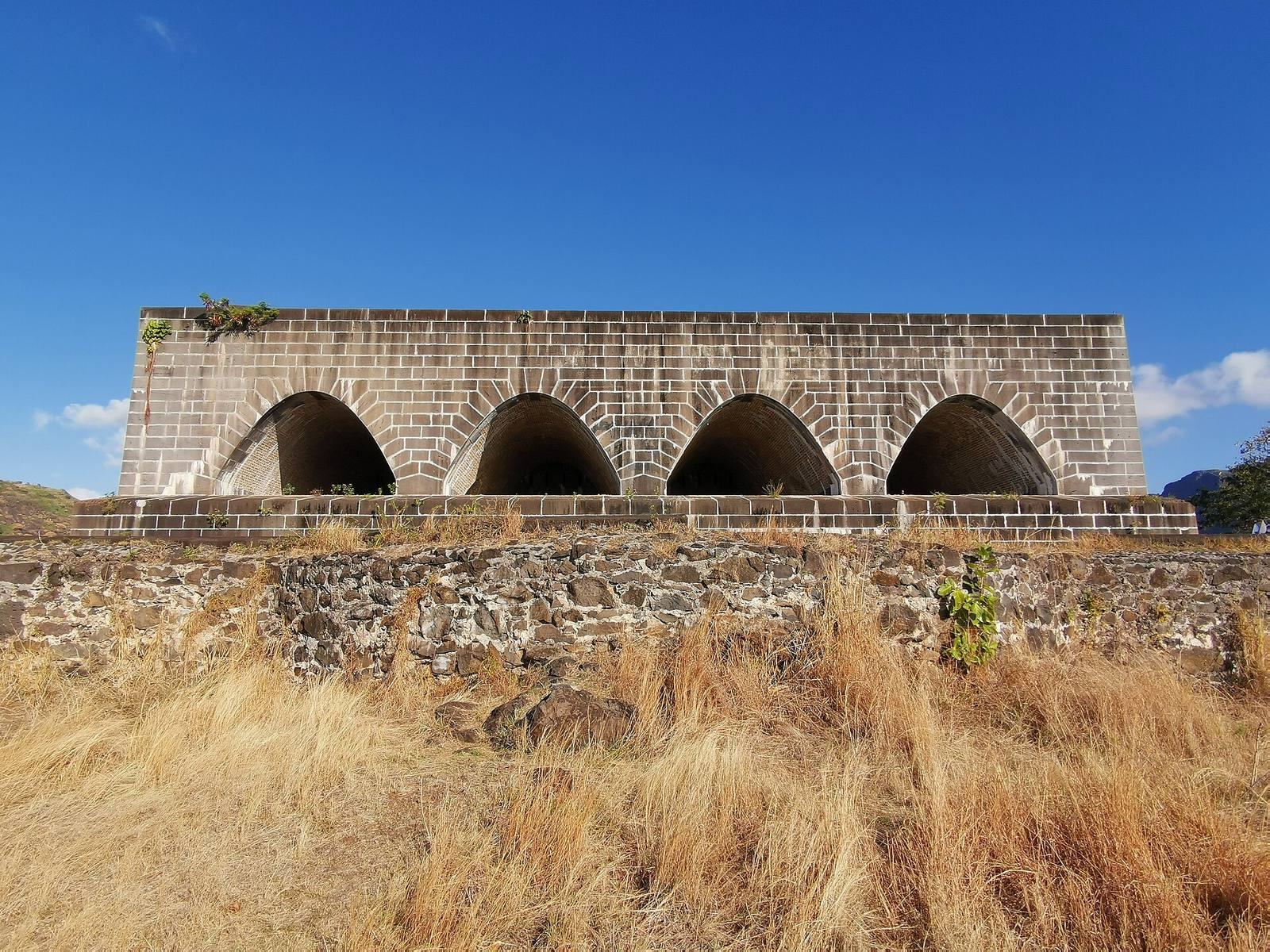
The citadel stands on the hill known as Little Mountain and is built from basalt blocks. Of the British-built forts named in the island’s defensive history, it is the only one that is not in ruins.
Its former facilities included officers’ quarters and barracks for as many as 200 men, with provisions intended to last three months without resupply. The fort also had a 40,000-gallon reserve of drinking water and a powder magazine with space for 280 barrels.