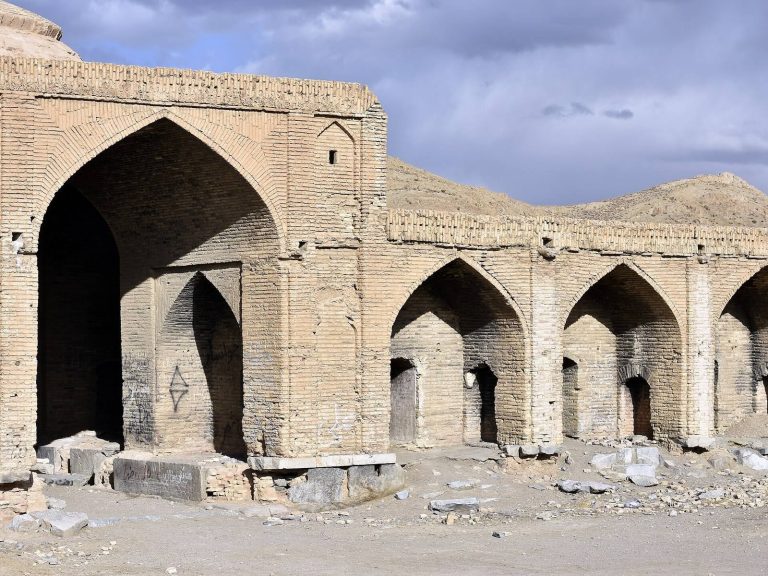
Guged Caravanserai: A Silk Road Lodging and Defensive Stronghold
Site at a Glance
- Popularity
- Medium
- Country
- Iran
- Primary era
- Early Modern
- Eras represented
- Early Modern
- Civilizations
- Safavid
- Site type
- Economic
- Remains
- Caravanserai
On this page8 sections
History
Safavid-era origins and Silk Road service
Guged Caravanserai, a roadside lodging complex for caravans, merchants, and their animals, stands in Golpayegan County, Iran, about five kilometres from Golpayegan. Dating to around the 16th century, the stronghold is traditionally associated with Khalil Khan Sarlak Bakhtiari, a leader of the Bakhtiaris, an Iranian tribal people. The tradition says he ordered its construction during the reign of Shah Abbas I, a ruler of Safavid Iran. Guged was one of four castles attributed to Khalil Khan, who was the brother of Jahangirkhan, ruler of the Bakhtiaris.
On the Silk Road, the stronghold accommodated prominent merchants and rulers or provincial governors traveling from elsewhere in Iran during peacetime. In times of war or bandit attacks, it could serve as a fortress. Agha Mohammad Khan, founder of the Qajar dynasty, may have stayed there for several days during his military campaigns.
Sarlak family ownership and uprising
The property passed through generations of the Sarlak Bakhtiari family to Ali Khan Salar, son of Aqa Khan and grandson of Khosrow Khan. A deed dating to about 140 years ago records that Ali Khan gave half the stronghold to his wife, Bibi Leila, as her mahr, the dower owed to a wife under Islamic marriage. The stronghold was thereafter known as Ali Khan’s Citadel. Before his death, Ali Khan also gave Bibi Leila half of Guged village and dedicated the other half, together with Niwan Banar village, to supporting poor children’s education and welfare.
Aqa Khan planned an uprising against Naser al-Din Shah, a Qajar ruler, in response to the shah’s severe oppression. Local people supported the plan, and clerics issued a religious ruling in its favor. About a month before the revolt was to begin, a close associate informed the shah. Aqa Khan was captured and executed. Orders to kill members of the Sarlak family followed from Naser al-Din Shah in Tehran and Zill al-Sultan, a Qajar prince and governor of Isfahan. Ali Khan Salar and his son Abu Torab Khan were killed; three other sons escaped, while the children were moved to the Lali plain in Khuzestan. The Sarlak owners did not return, and the stronghold was left without an owner.
Rebuilding and later use
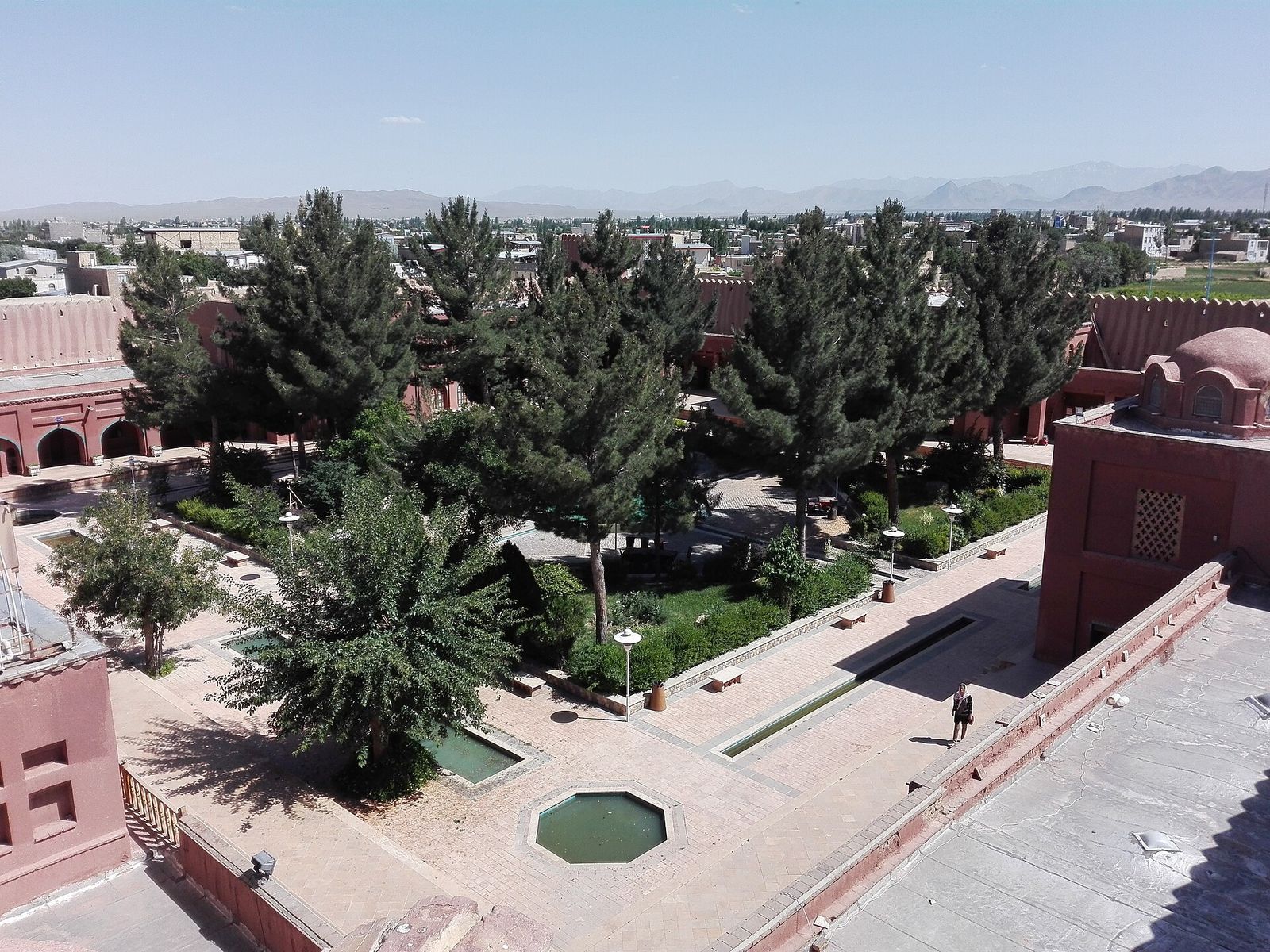
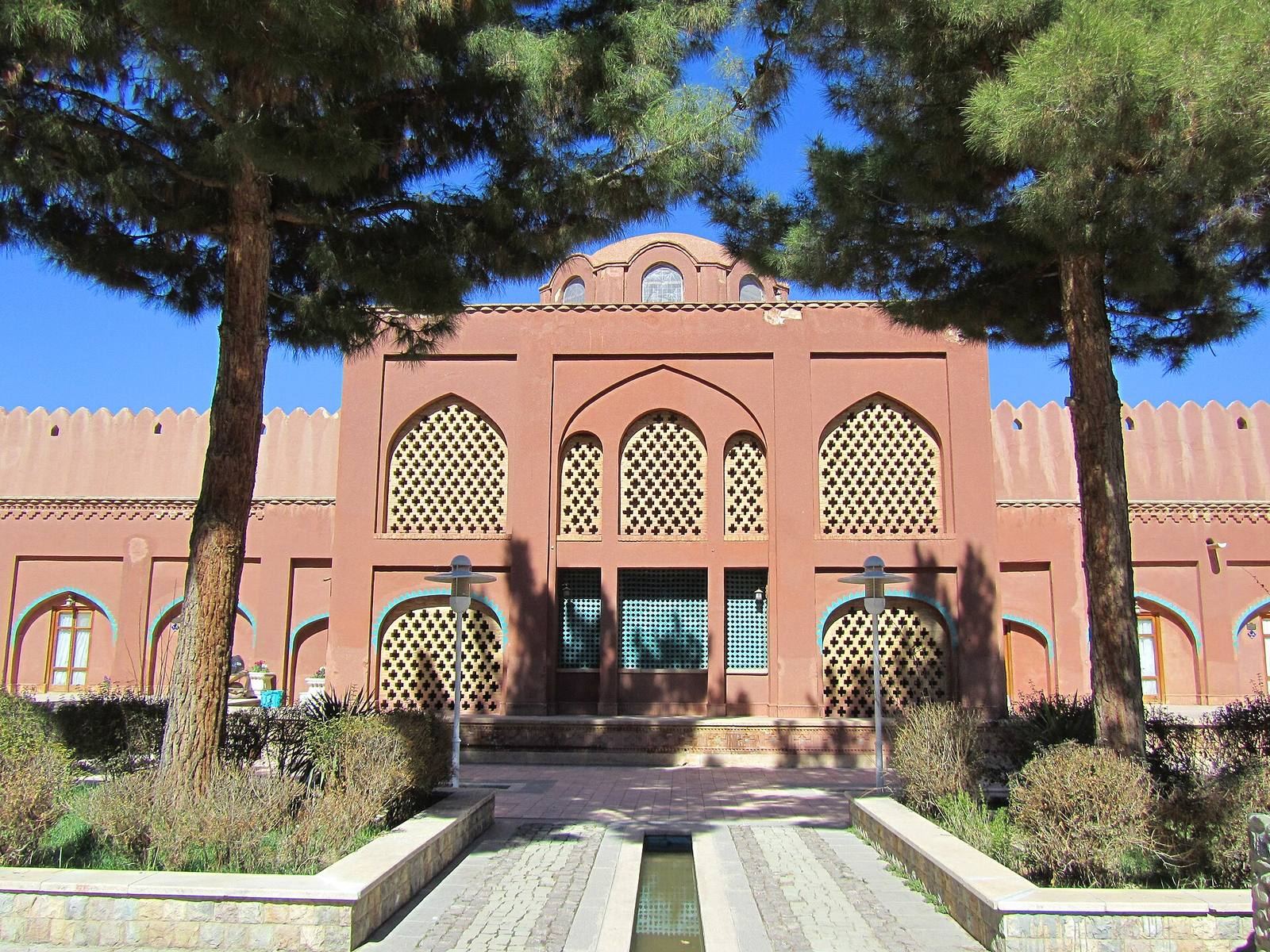
After suffering severe damage, the stronghold underwent major rebuilding and was sold. A later owner converted it into a traditional three-star hotel. It is registered as an Iranian National Heritage site.
Remains
Structure and accommodation
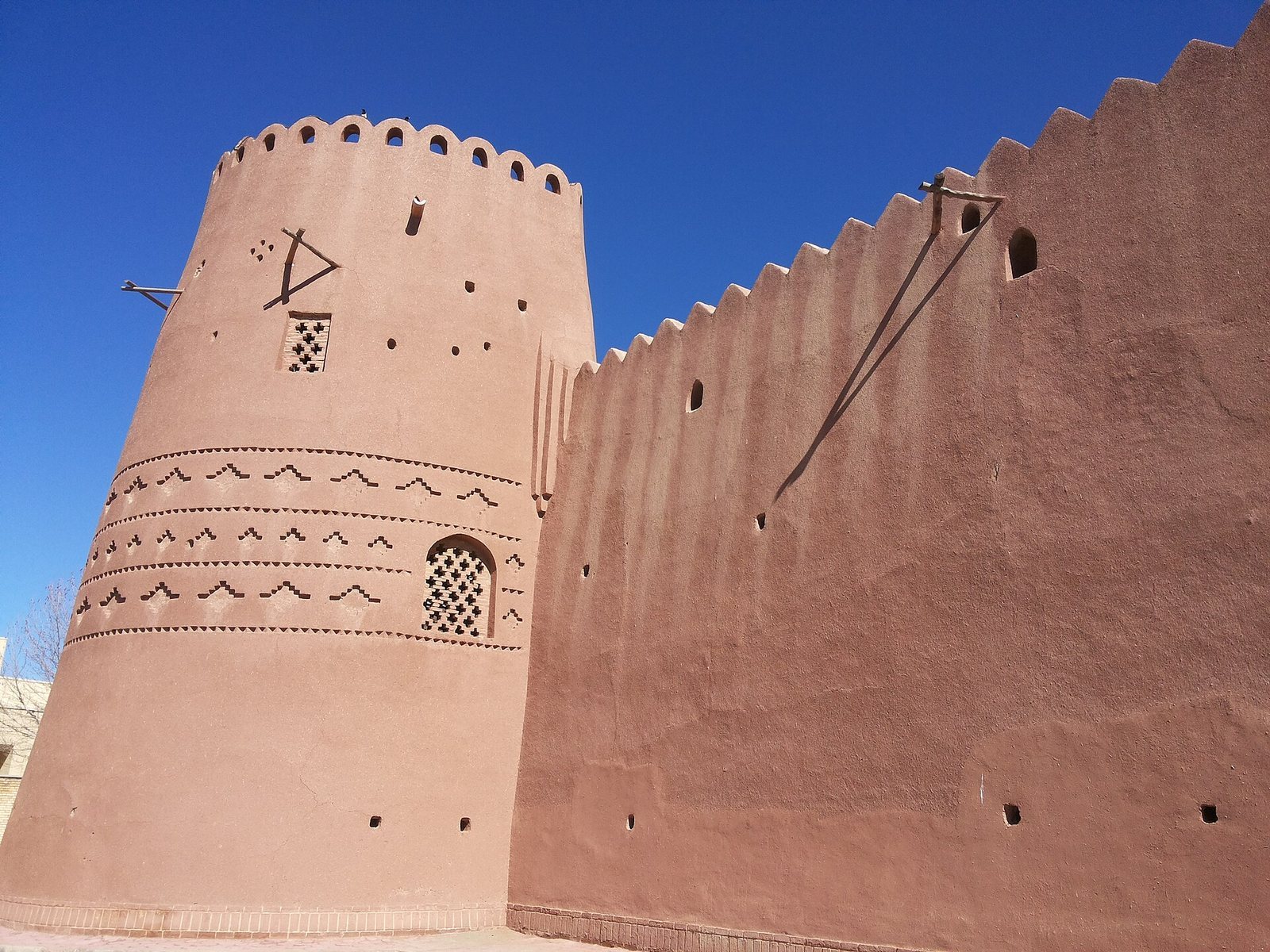
The stronghold stands about 11 metres high and is built of adobe, or sun-dried mud brick, and mud. It is among Iran’s largest structures made from these materials. Its two floors served different occupants: mules and their handlers were housed together below, while merchants and other prominent people stayed on the upper floor.
Defensive features
Openings in the high walls housed pigeons that acted as an alarm. At night, birds disturbed by attackers climbing with ladders or grappling hooks would make noise and alert the guards. An entrance and a tower are also components of the stronghold.
Family records in the reception hall
Framed documents and photographs of Ali Khan Salar and his family were hung in the reception hall by his descendant Reza Sarlak Bakhtiari. While researching the family’s records, Reza found Ali Khan’s will.