Kacenštajn Castle: A Noble Manor and Wartime Prison in Slovenia
Site at a Glance
- Rating
- 4.6
- Popularity
- Low
- Country
- Slovenia
- Primary era
- Early Modern
- Eras represented
- Medieval, Early Modern, Modern
- Civilizations
- Habsburg, Habsburg Austria, Holy Roman Empire
- Site type
- Domestic
- Remains
- Castle
On this page9 sections
History
From recorded mention to noble residence
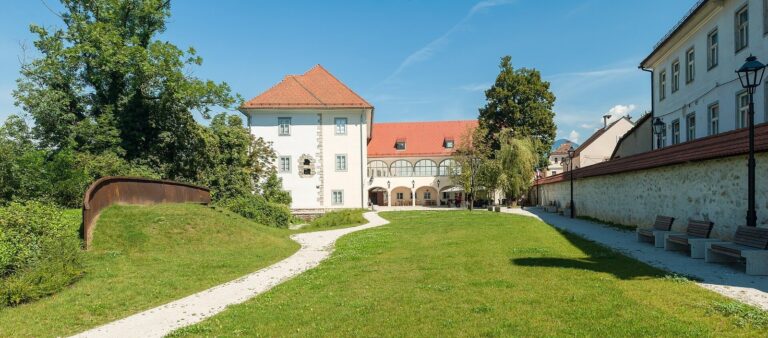
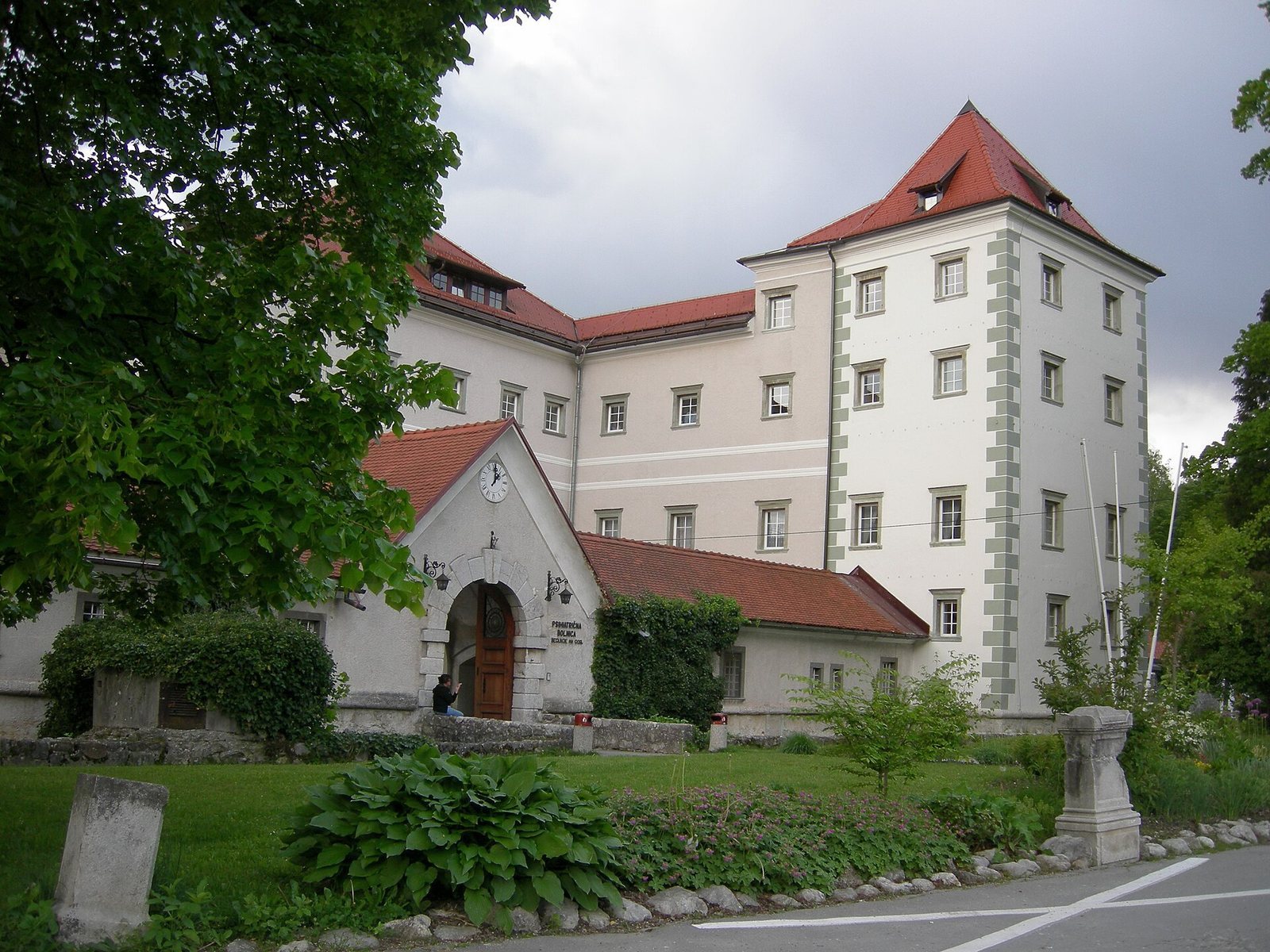
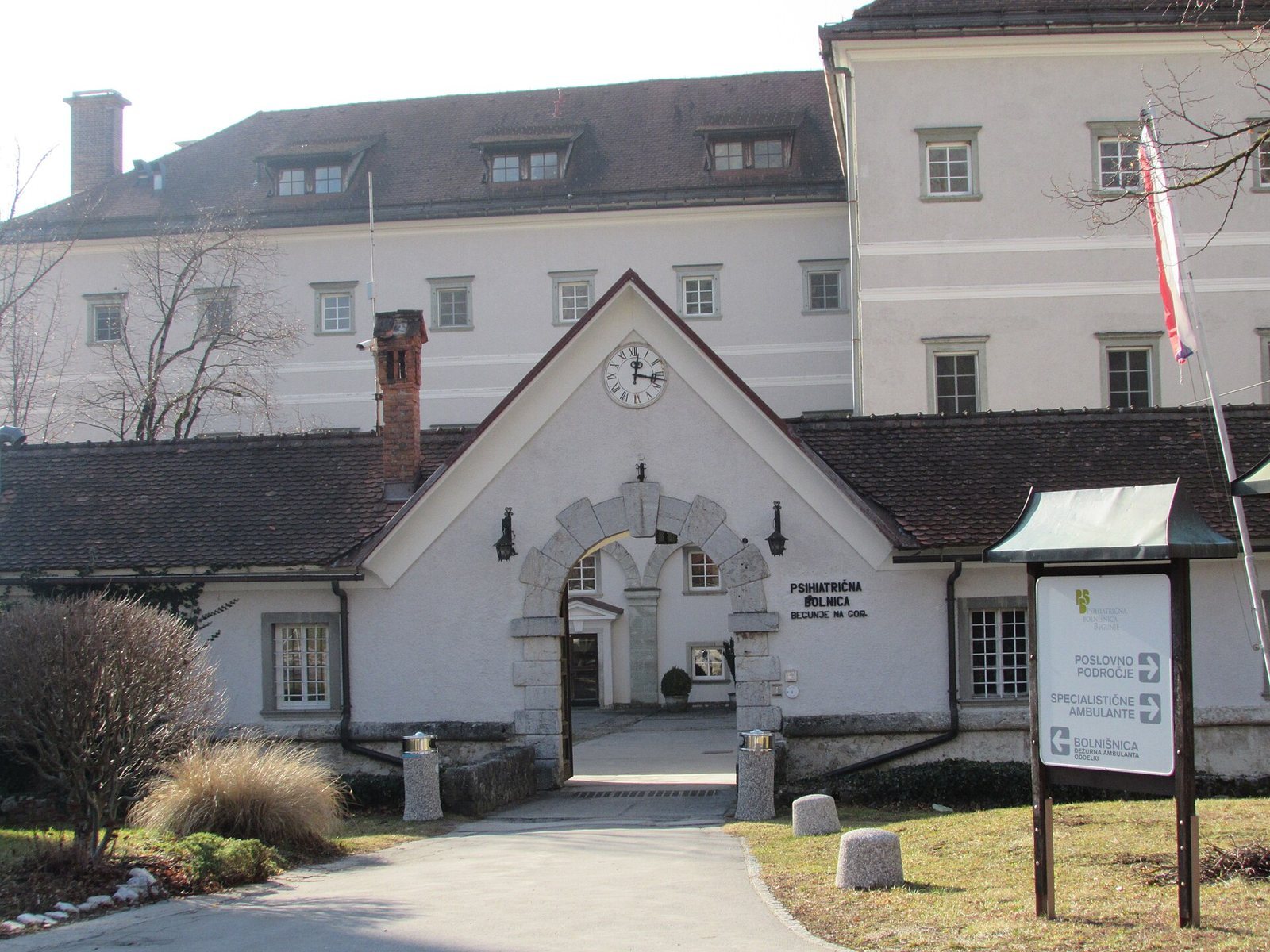
Kacenštajn Castle is a manor in Begunje, Slovenia, first mentioned in 1428. The noble house of Katzen, known locally as Kacijanarji, rebuilt it in the 16th century. It reached its final form in the 17th century, when the Counts of Lamberg, members of a Central European noble family, moved there from Kamen Castle.
Penitentiary and wartime prison
Before the Second World War, the manor served as a women’s penitentiary run by the Sisters of St. Vincent de Paul, a Catholic women’s religious congregation associated with charitable service. During the war, it became a prison operated by the Gestapo, Nazi Germany’s secret state police. More than 11,500 prisoners passed through the prison, and 849 detainees were murdered there.
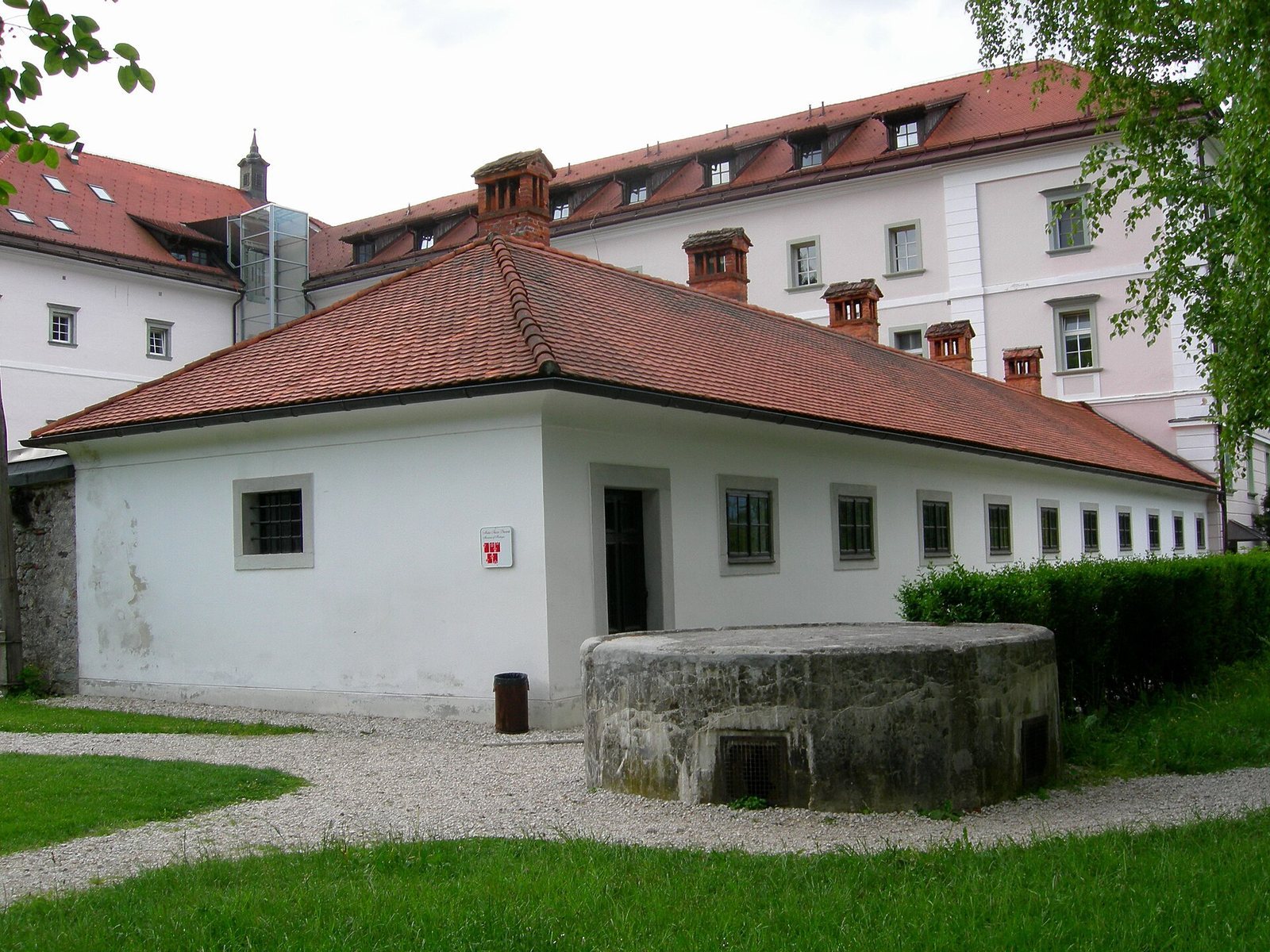
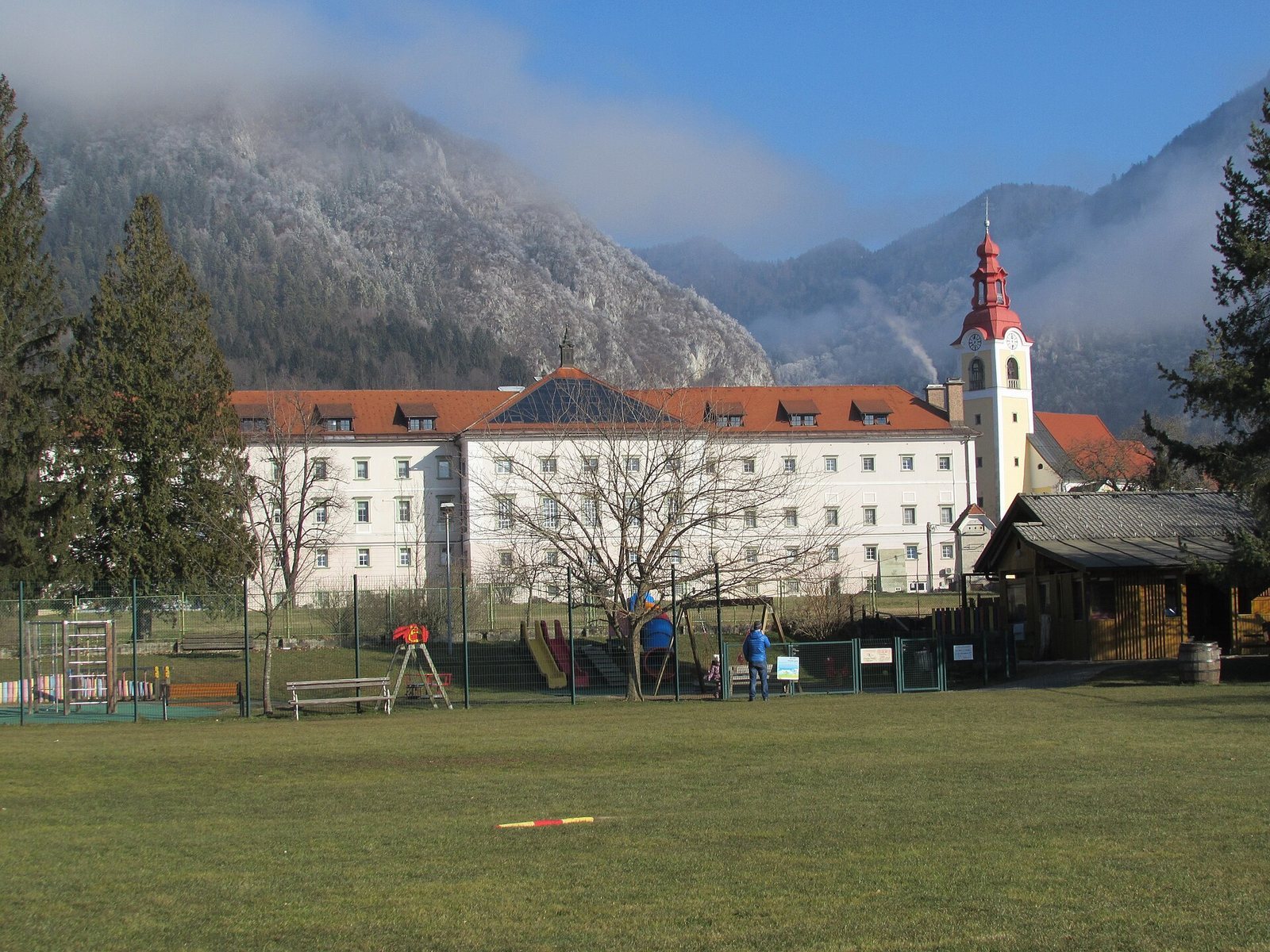
Part of the manor now houses a Hostage Museum documenting the wartime events. The rest of the building is used as a psychiatric hospital.
Remains
Buildings and grounds
Castle building
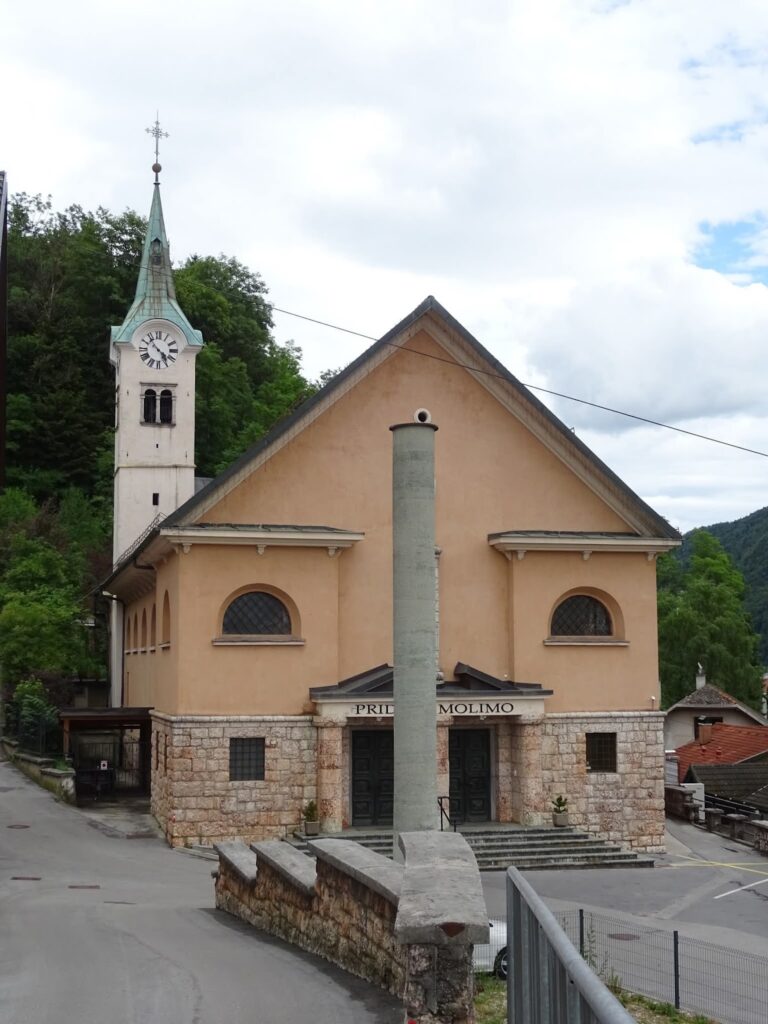
Together with St. Ursula’s Church, the castle forms the old center of Begunje. Built of limestone, the manor retains its original two-storey core within later additions. Remnants of Gothic architecture, a medieval European tradition, survive alongside fabric from Renaissance rebuilding, which drew on classical forms, and Baroque work, an early modern style often marked by elaborate design. The southeast wing was added in the 19th century.
Garden and avenue
The layout of the Baroque garden remains, although a vegetable garden now occupies the grounds. A 140-metre avenue leading to the manor is bordered by mature chestnut trees.
Park pavilion
A pavilion was built in the park in 1940 following a design concept by Jože Plečnik, an influential Slovenian architect of the 20th century.
Mass grave
A mass grave on the castle grounds holds most of the detainees murdered at the prison.