Gorkha Palace: A Fortified Royal Palace in Nepal
Site at a Glance
- Popularity
- High
- Country
- Nepal
- Primary era
- Early Modern
- Eras represented
- Early Modern
- Civilizations
- Unclassified
- Site type
- Domestic
- Remains
- Palace
On this page14 sections
History
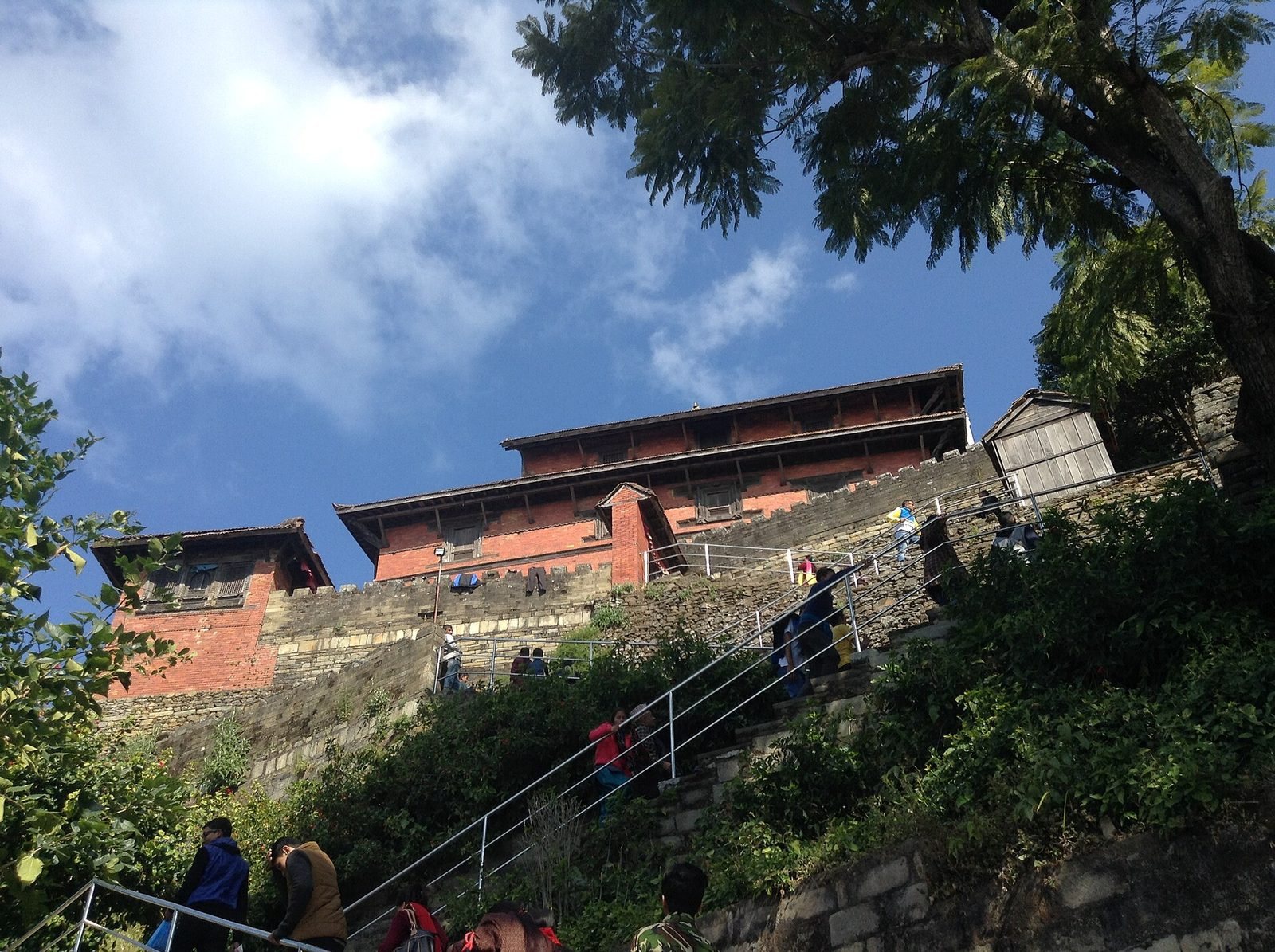
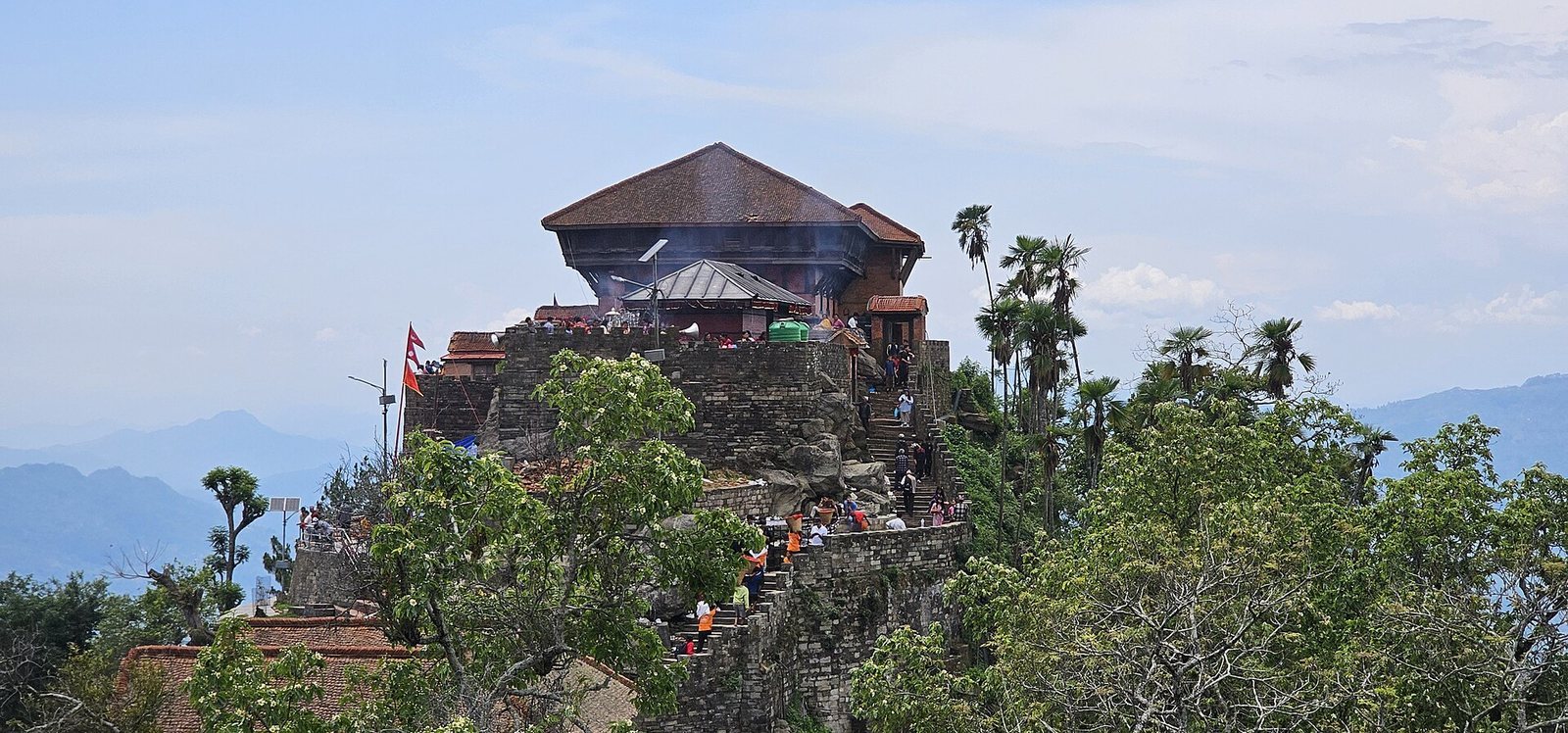
Gorkha Palace is a fortified hilltop palace in Nepal, built in 1630 by King Ram Shah in Newar architecture (the tradition of Nepal’s Newar people). Its history is closely linked with the royal family of Gorkha and Nepal’s later unification.
Royal foundation and unification
Prithvi Narayan Shah was born in 1723 in Dhuni Pari, a part of the palace. He later began the unification of Nepal. An eternal flame in the palace’s southern section has been kept alight since that unification.
Religious observances
Hindu temples in and near the palace grounds contribute to its religious importance. An annual fair takes place at Gorakhnath Cave on Baisakh Purnima, the full-moon day in Baisakh, the first month of the Nepali calendar.
Earthquake and reconstruction
The April 2015 Nepal earthquake partially damaged the palace. The Department of Archaeology began reconstruction on November 15, 2017, and the work was still continuing in 2022.
Remains
Palace structure and setting
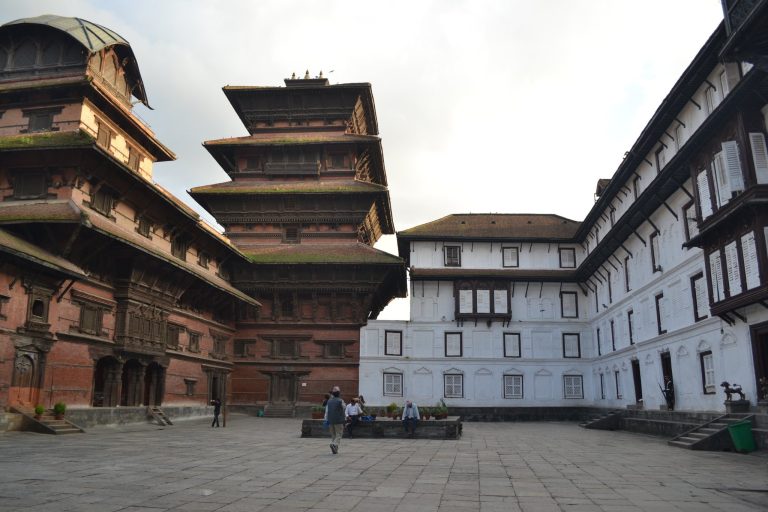
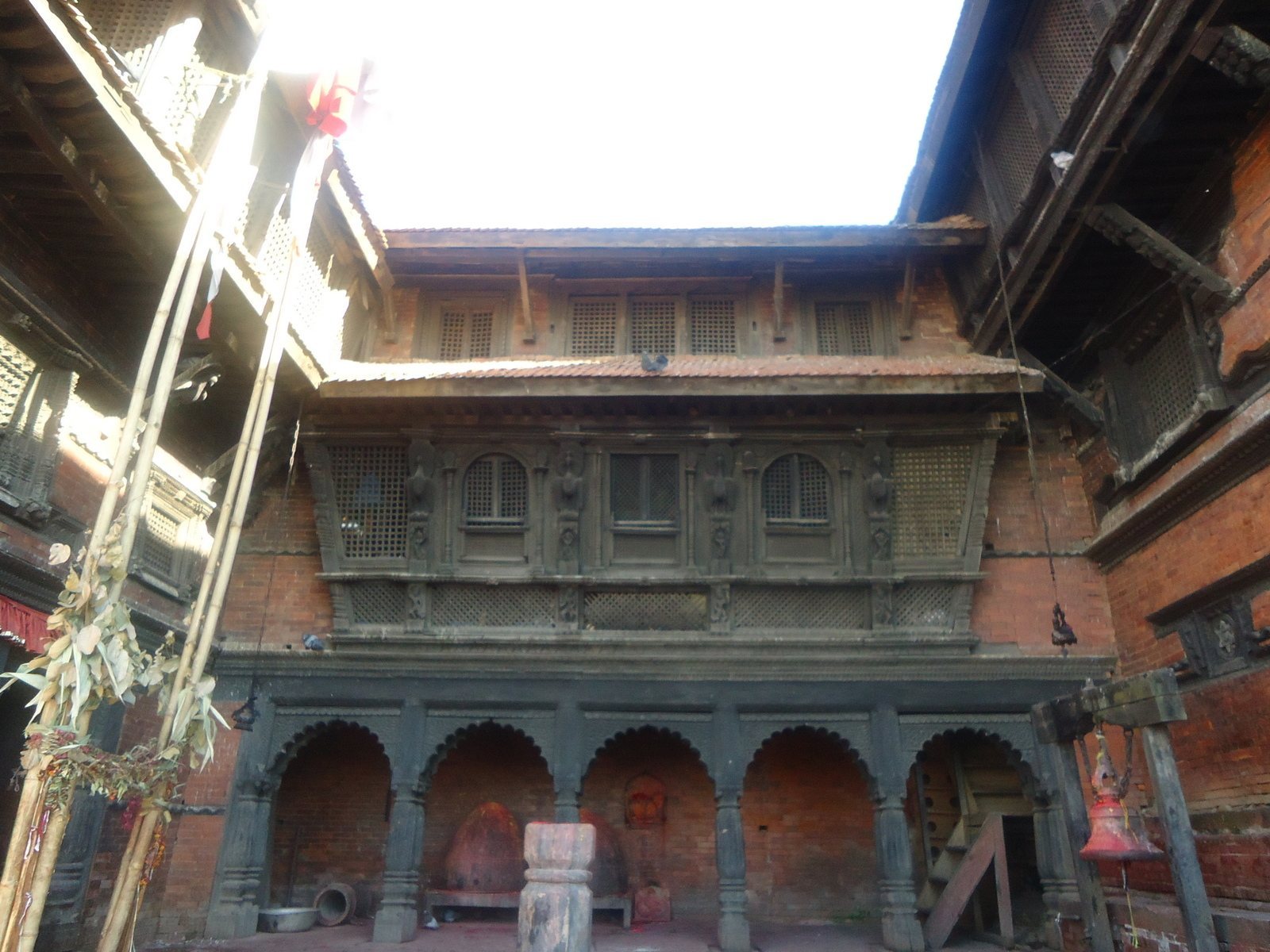
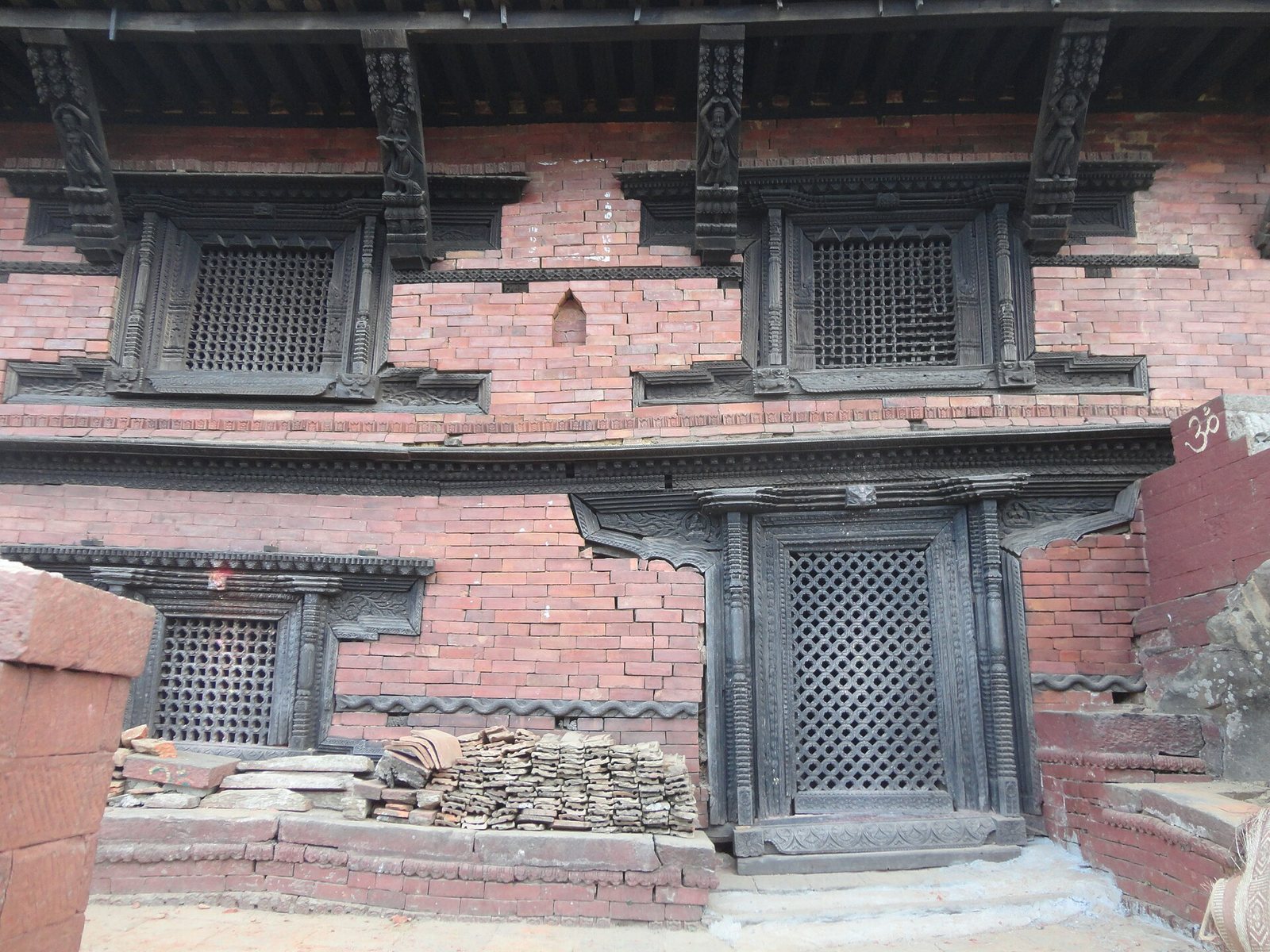
The palace occupies a fortified hilltop at about 1,000 metres above sea level. Its several levels combine defensive features with timber, stone, and clay-brick construction. Walls about three feet thick and extended wooden beams supporting the floors form part of the structure, which is enriched with intricate wooden carvings. From the palace, Manaslu, Himalchuli, Annapurna, and Ganesh are visible to the north; the plains of Gorkha and surrounding villages lie to the south.
Palace spaces and collections
Dhuni Pari
Dhuni Pari is a part of the palace complex.
Palace museum
A museum within the palace grounds contains armour, paintings, and the Divya Upadesh (Divine Counsel), a set of political teachings associated with Prithvi Narayan Shah.
Temples and cave
Kalika Temple
Kalika Temple stands in the western section of the palace. It is attributed to the seventeenth century, and its wooden carvings show birds, animals, and deities.
Gorakhkali Temple
The temple of Gorakhkali, a regional form of the Hindu goddess Kali, is on the palace’s southwestern side.
Gorakhnath Temple
The Gorakhnath temple is near the Gorakhkali temple.
Gorakhnath Cave
The cave is traditionally associated with Gorakhnath, a Hindu yogi, who is said to have meditated there on Tantra, religious practices involving ritual and esoteric methods.