Cangé Castle: A Historic Estate and Multimedia Library in Saint-Avertin, France
Site at a Glance
- Popularity
- Medium
- Country
- France
- Primary era
- Medieval
- Eras represented
- Medieval
- Civilizations
- Unclassified
- Site type
- Domestic
- Remains
- Castle
On this page5 sections
History
Medieval origins and later occupants
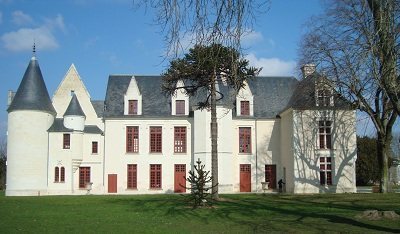
Cangé Castle is a thirteenth-century castle in Saint-Avertin, France, built for the Touraine family of d’Andigné. The d’Andigné family occupied it from 1200 to 1400, followed by the Montmorin family from 1400 to 1489 and the Coningham family from 1489 to 1679. Later occupants included Antoine Girollet (1746–1766), the Plessis de Grenédan family (1804–1810), the Viot family (1818–1832), the Panon Desbassayns de Richemont family (1832–1856), Maurice Cottier (1856–1904), and the Pourtalès family (1904–1944).
Other occupants included Jean-Pierre Gilbert Imbert de Chastres, mayor of Tours. Five mayors of Saint-Avertin also lived at the castle: Louis-Joseph du Plessis-Mauron de Grenédan, Edmond Viot-Prudhomme, Baron Paul de Richemont, Maurice Cottier, and Count Paul de Pourtalès. The father of Admiral Hercule de Conigan de Cangé (1594–1642) held the lordship of Cangé.
The château during the Second World War
In June 1940, President Albert Lebrun and the services of the French presidency requisitioned the castle for five days. Lebrun, president from 1932 to 1940, served under the Third Republic, France’s republican regime from 1870 to 1940. The French cabinet held two meetings at Cangé, on 12 and 13 June 1940.
Fire, municipal ownership, and reuse
After the Second World War, the owner left the castle abandoned. A fire badly damaged it on the night of 20–21 June 1978, and the municipality purchased the property in 1980. Following a two-year renovation, the castle reopened as a modern multimedia library on 28 December 2012.
Remains
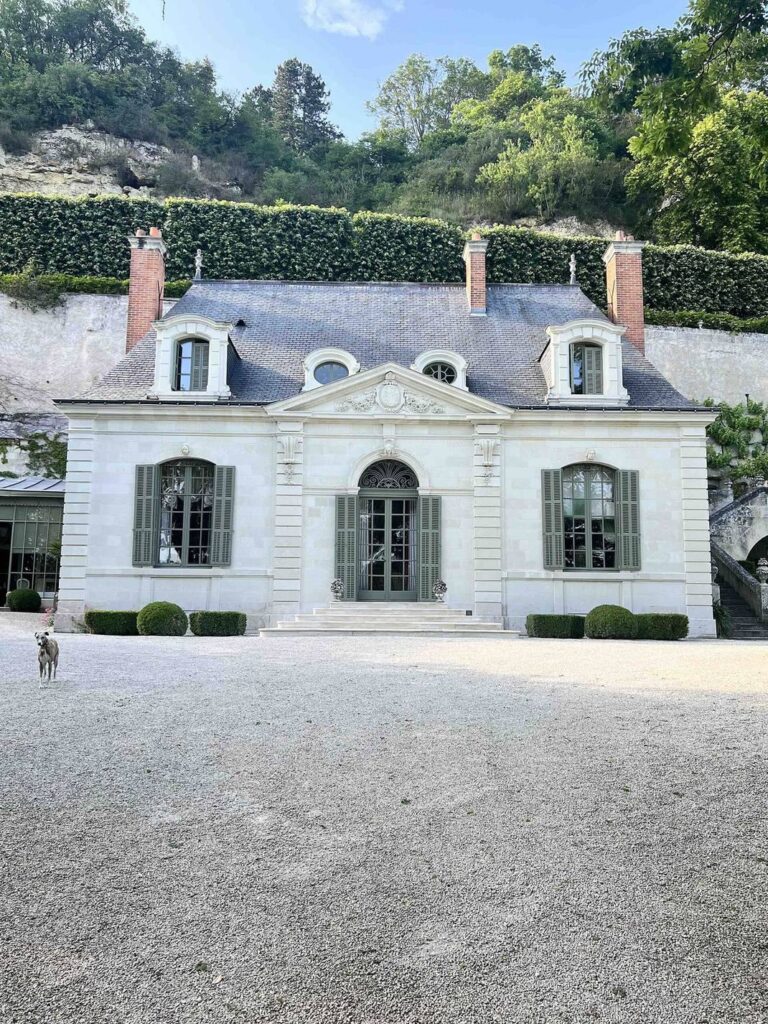
The castle stands on a hillside east of Saint-Avertin, overlooking the Cher valley. Its estate includes outbuildings and a park covering 15 hectares.
The building’s architectural character was respected in its adaptation for use as a multimedia library. This renovation retained the castle’s architectural identity while giving the historic building a contemporary public function.