Archaeological Site of Shisr: An Oasis Trading Post on the Frankincense Route
Site at a Glance
- Popularity
- High
- Country
- Oman
- Primary era
- Classical
- Eras represented
- Stone Age, Iron Age, Classical
- Civilizations
- Unclassified
- Site type
- City
On this page9 sections
History
The Archaeological Site of Shisr is an oasis settlement near Ash Shisr village in Dhofar, Oman. Its trading post dates to the fourth century CE and served the overland frankincense route, carrying frankincense, an aromatic resin traded in antiquity.
Early occupation and trade
Human activity at Shisr reaches back to the Stone Age. Small sites date to around 5000–4000 BCE, and settlement traces belong to the Iron Age, the period when iron came into use, around 625–325 BCE.
By the fourth century CE, Shisr functioned as an inland oasis and an important trading post along the route that carried frankincense overland.
Abandonment and lost-city traditions
The settlement was abandoned between the fifteenth and sixteenth centuries after its spring dried up. Its decline may have helped inspire the legend of Ubar, a legendary lost place.
Some have identified Shisr with Ubar or Iram, a place in Quranic tradition, but these identifications remain disputed. An archaeological interpretation places Shisr within the historical region of Ubar, which may have referred to a territory rather than a single city.
Excavation and heritage recognition
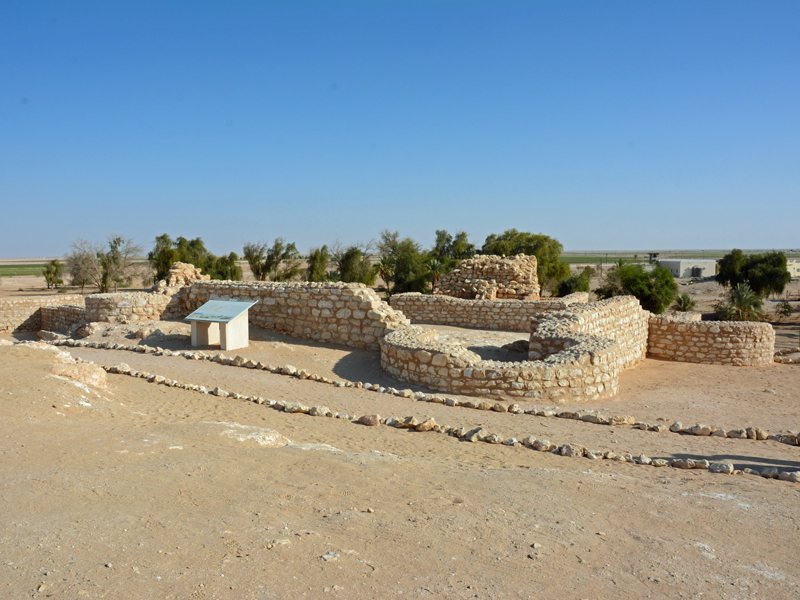
Archaeologists working with the Omani government investigated Shisr between 1993 and 1995. Their excavations revealed an ancient settlement and a castle.
Since 2000, Shisr has formed part of the UNESCO World Heritage property Land of Frankincense, which is associated with Oman’s frankincense trade.
Remains
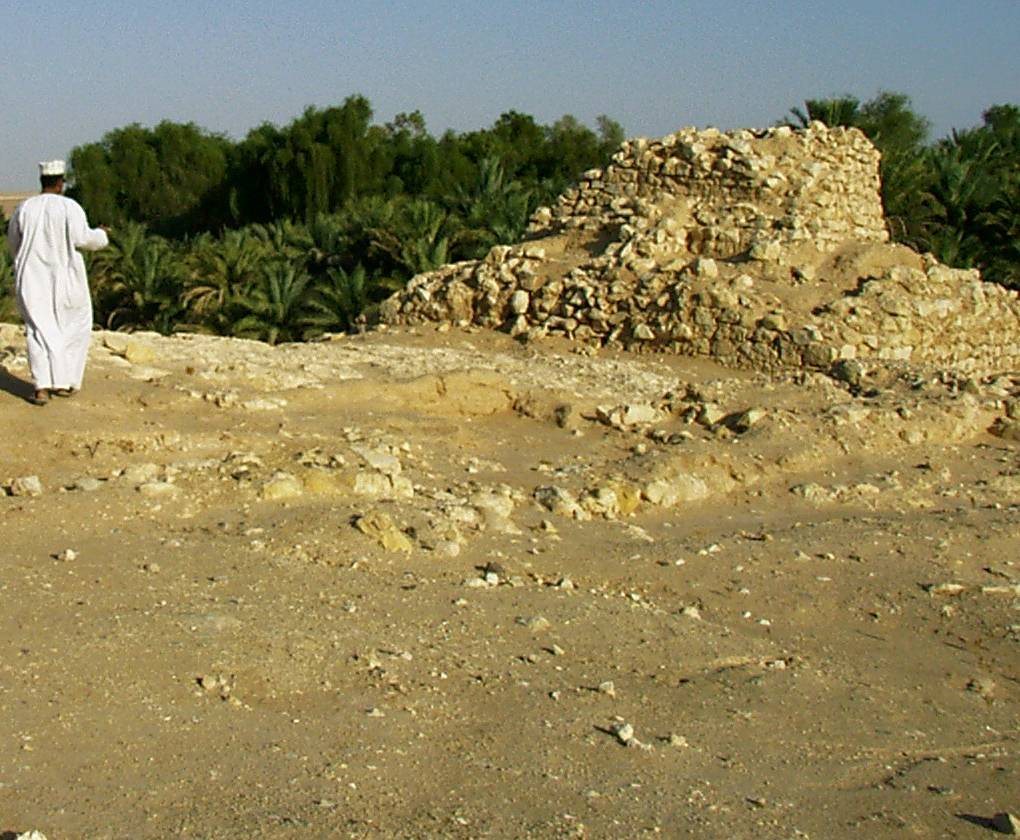
At the southern edge of the Rub’ al-Khali desert, about 170 kilometres north of Salalah, the site occupies an oasis. Its archaeological layout includes dispersed occupation sites and the remains of a settlement and castle.
Archaeological features
Earlier occupation
Dispersed small sites and settlement traces represent the earlier phases of occupation at Shisr.
Trading settlement and castle
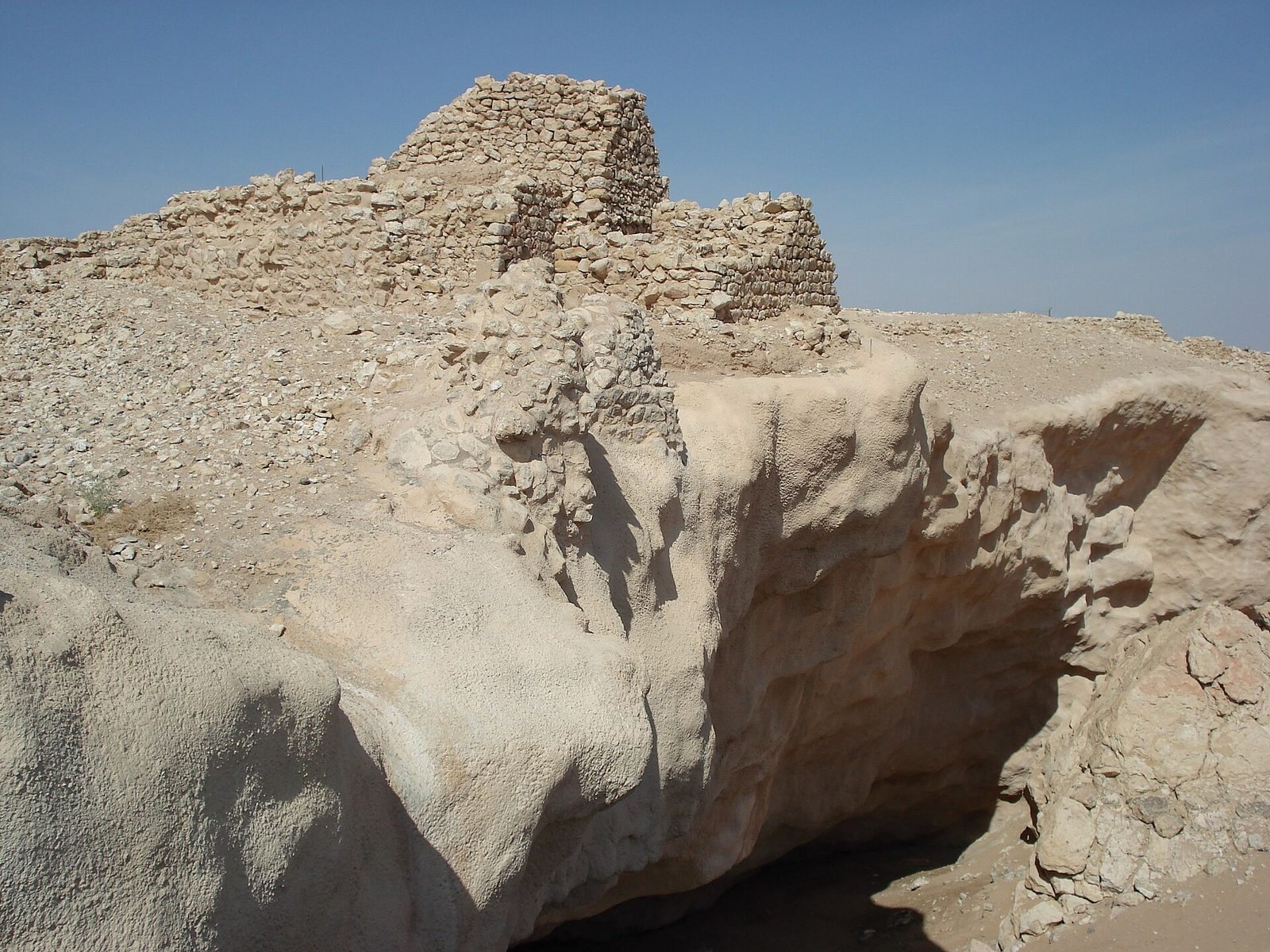
The trading post was built of stone and mortar, and excavations identified a castle within the ancient settlement. Groundwater veins weakened the surface layer, causing parts of the ruins to collapse.
Pottery and tools
Pottery vessels and tools connected with frankincense date from the first century BCE to the middle of the Islamic period, the era shaped by Islam’s emergence and spread.