Kathiri Palace: Royal Residence of the Kathiri Sultans in Yemen
Site at a Glance
- Popularity
- High
- Country
- Yemen
- Primary era
- Modern
- Eras represented
- Modern
- Civilizations
- Unclassified
- Site type
- Domestic
- Remains
- Palace
On this page8 sections
History
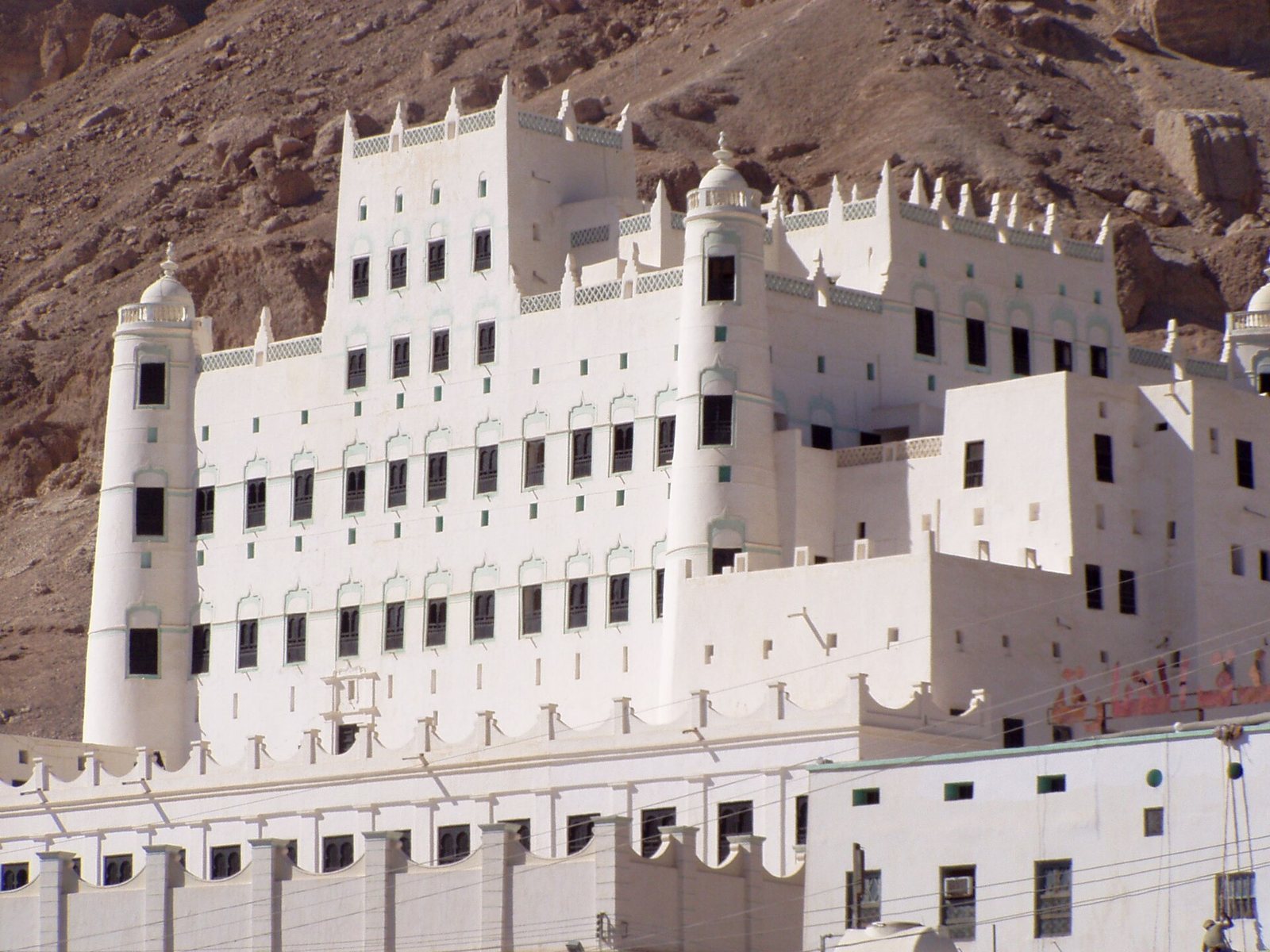
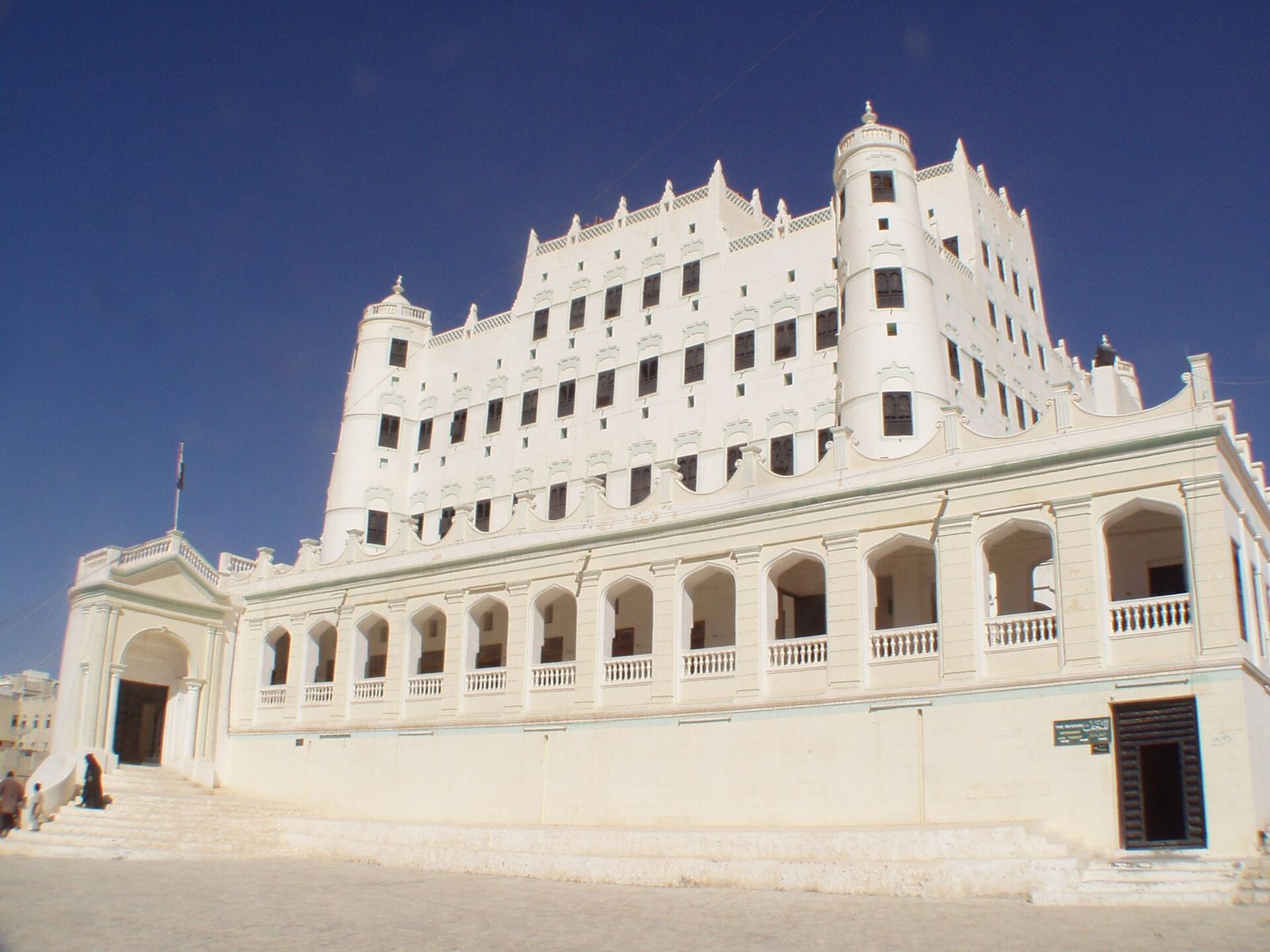
Kathiri Palace is a mudbrick royal residence in Seiyun, in eastern Yemen’s Hadramawt region, built in the Hadhrami architectural tradition, a regional style associated with Hadramawt. It served as the home of the Kathiri sultans, rulers of the Hadramawt Valley, until 1967.
Royal residence and capital
In 1584, Sultan Badr Abu Tuwaireq restored the palace, took up residence there, and built a mosque beside it. Seiyun subsequently became the capital of the Kathiri state and, more broadly, of the Hadramawt Valley.
Later renovations
A Kathiri sultan renovated the palace during the 13th century AH, the Hijri calendar, which counts years from Muhammad’s migration from Mecca to Medina. His son continued the work, and another member of the ruling family completed the building in its present form during the 14th century AH.
Museum and recent damage
A museum opened in the palace in 1984, displaying objects gathered through archaeological excavations by a Yemeni-Soviet mission. It closed in 2015 after Al-Qaeda, a militant Islamist organization, entered Hadramawt during the Yemeni Civil War. Neglect and rain damage during the conflict left the building at risk of collapse. A major flood in 2020 caused further harm, and UNESCO, the United Nations organization concerned with education, science, and culture, restored the palace in 2022.
The palace also appears on Yemen’s 1,000-riyal banknote, the currency’s highest denomination.
Remains
Palace and setting
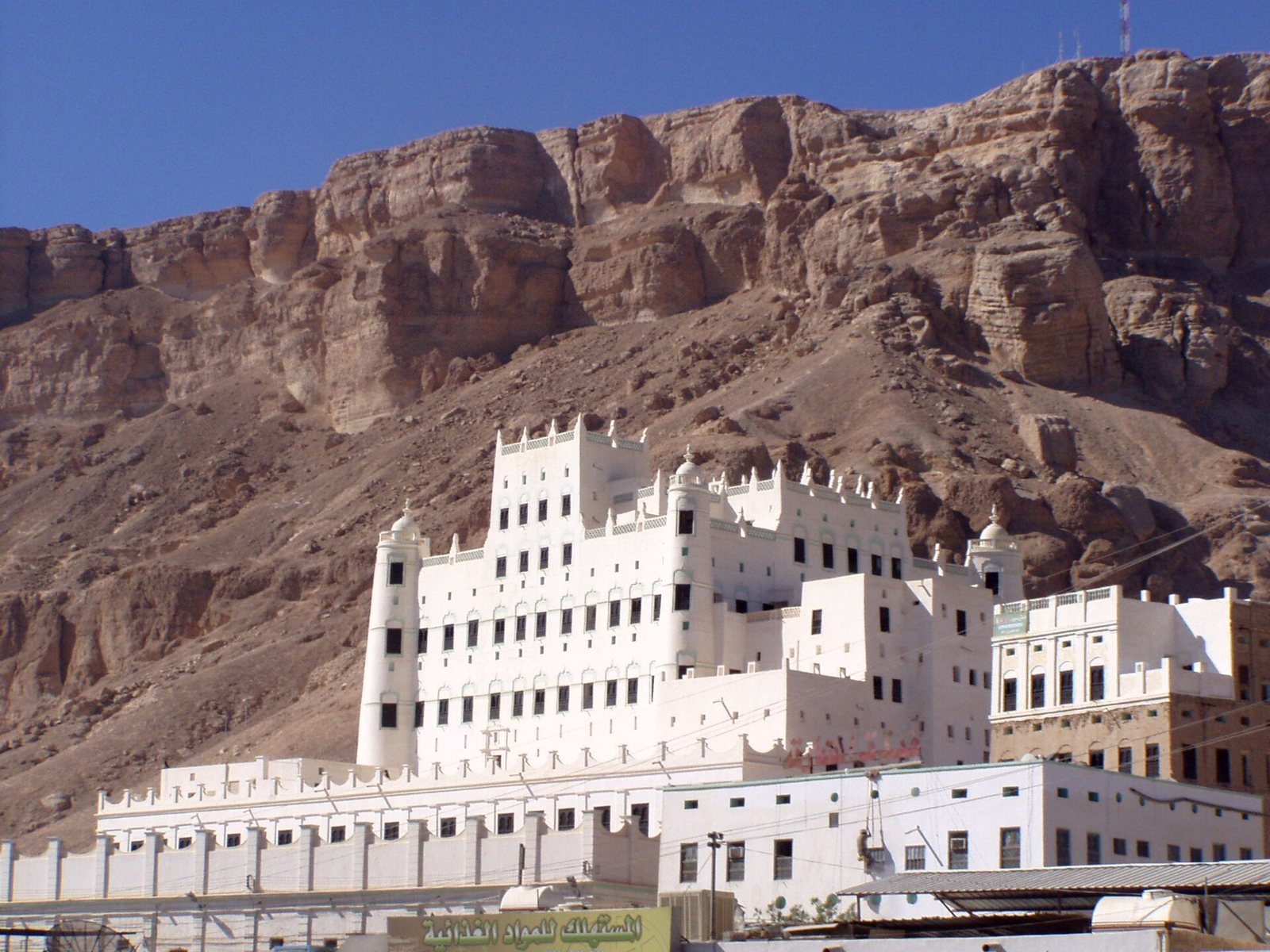
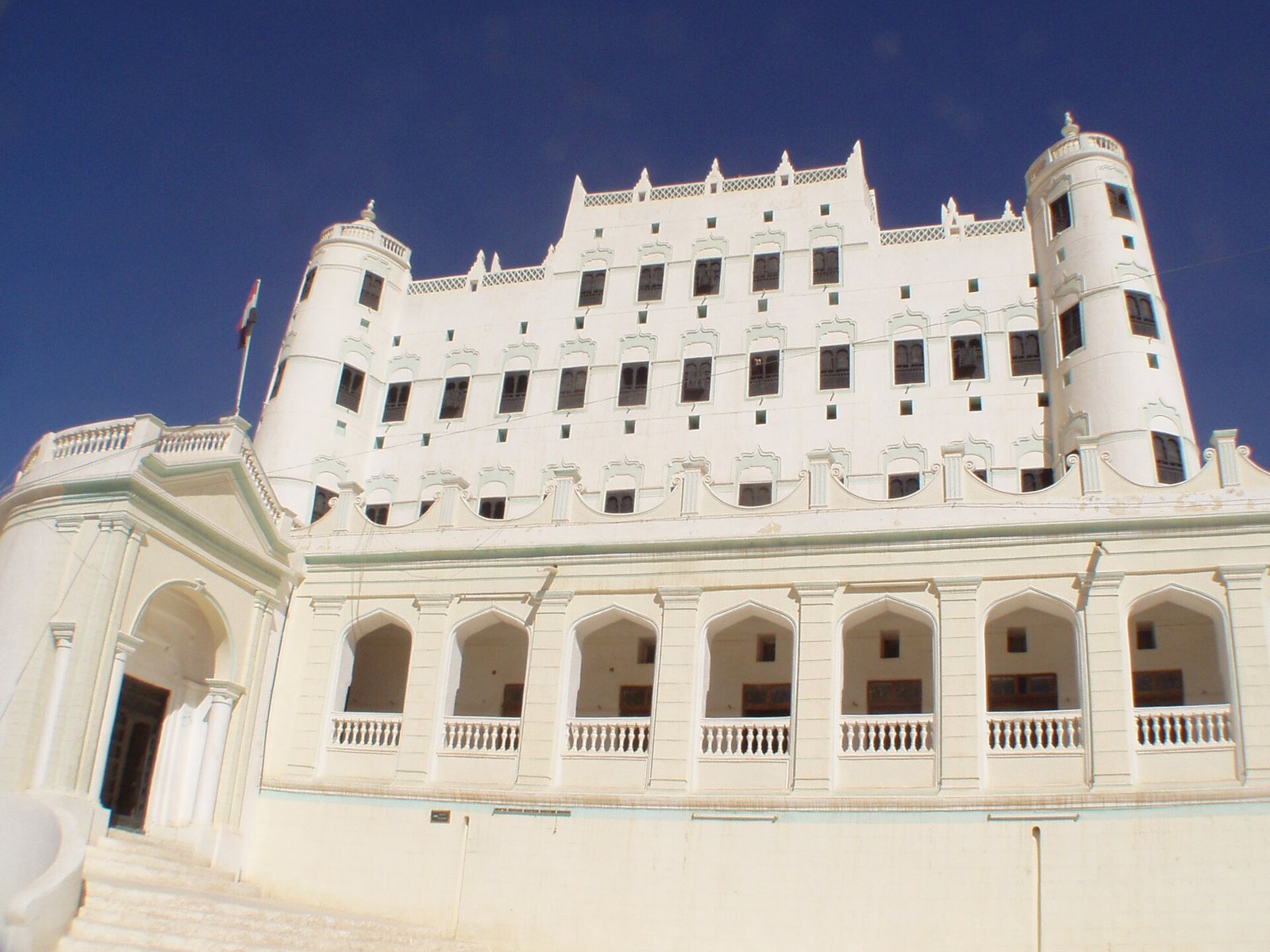
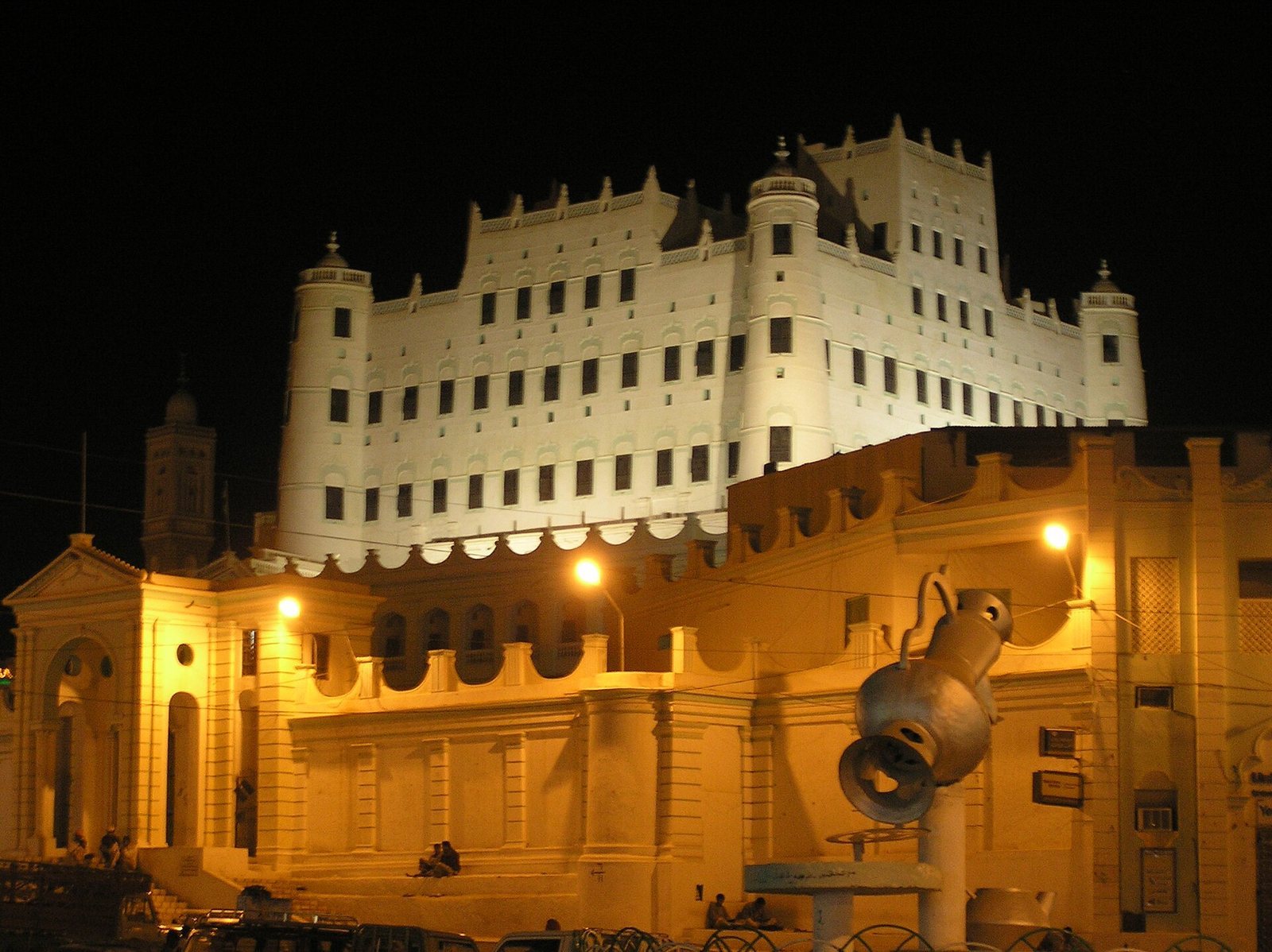
Standing on a hill in the center of Seiyun’s public market, the palace occupies a central position in the city. Its seven floors are built of mudbrick in the Hadhrami style, a regional architectural tradition associated with Hadramawt. The building contains 45 rooms, along with storage rooms and several outbuildings, and has turrets at its corners. It is among the world’s largest mudbrick buildings.
Adjacent mosque
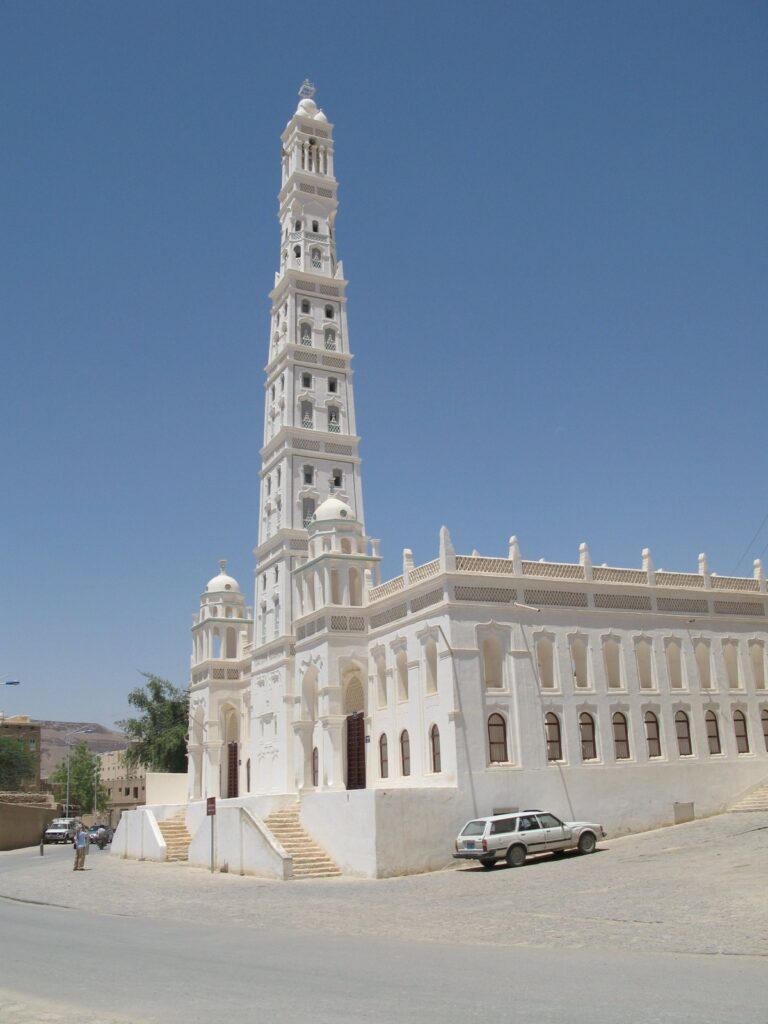
A mosque stands beside the palace.
Museum collections
The palace museum displayed crafts and tools, as well as objects excavated in the province. These included tombstones associated with the Stone Age, a prehistoric period before metals were widely used, and the beginnings of civilization in Yemen; statues from the Bronze Age, a period characterized by the use of bronze; pottery; and ancient pre-Islamic manuscripts, dating from before the rise of Islam. Some of the museum’s most valuable objects were concealed to protect them from damage or destruction by armed groups.