Gorodnya Kremlin: A Tver Frontier Fortress on the Volga
Site at a Glance
- Popularity
- Low
- Country
- Russia
- Primary era
- Early Modern
- Eras represented
- Medieval, Early Modern
- Civilizations
- Golden Horde, Russian
- Site type
- Military
On this page7 sections
History
Tver’s Volga frontier
The Gorodnya Kremlin was a wooden fortress in Gorodnya, on the Volga in Russia, whose fortifications were built or substantially rebuilt in 1390. In the fourteenth and fifteenth centuries, it was one of the fortress-residences of the princes of Tver. Positioned on their frontier with the Grand Duchy of Moscow, a medieval Russian principality centered on Moscow, it guarded Volga fords along the road to Moscow. Fourteenth-century chronicles refer to the settlement as Gorodok on the Volga, Goroden, or Vertyazin.
Fire, rebuilding, and decline
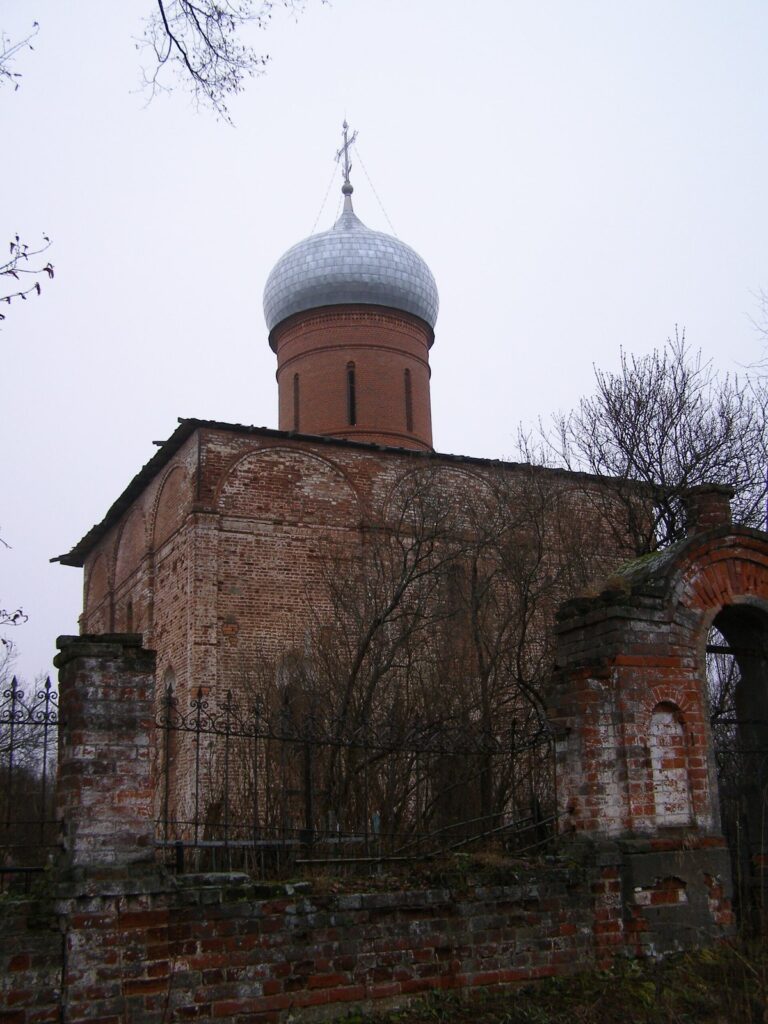
A major fire in 1412 destroyed the Kremlin’s buildings. The fortifications were restored by 1413 with the help of builders brought from Tver and Kashin. The stone Church of the Nativity of the Mother of God, probably first built in the early fourteenth century, suffered fire damage and was rebuilt between 1412 and 1425 on the order of Boris Alexandrovich, Grand Prince of Tver. The fortifications fell into disrepair during the seventeenth century. The site is designated a cultural heritage monument of federal significance in Russia.
Remains
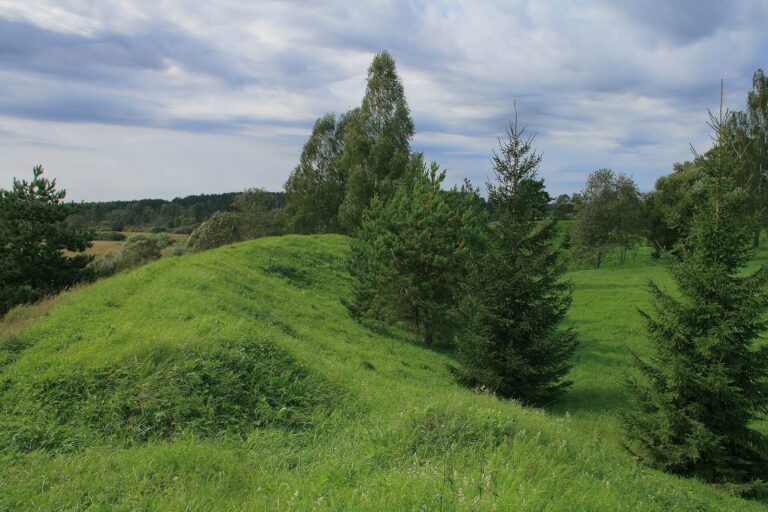
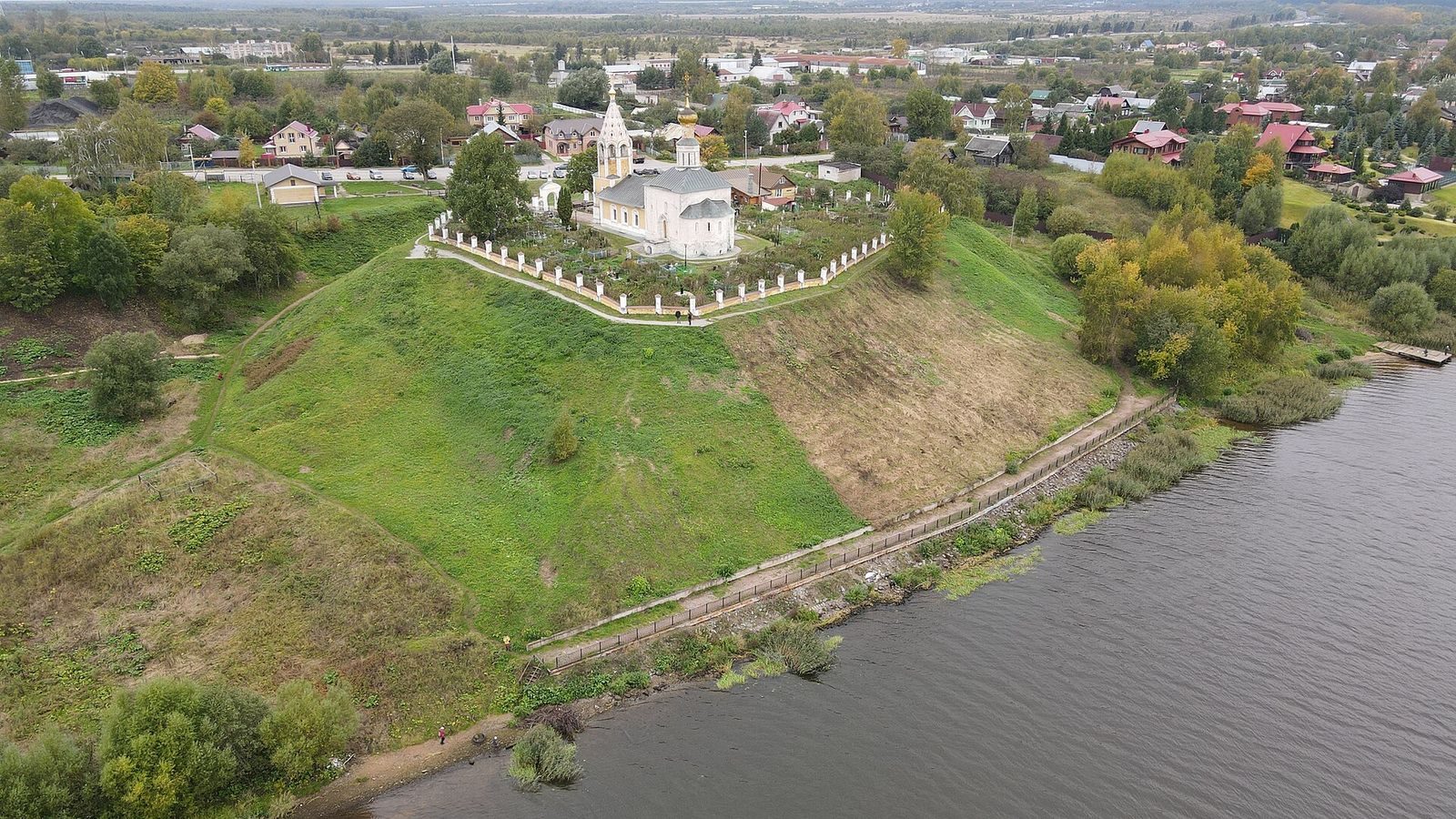
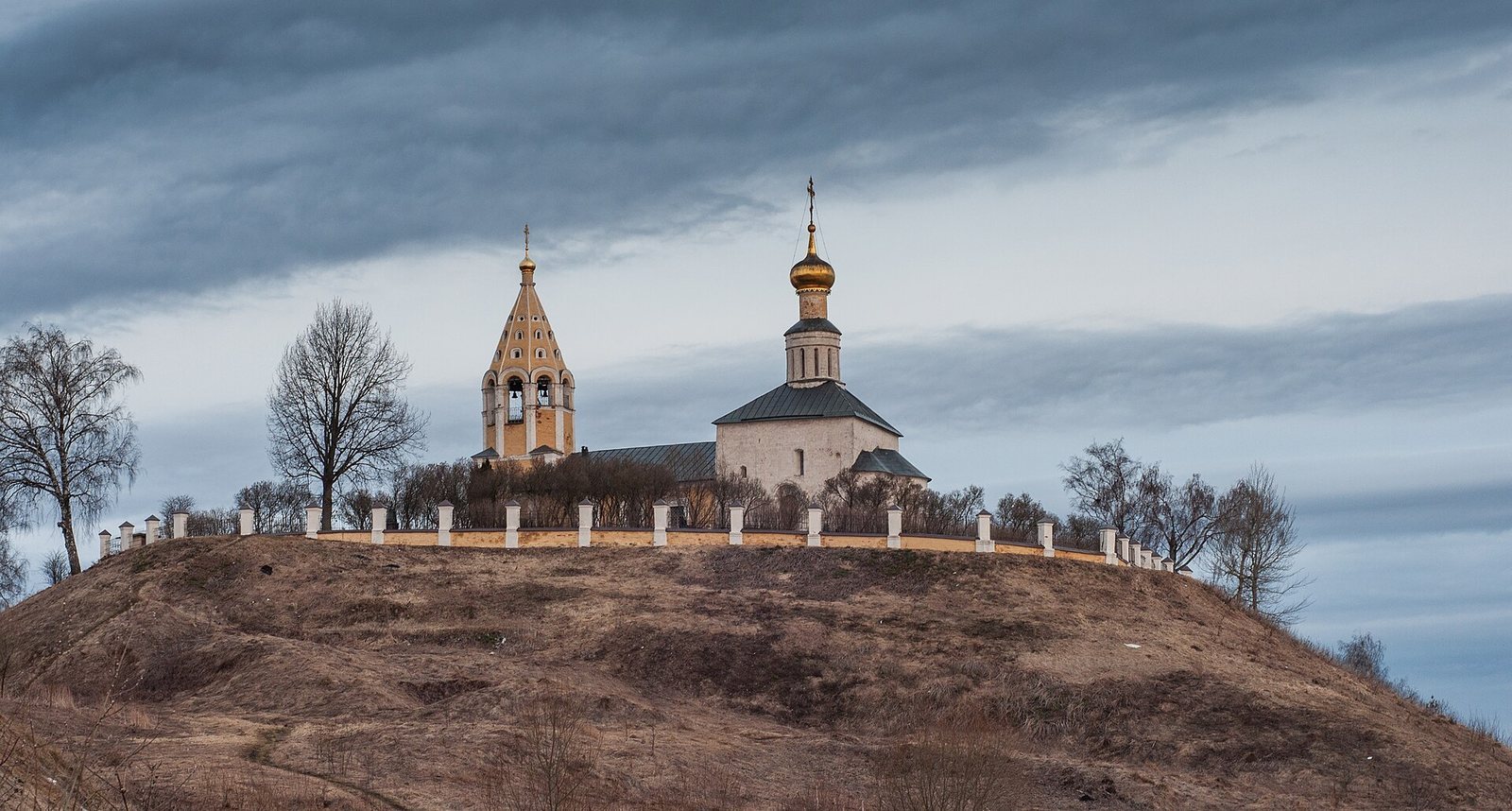
The fortified center occupied a rounded hill about 20 metres high on the Volga’s right bank, with ravines bordering two sides. Its defenses combined earthworks and timber construction, while stone buildings stood within the enclosure.
Earthworks and wooden defenses
On the landward side, a ditch and rampart enclosed the fortress, and a wooden wall with towers stood on the rampart. Slight traces of the earthworks survive.
Buildings within the fortress
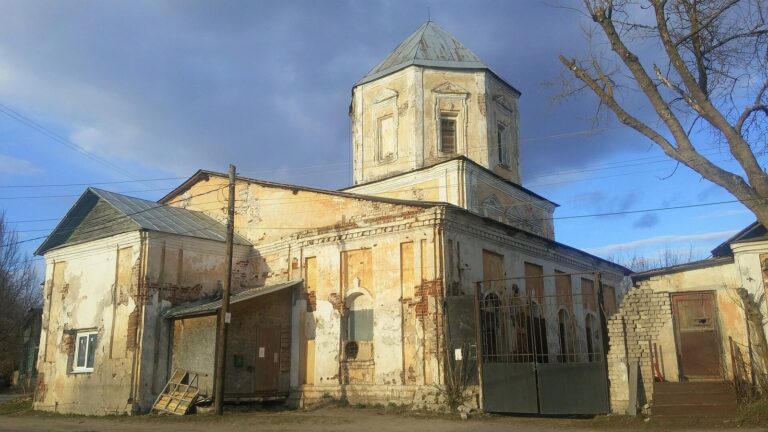
The enclosure contained a prince’s court, barns, granaries, and the stone Church of the Nativity of the Mother of God.
Church of the Nativity of the Mother of God
The church was rebuilt on its earlier lower story. An eighteenth-century reconstruction altered the upper part and added a refectory, a communal dining room, and a bell tower.