Carrington Osage Village Site: An Osage Community in Missouri
Site at a Glance
- Rating
- 4.4
- Popularity
- Medium
- Country
- United States
- Primary era
- Early Modern
- External website
- Open
- Eras represented
- Early Modern
- Civilizations
- Unclassified
- Site type
- City
On this page5 sections
History
The Carrington Osage Village Site is an archaeological settlement near Walker in Vernon County, Missouri, United States, occupied by an Osage community from about 1700 to 1775. At its peak, an estimated 2,000 to 3,000 people lived there. Men hunted and traded furs with Europeans for guns and other goods, while women cultivated and processed crops and prepared game and hides for food, clothing, and tools. In the late eighteenth and early nineteenth centuries, the Osage accounted for more than half of the European-American fur trade along the Missouri River.
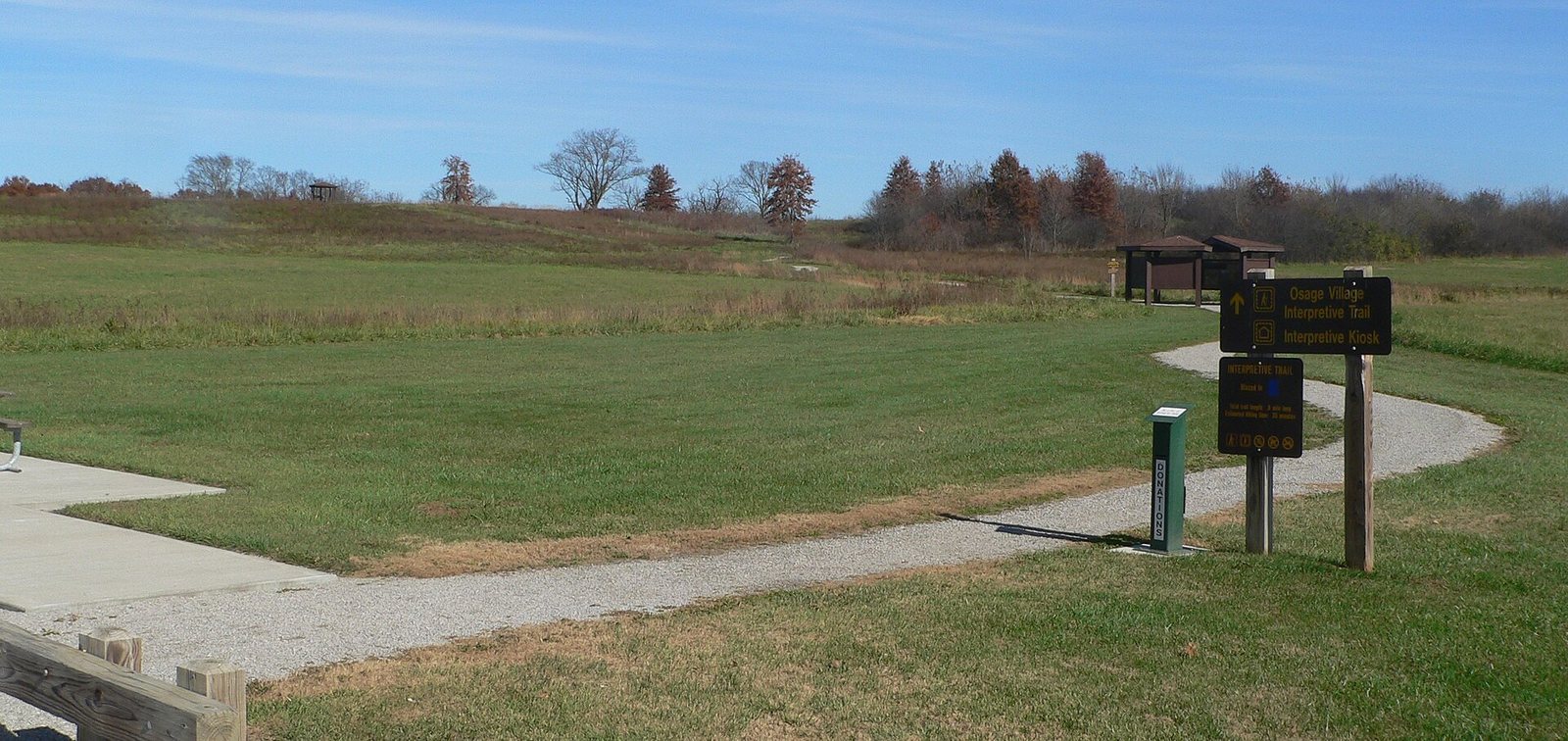
After the United States took control of the Louisiana Purchase territory in 1804, government policies encouraged European-American settlement. Treaties required the Osage to surrender territory, and they were gradually forced onto a reservation in Indian Territory, now Oklahoma. In 1964, the site was designated a National Historic Landmark as the Brown Osage Village Site, a U.S. recognition for places of exceptional national historical importance. The Osage Village State Historic Site was established in 1984 and is maintained by the Missouri Department of Natural Resources.
Remains
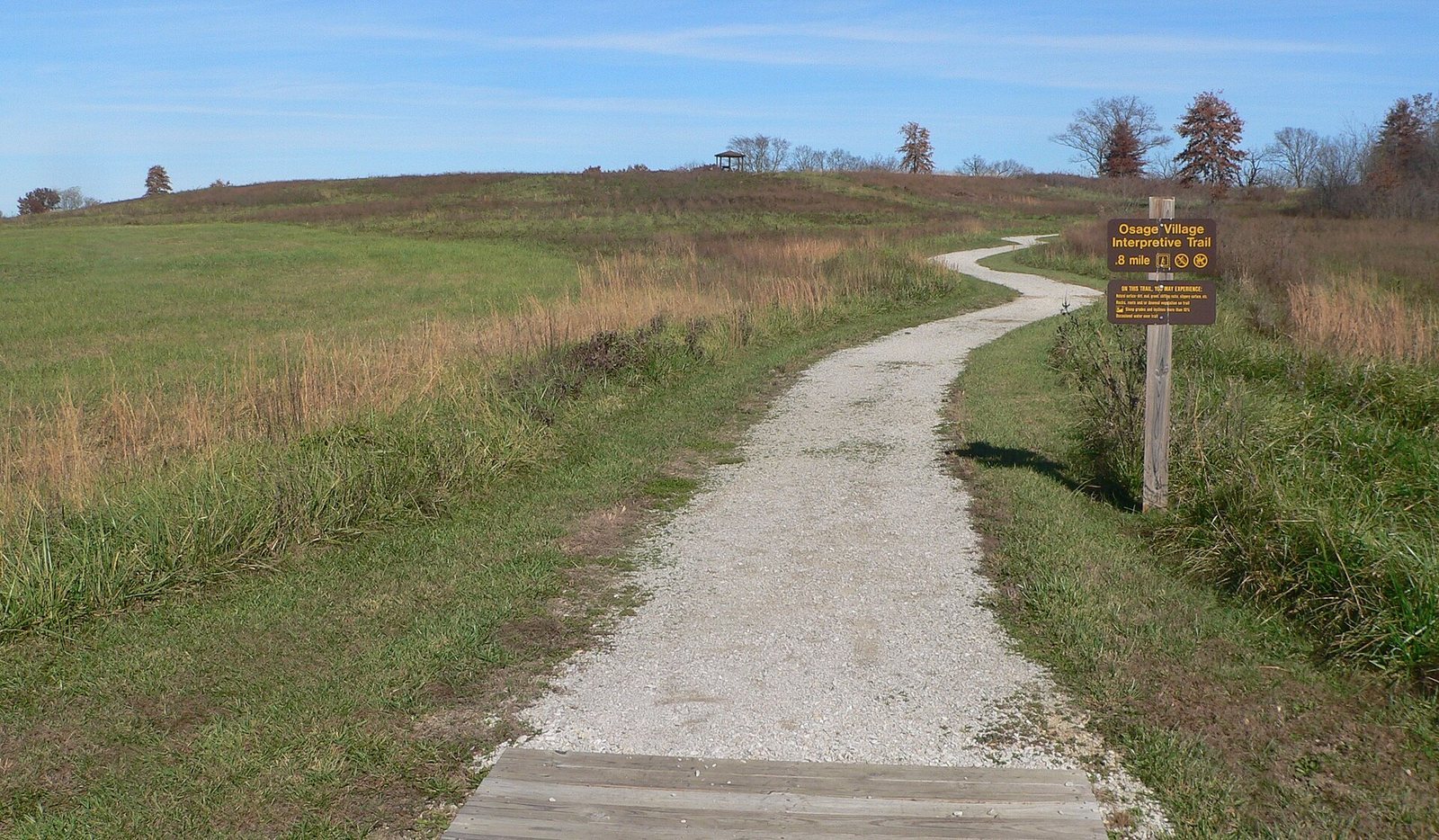
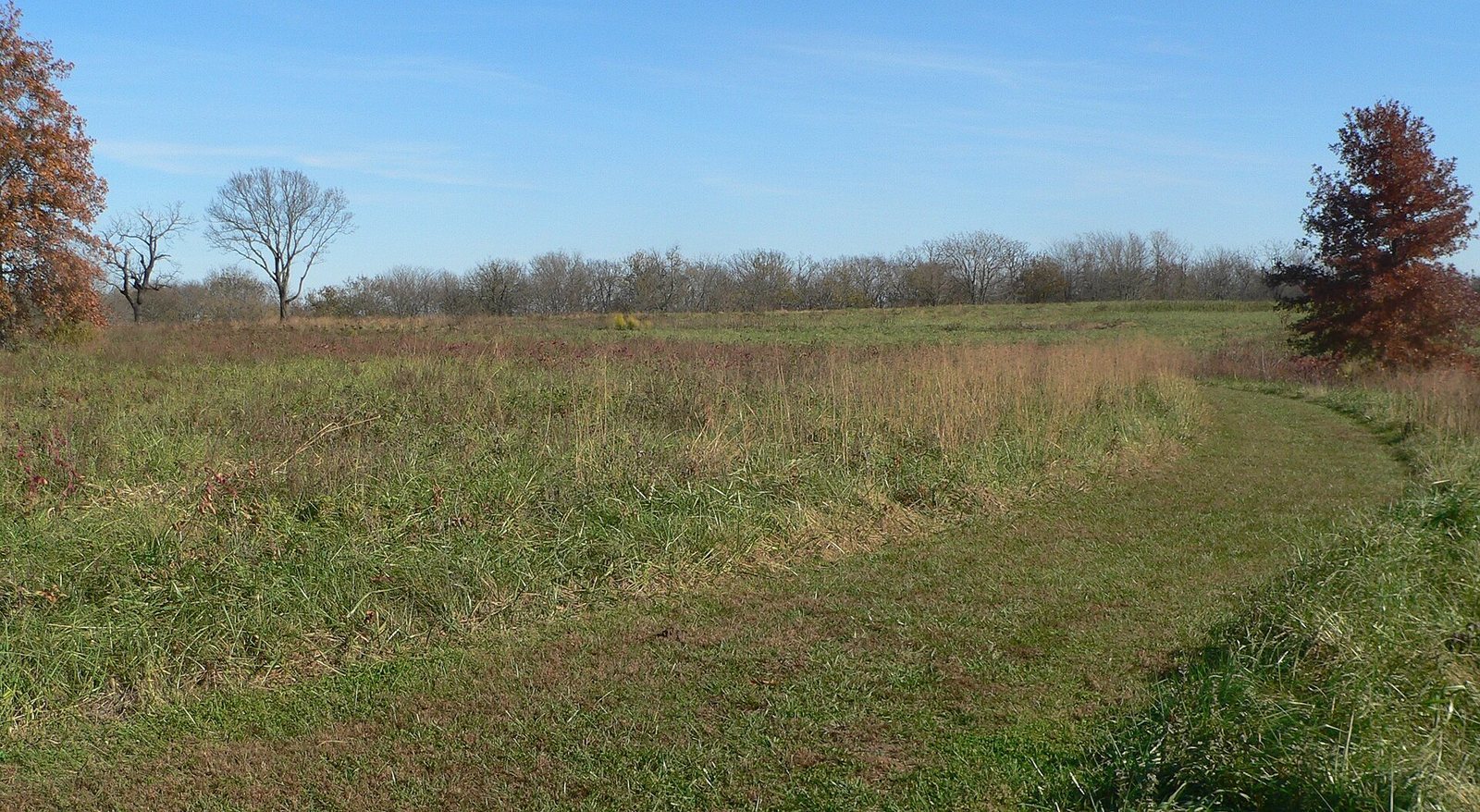
The archaeological site occupies a high, open hilltop near the Osage River valley. The historic-site property covers 100 acres, and the former village contained about 200 lodges.
Village layout and excavated finds
Lodges
Archaeological excavations indicate that the village’s dwellings were rectangular. Together, the estimated number and shape of the lodges provide evidence of the settlement’s built form.
Excavated objects
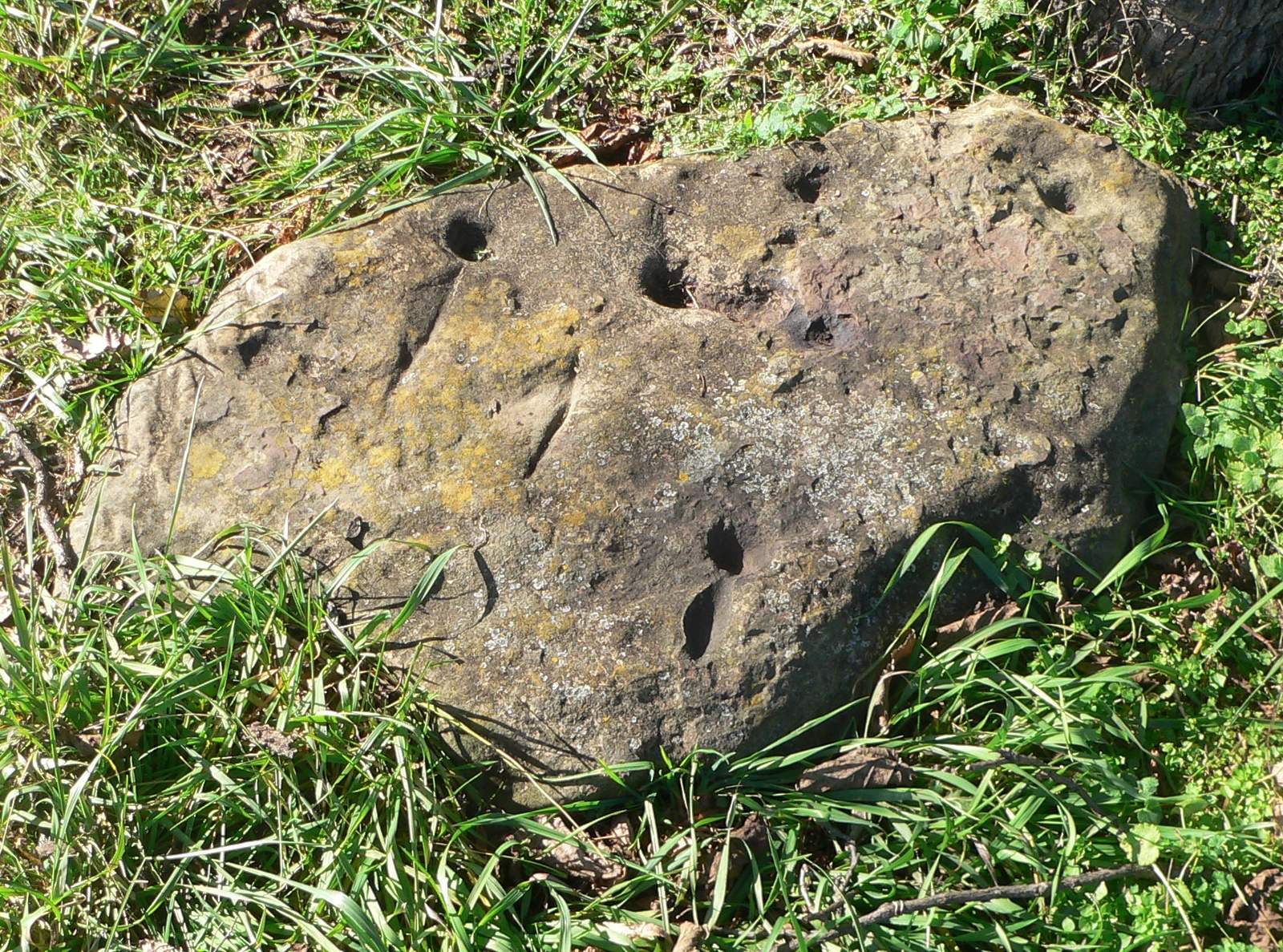
Excavations recovered pottery, weapons, and tools that offer evidence of residents’ daily activities.