Palace of the Kings Bell: A Royal Residence in Colonial-Era Douala
Site at a Glance
- Rating
- 3.4
- Popularity
- Low
- Country
- Cameroon
- Primary era
- Modern
- Eras represented
- Modern
- Civilizations
- German
- Site type
- Domestic
- Remains
- Palace
On this page9 sections
History
Auguste Manga Ndumbe Bell’s residence
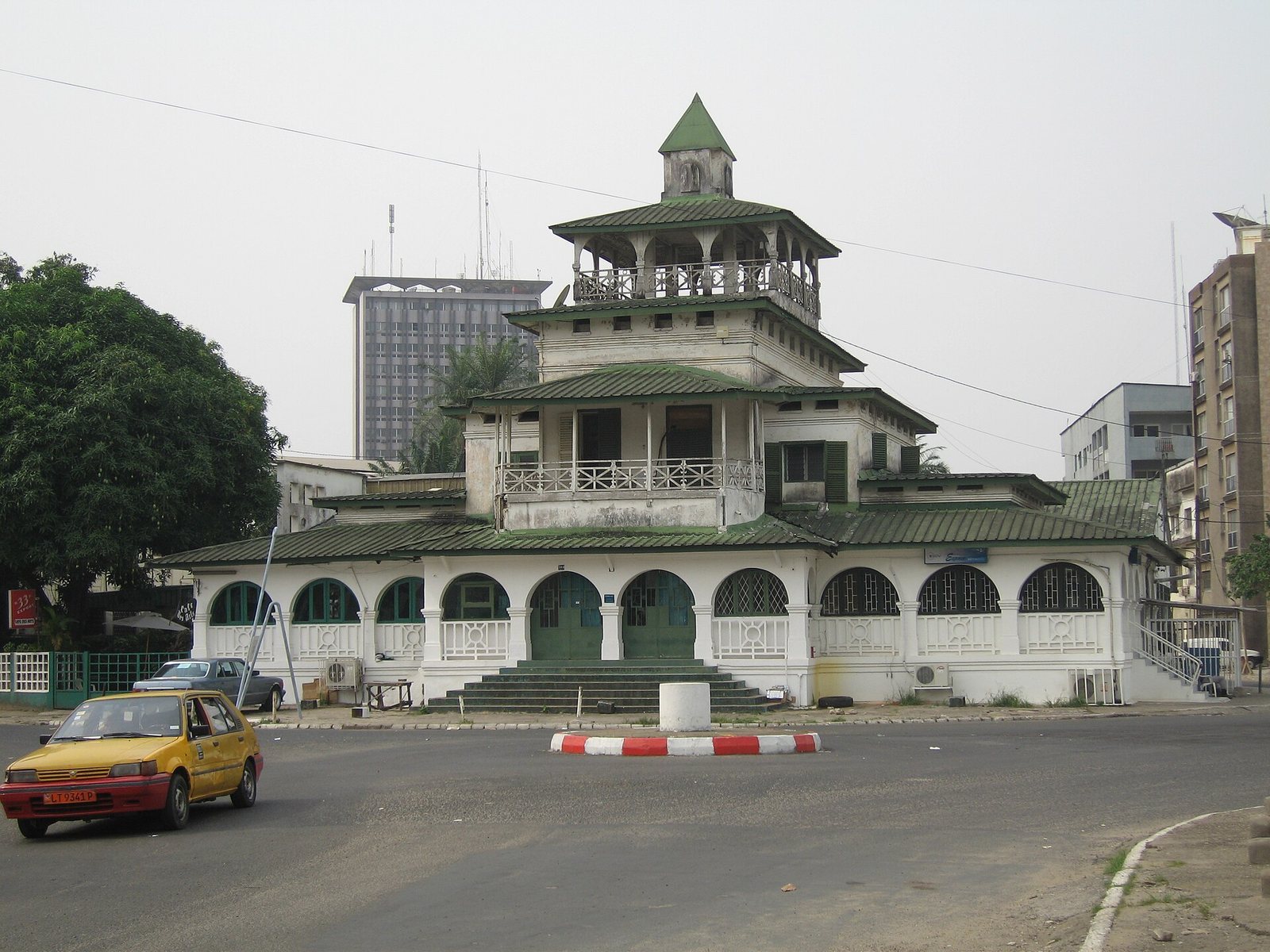
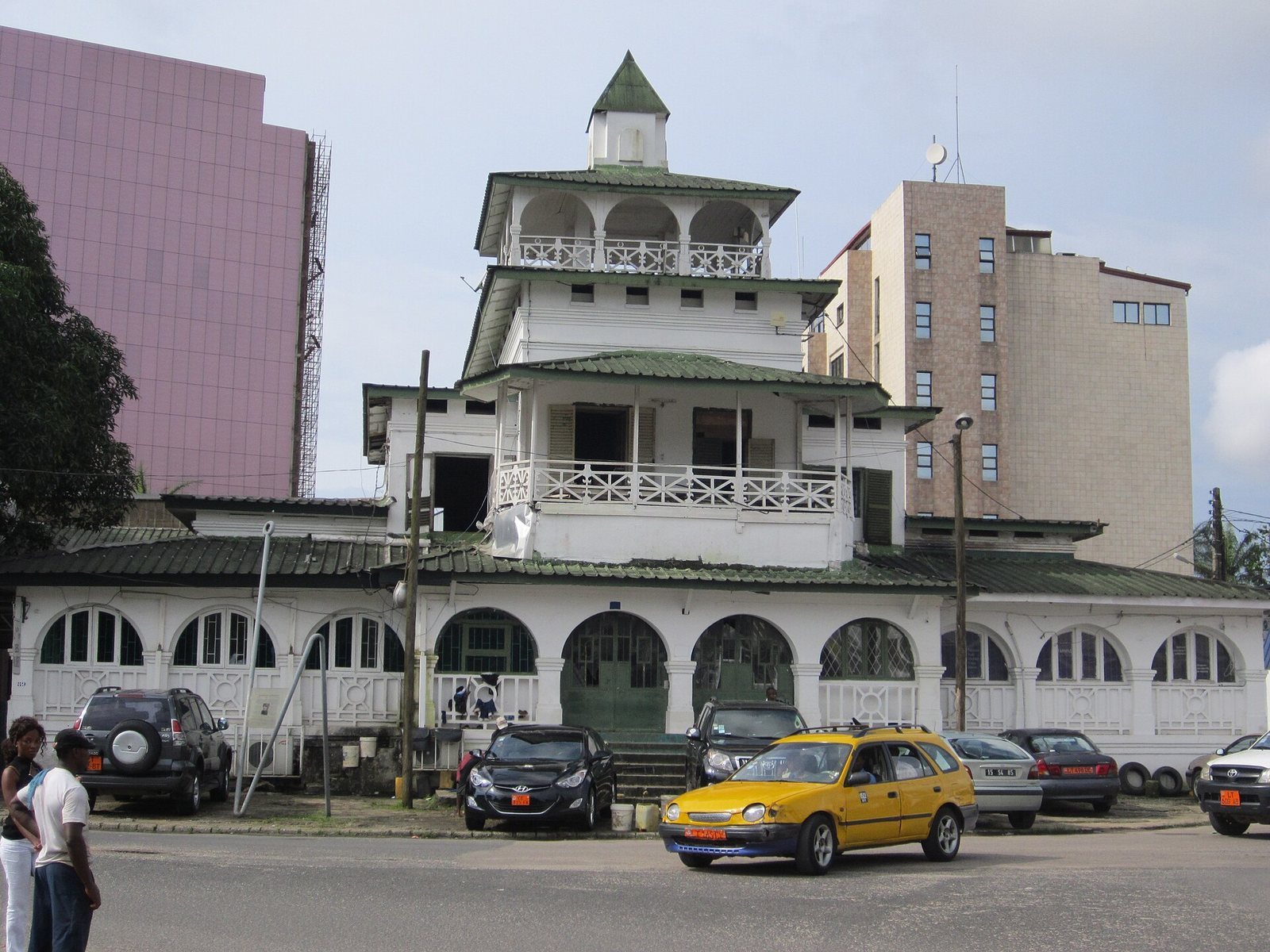
The Palace of the Kings Bell is a royal residence in Bonanjo, Douala, Cameroon, built in 1905 by German builders for Auguste Manga Ndumbe Bell. The German government commissioned it during its colonial rule in Cameroon. Bonanjo, Douala’s historic and administrative district, was formerly known as the Joss Plateau. Auguste was a ruler of the Bell dynasty, a royal house among the Duala, a coastal people of Cameroon, and reigned from 1897 to 1908.
Auguste developed cocoa and palm-oil plantations in Mungo, near the estuary of the Kamerun-Wui River, to counter the decline of Douala’s economy, which had relied on a trade monopoly with the hinterland. He also invested substantially in property in Bonanjo. His wealth exceeded that of his contemporaries and the Akwa, Deïdo, and Bonabéri communities. After studying business administration at the University of Bristol, he was inspired by Indian and Asian architectural styles then in fashion. He lived in the palace for about three years, until his death in 1908.
Rudolf Bell and the palace after 1908
Auguste’s successor, his son Rudolf Douala Manga Bell, ruled from 1908 to 1914 and lived in the palace with his wife, Emma Engomè Dayas. German colonial authorities arrested Rudolf in July 1914 and hanged him on 8 August. His direct descendants initially stopped using the palace and moved to Bali, the district to its east. Rudolf’s son Alexandre chose to live there rather than in the family mansion.
During his 1916–17 stay in Cameroon, the French novelist Louis-Ferdinand Céline used the name “La Pagode” for the palace in his novel Voyage au bout de la nuit. The building is commonly known by that name. From about 1920, other members of the Bell dynasty used it as a residence, while parts of the building were rented first to the Sangha Oubangui Company and later to the Western Naval Company. In 1936, Prince Alexandre Douala Manga Bell inaugurated a burial ground for Bell kings in the grounds behind the palace.
Cultural uses and the palace today
Rooms behind the palace once housed Le Paradis, Douala’s first cinema. In 1995, they were renovated to accommodate doual’art, a nonprofit arts and cultural organization, at the initiative of Didier Schaub and Marilyn Douala Bell, a member of the royal family. In 2006, doual’art arranged for an interpretive sign presenting the building’s history and a historical image.
The palace remains Bell family property and houses the restaurant La Pagode Café des Palabres; doual’art occupies rooms behind it. It is designated a Cameroon Monument and regarded as an emblematic example of German colonial architecture in Cameroon.
Remains
Palace complex
The complex includes the palace, rooms behind it, and grounds containing a royal burial ground and the seat of the Bell traditional chiefdom. Its surviving features bring together the main residence and buildings and spaces used for royal, cultural, and community purposes.
Main palace
The palace has eclectic architecture, combining elements from different styles, with influences from Indian and Asian forms. Its design features a succession of roofs and a balcony-like platform at the top. Local residents say the ruler used the platform to convene meetings or address the people.
Royal burial ground
Behind the palace, Le Parc des Princes is the burial ground of Duala kings. It contains the remains of Auguste Manga Ndumbe Bell and Rudolf Bell, and forms part of the grounds that also serve as the seat of the Bell traditional chiefdom.
Rear rooms and interpretive sign
The rooms behind the palace, formerly used by Le Paradis cinema, now accommodate doual’art. An interpretive sign at the building presents a historical image alongside an account of the palace’s history.