Fort Al-Ghwayzi: A Defensive Fort at Mukalla, Yemen
Site at a Glance
- Country
- Yemen
- Primary era
- Early Modern
- Eras represented
- Early Modern
- Civilizations
- Unclassified
- Site type
- Military
- Remains
- Fort
On this page5 sections
History
Foundation and Defensive Role
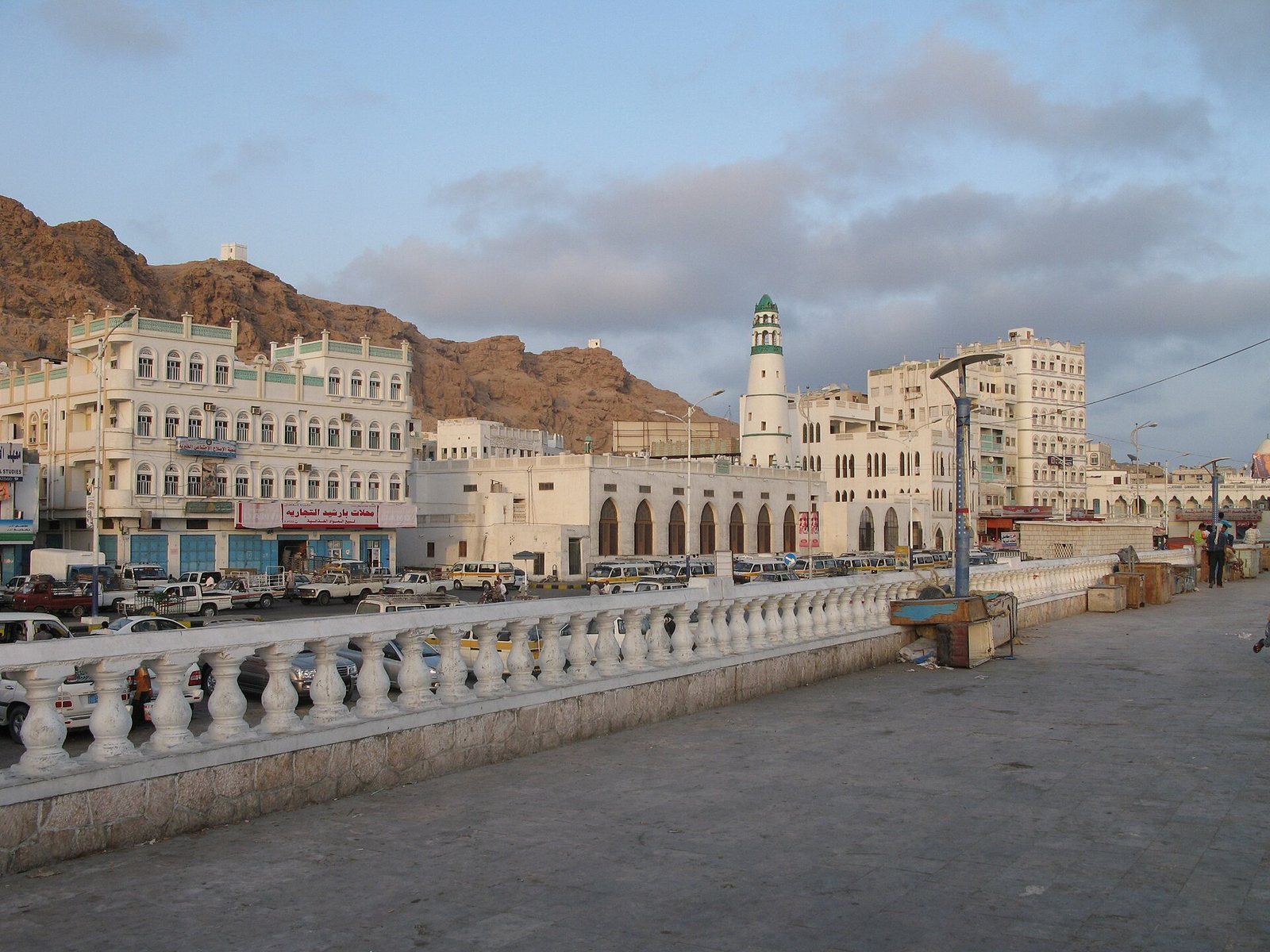
Fort Al-Ghwayzi is a defensive fort at Mukalla’s northeastern entrance in Yemen, dating to 1716, during the rule of the Al-Kassad Emirate, a polity governed by an emir. It was established to watch for attacks approaching from the north and to help defend the city against Bedouin raids. The Kathiri Sultanate, a polity ruled by a sultan and based in Seiyun, and the Qu’aiti Sultanate, then based at Ash Shihr, also launched raids against Mukalla.
Qu’aiti Rule and Later Raids
The Qu’aitis captured Mukalla in 1881 and made it their capital. The fort continued to serve a defensive purpose against later raids from north of Wadi Daw’an, led by Sheikh Al-Amoudi, a local leader.
Neglect and Heritage Protection
Neglect later left the fort at serious risk of damage, and it was used as shelter for birds. The General Authority of Antiquities could not begin restoration because it lacked an adequate budget. Informal buildings around the fort and modern houses encroaching on nearby land threaten its setting. Heritage advocates have also raised concern that tourism development could lead to demolition for a hotel or tourist chalet. They have organized heritage-protection associations in Hadramaut and elsewhere in Yemen.
Remains
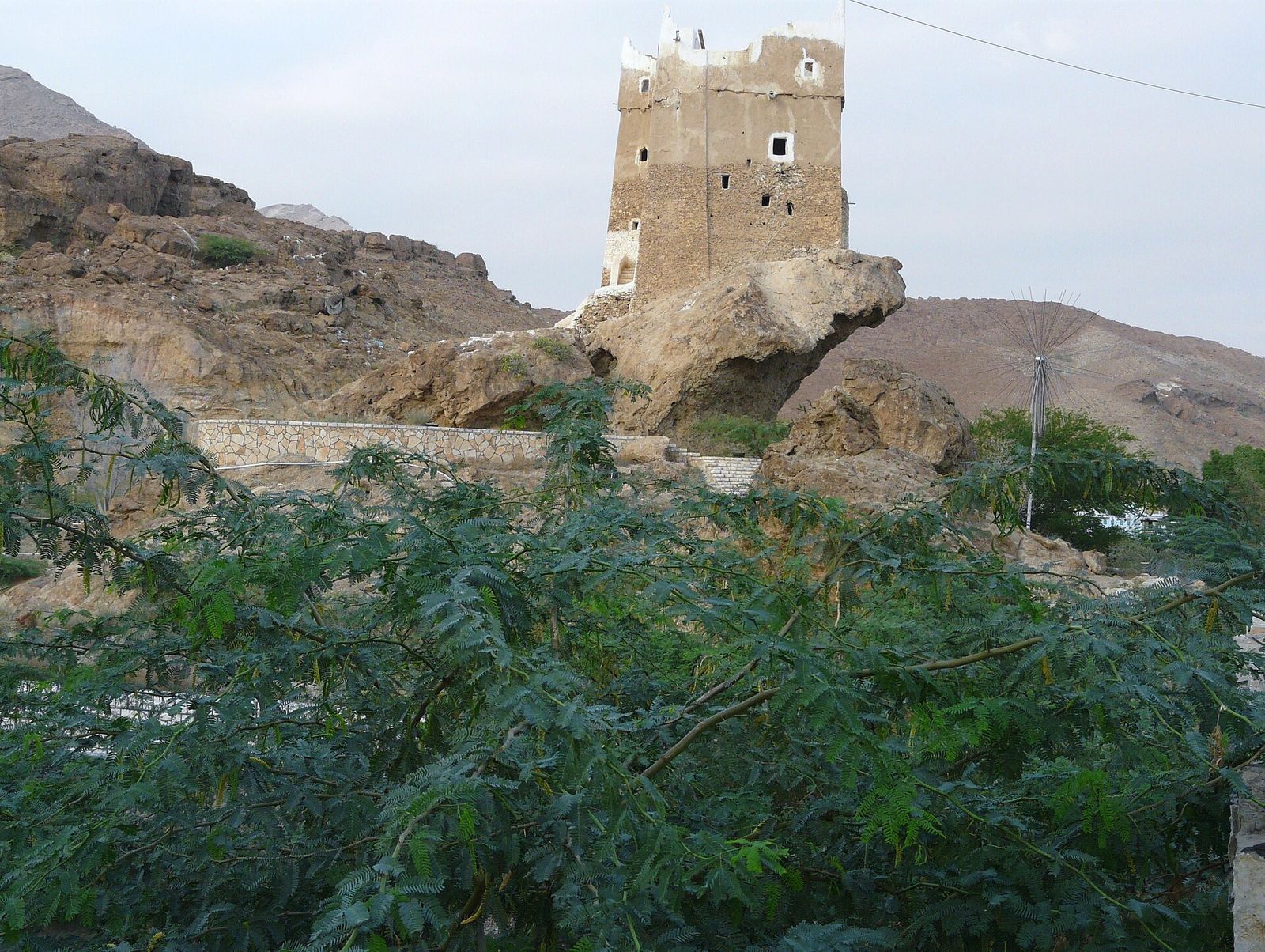
The fort stands at the foot of a rock, surrounded by a public park, and overlooks Mukalla. Its two-storey building has several rooms on the first floor. Prism-shaped windows in the outer walls face in all directions, while the second floor has wide windows. A traditional-stone barrier encloses the roof and rises up to 1.5 metres above it.
The surviving structure is made of mudbrick mixed with straw and has a roof supported by palm trunks. Dressed stones form the floor’s base. Stairs paved with local building materials provide access to the fort and have a traditional finish. A more recent coating of white plaster covers the exterior walls.