Sheremetev Castle in Yurino: A Palace-and-Park Estate
Site at a Glance
- Country
- Russia
- Primary era
- Modern
- Eras represented
- Modern
- Civilizations
- Russian
- Site type
- Domestic
- Remains
- Castle
On this page6 sections
History
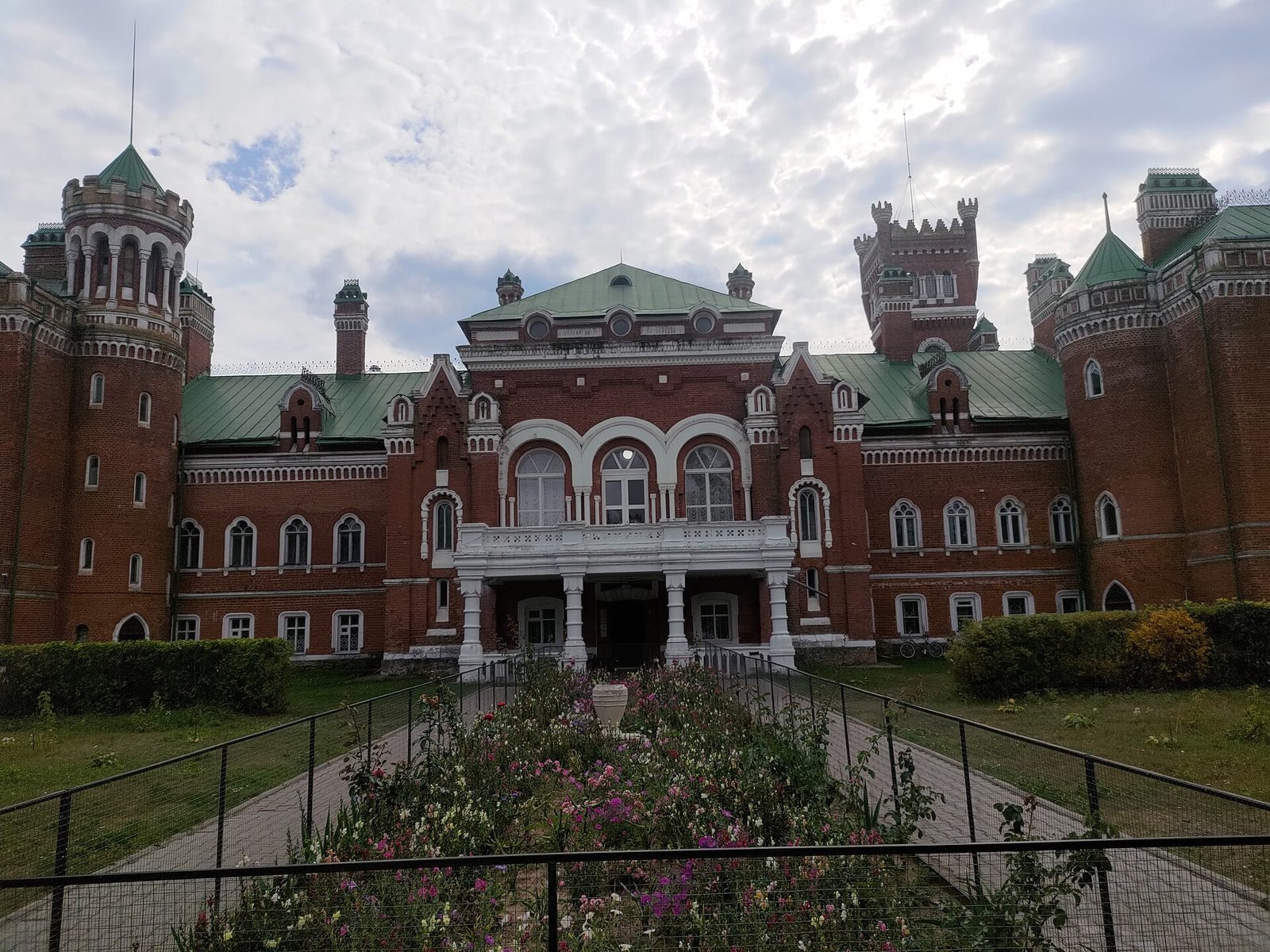
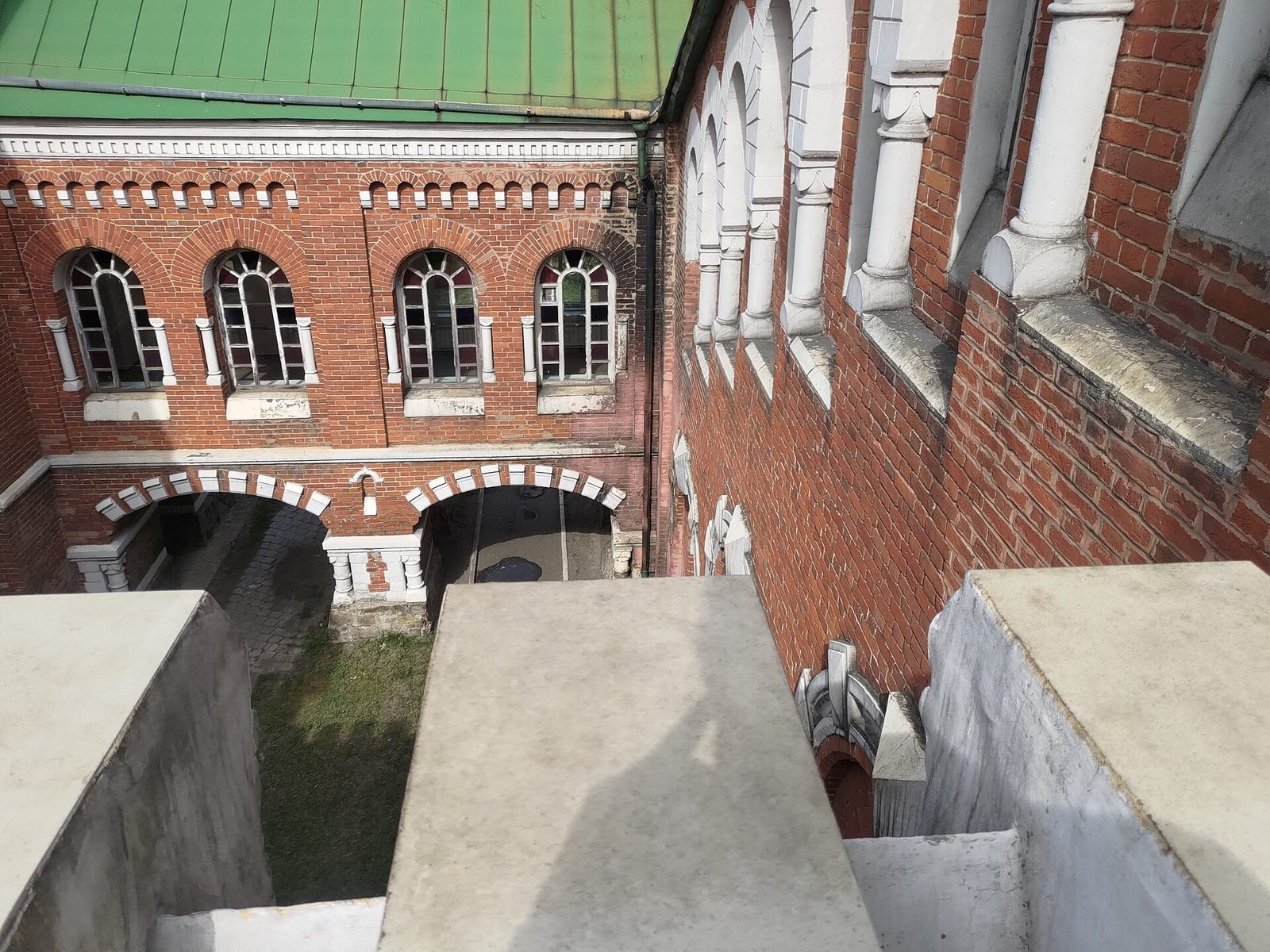
Sheremetev Castle is a palace-and-park complex in Yurino, Russia, on the bank of the Volga. Built for the Sheremetev family, construction began in 1874 and was completed in 1915. Its design draws on late Neo-Gothic, a revival of Gothic forms; Baroque, known for dramatic forms and elaborate ornament; Old Russian traditions rooted in historical Russian architecture; and a broad range of Eastern influences.
Estate Origins, Ownership, and Construction
The estate began in 1812, when Vasily Sergeyevich Sheremetev, a wealthy landowner, bought the village of Yurino and started a new estate. He was the great-nephew of a Count Sheremetev who served as a field marshal, or senior military commander, under Peter the Great. Estate building continued under Sergei Vasilyevich Sheremetev.
Vasily Petrovich Sheremetev, his wife Olga Dmitrievna Sheremeteva, and their son Pyotr were the principal builders of the castle. A section completed by 1880 followed a design by German architect R. Müller. A. Stern, A. Parland, and A. Korsh also contributed designs; S. K. Rodionov worked on the building in the 1890s, and P. P. Malinovsky worked on the project from 1905 to 1914.
Vasily Petrovich and Olga Dmitrievna owned the castle. Olga was the sister of Mikhail Skobelev, a prominent Russian general who visited the couple repeatedly. Their son Pyotr owned the property when he died in 1916; afterward, the heirs left Yurino.
Twentieth-Century Uses and Preservation
After the Russian Revolution, the castle was used as a sanatorium and holiday home. During the Second World War, it housed a hospital as well as relatives of senior officials evacuated from Moscow.
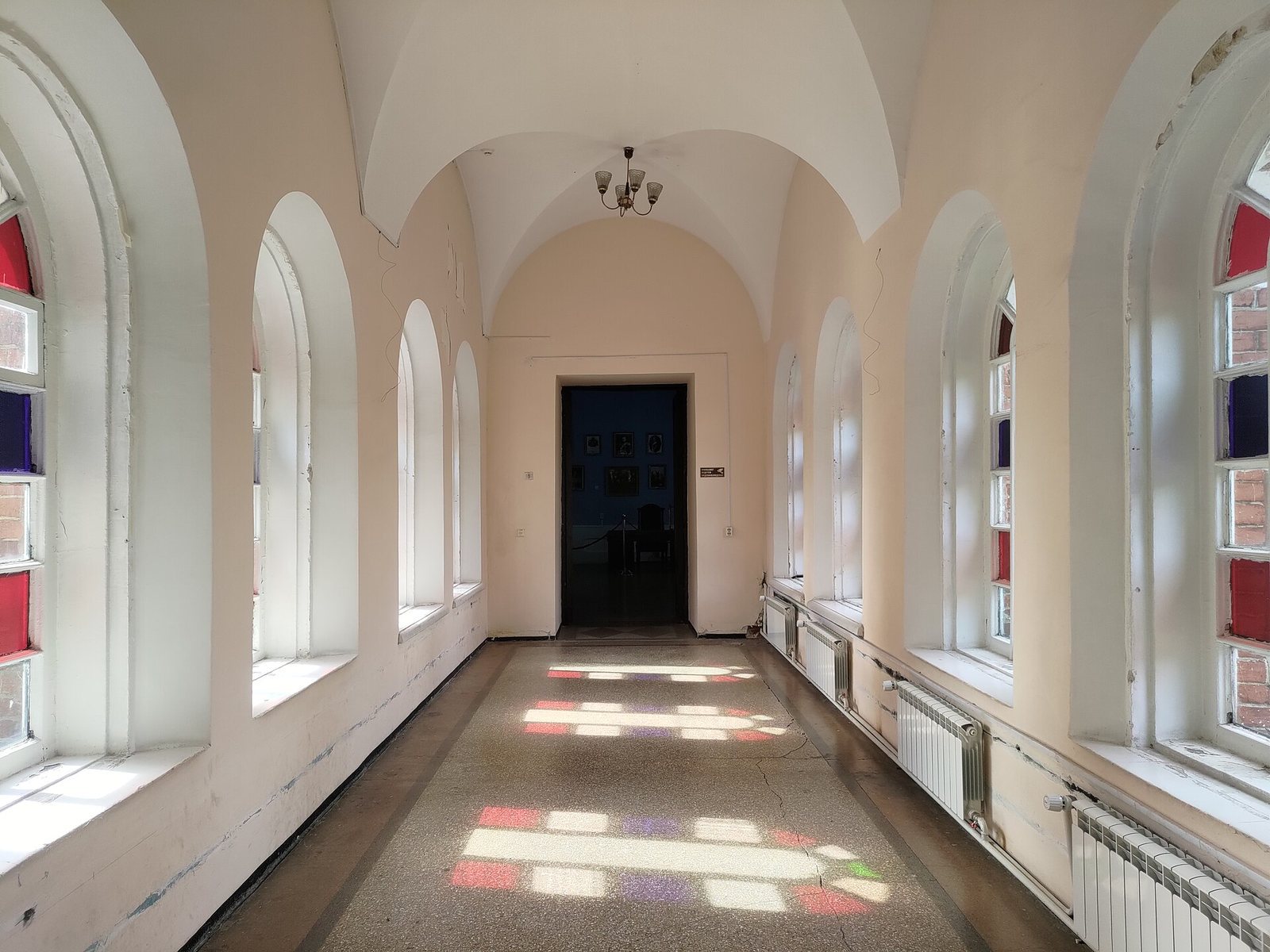
The interiors were in poor condition in the 1990s, and restoration is now underway. Part of the building is used as a hotel complex. The ensemble has regional-level cultural heritage status and is a state cultural institution of the Republic of Mari El.
Remains
The palace-and-park estate covers more than 60 hectares, including its park. Its physical components bring together the castle, enclosed and service structures, gardens, parkland, and ponds.
Castle and Interior Rooms
Named spaces within the castle include the Picture Gallery, Eastern Study, Oak Room, and Skobelev Hall. The Sheremetevs assembled a large collection of antique firearms and edged weapons there, including personal belongings of Mikhail Skobelev. In the 1990s, the interiors included empty rooms with peeling walls.
Enclosure and Grounds
The estate includes a stone enclosure and service buildings, alongside a formal garden, a landscape park, and ponds. Together, these features form the grounds surrounding the castle.