St. Mary’s Church Athirampuzha: A Syro-Malabar Catholic Church Complex in India
Site at a Glance
- Rating
- 4.7
- Popularity
- Medium
- Country
- India
- Primary era
- Modern
- External website
- Open
- Eras represented
- Early Modern, Modern
- Civilizations
- Unclassified
- Site type
- Religious
- Remains
- Church
On this page12 sections
History
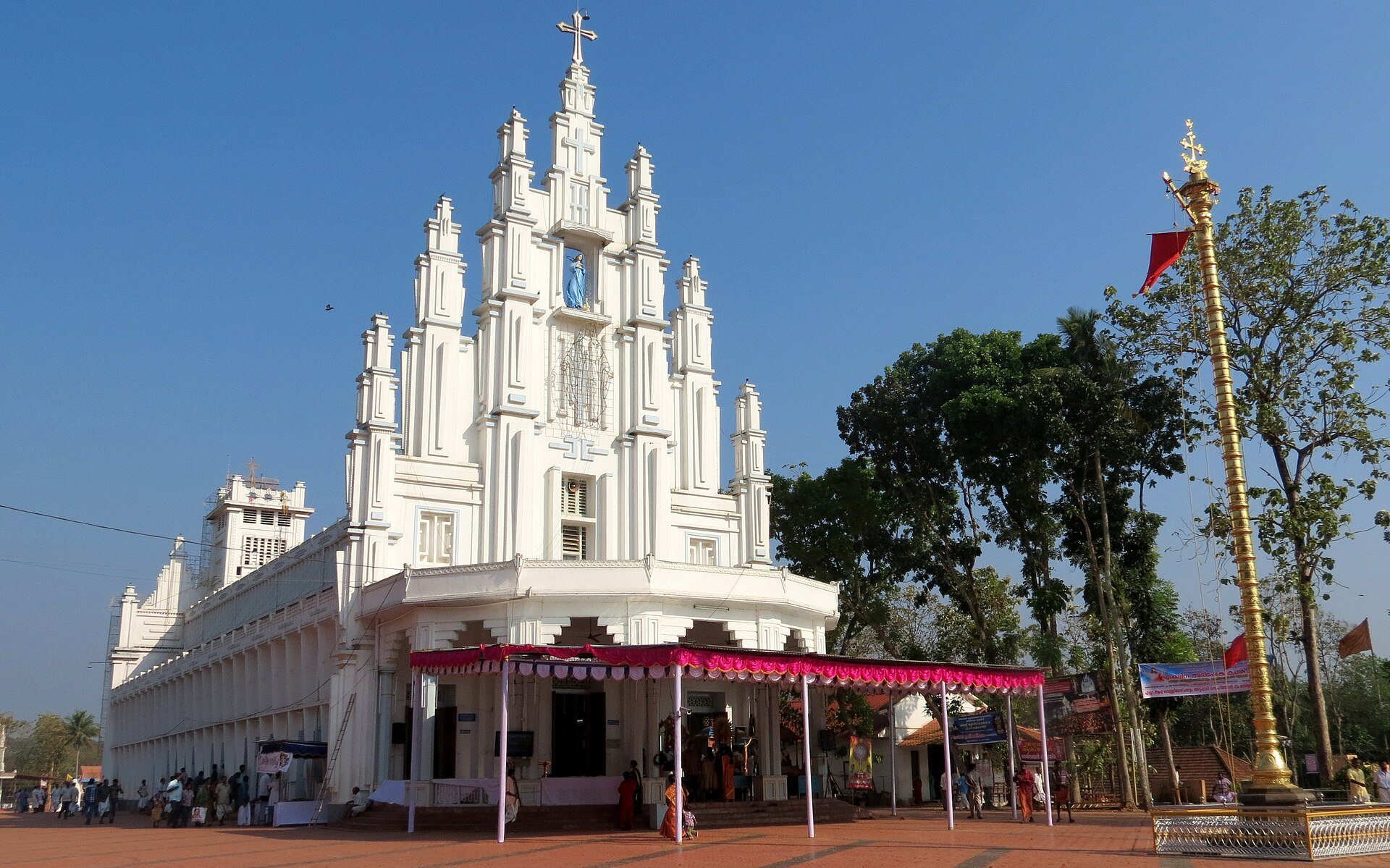
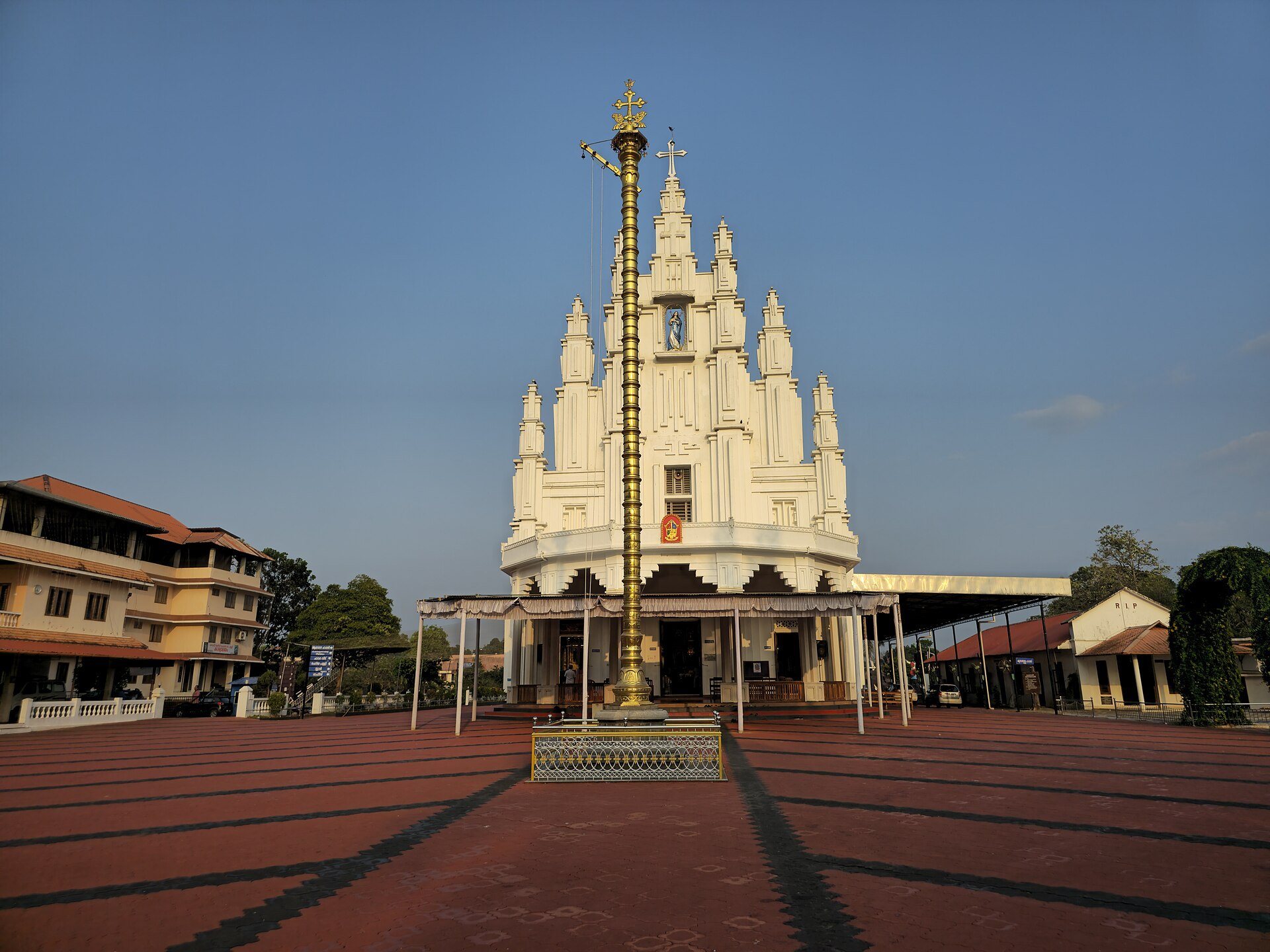
St. Mary’s Church Athirampuzha is a Syro-Malabar Catholic church complex in Athirampuzha, India, established on August 15, 835. Its Main Church follows an American architectural style, while the Small Church is Gothic. The church belongs to the Syro-Malabar Catholic Church, an Eastern Catholic church that follows the East Syriac liturgical tradition while remaining in communion with the Roman Catholic Church, and is administered within the Archdiocese of Changanassery.
Foundation and Marian origins
The church began as a chapel of the Marth Mariam Syro-Malabar Church at Kuravilangad, founded in 337. Marth Mariam is a Syriac Christian title for the Virgin Mary. The chapel served people from the Athirampuzha and Madappad area, who had previously travelled about 15 kilometres to Kuravilangad for religious services.
A local foundation tradition connects the church with the eldest Namboothiri of Ettanasseri Illam, a Namboothiri household or lineage residence. Having no children, he prayed to the Virgin Mary on the advice of the family’s dependent, Peruorthazhe Mappila. After a son was born, the family donated land for a Marian church in fulfilment of a vow. The first church stood on the site now occupied by the Small Church before the Marian church was moved to the Kanjirathinal property, where the Main Church stands.
Saint Sebastian and the development of the complex
Local tradition associates a Saint Sebastian church with a smallpox epidemic that caused many deaths in Athirampuzha and nearby areas. After the population prayed to Saint Sebastian at the direction of the vicar and the epidemic subsided, a church dedicated to the saint was established in gratitude. Saint Sebastian was a Christian martyr traditionally invoked for protection against epidemics and disease, helping explain his enduring importance at Athirampuzha.
A statue of Saint Sebastian was brought to Athirampuzha in 1687 by Leonard D’Cruz, a Portuguese sailor. The statue is also associated with Athirampuzha traders who travelled for commerce with Kochi. It is described as the smallest of three Saint Sebastian statues brought to Kerala, the others being at St. Andrew’s Basilica in Arthunkal and Kuravilangad Church.
The Saint Sebastian feast has been celebrated annually since 1647. Although the church is dedicated to the Virgin Mary, the principal feast takes place in January for Saint Sebastian, while a separate feast of Saint Mary is held in September. The Small Church, formerly called the Old Church, was built in the early nineteenth century on the site of the first Marian church after the Marian church had moved to Kanjirathinal. Poothathil Valiyamma, a member of the Knanaya community within Kerala’s Saint Thomas Christian tradition, financed much of its construction. Bishop Mar Thomas Kurialassery of Changanassery consecrated it on January 22, 1919.
Feast traditions and later institutions
The Saint Sebastian feast traditionally opens with flag-hoisting on January 19 and ends with the eighth-day observance on February 1. On January 20, the saint’s image is carried from the Main Church to the Small Church, where it remains until January 24. That evening, the image of the Virgin Mary leaves the Main Church in a major procession and joins a second procession carrying Saint Sebastian’s image from the Small Church before both return to the Main Church.
The procession carries about twenty sacred images and includes torchlights, ornamental fans known as alavattom and venchamaram, decorated umbrellas, flags, crosses, musical ensembles, and other ceremonial groups associated with the older Saint Thomas Christian tradition. Fireworks take place on the night of January 24, followed by the Holy Raza, a solemn Eucharistic celebration in the Syro-Malabar liturgical tradition, in the Main Church on January 25.
On Fridays, the bells are traditionally rung at 3 p.m. in remembrance of Christ’s death on the cross. Devotees also pour oil into the lamp around the granite cross at the Small Church as an important Friday vow. The church’s educational institutions include St. Aloysius Lower Primary School, established in 1878, St. Mary’s Girls High School, established in 1929, and St. Aloysius Higher Secondary School, established in 1954.
The complex has undergone several renovations, including one specifically recorded in 1874. From 2024, two of the Main Church’s bells have been rung through an electrically powered computer programme, while the largest bell continues to be rung by hand in accordance with a vow. On January 1, 1929, the church became a forane church, an ecclesiastical district containing several parishes under a diocese or archdiocese. The elevation followed an order issued by Bishop Mar James Kalassery on December 29, 1928.
Remains
The complex consists of the Marian Main Church and the Saint Sebastian Small Church. The Main Church is a large American-style building measuring 180 feet in length and 55 feet in width. Its facade rises 101 feet, while its bell tower reaches 85 feet. The Gothic Small Church stands as a separate devotional focus, with the granite cross in front of it and the annual movement of Saint Sebastian’s image connecting the two buildings during the principal feast.
Main Church
Altar and Rosary Garden
The Main Church contains an elaborate altar with a carved scene of the Coronation of the Virgin Mary. The carving is coloured and decorated with gold leaf, and its appearance has remained visually unchanged through repeated renovations. The Rosary Garden contains sculptural representations of the Mysteries of the Rosary, devotional episodes from the lives of Jesus and Mary contemplated in the Rosary, together with representations of the Litany of the Blessed Virgin Mary, a series of invocations honouring Mary. It is described as Asia’s first Rosary Garden to include a sculptural representation of the Litany.
Bell tower
The bell tower holds three large bells brought from Germany in 1905. Their inscriptions name Saint Michael, Saint Sebastian, and Saint Mary. The largest bell is approximately 5 feet high and weighs about 400 kilograms. Church records give the historical cost of the three bells as 2,187 rupees, 26 chakrams, and 4 kashu. Two bells are now operated through an electrically powered computer programme, while the largest remains hand-rung.
Small Church and granite cross
Saint Sebastian Church
The Small Church is a Gothic building dedicated to Saint Sebastian. Its statue is taken from the Main Church to the Small Church during the principal annual feast, where it remains enshrined from January 20 until January 24. The Saint Sebastian crucifix is unusual in representing the saint without wounds. The surrounding lamp receives oil offerings from devotees on Fridays.
Granite cross
An early-eighteenth-century granite cross stands in front of the Small Church. Carved from a single stone, it rises from a raised octagonal base with steps, central pillars, and granite lamps. The cross is approximately twelve kol high, using a traditional South Indian unit whose exact modern equivalent is not specified here.
Processional objects
During the annual feast, processions carry more than twenty sacred images, including images of the Infant Jesus and Saint Sebastian. The ceremonial equipment includes gold, silver, bronze, and wooden crosses, flags, ornate beaded umbrellas, alavattom, venchamaram, and other objects used in the church’s processional tradition.