St. Joan of Arc Chapel: A Medieval French Chapel in Milwaukee
Site at a Glance
- Rating
- 4.8
- Popularity
- Low
- Country
- United States
- Primary era
- Medieval
- External website
- Open
- Eras represented
- Medieval, Modern
- Civilizations
- French
- Site type
- Religious
- Remains
- Chapel
On this page13 sections
History
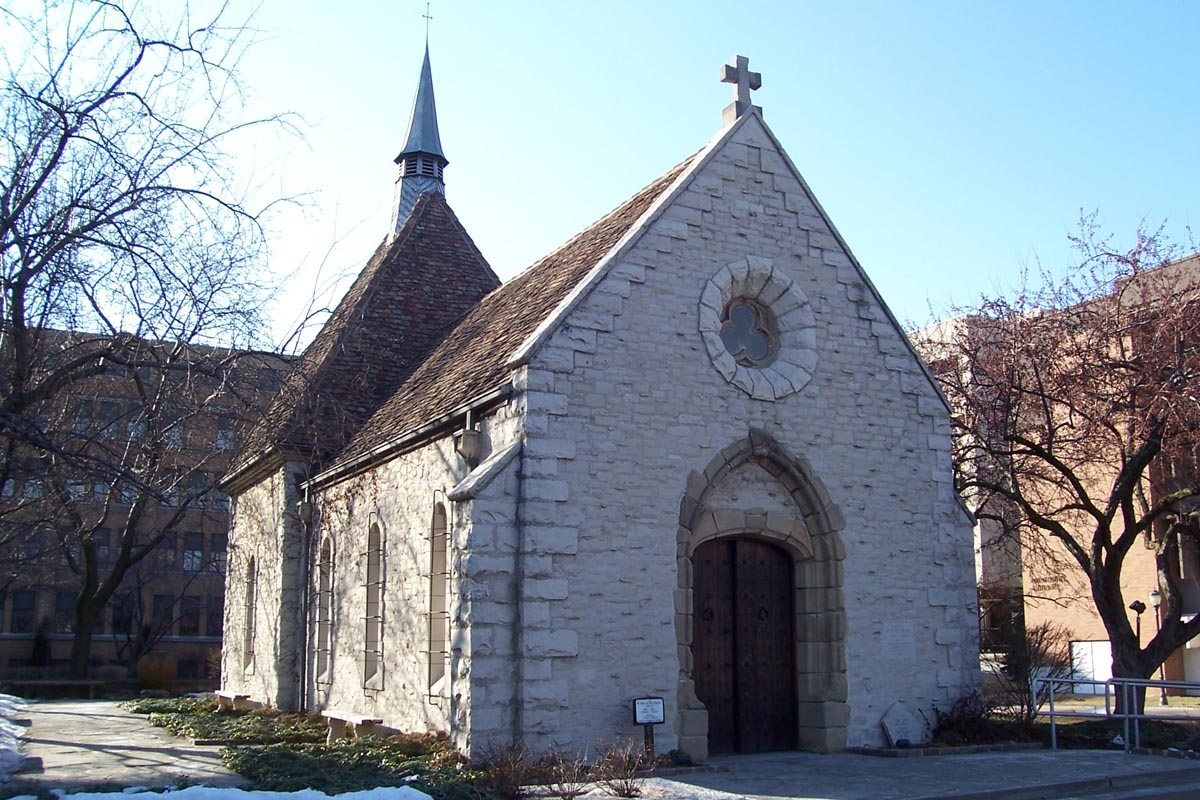
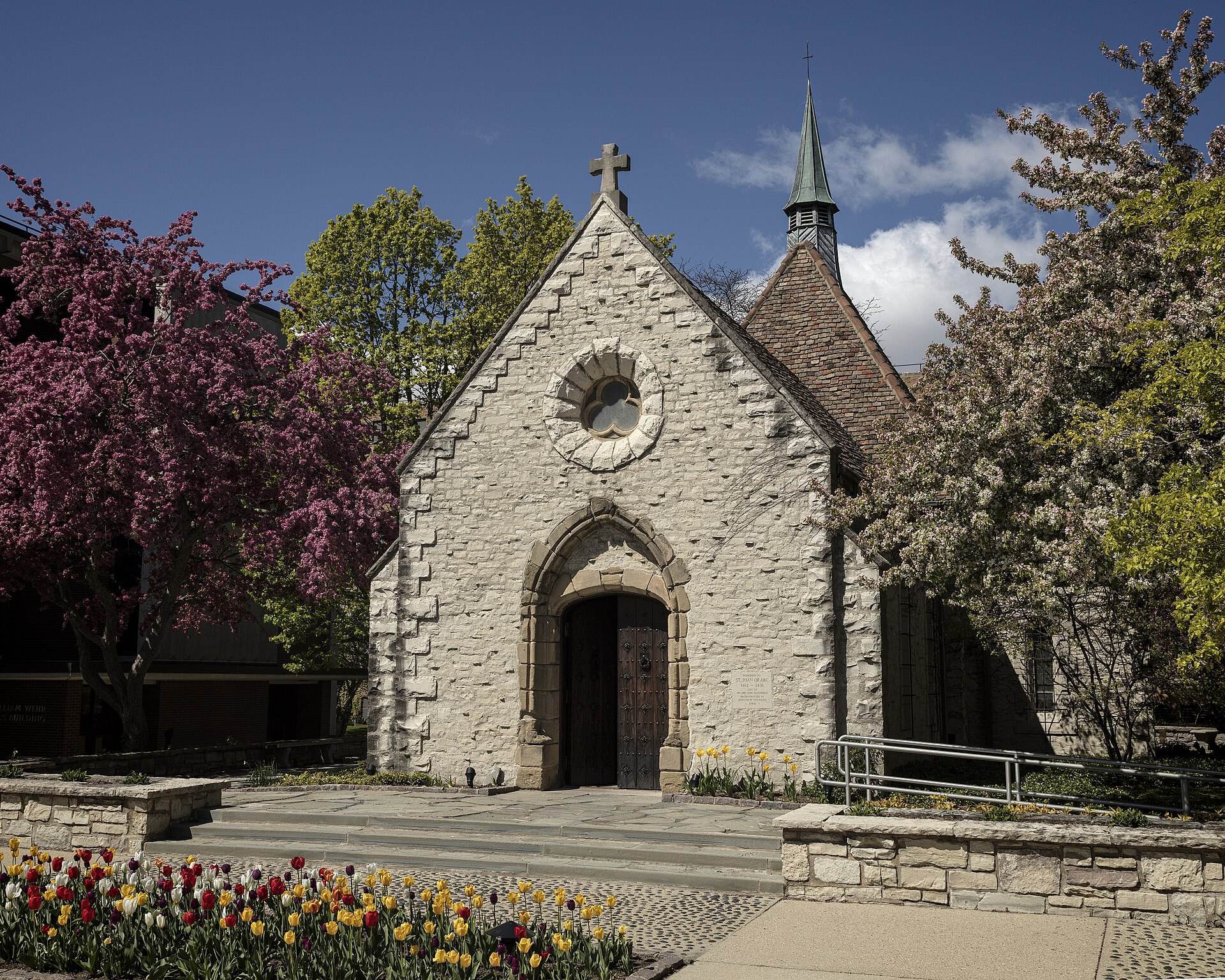
St. Joan of Arc Chapel is an active Roman Catholic chapel at Marquette University in Milwaukee, Wisconsin, United States. Built in France in the Gothic tradition around the fifteenth century, probably about 1420 or earlier, it was relocated to Milwaukee and dedicated to Joan of Arc on May 26, 1966.
Medieval Origins in France
The building was originally known as the Chapel of Saint Martin of Seyssuel. It was constructed over several generations in Chasse-sur-Rhône, a village south of Lyon in the Rhône River Valley. The church of Saint Martin at Seyssuel is mentioned as early as 942, while the present chapel is generally dated to around the fifteenth century.
After the French Revolution, the chapel was abandoned and fell into ruin. A tradition preserved at the original site says that Joan of Arc visited it on March 9, 1429, after meeting King Charles VII and before leaving to help lift the siege of Orléans. Joan was a fifteenth-century French religious and military figure associated with Charles VII during the later phase of the Hundred Years’ War, the long conflict between England and France. The attribution of her visit remains contested.
Rediscovery and Relocation to Long Island
After World War I, the young French architect Jacques Couëlle rediscovered the ruined chapel. He helped with its restoration, prepared plans, and photographed the building. In 1926, Gertrude Hill Gavin purchased the chapel and, through Couëlle, arranged for it to be moved to her property near Brookville in Jericho, Long Island, New York.
The chapel was dismantled and shipped to Long Island in 1927. The American architect John Russell Pope reconstructed it there and attached it to a mock French Renaissance château. When the château burned in 1962, the chapel survived undamaged. The property later passed to Marc B. Rojtman and Lillian Rojtman, who offered the building to Marquette University in 1964.
Reconstruction at Marquette
The transfer to Marquette took more than nine months, and reconstruction began eight months later. Lucien David and Earnest Bonnamy planned the second reconstruction, which placed the chapel at the heart of the university campus. At Marquette, the nave was enlarged to accommodate more visitors, and heating was installed beneath the floor.
The chapel’s removal from France followed the earlier export of a château acquired there. France later adopted legislation prohibiting the export of national heritage. The Milwaukee chapel is described as the oldest building in Wisconsin, while Tank Cottage in Green Bay is identified as the oldest surviving building constructed in the state, dating to 1776.
Remains
Gothic Chapel Structure
St. Joan of Arc Chapel is a Gothic structure built of stone and wood. Its present form combines the medieval building with changes made for its installation at Marquette, including the enlarged nave and underfloor heating. The original site at Chasse-sur-Rhône retains only the base of the bell tower.
Sanctuary Features
Tomb of the Chevalier de Sautereau
The sanctuary floor contains the tomb of the Chevalier de Sautereau, described as a former castellan of Chasse and a companion-in-arms of Bayard. A castellan was the administrator or governor of a castle or lordly estate, while a companion-in-arms was a military comrade who served alongside another warrior or commander. Bayard refers to the French knight Pierre Terrail, seigneur de Bayard.
Stone Associated with Joan of Arc
Behind the altar, a flat stone associated with Joan of Arc forms the base of a wall niche on the left side of the sanctuary. Gertrude Hill Gavin acquired the stone, and France’s General Inspectorate of Historic Monuments recognized its authenticity. According to the associated legend, Joan stood on the stone while praying before a statue of the Virgin Mary, then knelt and kissed it. The stone has since been said to be colder than those around it.
Art and Furnishings
Christian Artifacts
The chapel contains Christian artifacts that predate the original building, some by several centuries. The collection includes ancient Spanish tapestries, coats of arms, crucifixes, and a contemporary rood, which is a representation of the Crucifixion. These objects were assembled and displayed within the chapel.
Stained-Glass Windows
The stained-glass windows were made for the chapel during its Long Island period rather than surviving from the medieval French building. Gertrude Hill Gavin commissioned them, and Charles J. Connick created and installed them in 1929. Their color scheme was modeled on the stained glass of the Cathedral of St. John the Divine in New York City.
Grounds
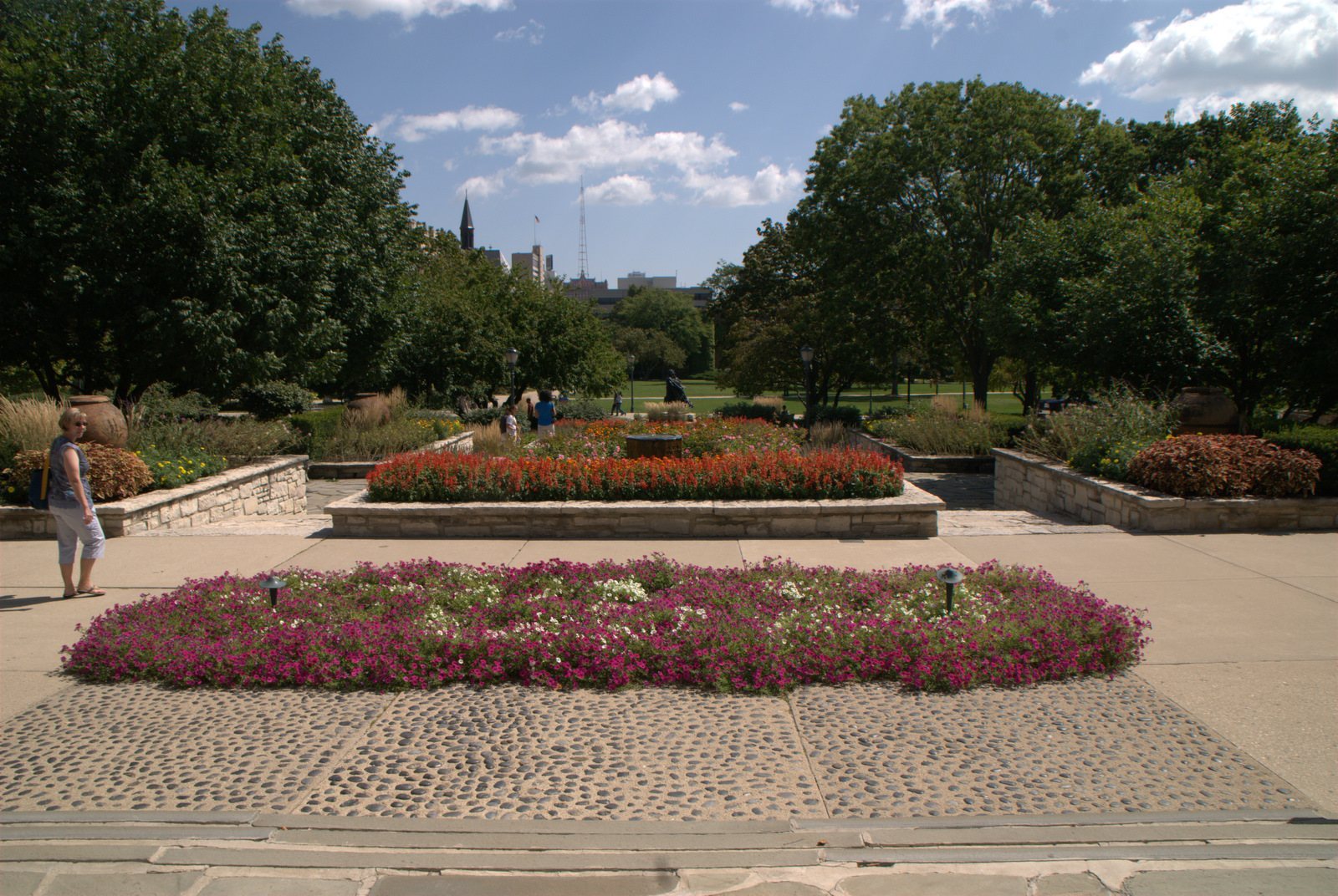
The chapel grounds include a garden and a statue of Joan of Arc. Together with the relocated stone chapel, these features form the present setting of the building on the Marquette University campus.