Chucalissa Indian Village: A Mississippian Mound-and-Plaza Settlement in Memphis
Site at a Glance
- Rating
- 4.4
- Popularity
- Low
- Country
- United States
- Primary era
- Medieval
- External website
- Open
- Eras represented
- Medieval, Early Modern
- Civilizations
- Mississippian
- Site type
- City
On this page6 sections
History
Mississippian occupation
Chucalissa Indian Village is a Mississippian settlement in Memphis, Tennessee, United States, occupied, abandoned, and reoccupied several times between approximately 1000 and 1550 CE. It belonged to the Walls phase, a regional period within the Mississippian cultural tradition, whose Indigenous societies built settlements, plazas, and platform mounds across the central and southeastern regions of North America. The settlement lies on a bluff overlooking the Mississippi River and covers 160 acres (65 hectares).
The name Chucalissa means “abandoned house” in Chickasaw. During the early 1540s, the expedition led by Hernando de Soto, a Spanish explorer and conquistador, passed through the surrounding region and stopped at numerous villages. Chucalissa may have formed part of the Walls phase, which has been associated with the Province of Quizquiz encountered by the expedition along the Mississippi River. The settlement is thought to have been abandoned at that time, and there is no evidence that de Soto’s expedition visited Chucalissa itself.
Discovery and preservation
Native American artifacts were discovered at Chucalissa in 1938 by workers of the Civilian Conservation Corps, a United States employment program that carried out public works and conservation projects during the 1930s and early 1940s. Archaeological excavations of the mound complex then began, followed by approximately 40 years of systematic work that recovered a large collection of artifacts and other evidence of the settlement.
The University of Memphis has operated the C. H. Nash Museum at Chucalissa and the village grounds since 1962. Named for its founding director, the museum is managed together with the archaeological site by museum staff and students. Chucalissa was added to the U.S. National Register of Historic Places in 1973 and became a U.S. National Historic Landmark in 1994, a federal recognition reserved for places of exceptional importance in United States history or heritage. The site is adjacent to T. O. Fuller State Park.
Remains
Mound and plaza complex
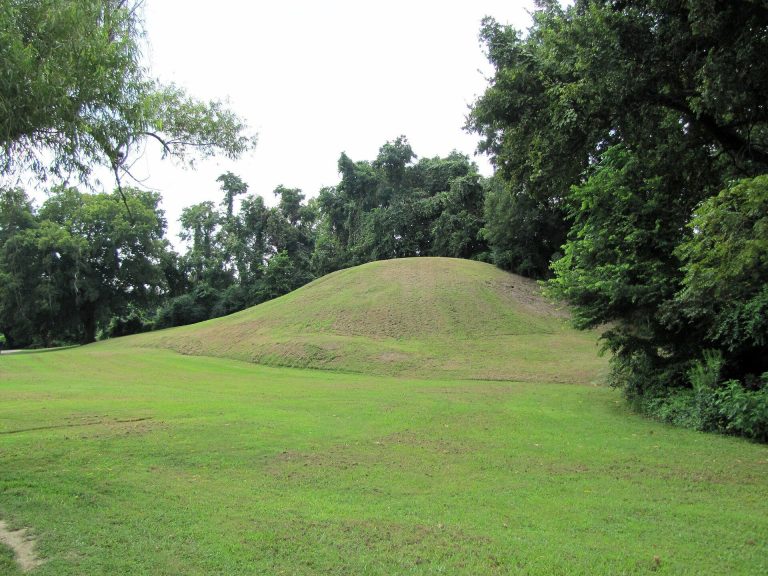
Chucalissa preserves a mound-and-plaza complex associated with the Walls phase. The settlement occupies a bluff above the Mississippi River, and its surviving archaeological evidence includes excavated architectural remains as well as floral remains, faunal remains, and human osteological remains. Human osteological remains are skeletal evidence used to study past populations, including health, diet, and lifeways. Together, these remains provide archaeological evidence for the settlement’s built environment and the people who lived there.
Museum and grounds
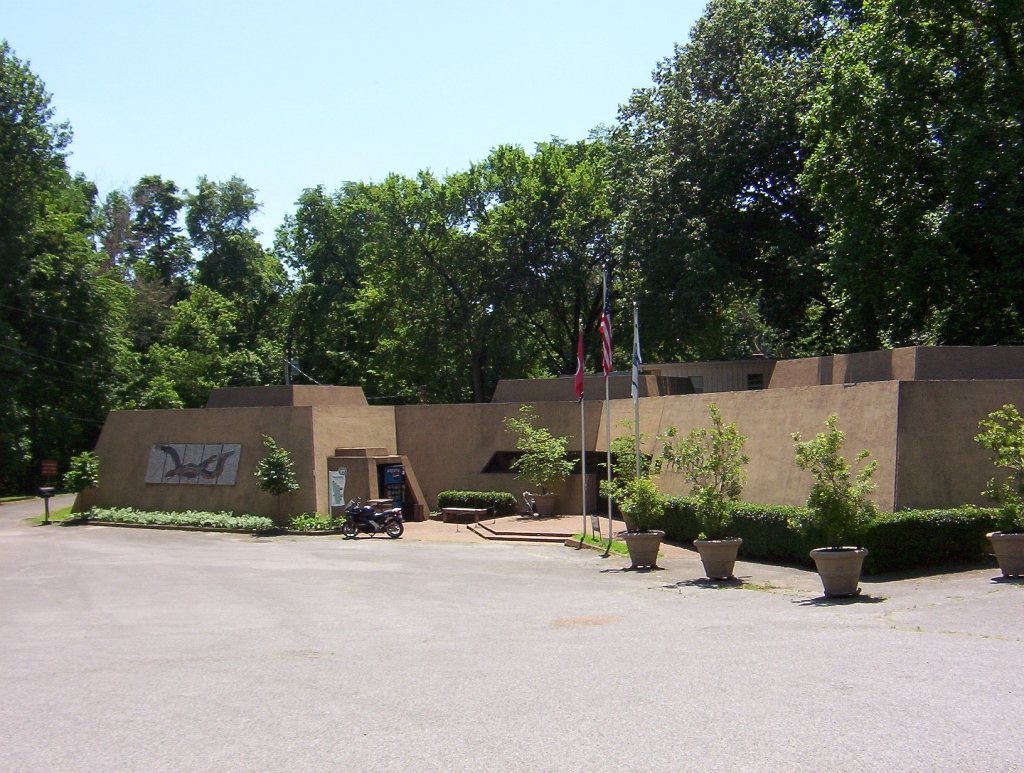
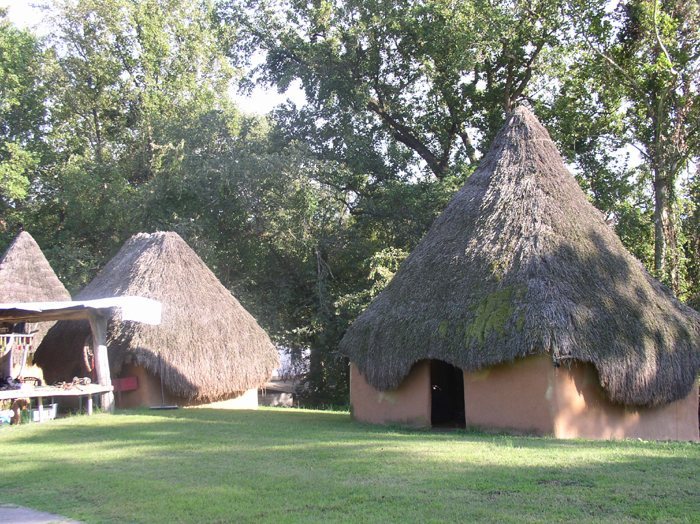
The C. H. Nash Museum displays materials excavated at Chucalissa and curates an extensive collection of artifacts recovered during the systematic excavations. The present grounds include the mound complex, a nature trail, an arboretum, and a hands-on archaeology laboratory. Exhibits address the history and lifeways of Native American peoples in the historic and prehistoric southeastern United States.