Cagsawa Ruins: The Remains of a Franciscan Baroque Church in the Philippines
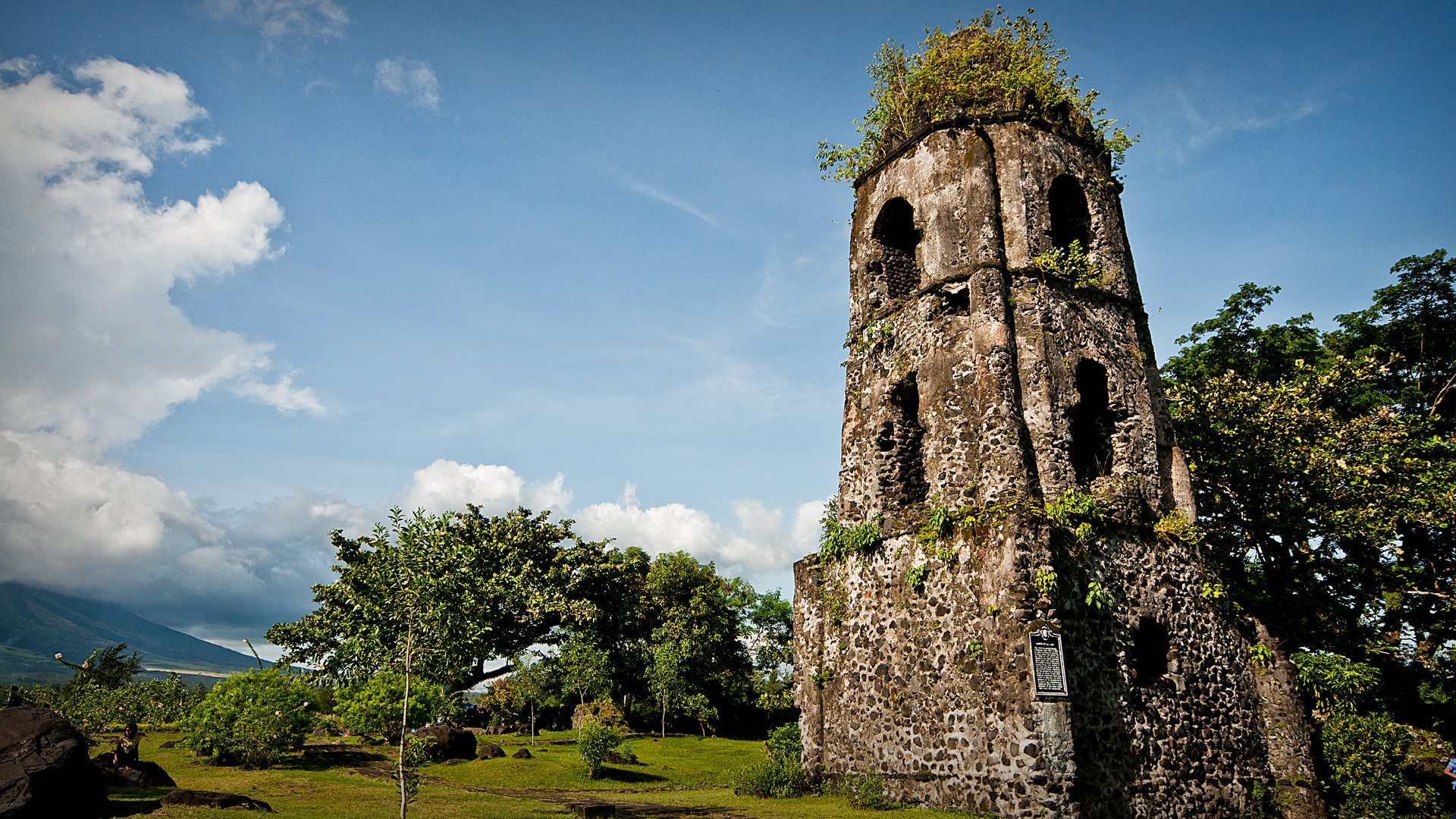
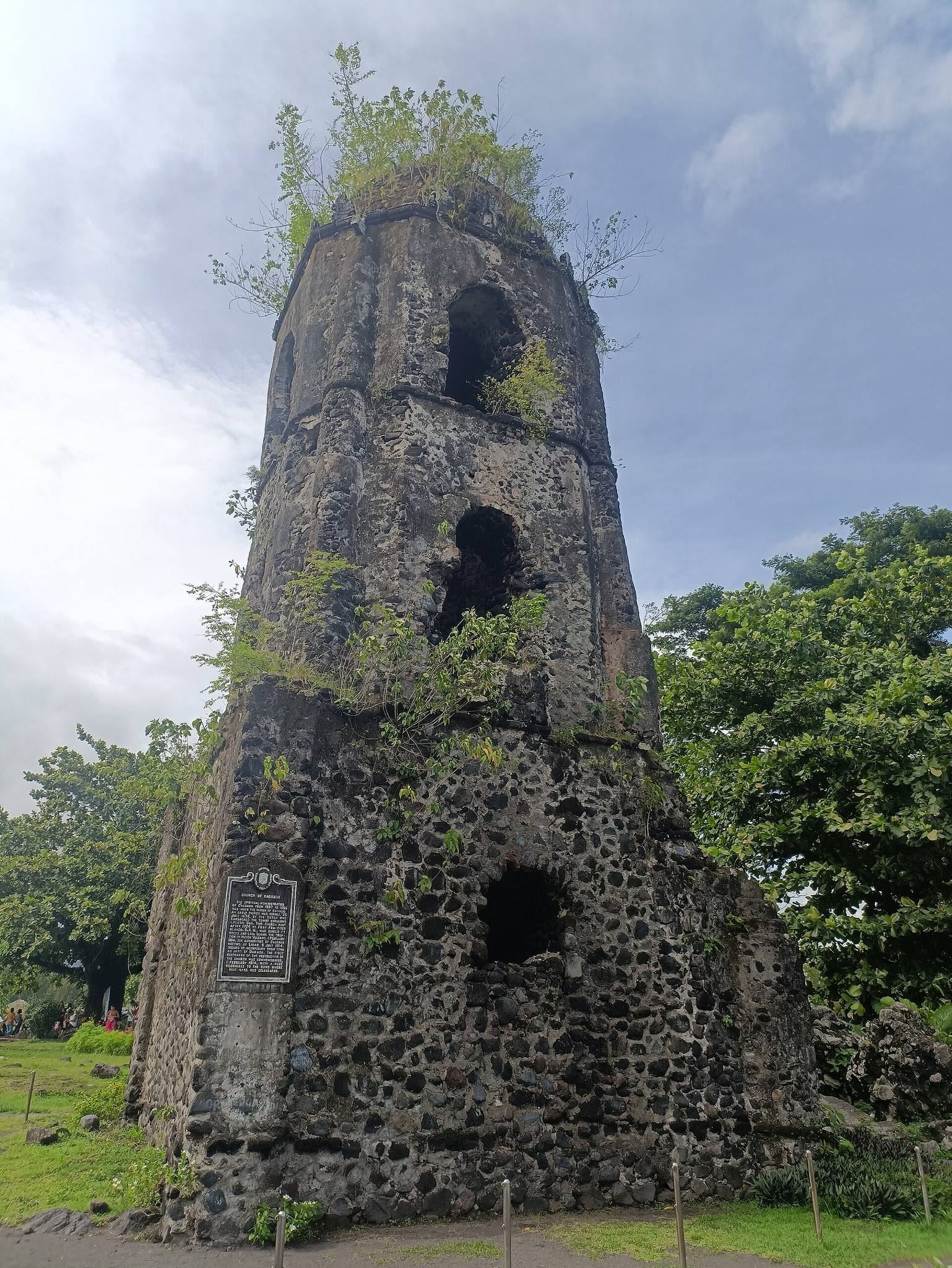
Site at a Glance
- Rating
- 4.6
- Popularity
- Medium
- Country
- Philippines
- Primary era
- Early Modern
- External website
- Open
- Eras represented
- Early Modern
- Civilizations
- Spanish
- Site type
- Religious
- Remains
- Church
On this page7 sections
History
Cagsawa Ruins are the remains of a Franciscan Baroque church in Daraga, Albay, Philippines, originally built during the Spanish colonial period in 1587. The church stood in the former town of Cagsawa, historically spelled Cagsaua, and was operated by Franciscan friars, members of a Catholic order founded in the tradition of Saint Francis of Assisi.
Construction and rebuilding
Dutch pirates burned the church on July 25, 1636. Franciscan friars rebuilt it in 1724 under Father Francisco Blanco. The building was distinct from Nuestra Señora de la Porteria, now known as Daraga Church, which was constructed elsewhere in the municipality in 1773.
The 1814 eruption
On February 1, 1814, Mayon Volcano erupted and destroyed the church, burying Cagsawa and the surrounding area beneath several hundred million cubic metres of tephra and lahar. Tephra is fragmented volcanic material expelled during an eruption, while lahar is a destructive volcanic mudflow. The disaster killed an estimated 2,000 people. Hundreds of residents who had reportedly taken refuge in the church were also killed by pyroclastic flows and lahar.
After the eruption, survivors resettled in nearby Daraga, then a barrio of Cagsawa, and decided to merge the two settlements. The catastrophe therefore reshaped both the landscape and the location of the surviving community.
Preservation and interpretation
The ruins form part of Cagsawa Park and are protected and maintained by the municipal government of Daraga and the National Museum of the Philippines. The municipality provided land for a National Museum branch at Cagsawa on January 26, 1981. The branch opened on October 30, 1992, and is the National Museum’s third-largest regional branch.
Preliminary archaeological excavations by Bulacan State University indicated that Spanish builders incorporated Mesoamerican influences into the complex. Mesoamerican architectural influences are design elements associated with the pre-Columbian civilizations of Mexico and Central America.
The site was affected by Super Typhoon Durian, also designated Typhoon Reming by PAGASA, in 2006, but the ruins remained unharmed while mudslides and lahar devastated the surrounding countryside and killed at least 1,266 people. The Cagsawa Festival began in 2012. On February 1, 2014, Albay Province held the Cagsawa Dos Siglos festival to mark the bicentenary of the eruption, honor the resilience of Albay’s residents, and emphasize volcanic risk and disaster-risk reduction.
Remains
Church complex
The ruined church complex lies in Barangay Busay, Daraga, within Cagsawa Park, roughly 11 kilometres from Mayon Volcano. It covers about 500 square metres. The church was a Baroque Franciscan building, using the elaborate architectural vocabulary associated with the Baroque period.
The surviving fabric includes the belfry, parts of the convent, and sections of the church walls. Parts of the facade remained standing for a long period after the 1814 eruption, as photographs record. The facade is believed to have collapsed during earthquakes that affected the area in the 1950s.
National Museum branch
The National Museum’s Cagsawa branch occupies the site and contains photographs of Mayon eruptions together with geological and archaeological exhibits. These displays present the volcanic events and the archaeological interpretation of the ruined church complex.