Palakkad Fort: An Eighteenth-Century Mysorean Stronghold in India
Site at a Glance
- Rating
- 4.3
- Popularity
- Very High
- Country
- India
- Primary era
- Early Modern
- Eras represented
- Early Modern
- Civilizations
- Unclassified
- Site type
- Military
- Remains
- Fort
On this page14 sections
History
Palakkad Fort is an eighteenth-century fort in Palakkad, India, built under the authority of Hyder Ali, the sultan and principal military ruler of the Kingdom of Mysore. The present fort is generally dated to 1766, although traditions place an earlier fort at Palakkad and its early history remains poorly documented. Its position made it an important stronghold during the conflicts between Mysore and the British East India Company.
From Palakkad Achchan to Mysorean Rule
By the mid-eighteenth century, the local ruler known as Palakkad Achchan had become independent after previously owing tribute to the Zamorin of Calicut, the hereditary ruler of Calicut whose authority extended across parts of present-day northern Kerala. In 1757, Palakkad Achchan sought Hyder Ali’s assistance against a threatened invasion by the Zamorin.
Hyder Ali used the opportunity to secure Palakkad as a strategic position. The present fort was constructed under his authority and completed in 1766, bringing the site into the military network of Mysore.
The Anglo-Mysore Wars
The Anglo-Mysore Wars were four eighteenth-century conflicts between Mysore and the British East India Company, involving changing alliances among regional powers. Palakkad Fort changed hands repeatedly during the first three wars. Colonel Wood captured it for the British in 1768, during the First Anglo-Mysore War, but Hyder Ali’s forces retook it several months later.
During the Second Anglo-Mysore War, Colonel Fullarton captured the fort in 1783 after an eleven-day siege. The British abandoned it in 1784 when the war ended, and it later came under the control of troops belonging to the Zamorin.
In 1790, during the Third Anglo-Mysore War, British forces under Colonel Stuart captured the fort from Tipu Sultan, Hyder Ali’s son and successor. After the British defeat of Mysore, the fort was renovated and used as a base for operations that culminated in the storming of Srirangapatnam during the Fourth Anglo-Mysore War in 1798.
Military and Administrative Use
After the Anglo-Mysore Wars, the British continued to maintain a garrison at Palakkad Fort and use it for military purposes. By the early twentieth century, the fort had been converted for civil administration as a taluk office, a taluk being an administrative subdivision under British and later Indian governance. It was subsequently transferred to Kerala authorities for government use.
The Archaeological Survey of India, India’s national institution for archaeological research, conservation, and protection of many historic monuments, now maintains the fort. Archaeological excavations within the site have supported a museum displaying recovered finds.
Remains
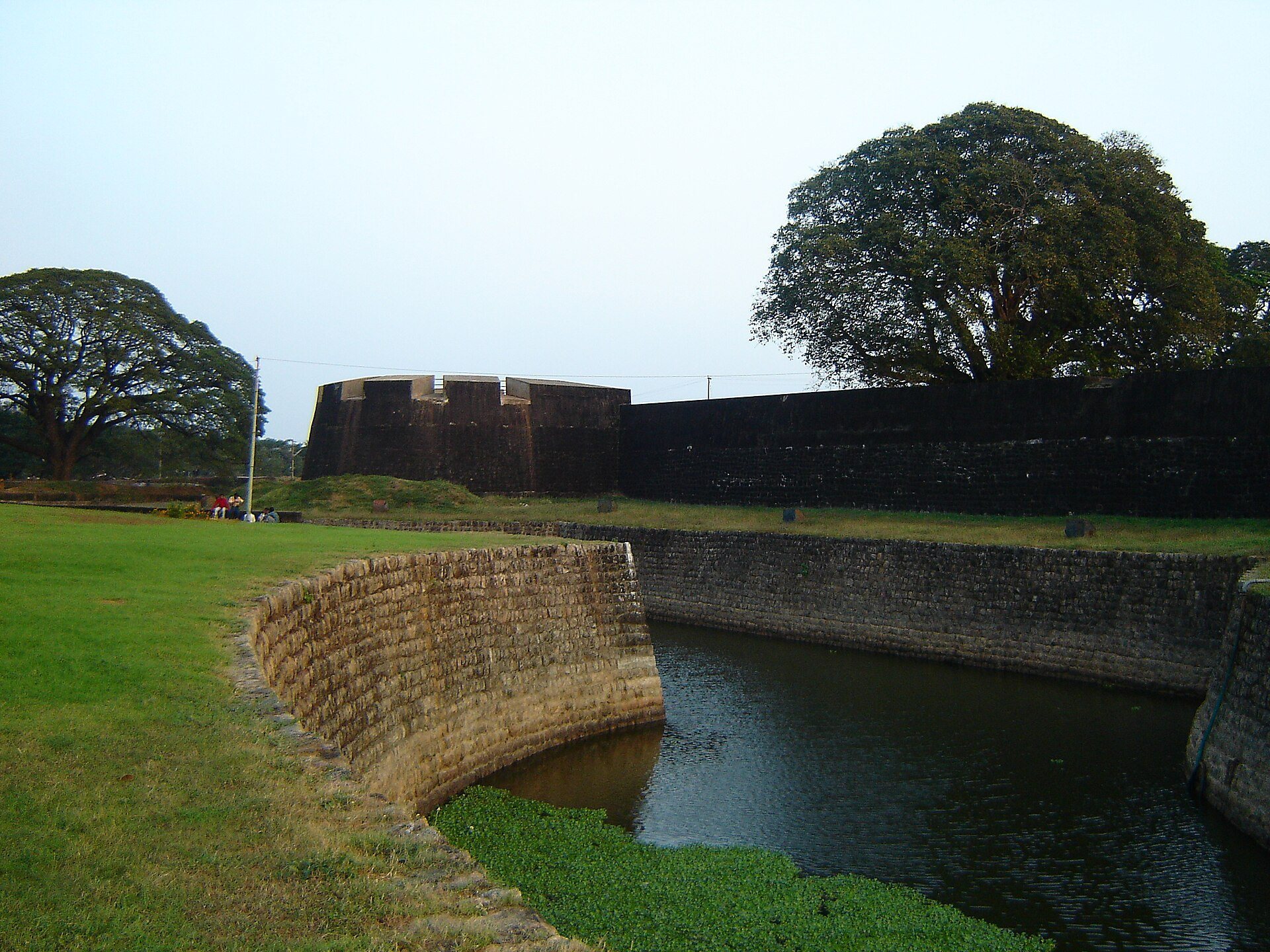
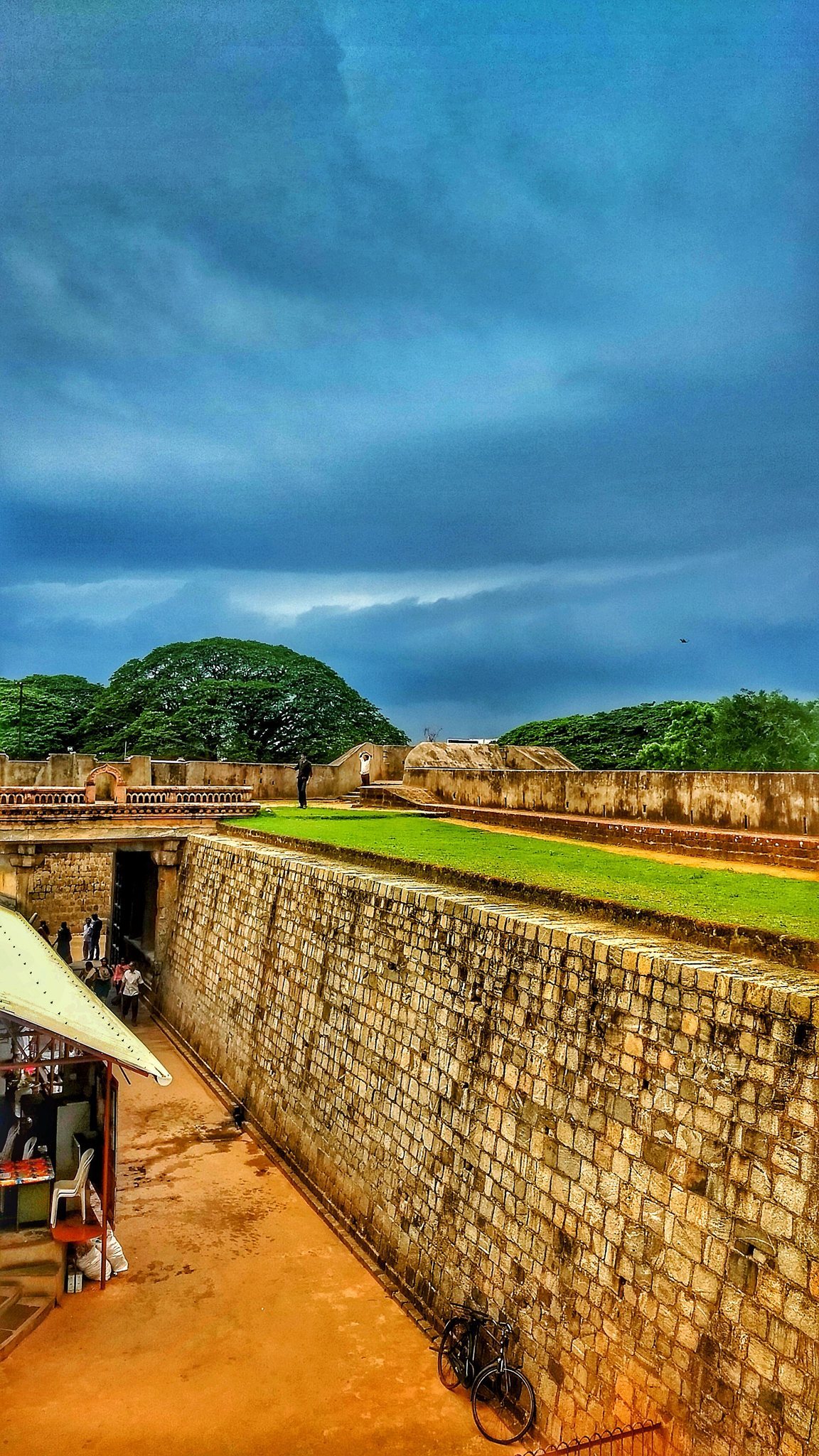
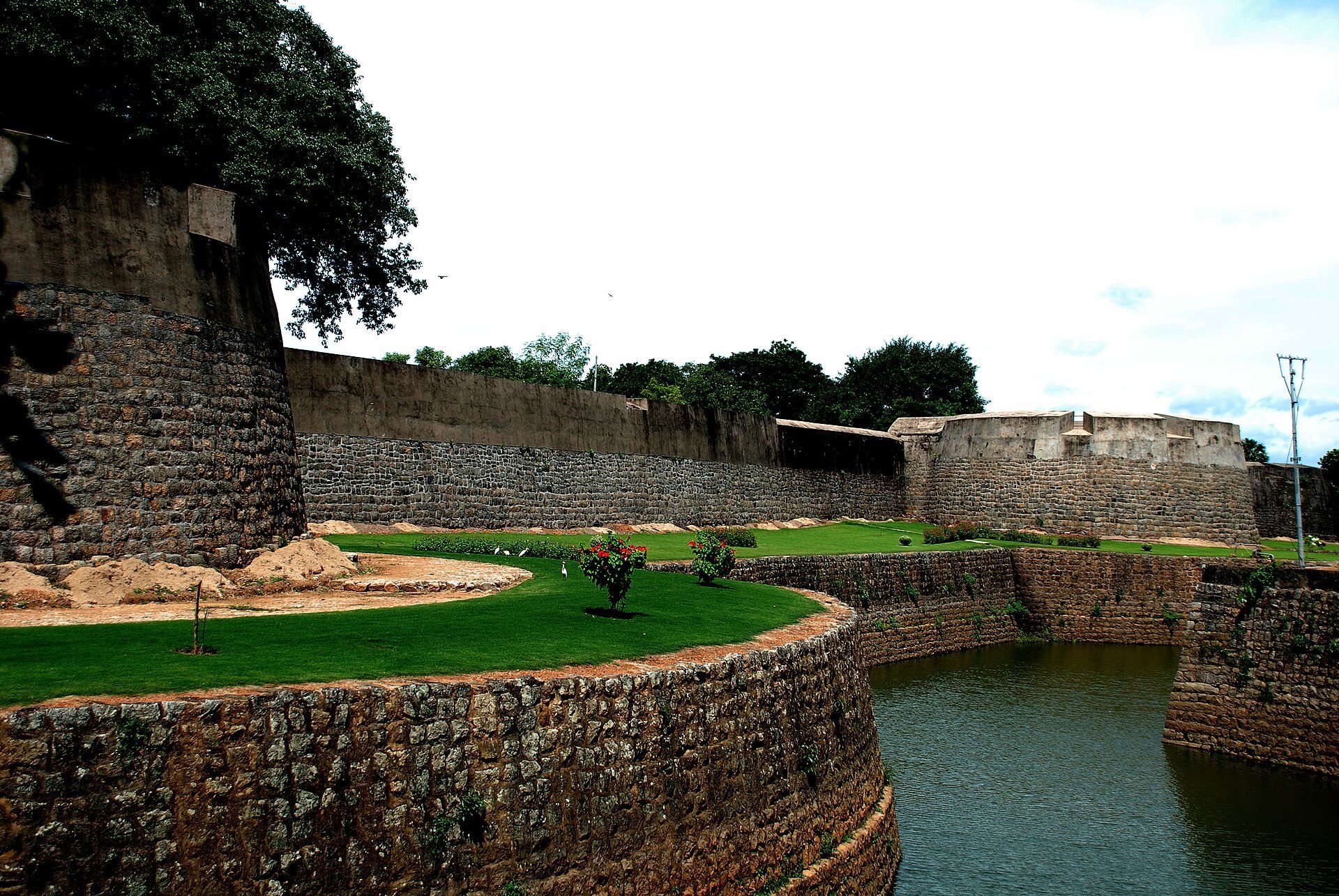
Palakkad Fort has a square plan, with each side measuring approximately 270 metres. Its fortification is built of brick and is surrounded by a water-filled moat. The fort itself covers about 73 acres, while the fort, moat, and surrounding open grounds together occupy approximately 320 acres.
Fortifications
Walls and Defensive Positions
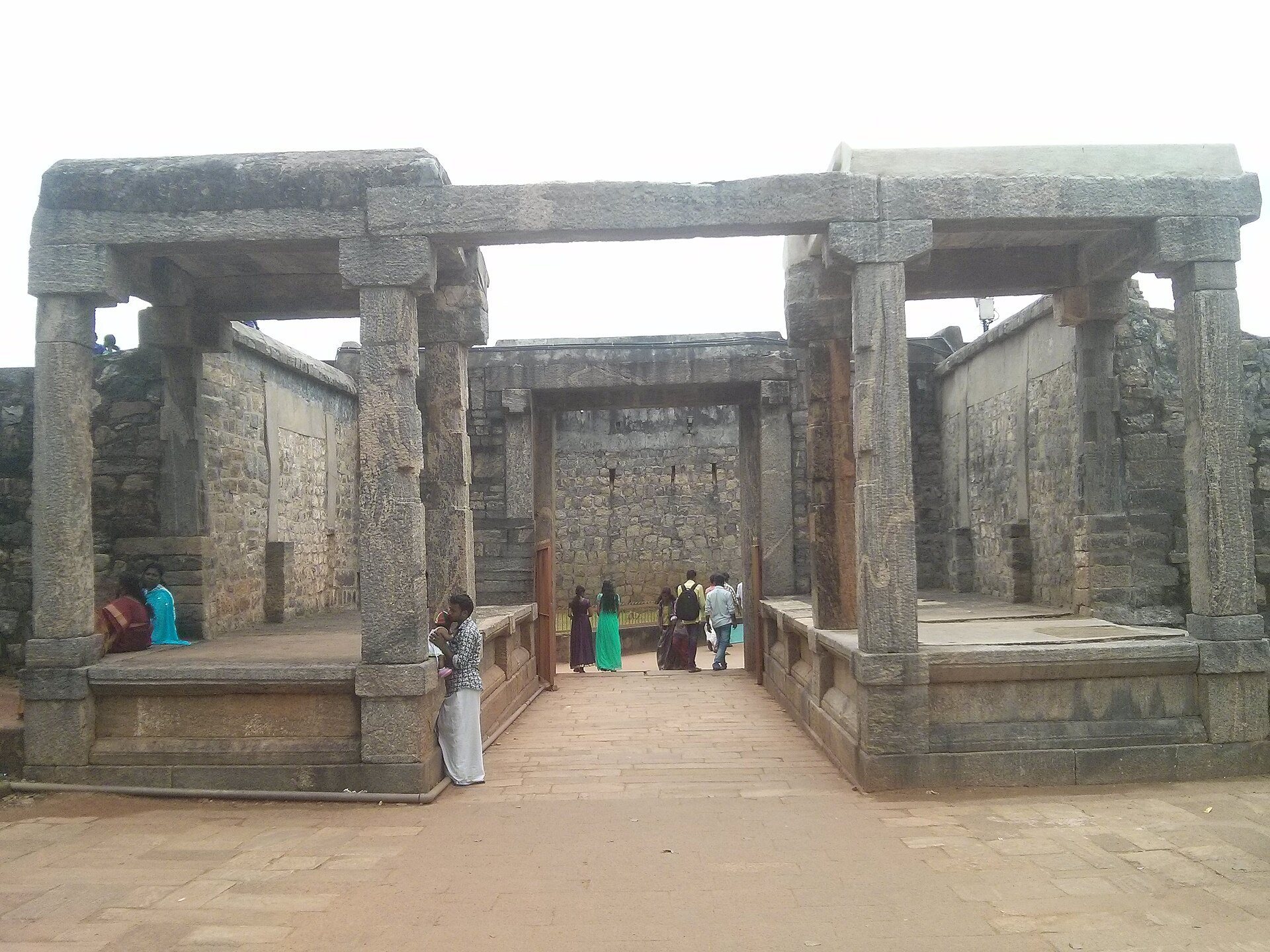
The fort walls enclose the square plan, with eight projecting defensive positions placed at the four corners and at the midpoint of each side. The entrance gateway, moat, walls, and projecting positions form the principal elements of the defensive arrangement.
Interior Buildings and Grounds
Historic Buildings and Waterworks
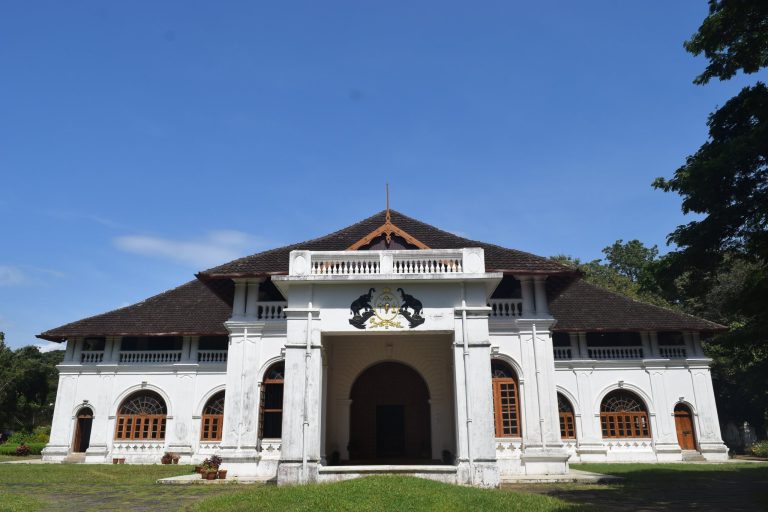
Several historic buildings and sites dedicated to deities and ancient rulers stand within the fort. The interior also contains a well and a water-storage tank, together with the Palakkad Special Sub Jail.
Archaeological Museum
An archaeological museum inside the fort displays finds recovered from excavations conducted within the site, connecting the surviving buildings and defenses with material recovered from their historic setting.
Rappadi Open-Air Auditorium
Rappadi, an open-air auditorium, stands within the fort grounds and is under the preservation of the Archaeological Survey of India.
Open Grounds and Public Spaces
Kota Maidanam
Kota Maidanam, also called Fort Maidan, occupies the large ground between the fort and Palakkad Town Hall. The grounds are used for cricket matches, exhibitions, and public meetings.
Vatika and Vatika-Shilavatika
Vatika, a children’s park with a garden and outdoor playground equipment, occupies one side of the fort. A garden known as Vatika-Shilavatika is also maintained inside the fort grounds.