Archeopark in Chotěbuz: Interpretation of a Slavic Fortified Settlement
Site at a Glance
- Rating
- 4.5
- Popularity
- Low
- Country
- Czechia
- Primary era
- Medieval
- External website
- Open
- Eras represented
- Iron Age, Medieval
- Civilizations
- Hallstatt culture
- Site type
- Military
- Remains
- Fortified Town
On this page6 sections
History
The Slavic stronghold
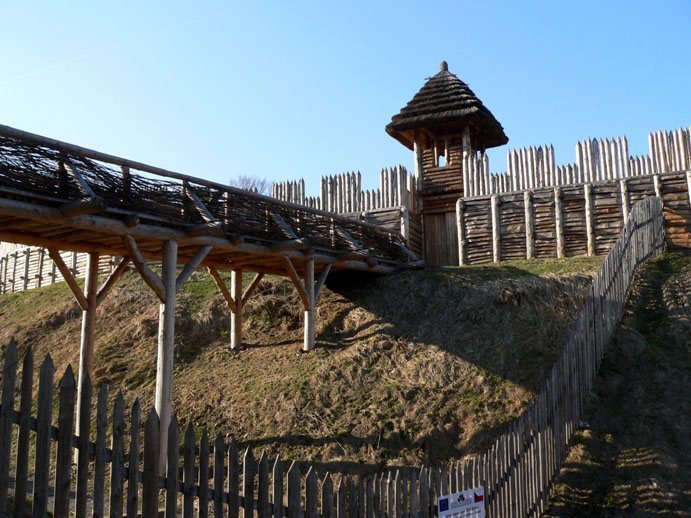
Archeopark in Chotěbuz is an archaeological park in Czechia that interprets Old Těšín, a Slavic fortified settlement associated with the Holasici tribe. The stronghold probably originated in the seventh century, when the tribe was settling the region now known as Cieszyn Silesia. It served both as a residential settlement and as a defensive center.
During the ninth century, Old Těšín suffered severe damage, probably in an attack by Svatopluk I of Great Moravia. Svatopluk I was a ruler of Great Moravia, a major early medieval polity in Central Europe. The attack took place during conflicts between Moravian tribes and the Vistulan tribes, although the precise cause of the destruction remains uncertain.
Repair and decline
After nearby strongholds, including the powerful settlement at Lubomia, had been destroyed, Old Těšín was repaired. Together with a new stronghold on Castle Hill in Těšín, it became an administrative, religious, and economic center for communities between Moravia and the Vistula region. The newer stronghold had initially served as a support base for Old Těšín, but its growing importance gradually drew functions away from the older site.
Old Těšín was completely abandoned around the turn of the eleventh and twelfth centuries, probably during the first third of the eleventh century. Archaeological research has continued for many years. The site received archaeological protection on 3 May 1958, and present work combines investigation with reconstruction of the stronghold’s appearance, supported by UNESCO, the United Nations Educational, Scientific and Cultural Organization. The archaeological park, now known as Archeopark Chotěbuz-Podobora, opened in 2012.
Remains
Hilltop setting and earlier occupation
The former stronghold occupied a small hill or elevated area above a steep bank on the left bank of the Olše River. The river followed a different channel while the stronghold was in use, so the landscape surrounding the settlement has changed since its occupation. Evidence of settlement on the site also belongs to the Hallstatt period, an Iron Age phase conventionally dated here from approximately 800–750 to 500 BC, several centuries before the medieval Slavic stronghold.
Archaeological interpretation
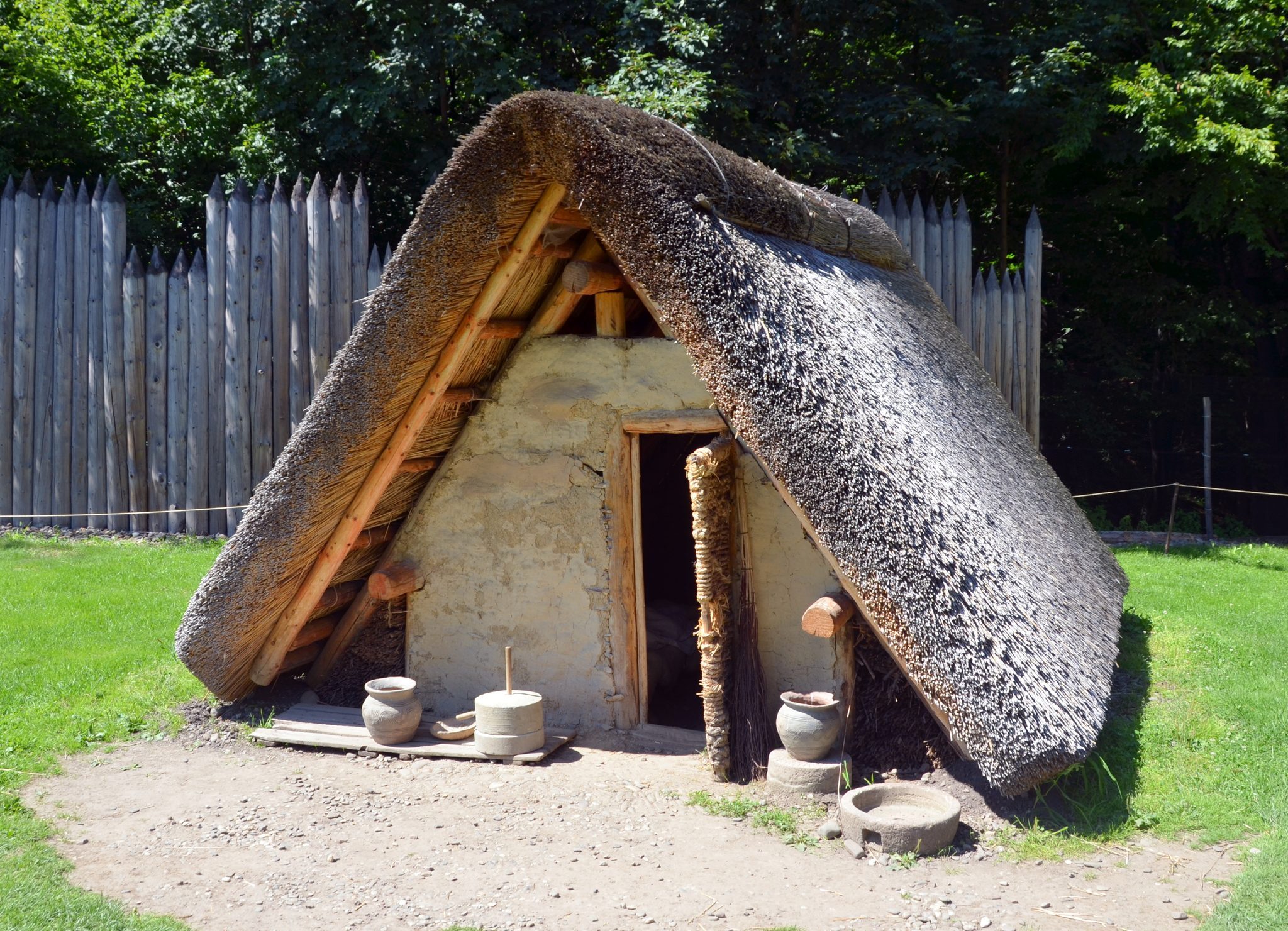
The present park combines the surviving archaeological evidence with reconstruction intended to convey the appearance of the former fortified settlement. This approach presents Old Těšín as both a physical archaeological site and a reconstructed interpretation of the settlement that occupied the hill during the early medieval period.