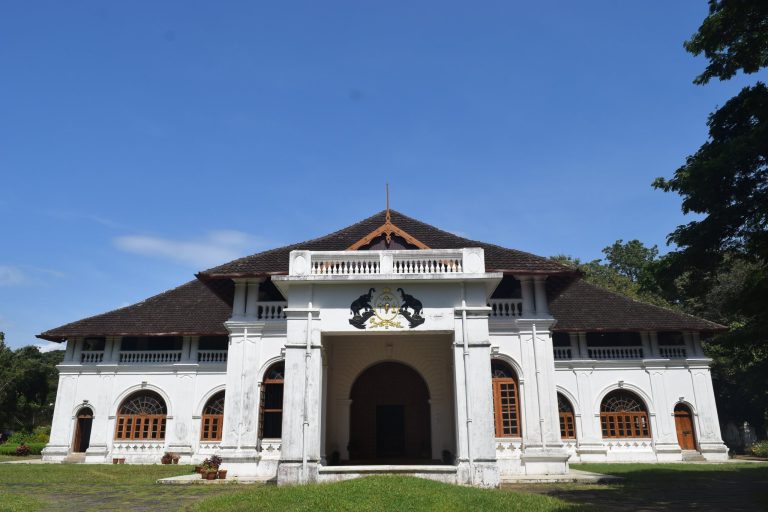
Cranganore Fort: A Portuguese River Fortress in Kerala
Site at a Glance
- Rating
- 4.2
- Popularity
- Medium
- Country
- India
- Primary era
- Early Modern
- External website
- Open
- Eras represented
- Early Modern
- Civilizations
- Portuguese
- Site type
- Military
- Remains
- Fort
On this page7 sections
History
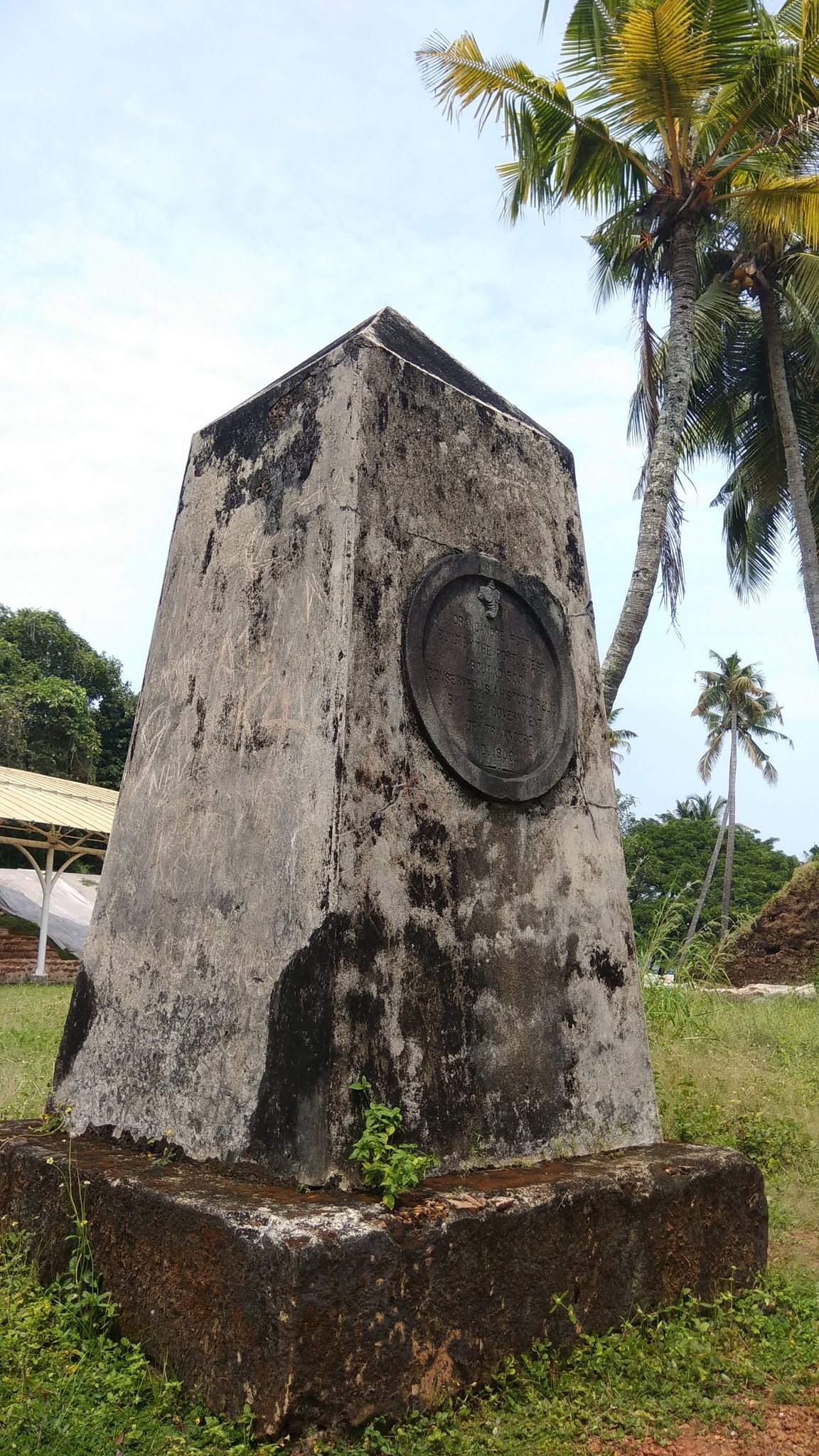
Cranganore Fort, also known as Fortaleza da São Tomé and Kottapuram Fort, is a former Portuguese fort in India, located at Kodungallur in Kerala. Built in 1523 and named after Thomas the Apostle, a Christian apostle traditionally associated with the early spread of Christianity in India, it guarded movement toward Kodungallur from the Periyar River. After its completion, the Portuguese military commander Urbano Fialho Ferreira took command.
Portuguese foundation and expansion
The fort’s position at the entrance to the Periyar, before the river reaches the Arabian Sea, allowed it to control ships and boats travelling inland toward Kodungallur. The Portuguese enlarged the stronghold in 1565, reinforcing its role as a river approach and coastal defense position.
Dutch capture in 1663
In the early 1660s, the Dutch attacked Cranganore Fort by land and sea and began digging a tunnel nearby. Portuguese artillery initially compelled the attackers to seek a truce, but fighting resumed after Paliyattachan, a regional political figure associated with the Kingdom of Cochin, revealed an easier route into the fort after leaving it.
The Dutch then breached the defenses with artillery and seized important sections of the stronghold. The Portuguese escaped by boat to the Ambazhakkad seminary. Urbano Fialho Ferreira, 200 Portuguese soldiers, and about 100 Nair soldiers were killed during the capture. The Dutch took the fort in 1663, subsequently destroyed it, and used the site as an outhouse for guarding their trading ships.
Travancore and the Mysore wars
During the conflict between Mysore and Travancore, Kottapuram Fort formed part of the Nedumkotta, or Travancore Lines, a defensive system built across northern Kerala to resist incursions from Mysore. Travancore strengthened these defenses under Eustachius Benedictus de Lenoy, the military commander who led the construction and improvement of the works, in response to the threat from Tipu Sultan, ruler of Mysore.
On 31 July 1789, Travancore purchased the Kodungallur and Pallipuram forts from the Dutch for three lakh rupees. Raja Kesava Das, the Travancore Diwan, or chief minister of the princely state, concluded the agreement with John Gerard Van Angelbeck, the Dutch governor.
Mysore forces attacked the upper part of the Travancore Lines in December 1787, but Travancore troops counterattacked and forced them to withdraw. On 12 April 1790, the Mysore army attacked again and broke through the defenses at several points. It captured and destroyed Kodungallur Fort on 7 May before advancing through Aikotta, Paravur, and Kuryappilly toward Aluva. The Mysore army later withdrew from Kerala after the East India Company declared war, beginning the Third Anglo-Mysore War.
Present ownership
Cranganore Fort is now owned by the Government of Kerala. Most of the fort has been demolished, leaving its history tied to the successive Portuguese, Dutch, Travancore, and Mysore struggles for control of the region.
Remains
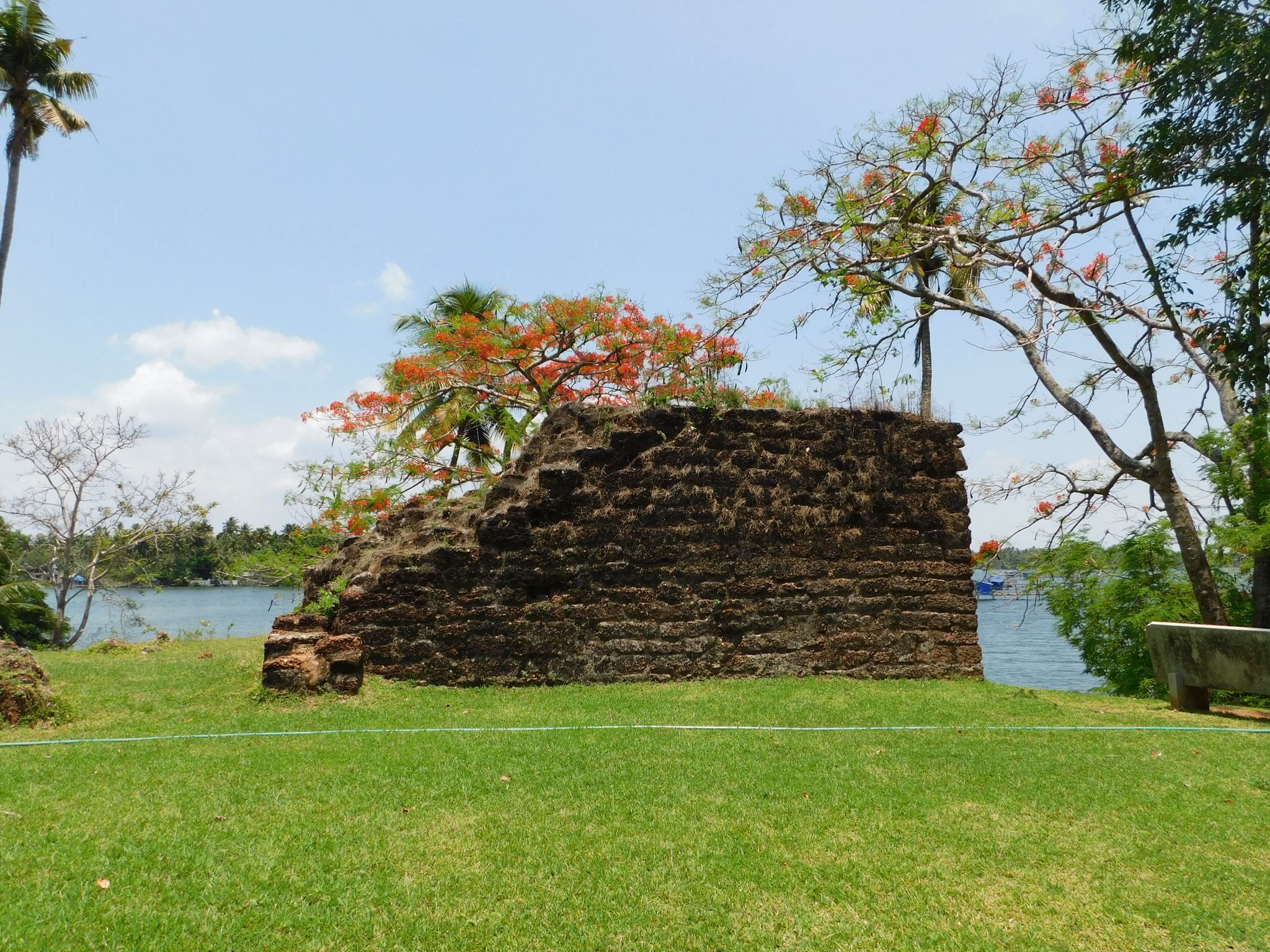
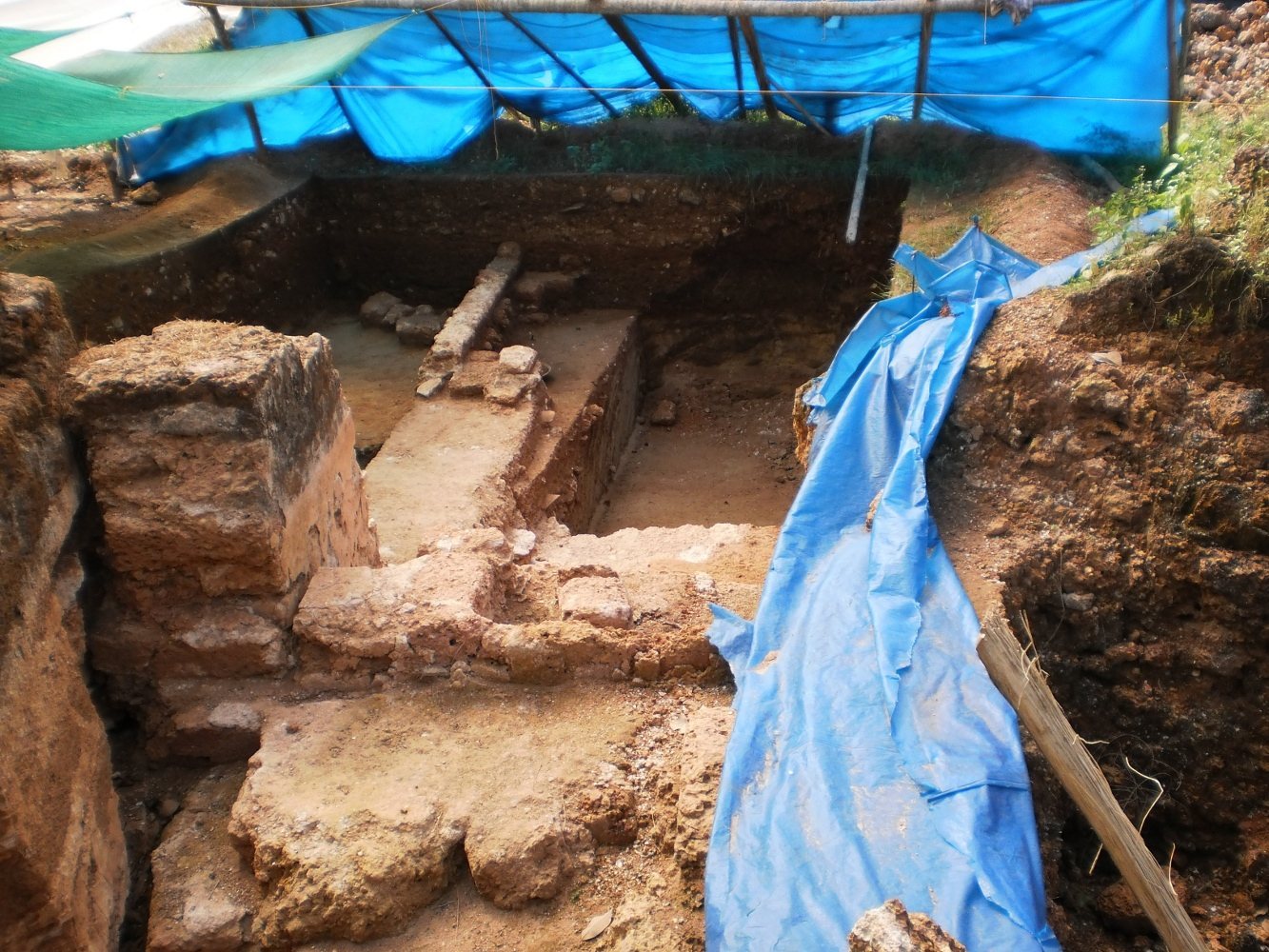
Cranganore Fort stood at Kodungallur, at the entrance to the Periyar River near its junction with the Arabian Sea. It was a stone fort built from laterite, with walls approximately 18 feet thick. The enlarged 1565 structure was later destroyed, and most of the fort has now disappeared.
Fortifications
The surviving physical evidence relates to a substantial river fortress whose thick laterite walls enclosed the Portuguese stronghold. Its position at the river entrance formed part of its defensive design and supported control over waterborne movement toward Kodungallur. The fort is now largely demolished, reflecting the destruction that followed its Dutch capture and its later military history.