Fort Tucapel: A Spanish Colonial Fortress in Chile
Site at a Glance
- Rating
- 3.8
- Popularity
- Low
- Country
- Chile
- Primary era
- Early Modern
- Eras represented
- Early Modern
- Civilizations
- Spanish
- Site type
- Military
- Remains
- Fort
On this page8 sections
History
Foundation and destruction in 1553
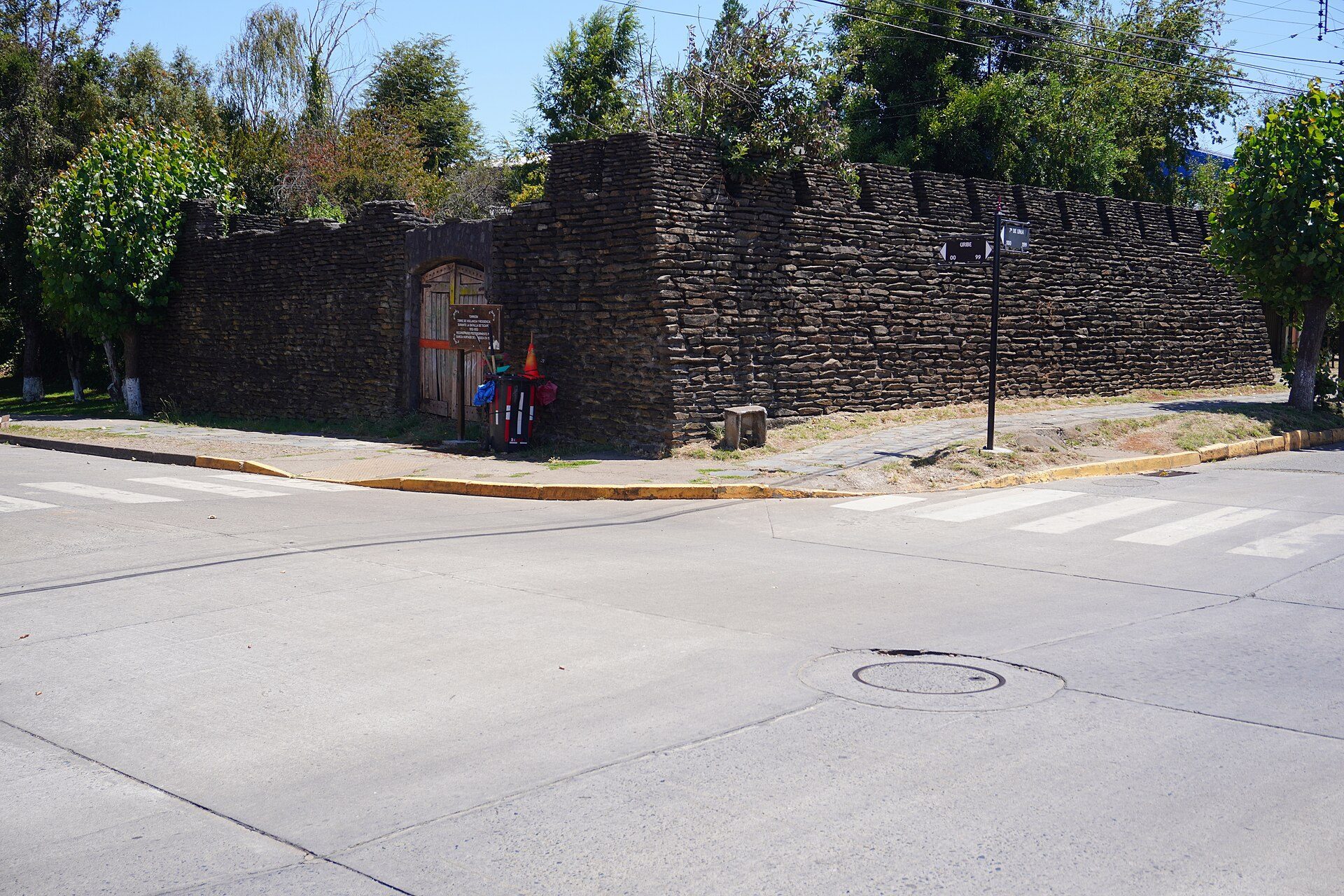
Fort Tucapel, also known as San Diego de Tucapel or San Ambrosio de Tucapel, is a Spanish colonial fortress in Cañete, Chile, founded during the Spanish conquest of Chile in the spring of 1553. Francisco Antonio Encina placed its foundation in October of that year. Pedro de Valdivia, the Spanish conquistador and first royal governor of Chile, established the fort to support Spanish operations in the region. A provisional palisade fort was placed under Captain Martín de Ariza, who commanded a six-man garrison. It stood seven leagues from Arauco, which was twelve leagues from Concepción.
Mapuche forces destroyed the fort during the first days of December 1553. On 18 or 19 December, Valdivia left Concepción intending to rebuild it, but Mapuche forces commanded by the military leader Lautaro attacked and defeated him at the Battle of Tucapel on 25 December. Valdivia was killed in the battle.
Reconstruction and the 1558 attack
Governor García Hurtado de Mendoza reached the ruins on 6 December 1557 and ordered the fort rebuilt in stone. Alonso de Góngora Marmolejo states that the work took three days. In February 1558, Mapuche forces led by the toqui, or military leader, Caupolicán attacked the fort but were defeated. Caupolicán was captured a few days later and impaled in an open area in front of the fortress.
Rebuilding and military expansion
Alonso de Rivera rebuilt the fort in 1603 after it had been burned following the death of Governor Martín García Óñez de Loyola in 1598. The fort may have been dismantled in 1642 under the Paces of Quillín, agreements intended to regulate relations between Spanish colonial authorities and the Mapuche. The dismantling was associated with the removal of other fortifications south of the Biobío River, except for Arauco.
In 1646, Governor Martín de Mujica ordered the Arauco Regiment to move to the former site of Fort Tucapel. By 1647, the resulting military establishment housed three companies of cavalry and five of infantry, with a total of 540 personnel under a master of camp, a senior military commander. In 1668, Governor Diego de Ávila Coello y Pacheco ordered a citadel built near the fort and named it San Diego de Tucapel.
Transfer and later continuity
After the Mapuche uprising of 1723, Governor Gabriel Cano y Aponte ordered the fort and its inhabitants transferred to Laja. The settlement there was renamed Tucapel de la Laja. On 12 November 1868, Colonel Cornelio Saavedra Rodríguez ordered the refoundation of Cañete at the former location of Fort Tucapel, rather than at the site of the earlier Cañete de la Frontera founded in 1558.
Chile declared the fort a National Monument in the Historic Monument category in 1963. The site now functions as an open-air museum with a small exhibition of Spanish colonial-period objects and objects from Mapuche culture from the same broad period. It is also the endpoint of the La Araucana Ceremonial Route, which begins at a monument to a clava, a club-like weapon associated with Mapuche material culture, at the northern entrance to Cañete. Fragments of Alonso de Ercilla’s epic poem La Araucana, concerning the Spanish conquest of Chile and the conflict with the Mapuche, appear along the route.
Remains
Fortification layout
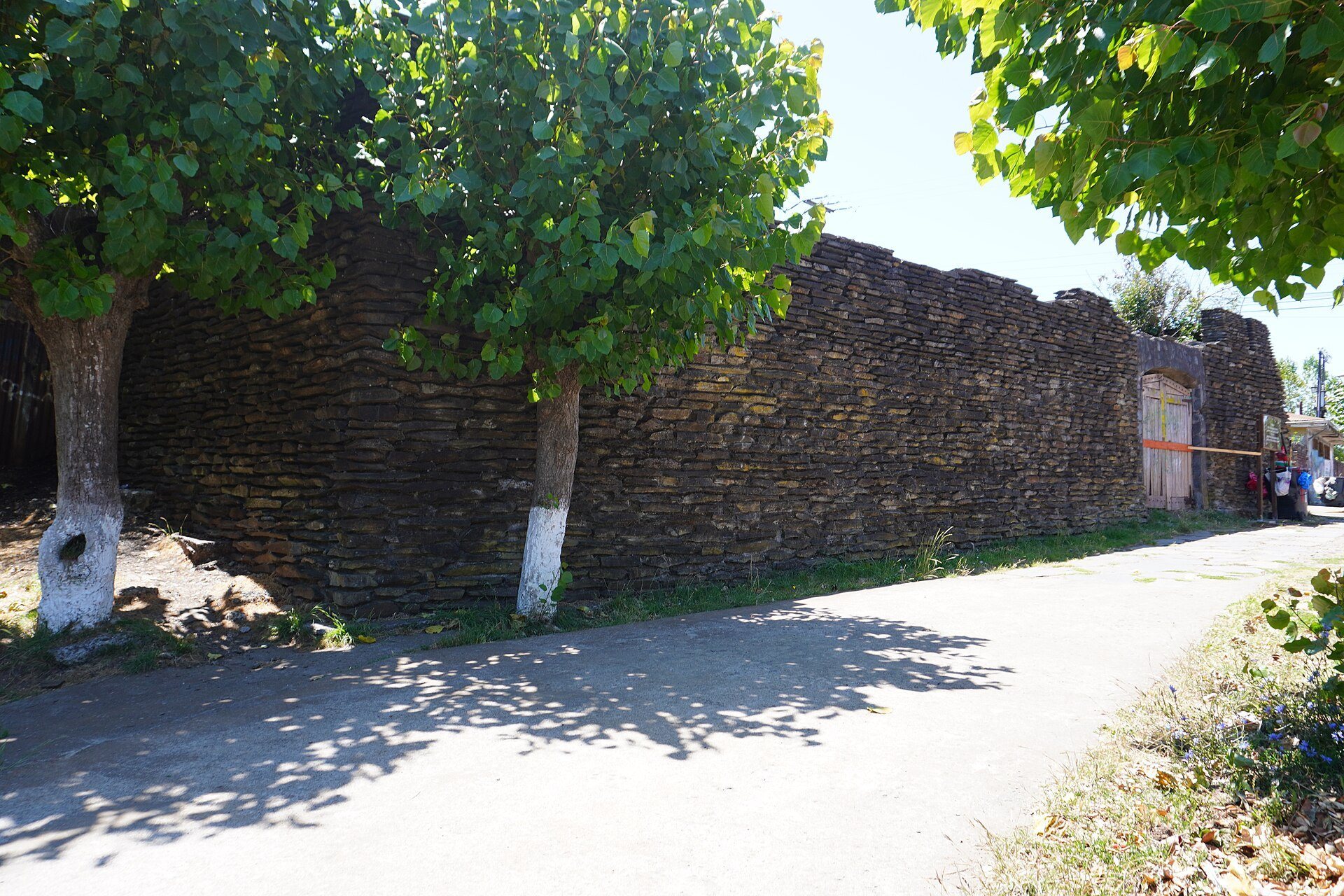
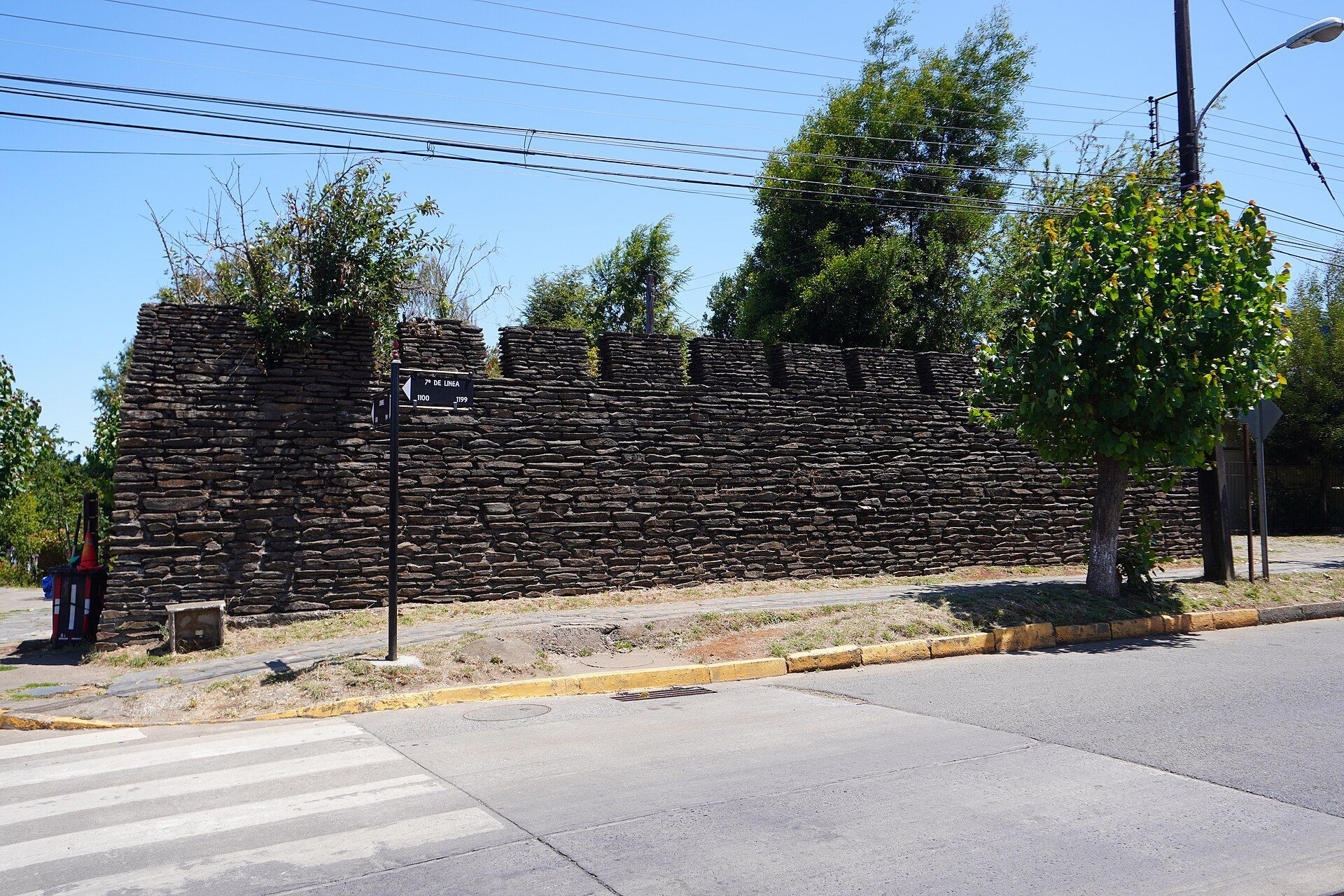
The site covers approximately 2.5 hectares in the present-day commune of Cañete. The first fortification was provisional, consisting of a palisade surrounded by a ditch. The stone fort rebuilt in 1557 was constructed among the ruins of this earlier enclosure and was equipped with two artillery pieces. A citadel was later built in the immediate vicinity in 1668, adding a separate defensive installation to the military complex.
Execution ground and open-air museum
An open area in front of the fortress is associated with the execution of Caupolicán in 1558. The present site is arranged as an open-air museum and includes a small exhibition of Spanish colonial and Mapuche objects. The museum presentation forms part of the surviving historical interpretation of the fort and its role in the long conflict between Spanish colonial forces and the Mapuche.